Elevator Permit and Inspection Timeline in Los Angeles and San Diego, California | AmeriTex Elevator
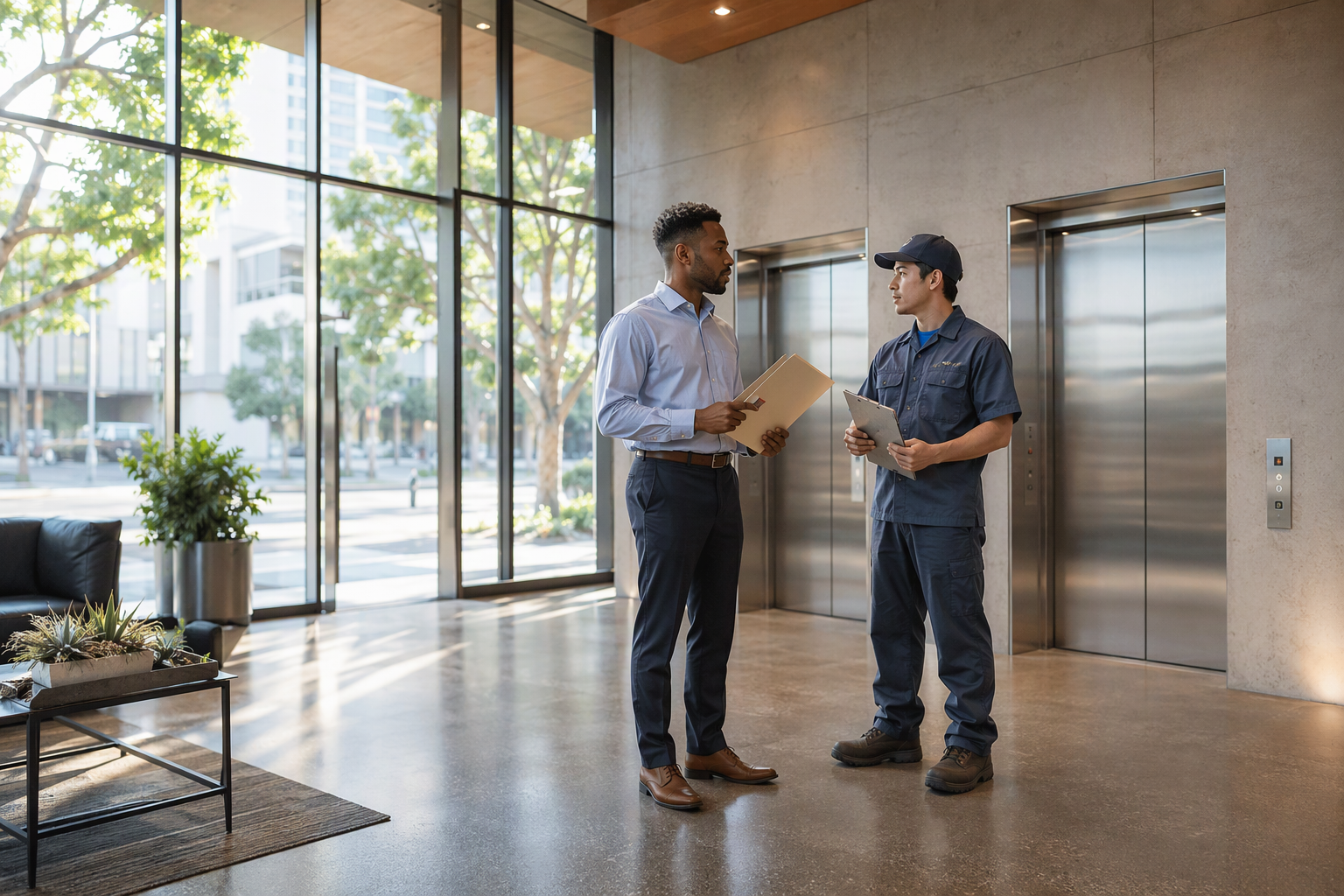
Navigating elevator permitting and inspection timelines in California requires a clear understanding of which agencies are involved, what documentation is needed, and what responsibilities fall on building owners versus licensed contractors. Whether a property owner is installing a new elevator, completing alterations, or preparing for an annual reinspection in Los Angeles or San Diego, the process is shaped by California Labor Code Sections 7300–7324.2 and the California Code of Regulations, Title 8, Elevator Safety Orders. AmeriTex Elevator, certified to operate in California, helps building owners and managers move through this process efficiently and in full compliance.
Who Regulates Elevator Permits and Inspections in California?
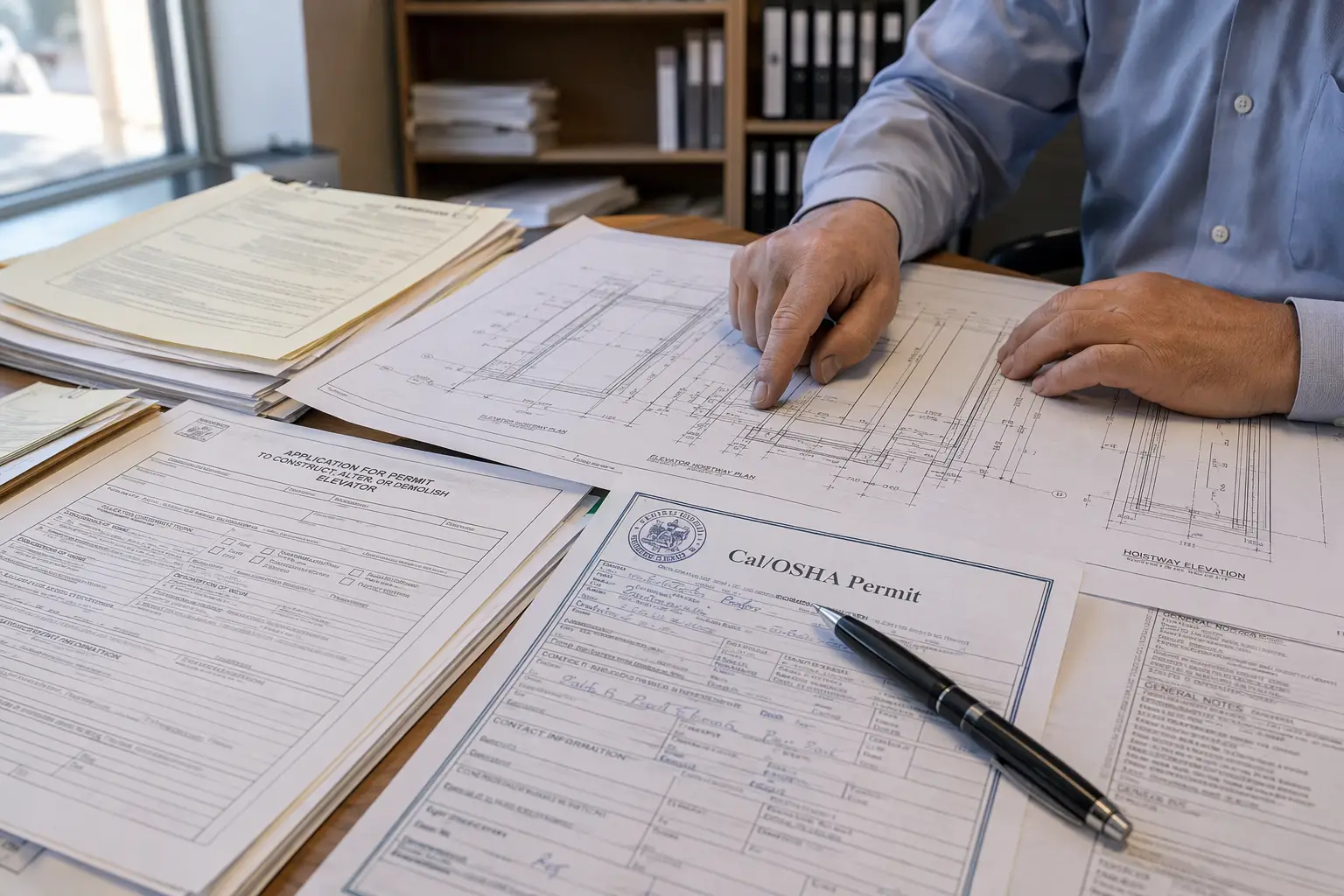
The primary state authority over elevator permits and inspections in California is the Division of Occupational Safety and Health (Cal/OSHA), Elevator Unit, California Department of Industrial Relations. Cal/OSHA issues permits to operate, oversees the certification of conveyance companies and mechanics, and ensures compliance with the California Code of Regulations, Title 8, Elevator Safety Orders.
Los Angeles has its own elevator and conveyance inspection program administered by the City of Los Angeles, Department of Building and Safety (LADBS). Building owners and contractors working within Los Angeles city limits should expect to coordinate with LADBS in addition to — or in some cases instead of — Cal/OSHA’s statewide program. The specifics of the LADBS program should be confirmed directly with the department, as requirements and procedures can change. San Diego projects operate under Cal/OSHA’s statewide framework.
What Permits Are Required Before an Elevator Is Installed or Altered in California?
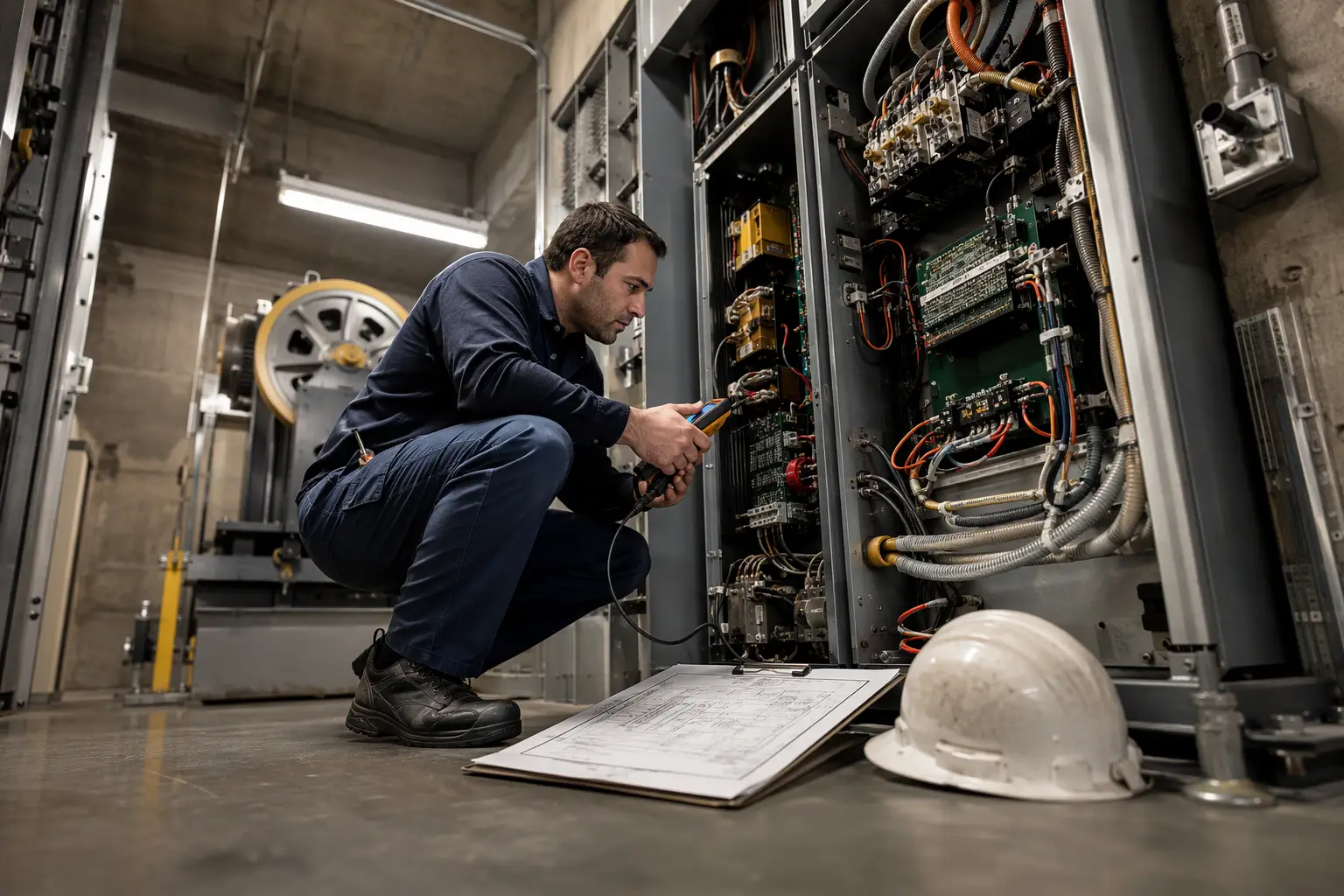
Under California law, a permit from Cal/OSHA is required before a conveyance is erected, installed, or materially altered. No elevator may be placed into service without first receiving a valid permit to operate issued by Cal/OSHA. This means two distinct permit milestones exist for new installations:
- Obtain a Cal/OSHA installation permit before construction or alteration work begins.
- Pass a Cal/OSHA inspection and receive a permit to operate before the elevator is placed in service.
For alteration projects, the same pre-work permit requirement applies. Building owners should factor both permit stages into their project schedules, as delays at either stage can halt construction or prevent occupancy.
How Long Does the Permitting and Inspection Process Take?
California’s elevator permitting and inspection timeline varies based on project type, documentation completeness, agency workload, and whether local programs like LADBS are involved. While no single guaranteed timeline applies to every project, several factors consistently affect scheduling:
- Documentation readiness: Incomplete submittals — such as missing engineering drawings, contractor certifications, or proof of a valid C-11 Elevator Contractor license — are a leading cause of delays. Having all materials prepared before submission can significantly reduce wait times.
- Agency workload: Cal/OSHA’s Elevator Unit processes permits across the entire state. During high-volume periods, review and scheduling windows can extend. Los Angeles’s separate LADBS program operates on its own scheduling calendar, which may differ from Cal/OSHA’s.
- Project complexity: Simple annual reinspections are generally scheduled more quickly than inspections for new installations or major alterations, which require more thorough review.
- Contractor certification status: Only a Cal/OSHA-certified Qualified Conveyance Company (CQCC) may perform installation, alteration, maintenance, or repair work. If a contractor’s CQCC or C-11 credentials are not current, the permit process cannot proceed.
Building owners planning new installations or significant renovations in 2026 are advised to initiate the permitting process well in advance of their target completion date. Waiting until construction is nearly complete before engaging the inspection process is a common and costly mistake.
What Happens During the Annual Reinspection Process?
California law requires every conveyance to be inspected at least once a year. A conveyance found safe receives a permit to operate for up to one year. Notably, Cal/OSHA may issue a permit to operate for up to two years for an elevator in safe condition that is covered by a full maintenance contract with a C-11 licensed elevator company — a meaningful incentive for building owners to maintain active service agreements.
Arranging the annual reinspection is the building owner’s responsibility, not the contractor’s or the agency’s. Owners who allow their permit to operate to lapse risk operating an elevator without a valid permit, which is prohibited under California law. The permit to operate for a passenger, freight, or inclined elevator must be posted conspicuously in the elevator car at all times.
Only State of California safety engineers and Certified Competent Conveyance Inspectors (CCCI) may perform elevator inspections in California. Building owners cannot use an uncertified third-party inspector to satisfy this requirement.
What Steps Should a Building Owner Follow to Get an Elevator Permit and Inspection Scheduled?
- Confirm the elevator contractor holds a current Cal/OSHA CQCC certification and a C-11 Elevator Contractor license issued by the California Contractors State License Board (CSLB).
- Confirm that all mechanics assigned to the project hold current Cal/OSHA Certified Competent Conveyance Mechanic (CCCM) credentials.
- For new installations or alterations, prepare and submit all required documentation — including engineering plans — to Cal/OSHA (and LADBS, if the project is in Los Angeles) to obtain a pre-work permit.
- For Los Angeles projects, contact LADBS directly to understand their specific submittal requirements and scheduling procedures.
- Upon completion of installation or alteration work, request a Cal/OSHA inspection to obtain the permit to operate before placing the elevator in service.
- For annual reinspections, proactively contact Cal/OSHA’s Elevator Unit well before the current permit’s expiration date to schedule the inspection.
- Post the valid permit to operate conspicuously inside the elevator car once it is issued.
- If pursuing the two-year permit option, ensure a full maintenance contract with a CQCC-certified, C-11 licensed company is in place before the inspection.
Who Is Qualified to Work on Elevators in California?
California maintains a layered certification system for elevator work. Only a CCCM working for a CQCC may maintain, repair, alter, or replace components on a conveyance. CQCC certification requires the company to hold a current C-11 contractor license issued by the CSLB and to carry certificates of workers’ compensation and liability insurance. California CQCC, CCCM, and conveyance inspector certificates last two years, and renewal requires at least eight hours of continuing education per certification cycle.
AmeriTex Elevator meets California’s certification requirements, allowing the company to serve building owners in Los Angeles, San Diego, and throughout California’s regulated markets.
Are Any Elevators Exempt from California’s Permit and Inspection Requirements?
California’s elevator law exempts conveyances under federal jurisdiction and conveyances in single-unit private homes that are not accessible to the public. Building owners uncertain whether their equipment qualifies for an exemption should verify their status directly with Cal/OSHA’s Elevator Unit before assuming no permit or inspection is needed.
What Code Standards Apply to Elevators in California?
California has adopted the ASME A17.1/CSA B44 Safety Code for Elevators and Escalators, 2004 edition (Group IV Elevator Safety Orders), effective May 1, 2008, for installation contracts signed on or after that date. As of 2026, California has proposed a Group V update that would incorporate elements of the ASME A17.1-2019 edition; the Standards Board held a public hearing on this proposal on June 18, 2026, but no effective date has been posted. Building owners and contractors should monitor Cal/OSHA’s official communications for updates as the rulemaking process continues.
Federal accessibility requirements under the Americans with Disabilities Act (ADA) also apply to elevators in public accommodations and commercial facilities. Compliance with ADA standards is a separate obligation from state permitting and inspection requirements.
How Does AmeriTex Elevator Support the Permitting and Inspection Process in Los Angeles and San Diego?
AmeriTex Elevator provides certified elevator installation, maintenance, repair, and alteration services across California, including the Los Angeles and San Diego markets. The company’s familiarity with Cal/OSHA’s Elevator Unit processes, LADBS requirements in Los Angeles, and California’s layered certification framework allows it to help building owners anticipate documentation needs, avoid common delays, and maintain compliant, operational elevators year-round. For properties seeking the two-year permit to operate, AmeriTex Elevator offers the full maintenance contracts required to qualify for that extended permit period.
Schedule a free consultation with AmeriTex Elevator at 844-646-9660.
Need elevator service you can rely on? AmeriTex Elevator is ready to help.