Elevator Service in Houston, TX | AmeriTex Elevator
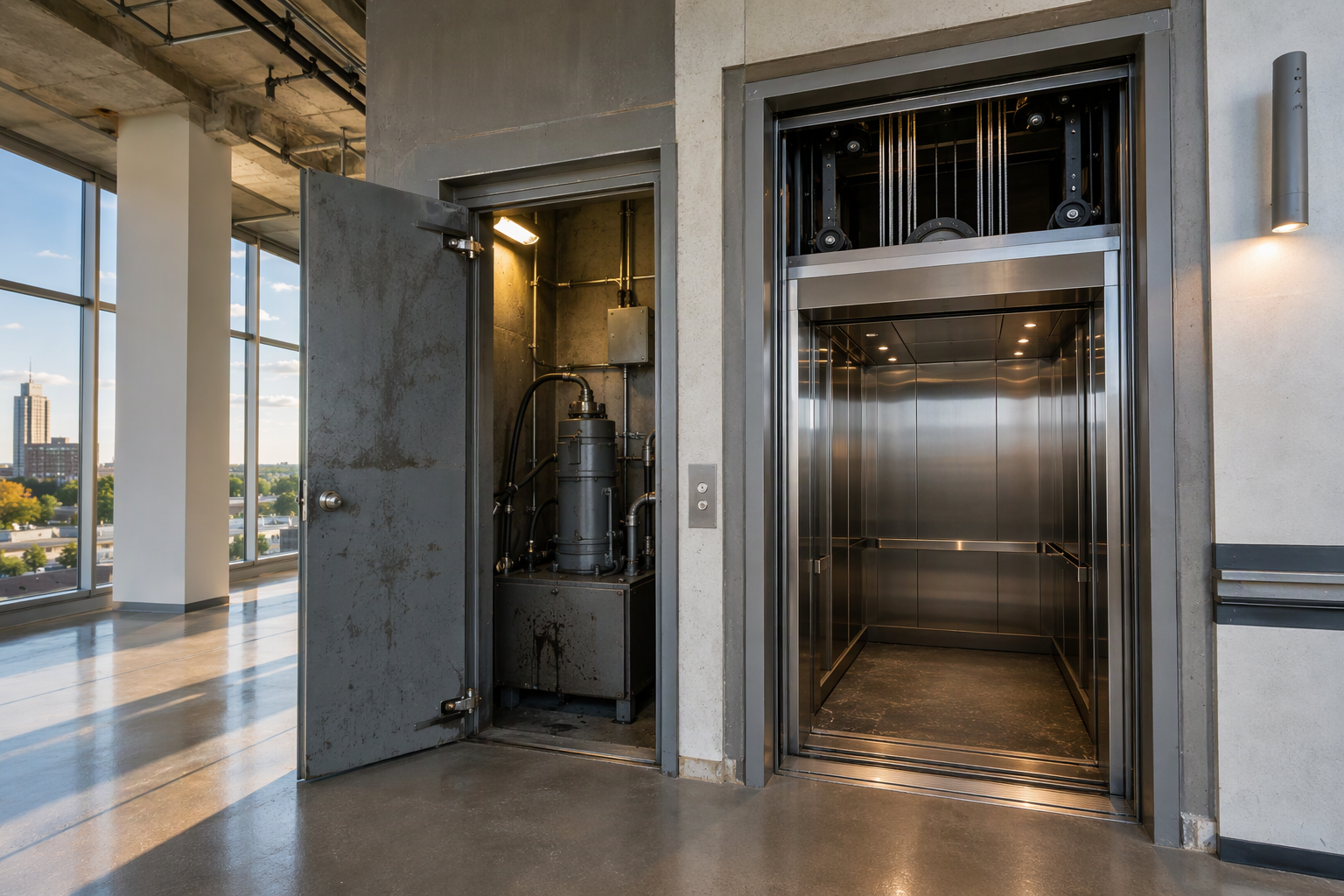
Choosing between a hydraulic and a traction elevator affects every aspect of a building’s vertical transportation—installation scope, energy consumption, maintenance schedule, and long-term code compliance. For building owners and facility managers in Houston, TX, understanding the differences between these two drive systems is essential before committing to new installation, modernization, or an ongoing service agreement. AmeriTex Elevator provides certified elevator service throughout Houston and the surrounding Texas market, helping clients navigate both the technical and regulatory demands of each system type.
What Is the Core Difference Between a Hydraulic and a Traction Elevator?
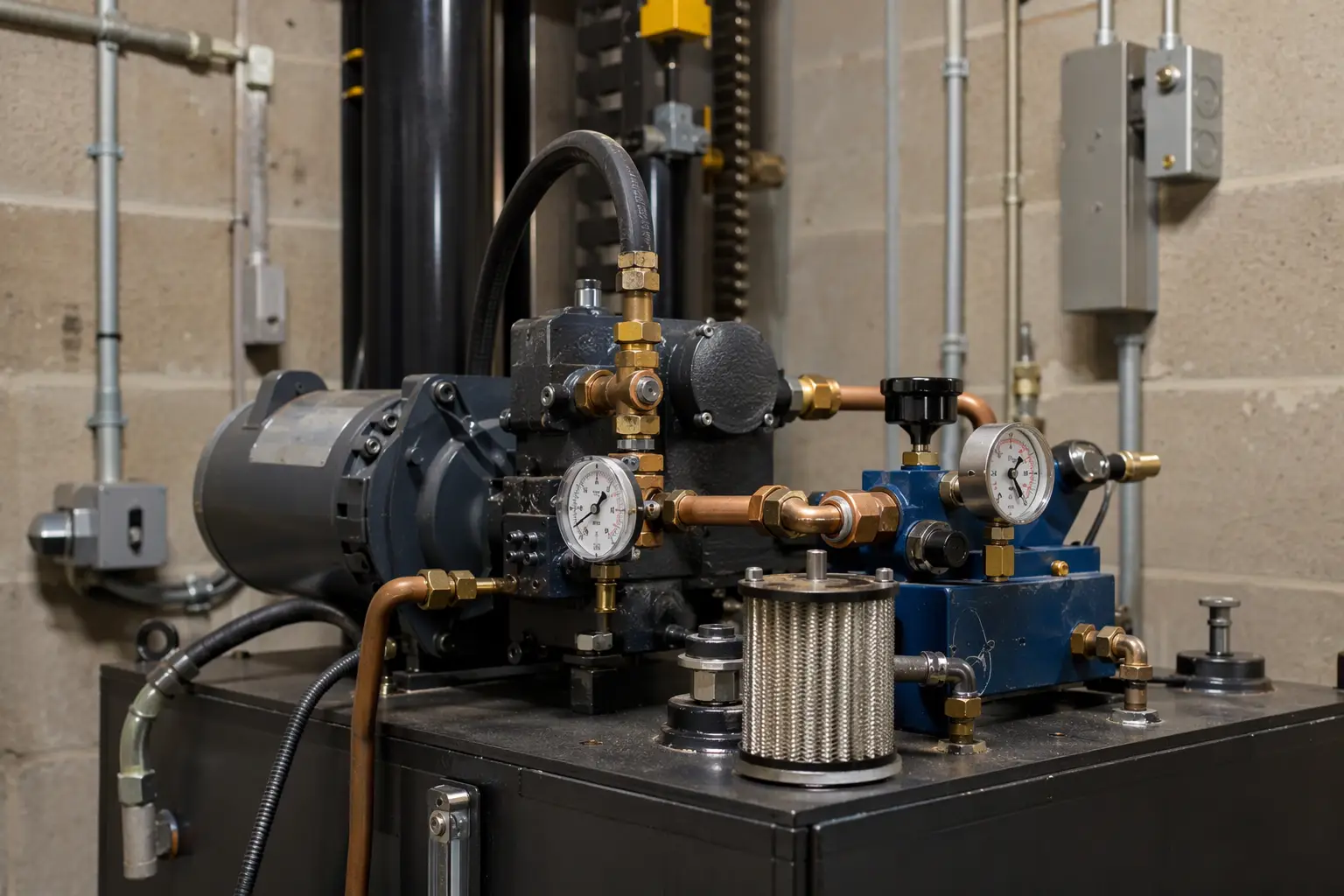
A hydraulic elevator moves the cab by pressurizing fluid—typically oil—that pushes a piston or ram upward. The pump unit sits in a machine room at or below the lowest landing, and the cab descends when the fluid is released back into the reservoir. Because the system relies on fluid pressure rather than a motor pulling cables overhead, hydraulic elevators are well suited to buildings of roughly two to five stories where travel speed is less critical.
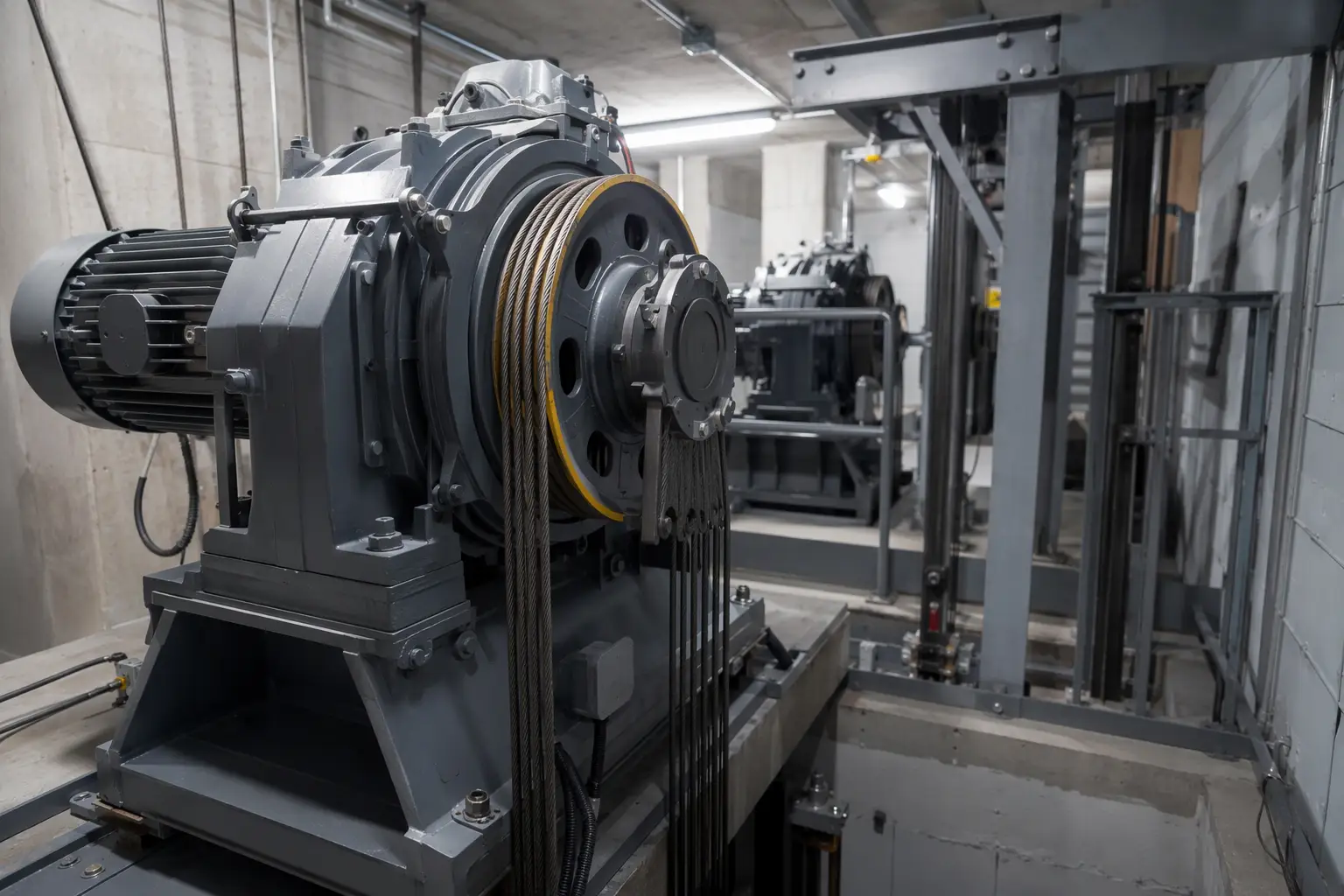
A traction elevator, by contrast, suspends the cab from steel ropes or flat belts that run over a sheave driven by an electric motor. A counterweight offset by roughly half the cab’s rated load reduces the net energy required to move passengers. Traction systems can travel faster and cover far greater rise distances, making them the standard choice in mid-rise and high-rise construction across Houston’s commercial and residential sectors.
Both types must meet the requirements of the ASME A17.1/CSA B44 Safety Code for Elevators and Escalators, which Texas has adopted in its 2016 edition under 16 Texas Administrative Code Chapter 74, effective November 1, 2018.
Which Elevator Type Is Better for Low-Rise Buildings in Houston?
Hydraulic elevators remain the dominant choice for two- to five-story structures—retail centers, medical office buildings, smaller apartment complexes, and parking structures—throughout the Houston metro area. The machine room can be located adjacent to the lowest landing rather than directly above the shaft, which offers architects greater flexibility. Installation costs for hydraulic systems in low-rise applications are generally lower than equivalent traction installations, and pit requirements are typically shallower.
The trade-off is energy efficiency. Hydraulic pumps draw full motor power on every upward trip, whereas a counterweighted traction system consumes considerably less energy over the same duty cycle. Building owners planning for long-term operating costs, sustainability certifications, or high passenger traffic should factor this into the decision. AmeriTex Elevator evaluates each project’s traffic patterns, building height, and mechanical room availability before recommending a drive system.
When Should a Houston Building Choose a Traction Elevator?
Traction elevators are the standard for buildings above five stories and are routinely specified in Houston’s high-rise office towers, hotels, hospitals, and mixed-use developments. Geared traction machines offer a balance of speed and cost for mid-rise travel, while gearless machines—including machine-room-less (MRL) configurations—allow speeds that serve tall structures efficiently.
MRL traction elevators eliminate the dedicated overhead machine room by mounting the drive and control equipment in the hoistway or at the top landing. This reclaims rentable square footage, a significant advantage in Houston’s competitive commercial real estate market. However, MRL systems require specialized maintenance access procedures, and technicians must be thoroughly familiar with the specific drive and control platform. AmeriTex Elevator services both conventional traction and MRL systems across Houston and the broader Texas market.
Texas also mandates a Category 5 full-load test every five years specifically on electric traction elevators, a requirement that building owners should schedule proactively to avoid certificate lapses.
What Are Houston’s Regulatory Requirements for Elevator Inspections?
Houston operates its own elevator inspection program within city limits. The Texas Department of Licensing and Regulation (TDLR) administers the statewide elevator program under Texas Health and Safety Code Chapter 754 and 16 Texas Administrative Code Chapter 74, but TDLR does not regulate elevators or escalators inside Houston city limits—the City of Houston runs its own program. Building owners with properties inside city limits should confirm current inspection and certificate requirements directly with the City of Houston.
For properties outside Houston city limits that fall under TDLR jurisdiction, Texas law requires:
- Annual inspection by a TDLR-registered elevator inspector selected by the building owner.
- A TDLR Certificate of Compliance for each unit, valid for one year, displayed in a publicly visible area of the building.
- Cited violations corrected or under contract to be corrected within 30 days of the inspection, or a waiver or delay obtained from TDLR.
- Accident reporting to TDLR within 24 hours of any incident involving elevator equipment.
- A Category 5 full-load test every five years for electric traction elevators.
Regardless of jurisdiction, Texas law also requires that a registered contractor—one carrying at least $1,000,000 per occurrence in general liability insurance for bodily injury or death—perform all installation, repair, alteration, testing, and maintenance work. AmeriTex Elevator maintains its TDLR contractor registration and required insurance coverage to serve clients throughout Texas.
How Do Hydraulic and Traction Systems Compare on Maintenance Needs?
Hydraulic systems require periodic inspection of the hydraulic fluid, pump unit, valves, and cylinder seals. Fluid leaks are the most common maintenance issue; underground single-bottom cylinders in older installations carry an environmental concern if the casing deteriorates, which is why many property owners opt to modernize to above-ground holeless or roped-hydraulic configurations. Valve and seal servicing intervals depend on duty cycle, fluid condition, and the equipment manufacturer’s specifications.
Traction systems require attention to rope or belt condition, sheave grooves, brake assemblies, and the drive and control package. MRL traction systems add considerations around hoistway-mounted components that must be accessed without a traditional machine room. Both system types benefit from a preventive maintenance program aligned with the manufacturer’s guidelines and the inspection requirements of the applicable authority having jurisdiction.
AmeriTex Elevator provides preventive maintenance programs for both hydraulic and traction elevators, tailored to each building’s duty cycle and the requirements of the local authority having jurisdiction in Houston and across Texas.
What Happens If an Elevator Is Taken Out of Service in Texas?
Texas law specifies two conditions under which a passenger elevator must be removed from service immediately: the absence of working door restrictors, and the absence of firefighters’ service or non-working Phase One firefighters’ service. Building owners who discover either condition should cease operation of the affected unit and arrange for a registered contractor to restore compliance before returning the elevator to service.
When an accident involving elevator equipment occurs anywhere in Texas, the building owner must report it to the appropriate authority within 24 hours. Inside Houston city limits, owners should follow the City of Houston’s reporting procedures in addition to any applicable state requirements.
How Should a Building Owner Prepare for a Hydraulic or Traction Elevator Modernization?
- Assess current equipment condition, including control systems, cab interiors, door operators, and drive components, to determine whether full replacement or targeted modernization is more cost-effective.
- Confirm whether the existing system type still meets the building’s traffic demand and travel height—some hydraulic installations in buildings that have added floors may be better served by converting to traction.
- Engage a TDLR-registered elevator contractor to review the project scope and submit plans to the appropriate authority for approval before work begins. Inside Houston city limits, plans go to the City of Houston’s program; outside city limits, the contractor coordinates with TDLR.
- Verify that the modernization will bring the installation into compliance with the adopted edition of the ASME A17.1/CSA B44 Safety Code for Elevators and Escalators and any locally applicable amendments.
- Schedule the post-completion inspection and obtain the required Certificate of Compliance or city permit before returning the unit to passenger service.
- Update the preventive maintenance program to reflect the new equipment’s manufacturer specifications and applicable inspection intervals.
Does the ADA Apply Differently to Hydraulic Versus Traction Elevators?
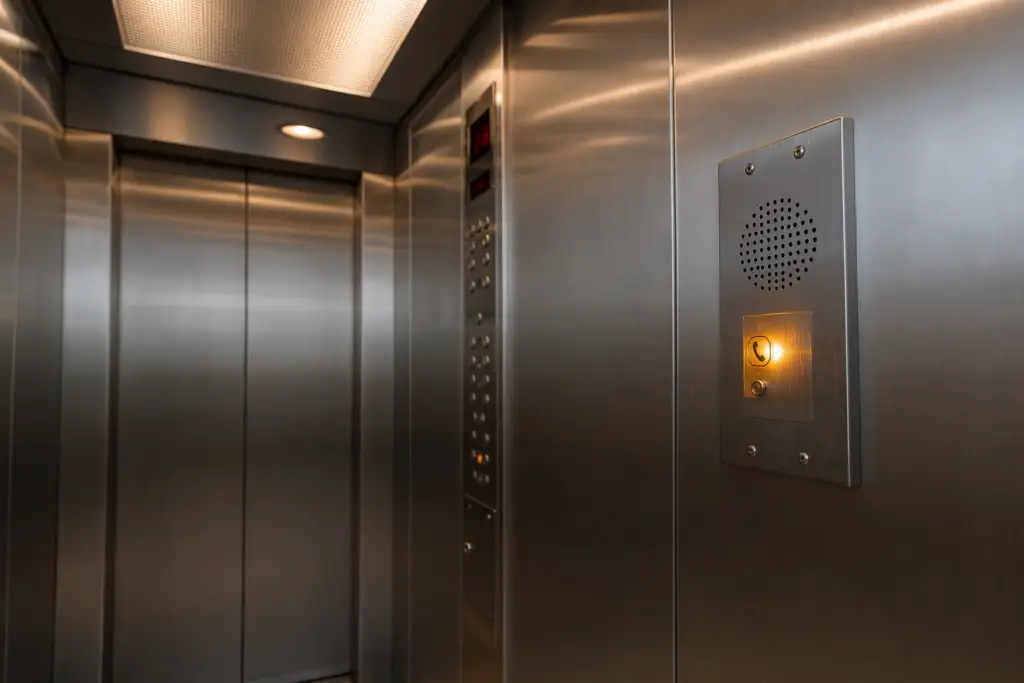
The Americans with Disabilities Act governs accessible design requirements for elevator cabs, controls, and door operation regardless of drive system type. Both hydraulic and traction elevators in public accommodations and commercial facilities must meet ADA Standards for Accessible Design. Drive system type does not create an exemption from accessibility requirements; the obligation to provide accessible vertical transportation applies to the cab and its interface with passengers, not to the mechanical system beneath the floor.
Building owners planning modernizations should use the project as an opportunity to audit cab dimensions, control panel heights, door timing, and auditory and visual indicators against current ADA guidance. AmeriTex Elevator incorporates accessibility reviews into its modernization assessments for Houston-area properties.
Schedule a free consultation with AmeriTex Elevator at 844-646-9660.
Need elevator service you can rely on? AmeriTex Elevator is ready to help.