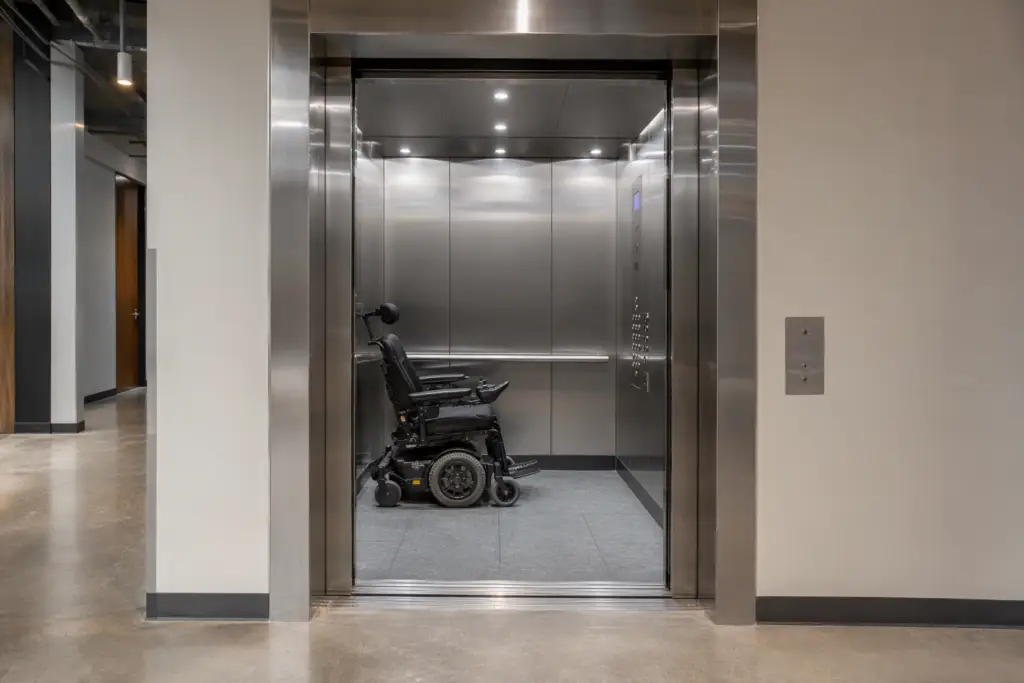
Stuck Between Floors: What to Do, Why It Happens, and How to Prevent It
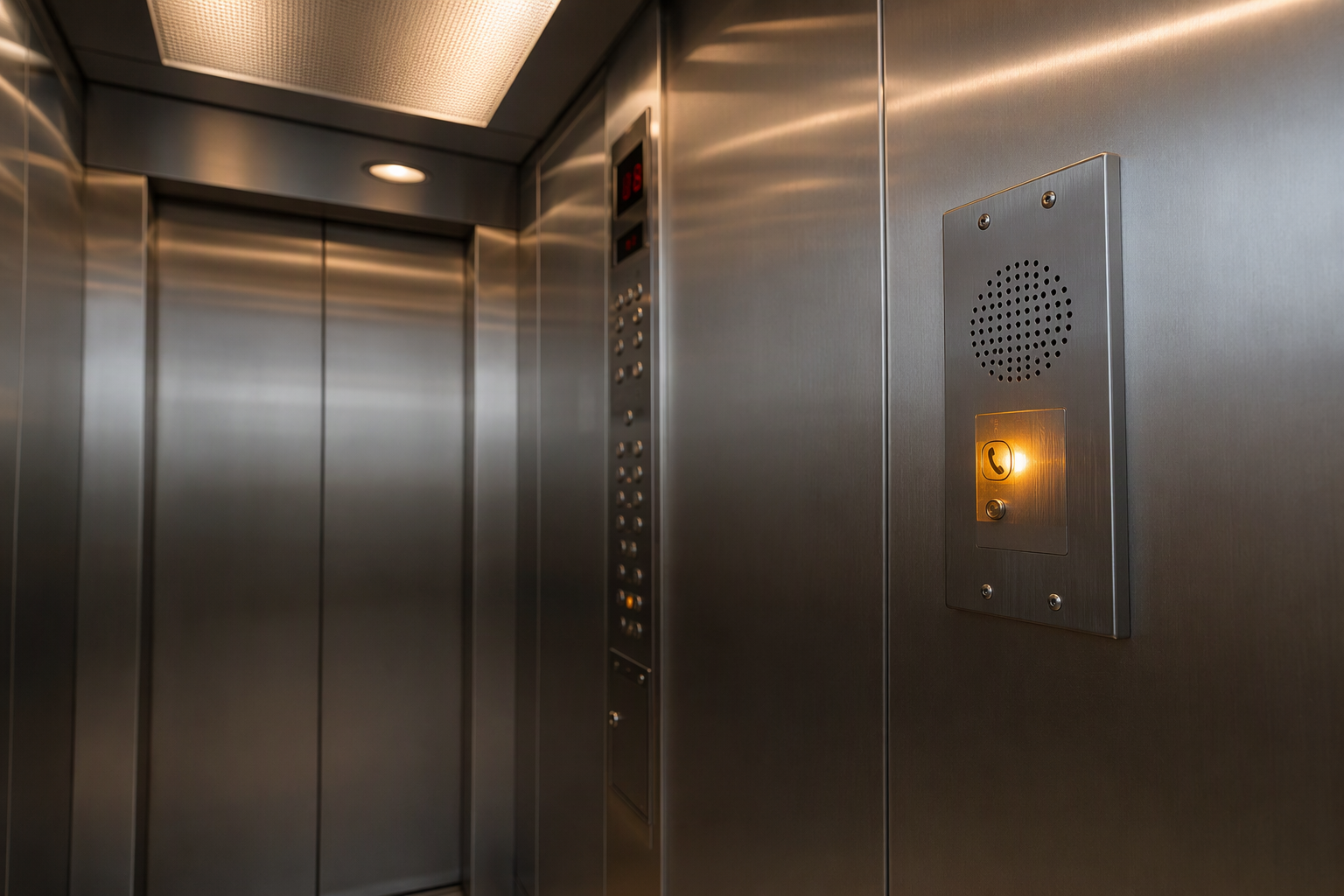
An elevator stopping between floors is one of the most disorienting situations a building occupant can experience. Whether it happens in a Houston high-rise, a Los Angeles office tower, or a San Antonio medical facility, the response — and the mechanical causes behind it — follow consistent patterns rooted in federal safety codes and state regulatory requirements. This hub page answers every question passengers, building owners, and facilities managers commonly ask about stuck elevators, covering immediate safety steps, root causes, inspection obligations, and long-term prevention strategies.
What Should You Do Immediately If You Are Stuck Between Floors in an Elevator?
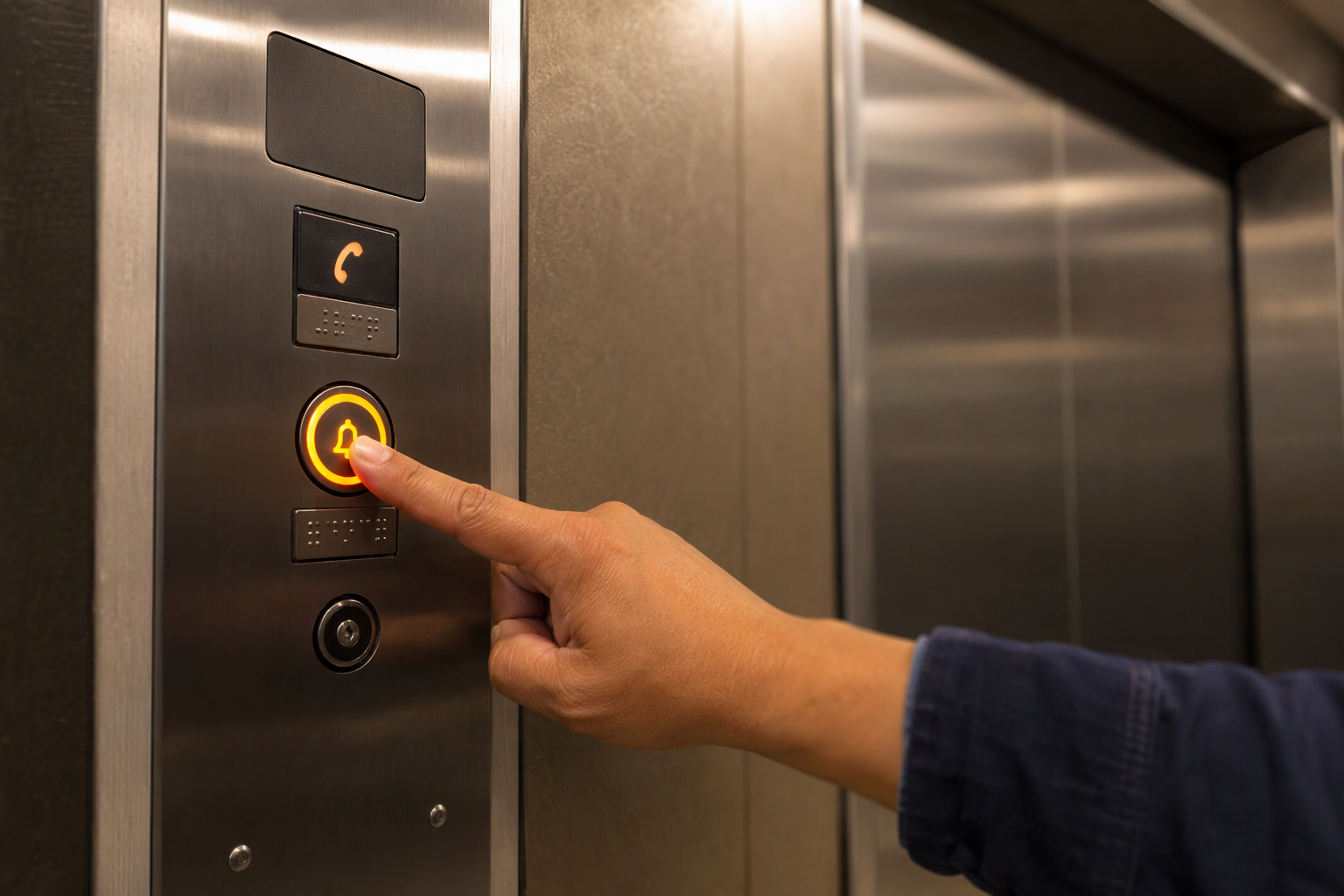
Stay calm, use the emergency communication system inside the cab, and wait for trained rescue personnel — do not attempt to force open doors, pry apart panels, or climb out of the cab under any circumstances.
When an elevator stops between floors, the safest action is a controlled wait. Modern elevators built or modernized under ASME A17.1 Safety Code for Elevators and Escalators are engineered with multiple redundant safety devices, including car safeties, governor systems, and interlocked door restrictors, specifically to protect occupants during an unexpected stop. The cab itself is the safest place to be until trained technicians arrive.
- Press the emergency alarm button. Every ASME A17.1-compliant elevator must have an audible alarm that sounds continuously when the button is held, alerting people outside the shaft.
- Use the two-way emergency telephone or intercom. Federal accessibility standards under the Americans with Disabilities Act (ADA) require a two-way voice communication system in elevator cabs. Press the phone button or lift the handset to reach a monitoring center or building security.
- Turn on the emergency lighting if the cab goes dark. ASME A17.1 mandates emergency lighting that activates automatically on power loss, but you can test it manually.
- Notify emergency services if the communication system fails. Call 911 from a cell phone if the internal phone is not functioning.
- Keep passengers calm and seated if possible. Instruct anyone in the cab to sit on the floor along the wall to lower their center of gravity, particularly if the cab has vibrated or jolted.
- Do not attempt to open doors manually or force the elevator to move. Opening hoistway doors while the cab is between landings creates a fall hazard into the shaft. Door restrictors required by ASME A17.1 and Texas state rules are designed to prevent this, but passenger interference can override them.
- Wait for the rescue crew. Qualified elevator mechanics perform a controlled lowering or manual leveling procedure that brings the cab to the nearest landing before opening any doors.
Why Do Elevators Stop Between Floors?
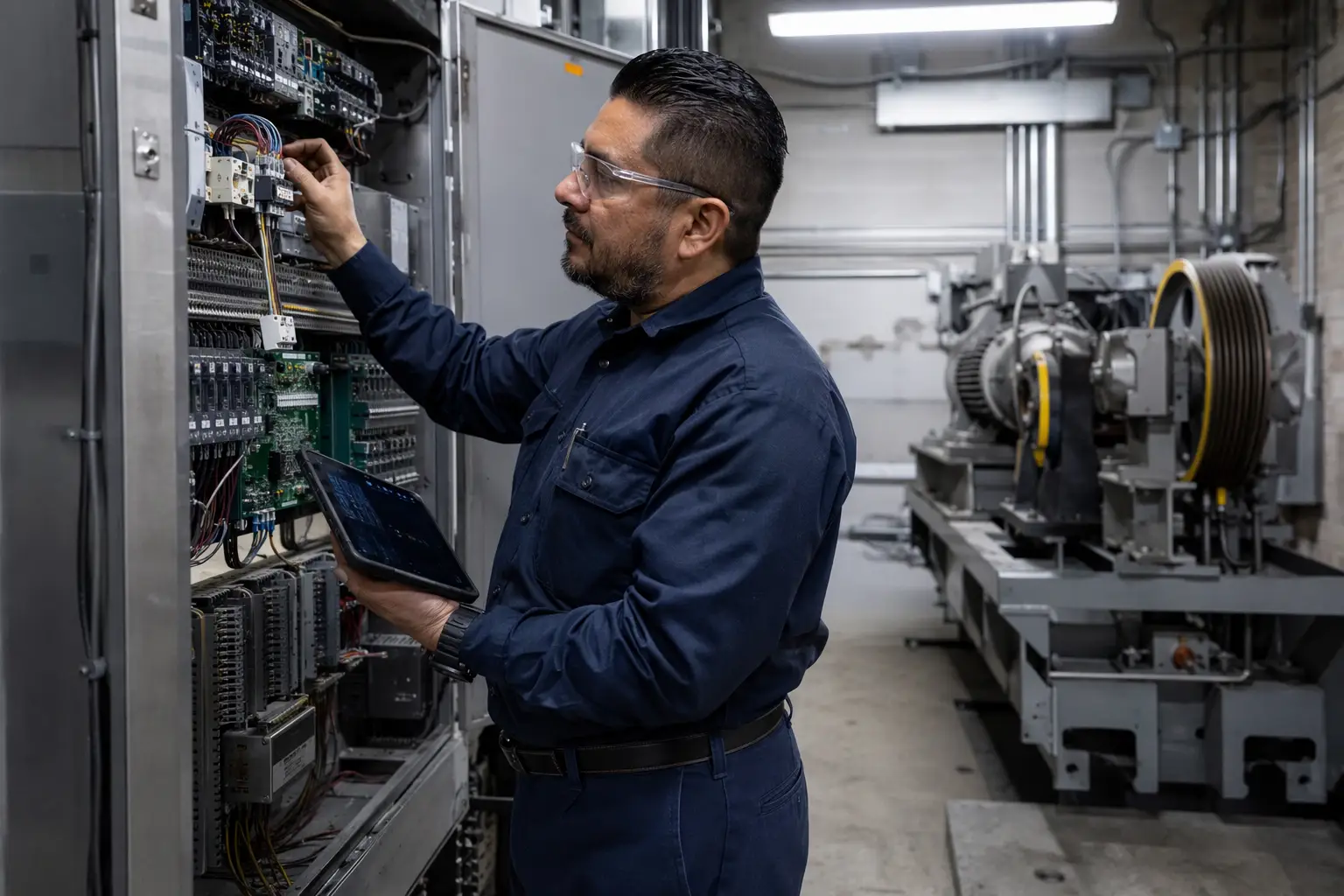
Elevators stop between floors most often due to electrical faults, mechanical component failures, door system malfunctions, or safety device activations triggered by real or perceived hazards.
The control system in a modern traction or hydraulic elevator continuously monitors dozens of inputs. When any sensor — a door contact, a motor overtemperature switch, a governor, or a landing sensor — signals an out-of-tolerance condition, the controller commands an emergency stop to protect passengers and equipment. Common specific causes include:
- Power interruptions or voltage fluctuations: Even a momentary brownout can trip the drive controller, leaving the cab between landings until power restores and the controller resets.
- Door zone faults: If the cab stops just outside a floor’s door zone, the interlocked system will not allow doors to open, holding passengers inside until the cab is leveled manually or automatically.
- Worn or misaligned door operator components: Gate switches, vane cams, and door rollers that have drifted out of adjustment are a leading source of nuisance stops.
- Governor or safety device activation: If the cab exceeds its rated speed in descent, the governor trips the safeties, clamping the guide rails and holding the cab in place — exactly the scenario the system is designed for.
- Hydraulic fluid loss or pump failure: In hydraulic elevators, a low-fluid condition or pump relay failure causes the cab to drift down and stop when it cannot maintain pressure.
- Overloaded cab: Exceeding the rated capacity can trip overload sensors and halt the cab.
- Deferred maintenance: Worn brake linings, degraded rope lubrication, and dirty controller contacts increase the probability of unplanned stops significantly over time.
Is It Safe to Stay Inside an Elevator That Is Stuck Between Floors?
Yes — in virtually all cases, the safest place for passengers is inside the cab, because the elevator’s engineered safety systems are actively protecting them from shaft hazards.
The ASME A17.1 code requires a layered set of protective devices — safeties, buffers, interlocked doors, and emergency lighting — that together make the stopped cab far safer than any self-rescue attempt. Fatalities and serious injuries associated with elevator entrapments have consistently involved passengers who exited through partially open doors while the cab was between landings, not passengers who waited for professional rescue.
Ventilation is another common passenger concern. Elevator cabs are not airtight; gaps around door panels, vents, and shaft openings maintain continuous airflow. However, if someone in the cab has a medical emergency, that is a reason to contact emergency services rather than to attempt a self-rescue.
How Is an Elevator Rescue Actually Performed?
A trained elevator mechanic performs a controlled manual lowering or machine room reset procedure that brings the cab level with the nearest floor landing before any doors are opened.
The exact procedure depends on elevator type and the nature of the fault:
- Mechanic arrives at the machine room or machinery space. The technician isolates the problem using controller diagnostics before touching any mechanical component.
- Power is managed safely. Depending on the fault, the mechanic may need to work with power on under controlled conditions to operate the brake-release mechanism.
- Manual lowering or inching: On traction elevators, the mechanic uses the brake-release handle and manual drive to inch the cab down to the nearest landing. On hydraulic elevators, a manual lowering valve is used.
- Door zone confirmation: The mechanic confirms the cab is within the door zone (typically ±3 inches of the landing sill per ASME A17.1) before authorizing door opening.
- Passengers are escorted out at the landing. Doors are opened only after the cab is confirmed level and stable.
- Fault diagnosis and documentation: The mechanic documents the fault code, inspects causative components, and determines whether the elevator may be returned to service or must remain out of service pending repairs.
In Texas, building owners are required to report accidents involving elevator equipment to the Texas Department of Licensing and Regulation (TDLR) within 24 hours under Texas Health and Safety Code Chapter 754. In California, Cal/OSHA’s Elevator Unit under the California Department of Industrial Relations governs reportable incidents for elevators covered under California Labor Code Sections 7300–7324.2.
What Federal Codes Govern Elevator Safety During Entrapments?
The primary federal technical standard is ASME A17.1, the Safety Code for Elevators and Escalators, which specifies the design, construction, and maintenance requirements that prevent and manage between-floor stops.
ASME A17.1 addresses entrapment prevention through several mandatory subsystems: car safety devices, governor systems, door restrictors that prevent hoistway door opening when the cab is more than a specified distance from the landing, emergency lighting, two-way communication, and emergency operation procedures. The ADA adds requirements for accessible two-way voice communication so that passengers with disabilities can call for help independently. OSHA standards cover the working conditions under which elevator mechanics perform rescues, including lockout/tagout and confined space considerations when working in machine rooms and pits.
What Are the Texas-Specific Inspection Requirements That Help Prevent Stuck Elevators?
Texas building owners must have elevators inspected annually by a TDLR-registered elevator inspector and must obtain a Certificate of Compliance for each unit, with identified violations corrected or under contract for correction within 30 days.
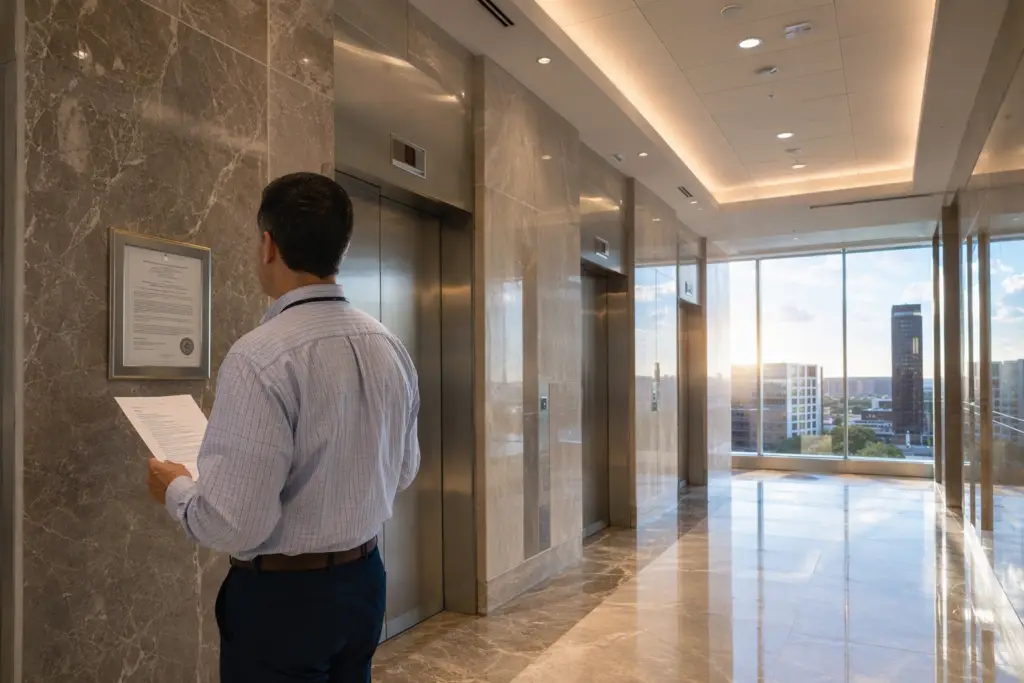
Under Texas Health and Safety Code Chapter 754 and 16 Texas Administrative Code Chapter 74, the state has adopted ASME A17.1/CSA B44, 2016 edition as its technical standard. Texas also requires a Category 5 full-load test every five years on electric traction elevators — a comprehensive safety test that exercises the governor, safeties, and braking system under full rated load, directly addressing the mechanical conditions most likely to cause or worsen a between-floor stop. The Certificate of Compliance must be displayed in a publicly visible area of the building.
An important jurisdictional note: TDLR does not regulate elevators inside Houston city limits. The City of Houston operates its own elevator inspection program, and building owners with equipment in Houston should confirm compliance requirements directly with the city.
In Texas, a passenger elevator without working door restrictors must be removed from service immediately — a rule that directly addresses the most dangerous aspect of a between-floor entrapment scenario. Similarly, an elevator without functioning Phase One firefighters’ service must also be taken out of service immediately.
What Are the California-Specific Inspection Requirements That Help Prevent Stuck Elevators?
California requires every conveyance to be inspected at least once per year, and no elevator may operate without a valid permit to operate issued by Cal/OSHA’s Elevator Unit.
Under California Labor Code Sections 7300–7324.2 and the California Code of Regulations, Title 8, Elevator Safety Orders (Sections 3000–3146), the state has adopted ASME A17.1/CSA B44, 2004 edition as its technical standard for equipment covered by the Group IV Elevator Safety Orders (effective May 1, 2008). Inspections may only be performed by State of California safety engineers or Certified Competent Conveyance Inspectors (CCCI). The permit to operate must be posted conspicuously inside the elevator car.
California’s permit system creates a direct link between inspection outcomes and operating authority: an elevator that fails inspection cannot legally operate until deficiencies are corrected and the permit is reinstated. This regulatory structure means that the mechanical causes of between-floor stops — worn door operators, degraded safeties, failing controllers — should be identified and corrected during the annual inspection cycle before they strand passengers.
Los Angeles building owners should note that the City of Los Angeles operates its own elevator and conveyance inspection program through the Department of Building and Safety (LADBS), separate from the state Cal/OSHA program. Building owners in Los Angeles should verify their compliance obligations with LADBS directly.
Only a Certified Competent Conveyance Mechanic (CCCM) working for a Certified Qualified Conveyance Company (CQCC) may maintain, repair, alter, or replace components on a California conveyance — a requirement that ensures the technician performing a rescue or post-entrapment repair holds verifiable state credentials.
How Do Door Restrictors Prevent Passengers From Self-Rescuing Dangerously?
Door restrictors are mechanical devices that physically prevent hoistway doors from opening more than a few inches when the cab is not within the designated door zone at a landing, stopping passengers from stepping out into an open shaft.
Under ASME A17.1, door restrictors (also called door interlocks) are a mandatory safety element. When a cab stops between floors, the restrictor keeps the hoistway door locked from the landing side even if someone applies force to it. Texas law makes this requirement especially explicit: a passenger elevator without working door restrictors must be removed from service immediately. This rule reflects the reality that improvised self-rescue attempts — passengers prying open doors and stepping out when the cab is not at floor level — are a primary mechanism of serious elevator-related injuries.
Restrictors require periodic inspection and adjustment. Worn rollers, corroded locking bolts, and misaligned cams can degrade restrictor effectiveness even when the device appears intact. This is one reason that the annual inspection cycle required in both Texas and California directly reduces entrapment injury risk.
What Are the Most Common Mechanical Failures That Lead to Between-Floor Stops?
The most common mechanical causes are door system faults, control system malfunctions, brake wear, and hydraulic system failures, each of which can be identified and addressed through regular preventive maintenance.
| Failure Category | Common Specific Cause | Elevator Types Affected | Primary ASME A17.1 Concern | Preventive Measure |
|---|---|---|---|---|
| Door System | Worn gate switches, misaligned vane cams, failed door operator motor | Traction and hydraulic | Door zone safety, restrictor function | Annual door adjustment and component inspection |
| Control System | Faulty relay, failed drive board, corrupted software parameter | Traction and hydraulic | Emergency stop reliability | Controller diagnostics during routine maintenance visits |
| Braking System | Worn brake lining, sticky brake coil, out-of-adjustment brake spring | Electric traction | Stopping distance, overspeed protection | Category 5 full-load test (every 5 years in Texas); annual brake checks |
| Hydraulic System | Low fluid, pump relay failure, ruptured underground cylinder | Hydraulic | Leveling accuracy, lowering valve function | Fluid level checks, annual pressure tests |
| Electrical Supply | Voltage sag, phase loss, tripped disconnect | All types | Emergency power and lighting | Power quality monitoring, dedicated circuit inspection |
| Governor and Safety | Governor rope wear, safety jaw corrosion, out-of-calibration governor | Electric traction | Overspeed protection, car safety activation | Annual governor trip test, Category 5 safety test cycle |
How Often Should Elevators Be Inspected to Minimize the Risk of Getting Stuck?
Both Texas and California require annual inspections at minimum, and elevators under full maintenance contracts in California may qualify for a permit to operate extending up to two years — but annual or more frequent preventive maintenance visits are the standard of care.
Inspection intervals set the legal floor, not the operational ceiling. Under ASME A17.1 and its companion standard ASME A17.3 for existing installations, routine maintenance tasks — lubrication, adjustment, cleaning, and component testing — should occur on a schedule tied to equipment use and age, not simply to the annual inspection date. High-traffic elevators in commercial buildings, hospitals, and parking structures typically require more frequent service intervals than the annual inspection alone provides.
California law allows Cal/OSHA to issue a permit to operate for up to two years for an elevator in safe condition covered by a full maintenance contract with a company holding a C-11 Elevator Contractor license. This provision recognizes that continuous maintenance coverage reduces risk, but it does not reduce the owner’s obligation to arrange the annual reinspection — that responsibility rests with the building owner under California law.
Who Is Legally Responsible When a Passenger Gets Stuck in an Elevator?
Legal responsibility typically falls on the building owner, who has the statutory duty to maintain equipment in safe operating condition under both Texas and California law, though liability analysis in specific incidents involves multiple parties including maintenance contractors.
Under Texas Health and Safety Code Chapter 754, the building owner is responsible for maintaining a valid Certificate of Compliance and for having cited violations corrected within the statutory timeframe. Under California Labor Code Sections 7300–7324.2, arranging the annual reinspection is the elevator owner’s responsibility, and no elevator may operate without a valid Cal/OSHA permit to operate. These statutory duties create the foundation of an owner’s duty of care toward passengers.
Maintenance contractors share responsibility to the extent that the entrapment resulted from negligent service or failure to identify and report deficiencies discovered during maintenance. In Texas, registered elevator contractors must carry general liability insurance of at least $1,000,000 per occurrence for bodily injury or death and $500,000 per occurrence for property damage, reflecting the significance of this exposure.
What Should Building Owners Do Immediately After a Stuck-Elevator Incident?
Building owners should ensure all passengers are safely evacuated, preserve any fault data from the elevator controller, document the incident thoroughly, and report the event to the appropriate regulatory authority within the required timeframe.
- Confirm all passengers are safely evacuated and assess whether anyone requires medical attention.
- Place the elevator out of service and post clear signage at every landing until a qualified technician clears the unit for return to service.
- Contact your elevator maintenance contractor to dispatch a qualified mechanic for fault diagnosis and inspection.
- Preserve controller fault logs — most modern controllers store a fault history that is critical for root-cause analysis. Request that the technician document and retain this data.
- Document the incident in writing — time, duration, number of passengers, nature of the stop, and any complaints of injury or distress.
- Report to the regulator within the required timeframe. In Texas, accidents involving elevator equipment must be reported to TDLR within 24 hours. In California, consult the Cal/OSHA Elevator Unit for applicable incident reporting obligations.
- Cooperate fully with any regulatory inspection that follows the incident report.
How Can Building Owners Prevent Elevator Entrapments Through Maintenance Contracts?
A comprehensive full-service maintenance contract covering all parts, labor, callbacks, and regular adjustment visits is the most effective operational tool building owners have to prevent between-floor stops.
Maintenance contract structures vary significantly. A thorough full-service agreement covers lubrication, adjustment, cleaning, minor parts replacement, and emergency callback response — addressing the wear and drift that cause most entrapments. Owners evaluating contracts should look specifically for coverage of door operator components (the leading cause of nuisance stops), controller diagnostics, brake adjustments, and governor tests.
AmeriTex Elevator provides elevator maintenance programs for commercial and residential properties across Houston, Dallas, Austin, San Antonio, Los Angeles, and San Diego. When evaluating a maintenance provider in California, building owners should confirm that the contractor holds both a C-11 Elevator Contractor license from the California Contractors State License Board (CSLB) and CQCC certification from Cal/OSHA, as both are required by state law. In Texas, the contractor must be registered with TDLR as a registered elevator contractor.
What Is the ADA’s Role in Elevator Emergency Communication During a Between-Floor Stop?
The ADA requires elevator emergency communication systems that are accessible to people with hearing impairments, ensuring that all passengers — regardless of disability — can summon help when stuck between floors.
ADA Standards for Accessible Design require two-way communication systems in elevator cabs to include both audible and visible signals. This means a passenger who is deaf or hard of hearing must be able to both send a call for help and receive confirmation that the call has been received through visual indicators. For building owners, this translates into an obligation to test and maintain not just the voice channel of the emergency telephone, but also any visual alert components integrated into the communication panel.
California’s regulatory picture on this point involves some complexity: the Cal/OSHA Elevator Safety Orders adopt ASME A17.1-2004, while subsequent California Building Code editions have addressed two-way communication requirements. Building owners and contractors in California should consult with the Cal/OSHA Elevator Unit and their design professionals for current requirements applicable to their specific installation.
How Long Does It Typically Take to Be Rescued From a Stuck Elevator?
Rescue time depends on the building’s maintenance contract response provisions, the nature of the fault, and the location of the nearest available mechanic — which is why callback response coverage is a critical element of any maintenance agreement.
Buildings without 24-hour emergency callback coverage face longer entrapment durations because they depend on emergency services or on-call personnel who may not carry the specialized tools required for a controlled manual lowering. Elevators in hospitals, senior living facilities, and high-rise residential buildings present heightened duty-of-care obligations precisely because the passenger population may include individuals for whom even a brief entrapment creates a medical risk.
AmeriTex Elevator serves building owners across Texas and California markets including Houston, Dallas, Austin, San Antonio, Los Angeles, and San Diego. Building owners can discuss callback coverage structures directly with AmeriTex Elevator to understand what service levels are available for their property type and location.
What Should Property Managers Tell Tenants About Elevator Safety Before an Incident Occurs?
Proactive tenant education — posted clearly in elevator lobbies and covered in building orientation materials — dramatically reduces the risk of passenger self-rescue injuries during entrapments.
Recommended elements of a tenant communication plan include:
- Posted instructions inside every elevator cab explaining how to use the emergency phone or intercom
- Building-wide notification of the emergency callback number for elevator issues
- Clear messaging that passengers should never attempt to force open doors or exit between floors
- Identification of the building’s elevator maintenance contractor and how to reach them after hours
- Instructions for tenants with disabilities on how to activate the accessible features of the emergency communication system
In Texas, the Certificate of Compliance must be displayed in a publicly visible area of the building, and in California, the permit to operate must be posted conspicuously inside the elevator car — both of which give passengers visible confirmation that the equipment has been legally inspected. Ensuring these documents are current and legibly posted is a minimum compliance obligation and also signals to passengers that the building takes elevator safety seriously.
What Happens to an Elevator’s Certification Status After a Stuck-Elevator Incident?
Depending on the severity and cause of the entrapment, the elevator’s permit to operate or Certificate of Compliance may be suspended pending a regulatory inspection, particularly if the incident involved a reportable accident or indicates a systemic safety deficiency.
In Texas, building owners must report accidents involving elevator equipment to TDLR within 24 hours. Following a report, TDLR may dispatch an inspector to review the equipment before it is returned to service. In California, the Cal/OSHA Elevator Unit has authority to investigate incidents and can require that an elevator remain out of service until deficiencies are corrected and re-inspection confirms safe operating condition. No California elevator may legally operate without a valid, current permit to operate.
Even in cases where a between-floor stop does not rise to the level of a reportable accident, the building owner should treat the incident as a maintenance trigger — requesting a full fault analysis from the elevator contractor and documenting the corrective action taken.
How Do New Elevator Technologies Reduce the Risk of Getting Stuck Between Floors?
Modern elevator technologies — including remote monitoring systems, predictive diagnostics, and advanced drive controllers — give maintenance teams real-time visibility into the mechanical and electrical conditions that precede between-floor stops, enabling intervention before a fault becomes an entrapment.
Remote monitoring platforms continuously collect data from controller fault logs, door operator cycle counts, motor current draw, and leveling accuracy. When parameters drift outside acceptable ranges, the system alerts the maintenance team proactively. This predictive approach contrasts with the traditional reactive model where faults are discovered only after they strand a passenger.
Modernization projects that upgrade older relay-logic controllers to microprocessor controls, replace worn hydraulic cylinders, or install new door operators can substantially reduce the frequency of service interruptions. Under ASME A17.3, existing elevators are subject to retrofitting requirements when alterations are made, ensuring that modernization work meets current safety standards. In California, any material alteration requires a Cal/OSHA permit before work begins. In Texas, registered contractors must submit plans to TDLR and obtain approval before installing or altering elevator equipment.
When Should a Building Owner Call AmeriTex Elevator After a Stuck-Elevator Incident?
A building owner should contact a qualified elevator service company immediately after any between-floor stop — before returning the elevator to service — to perform fault diagnosis, document findings, and determine whether repairs are required.
AmeriTex Elevator serves commercial and residential properties throughout Houston, Dallas, Austin, San Antonio, Los Angeles, and San Diego. After an entrapment incident, a thorough post-event inspection by a qualified contractor accomplishes several important objectives: it confirms the equipment is safe to return to service, produces documentation useful for regulatory compliance and liability management, identifies whether the root cause requires immediate repair or adjusted maintenance intervals, and creates a written record of corrective action taken. Building owners and facilities managers who do not have an existing maintenance relationship should use a stuck-elevator incident as a prompt to evaluate their current service coverage and consider whether a full-service maintenance contract is appropriate for their property.
How Do You Choose the Right Elevator Service Company to Prevent and Respond to Stuck-Elevator Situations?
The right elevator service company should hold all required state registrations and certifications, offer full-service maintenance coverage with emergency callback, employ mechanics qualified to work in your state, and demonstrate familiarity with the specific equipment installed in your building.
In California, verify that any contractor holds both a C-11 Elevator Contractor license from the California Contractors State License Board (CSLB) and CQCC certification from Cal/OSHA, and that mechanics are individually certified as CCCMs — these are legal requirements, not optional credentials. In Texas, the contractor must be registered with TDLR and carry the required liability insurance minimums ($1,000,000 per occurrence for bodily injury or death; $500,000 per occurrence for property damage).
Beyond compliance credentials, evaluate the contractor’s familiarity with your equipment manufacturer’s controller diagnostics, their documented callback response process, and their ability to supply genuine replacement parts for door operators, brakes, and control components. AmeriTex Elevator serves building owners across Texas and California, providing maintenance, repair, and modernization services aligned with both federal ASME A17.1 standards and state-specific regulatory requirements in each market it serves.
Contact AmeriTex Elevator for a free elevator assessment at 844-646-9660.
Need elevator service you can rely on? AmeriTex Elevator is ready to help.