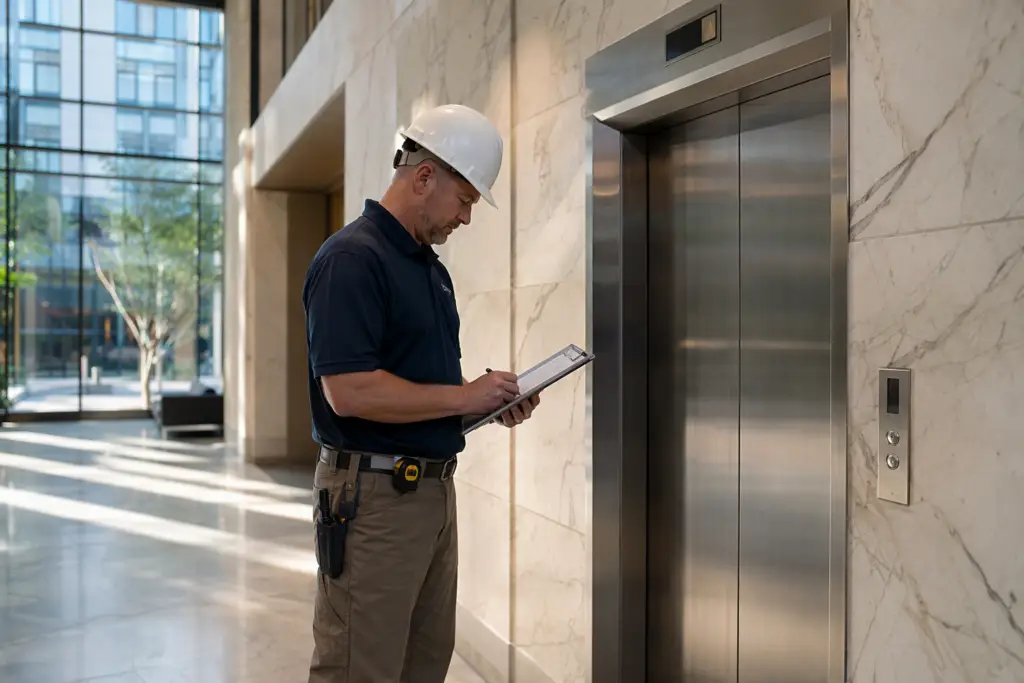
How Long Does an Elevator Modernization Project Take in a Healthcare Facility — and Will Patients Be Without Service the Entire Time?
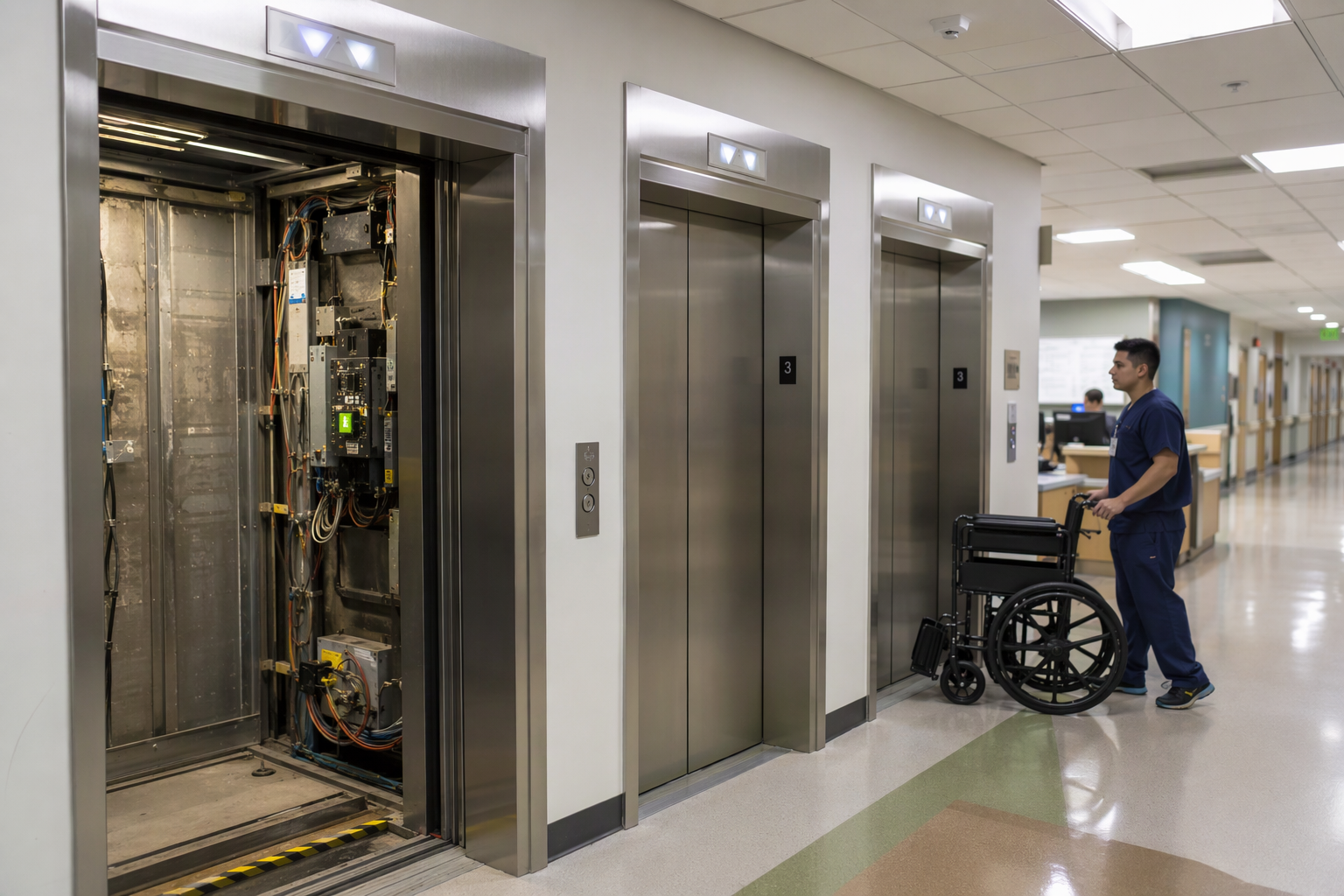
Elevator modernization in a hospital, medical office building, or outpatient facility is never just a construction project. It is a patient safety event. A single elevator out of service can delay medication delivery, slow code response, and strand patients who cannot use stairs. Understanding the realistic timeline — and how service continuity is planned — is critical before any healthcare facility signs a modernization contract.
What Exactly Is Elevator Modernization in a Healthcare Setting?
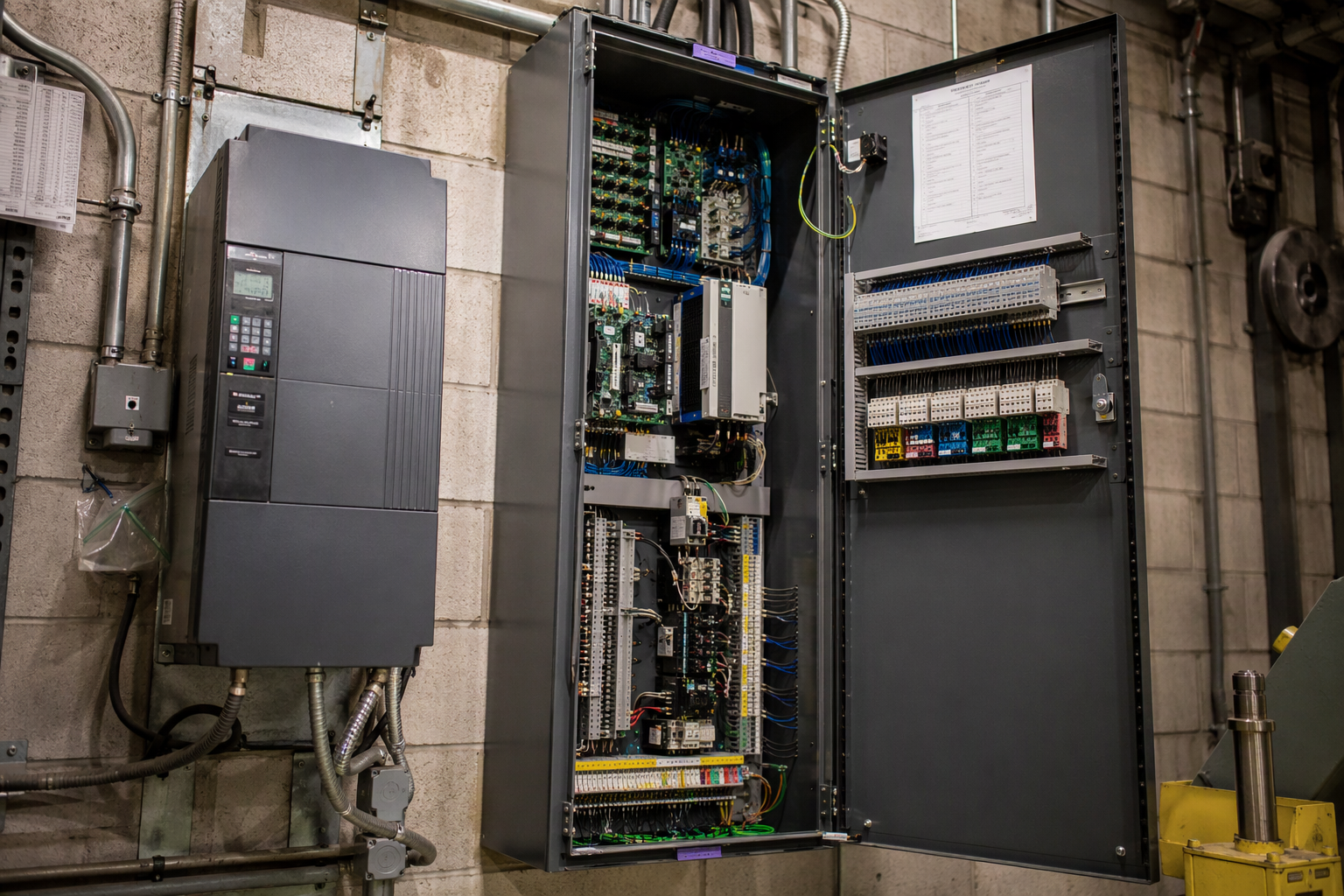
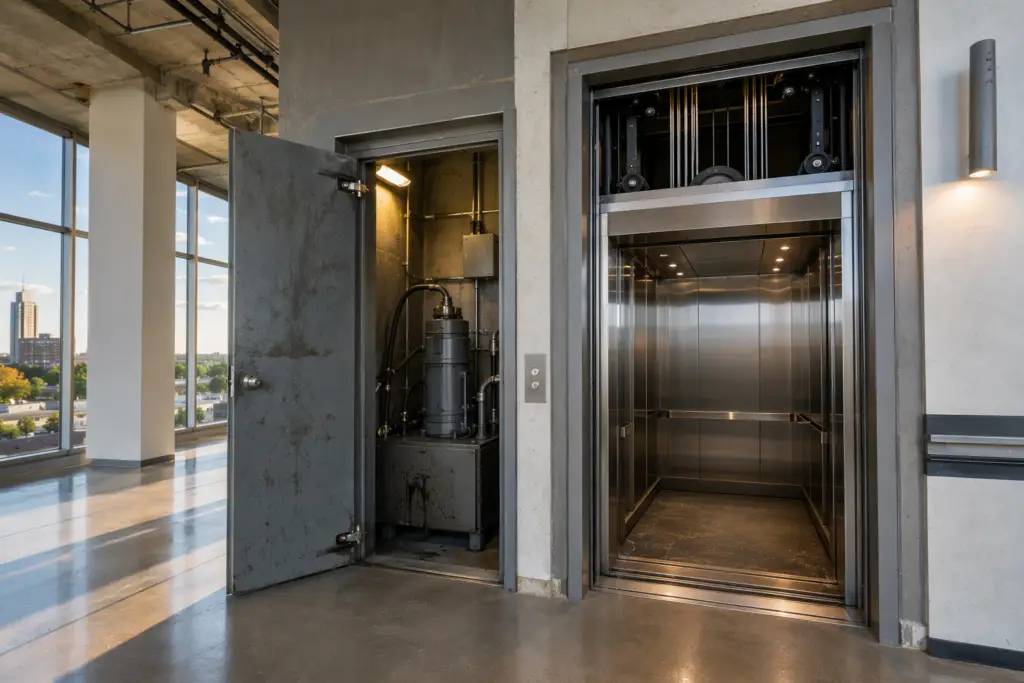
Modernization is not the same as routine maintenance. It is the systematic replacement of aging components — controllers, drives, door operators, cab interiors, signal fixtures, and sometimes the hoisting machine itself — to bring an elevator into compliance with current safety codes and to extend its service life. In a healthcare environment, the scope often expands to include bariatric-capacity upgrades, stretcher-compatible door timing, and emergency communication systems appropriate for patients who cannot speak.
Because hospitals and medical facilities operate around the clock, every phase of a modernization project must be coordinated against the building’s patient census, visiting hours, shift changes, and emergency protocols. AmeriTex Elevator evaluates these operational constraints during the assessment phase before a scope of work is ever drafted.
How Long Does a Healthcare Elevator Modernization Project Typically Take?
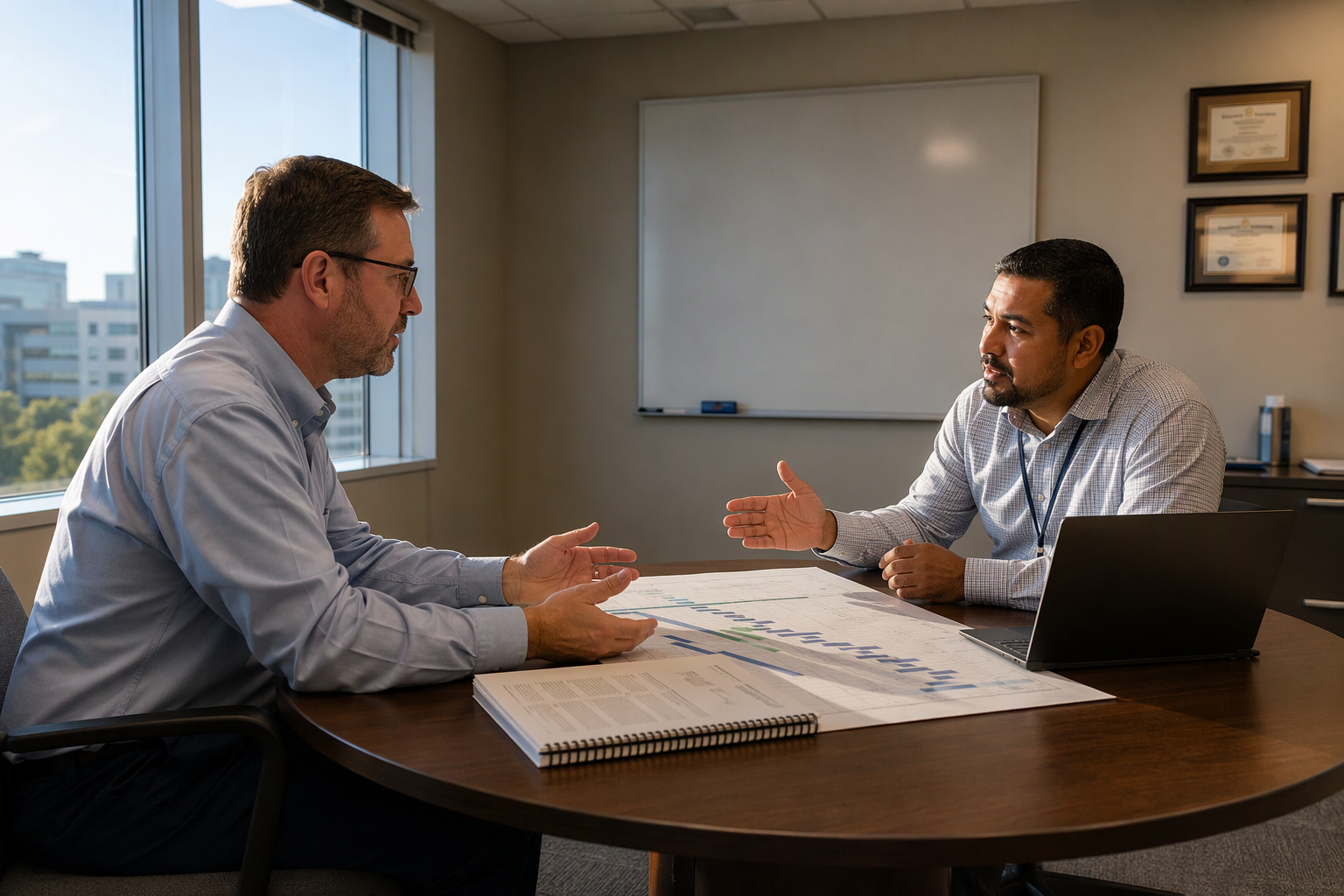
Project duration depends on five variables: the number of elevators in the bank, the age and condition of existing equipment, the complexity of the new control system, the lead time on manufactured components, and the speed of regulatory approvals.
As a general framework:
- Single-elevator modernization (partial scope): Four to six weeks is a common range when major structural components such as the hoisting machine are retained and only controls, drives, and fixtures are replaced.
- Single-elevator modernization (full scope): Six to ten weeks when the machine, controller, and cab are all replaced.
- Multi-elevator bank (phased): Ten to twenty-four weeks or longer, because elevators in a bank are typically modernized one at a time so the remaining units remain in service.
- High-rise hospital towers: Timelines can extend further when permit reviews, structural modifications, or custom-fabricated components are involved.
These are qualitative ranges. AmeriTex Elevator provides facility-specific timeline projections only after a thorough on-site assessment, because no two hospital elevator installations are identical.
Will Patients and Staff Be Without Elevator Service the Entire Time?
In most healthcare modernization projects, the answer is no — provided the project is properly phased. When a facility has two or more elevators in a bank, a reputable contractor will modernize units sequentially, keeping at least one elevator in full operation at all times. For single-elevator buildings, temporary service interruptions are unavoidable, but they can be scheduled during the facility’s lowest-census windows — typically overnight, on weekends, or during planned census reductions.
Healthcare-specific planning considerations include:
- Coordination with nursing administration and facilities management to identify protected service windows (no downtime during shift changes, meal delivery, or surgical case start times)
- Temporary signage and staff re-routing protocols so patients, visitors, and clinical staff know which elevator is active
- A written contingency plan for emergency evacuation that is reviewed with the facility’s safety officer before work begins
- Daily progress updates so the facility team can anticipate schedule changes
What Compliance Standards Apply to Healthcare Elevator Modernization in Texas and California?
Healthcare facilities in Texas and California operate under overlapping layers of federal, state, and local elevator requirements. Getting modernization wrong means failed inspections, certificates revoked, and potential patient harm.
Federal standards: The ASME A17.1/CSA B44 Safety Code for Elevators and Escalators is the foundational technical standard. It governs safety, performance, and testing requirements for new installations and alterations, including door reopening devices, firefighters’ service, and emergency lighting. The Americans with Disabilities Act (ADA) establishes accessibility requirements for cab dimensions, door timing, control height, and two-way emergency communication — all of which are especially consequential in healthcare settings that serve patients with mobility impairments.
In Texas: The Texas Department of Licensing and Regulation (TDLR), Elevator and Escalator Safety program, administers the state elevator program under Texas Health and Safety Code Chapter 754 and 16 Texas Administrative Code Chapter 74. Texas has adopted ASME A17.1/CSA B44, 2016 edition, as amended. Any contractor performing modernization work in Texas must be registered with TDLR. Before work begins, registered contractors must submit plans to TDLR and obtain approval. After modernization, the building owner must obtain a new TDLR Certificate of Compliance for each unit, which must be displayed in a publicly visible area. Texas also requires a Category 5 full-load test every five years on traction elevators — a requirement that is often bundled into a modernization project to reset the testing clock.
Important Houston note: TDLR does not regulate elevators inside Houston city limits. The City of Houston operates its own elevator program. Healthcare facilities in Houston must work with the city’s program for permits and inspections — not TDLR. AmeriTex Elevator is familiar with this distinction and coordinates with the appropriate authority having jurisdiction (AHJ) for each project location.
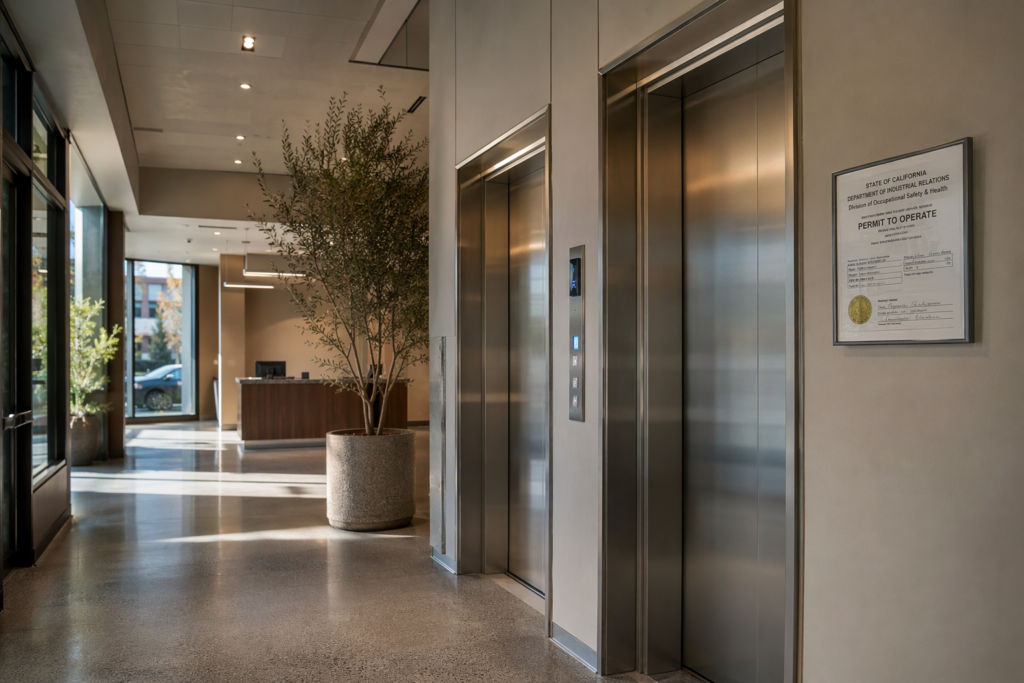
In California: The Division of Occupational Safety and Health (Cal/OSHA), Elevator Unit, California Department of Industrial Relations, regulates elevators under California Labor Code Sections 7300–7324.2 and the California Code of Regulations, Title 8, Elevator Safety Orders. California requires a permit from Cal/OSHA before a conveyance is materially altered — modernization qualifies. Only companies certified by Cal/OSHA as a Certified Qualified Conveyance Company (CQCC) may perform this work, and only Certified Competent Conveyance Mechanics (CCCM) may turn the wrenches. After modernization, Cal/OSHA must inspect the unit and issue a new permit to operate before the elevator is placed back in service. That permit must be posted conspicuously inside the elevator car.
Los Angeles note: The City of Los Angeles, Department of Building and Safety (LADBS), operates its own elevator inspection program. Healthcare facilities in Los Angeles should expect to work with LADBS in addition to Cal/OSHA requirements. AmeriTex Elevator navigates this dual-jurisdiction landscape for Los Angeles clients.
Healthcare-specific codes: Hospitals accredited by The Joint Commission or subject to Centers for Medicare and Medicaid Services (CMS) Conditions of Participation must also satisfy the life-safety and equipment maintenance standards in those frameworks. While elevator codes are not unique to healthcare, the documentation burden — maintenance logs, inspection records, and test reports — is typically more rigorous because surveyors review them. Modernization is an opportunity to bring documentation into full compliance.
What Is the Step-by-Step Process for a Healthcare Elevator Modernization Project?
- Facility assessment: A qualified technician inspects existing equipment, reviews maintenance records, identifies code deficiencies, and evaluates the building’s operational constraints.
- Scope of work and phasing plan: The contractor drafts a detailed scope specifying which components will be replaced, in what order, and with what service continuity provisions for each phase.
- Regulatory submissions: Plans are submitted to the appropriate AHJ — TDLR in most of Texas, the City of Houston within city limits, Cal/OSHA in California, or LADBS in Los Angeles — before any installation or alteration work begins.
- Equipment procurement: Controls, drives, door operators, and other components are ordered. Lead times vary by manufacturer and can be a primary driver of project duration. Healthcare facilities should request procurement status updates regularly.
- Phased installation: Work proceeds one elevator at a time in multi-unit banks. The facility’s facilities manager and safety officer are notified before each unit is taken offline.
- Testing and commissioning: Each modernized elevator undergoes function testing, safety device verification, and load testing as required by the applicable code edition.
- Regulatory inspection: The AHJ inspects the completed work. In Texas, a TDLR-registered inspector (selected by the building owner) performs the inspection and delivers the report within five calendar days. In California, a Cal/OSHA safety engineer or Certified Competent Conveyance Inspector performs the inspection.
- Permit or certificate issuance: In Texas, the owner obtains a new Certificate of Compliance and displays it. In California, Cal/OSHA issues a new permit to operate, which is posted in the cab before the elevator is returned to service.
- Documentation handoff: All test reports, inspection records, and as-built documentation are transferred to the facility for their compliance files.
How Do Parts Lead Times Affect the Modernization Timeline?
Control systems, variable-frequency drives, and specialty door operators for older elevators are sometimes manufactured to order. Lead times can range from a few weeks for in-stock components to several months for custom or legacy-replacement equipment. Healthcare facilities should plan procurement timelines carefully and ask their contractor for written lead-time estimates before signing a contract. AmeriTex Elevator includes procurement planning as part of its pre-modernization assessment so facilities are not surprised mid-project.
What Are the ADA Considerations Specific to Healthcare Elevator Modernization?
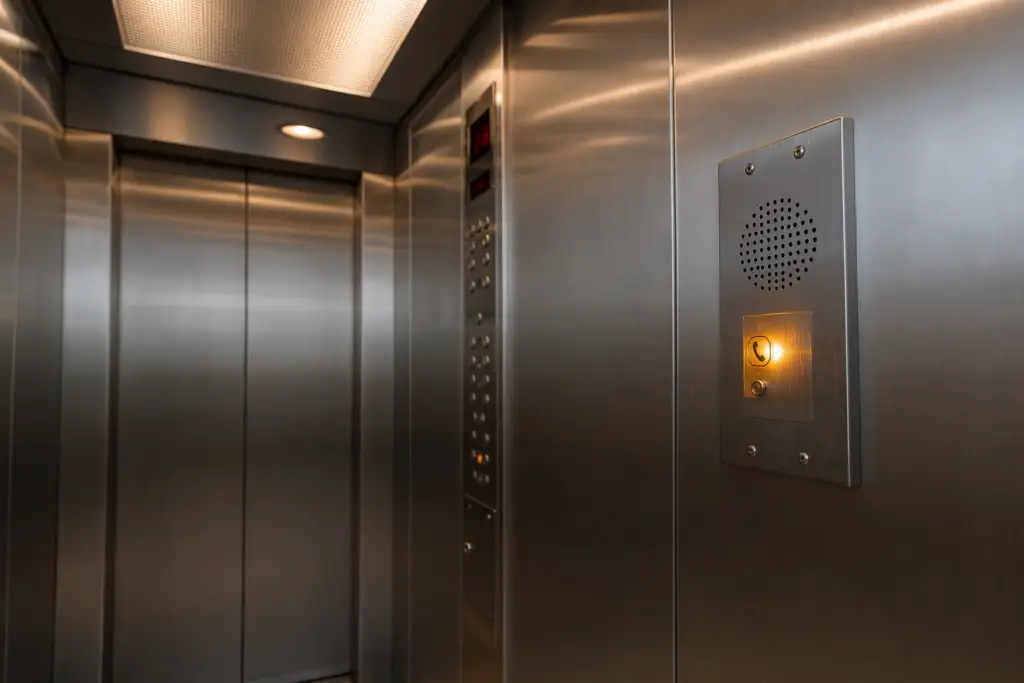
Under the Americans with Disabilities Act, elevators in multi-story healthcare facilities must meet accessibility requirements that directly affect patient care. These include minimum cab dimensions to accommodate wheelchairs and stretchers, door dwell time sufficient for patients moving with assistive devices, control button height and Braille, and two-way emergency communication. For patients who are non-verbal, hearing-impaired, or on ventilators, emergency communication requirements deserve particular attention. When modernizing elevator systems, healthcare facilities should use the project as an opportunity to audit their ADA compliance and address any gaps — a reactive approach after a complaint or audit is far more costly.
Does Modernization Trigger a Full Code Upgrade to Current Standards?
This is one of the most common questions facilities ask, and the answer is nuanced. In Texas, alterations to elevator equipment are governed by the adopted edition of ASME A17.1/CSA B44 (2016 edition under state rules) and TDLR’s regulations. The scope of required upgrades depends on what is being altered — partial alterations may not trigger a full retrofit of unaffected systems, but safety-critical requirements such as firefighters’ service and door restrictors must be in working order regardless. In California, any material alteration requires a Cal/OSHA permit, and the work must conform to the applicable Elevator Safety Orders. Healthcare facilities should ask their contractor to provide a written code gap analysis before work begins so the full compliance picture is understood upfront.
What Should a Healthcare Facility Ask a Contractor Before Signing a Modernization Contract?
- Are you registered with TDLR (Texas) or certified as a CQCC (California) in the jurisdiction where this facility is located?
- Who will handle permit submissions to the AHJ, and what is the typical approval timeline in this jurisdiction?
- What is the written phasing plan, and how will you ensure at least one elevator remains in service during each phase?
- What are the lead times on critical components, and what happens to our timeline if a part is delayed?
- What is your plan if an inspection reveals additional deficiencies not in the original scope?
- How will you coordinate with our facilities director, nursing leadership, and safety officer?
- What documentation will we receive at project completion for our compliance and accreditation files?
Questions Your Inspector Will Ask
Whether the inspection is conducted by a TDLR-registered inspector in Texas or a Cal/OSHA safety engineer or Certified Competent Conveyance Inspector in California, the following questions and documentation requests are typical in healthcare settings:
- Is the permit to operate (California) or Certificate of Compliance (Texas) current and properly posted?
- Are maintenance and inspection logs complete and available for review?
- Have all safety devices — door restrictors, overspeed governors, buffers — been tested within the required intervals?
- Is firefighters’ emergency service (Phase I and Phase II) operational and compliant with the adopted code edition?
- Is the two-way emergency communication system functioning, and does it meet ADA requirements for the facility’s patient population?
- Have any alterations been made since the last inspection without a permit?
- In Texas: has the Category 5 full-load test been performed within the required five-year cycle for traction elevators?
- In California: is the work being performed by a CQCC using CCCM-certified mechanics?
- Are there any open violations from the previous inspection that were required to be corrected or under contract within 30 days (Texas)?
- Can the facility produce records showing the elevator has not been operated without a valid permit?
How Does Elevator Modernization Affect a Hospital’s Accreditation Surveys?
Accreditation surveyors reviewing life-safety and environment-of-care standards will examine elevator maintenance documentation, inspection certificates, and evidence that the facility has a process for managing equipment out of service. A modernization project that is well-documented — with pre-work assessments, phasing plans, inspection reports, and completed certificates — typically strengthens a facility’s survey posture. A modernization project managed without proper permits, completed inspections, or posted certificates can generate findings that delay accreditation renewal. AmeriTex Elevator structures its documentation handoff specifically to support healthcare clients’ compliance files.
What Happens After Modernization Is Complete?
Modernization resets the maintenance baseline for a healthcare elevator, but ongoing obligations do not change. Texas building owners must continue to have each elevator inspected annually by a TDLR-registered inspector and maintain a current Certificate of Compliance. In California, the annual reinspection is the building owner’s responsibility, and the permit to operate must remain current. Facilities with a full maintenance contract with a CQCC-certified company in California may be eligible for a permit to operate valid for up to two years. AmeriTex Elevator can provide guidance on post-modernization maintenance programs appropriate for each facility’s equipment and jurisdiction.
Contact AmeriTex Elevator for a free elevator assessment at 844-646-9660.
Need elevator service you can rely on? AmeriTex Elevator is ready to help.