How to Compare Elevator Service Company Bids and Know If You Are Getting a Fair Price in Houston or Dallas
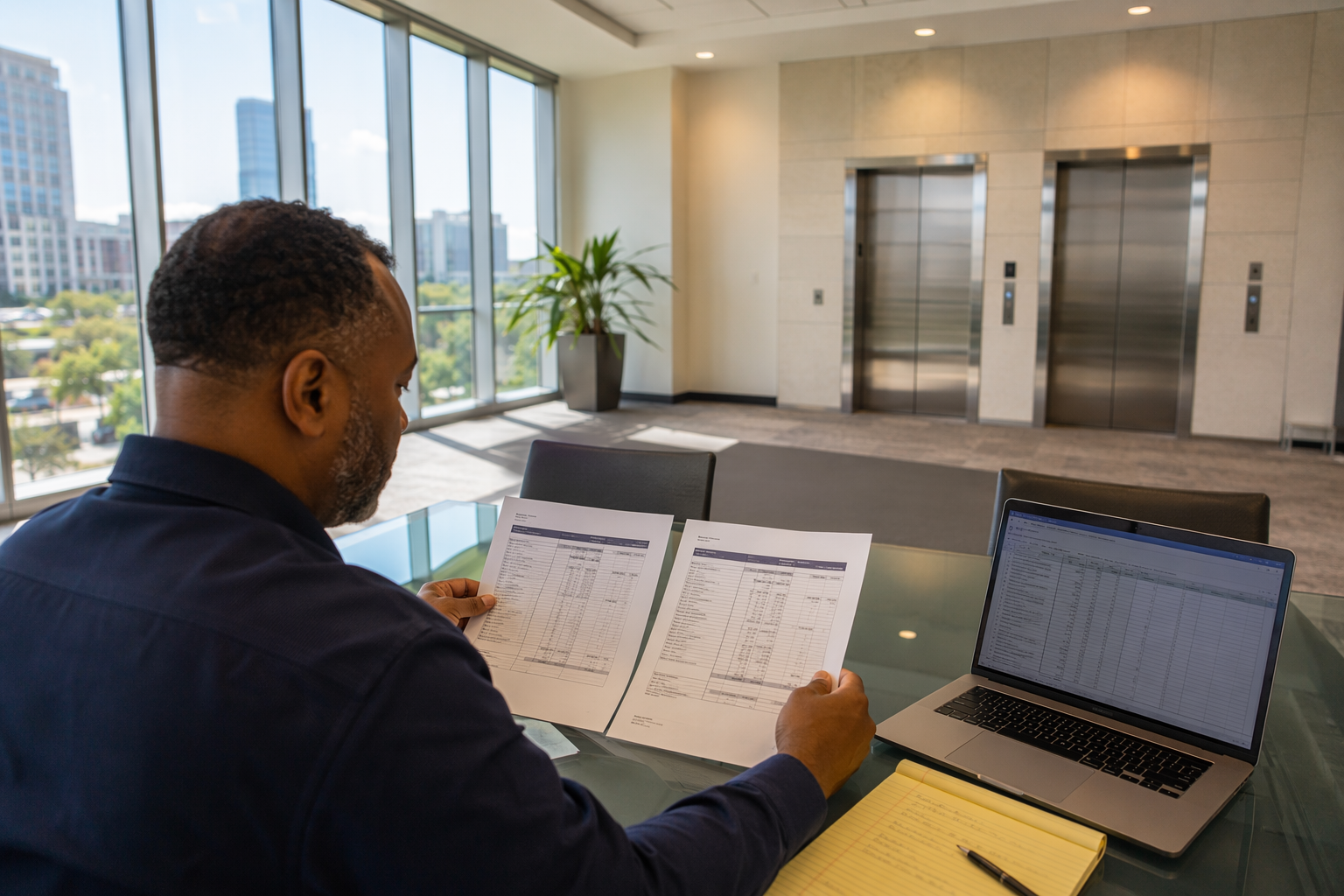
Building owners and facility managers in Houston and Dallas face a genuinely complex purchasing decision when elevator service contracts come up for renewal or when a new vendor is needed. The Texas elevator market includes dozens of independent service companies alongside the large national manufacturers, and their bid formats are rarely identical. Without a structured comparison framework, price differences that look significant on the surface often reflect coverage gaps rather than true savings — and gaps in elevator maintenance coverage carry both safety and compliance consequences.
This guide provides a data-supported, compliance-grounded framework for evaluating bids, understanding what drives pricing in the Texas market, and identifying red flags that signal a low quote is actually a low-coverage quote.
What Codes and Agencies Govern Elevator Service in Texas?
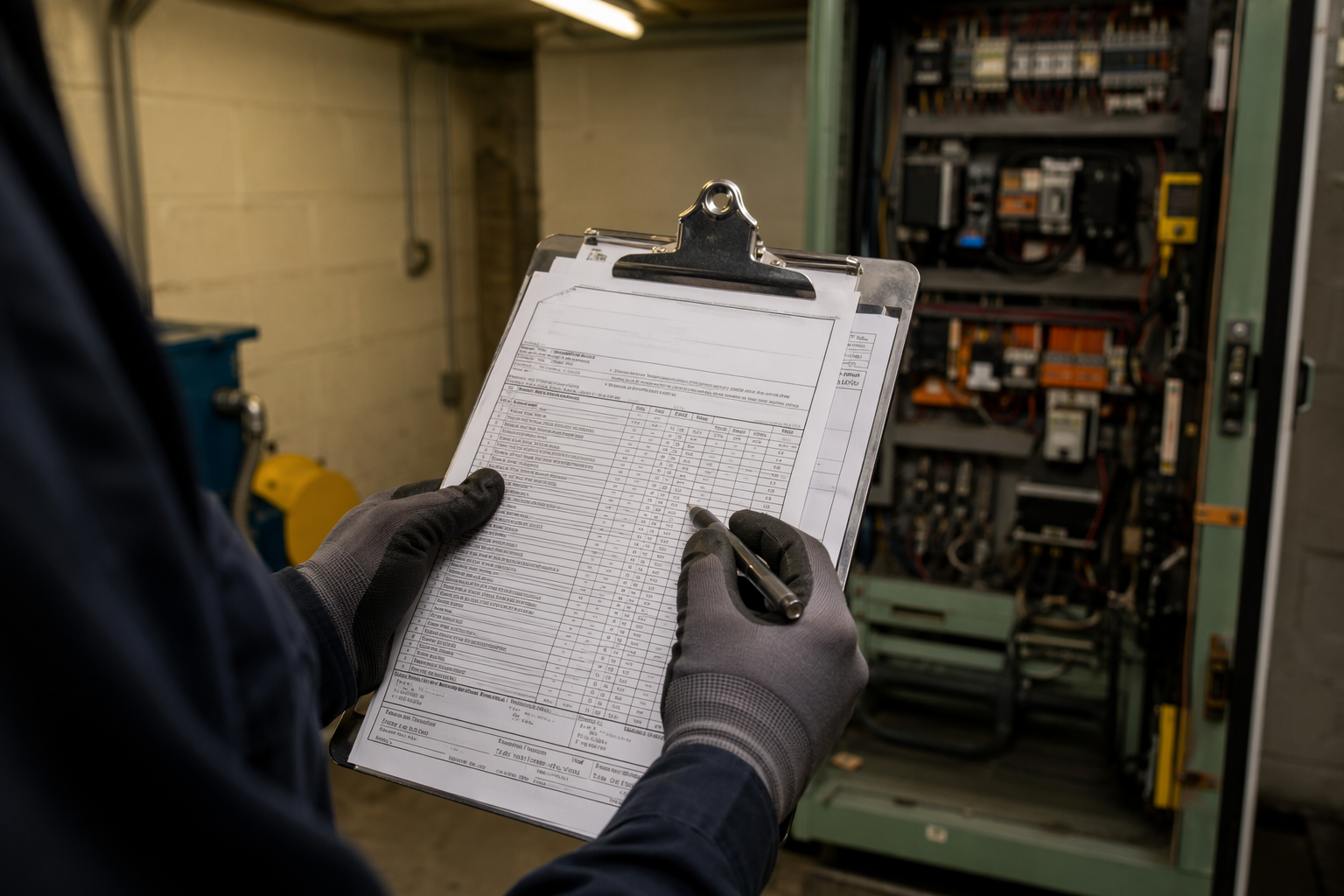
Before comparing bids, it is essential to understand the compliance floor every vendor must meet. In Texas, elevator safety is regulated at the state level through the Texas Department of Insurance (TDI), which oversees boiler and pressure vessel inspection — the same division historically responsible for elevator inspections in the state. Vendors that do not demonstrate awareness of the applicable Texas regulatory framework should be treated with caution regardless of price.
At the national level, the foundational technical codes are:
- ASME A17.1 Safety Code for Elevators and Escalators — the primary standard covering design, installation, and maintenance requirements for new and existing elevators.
- ASME A17.3 Safety Code for Existing Elevators and Escalators — governs retroactive safety requirements for elevators already in service, which is highly relevant when evaluating maintenance obligations on older equipment.
- Americans with Disabilities Act (ADA) — sets minimum accessibility requirements for elevator dimensions, door timing, controls, and signage that affect the scope of any compliant modernization or maintenance contract.
- OSHA General Industry Standards — apply to elevator technicians performing work in occupied buildings and govern safe work practices during maintenance visits.
A bid that omits inspection scheduling, code-compliance documentation, or does not reference these standards is missing a material component of elevator service — and the building owner typically bears the liability for that gap.
What Is Typically Included in a Full-Coverage Elevator Service Contract?
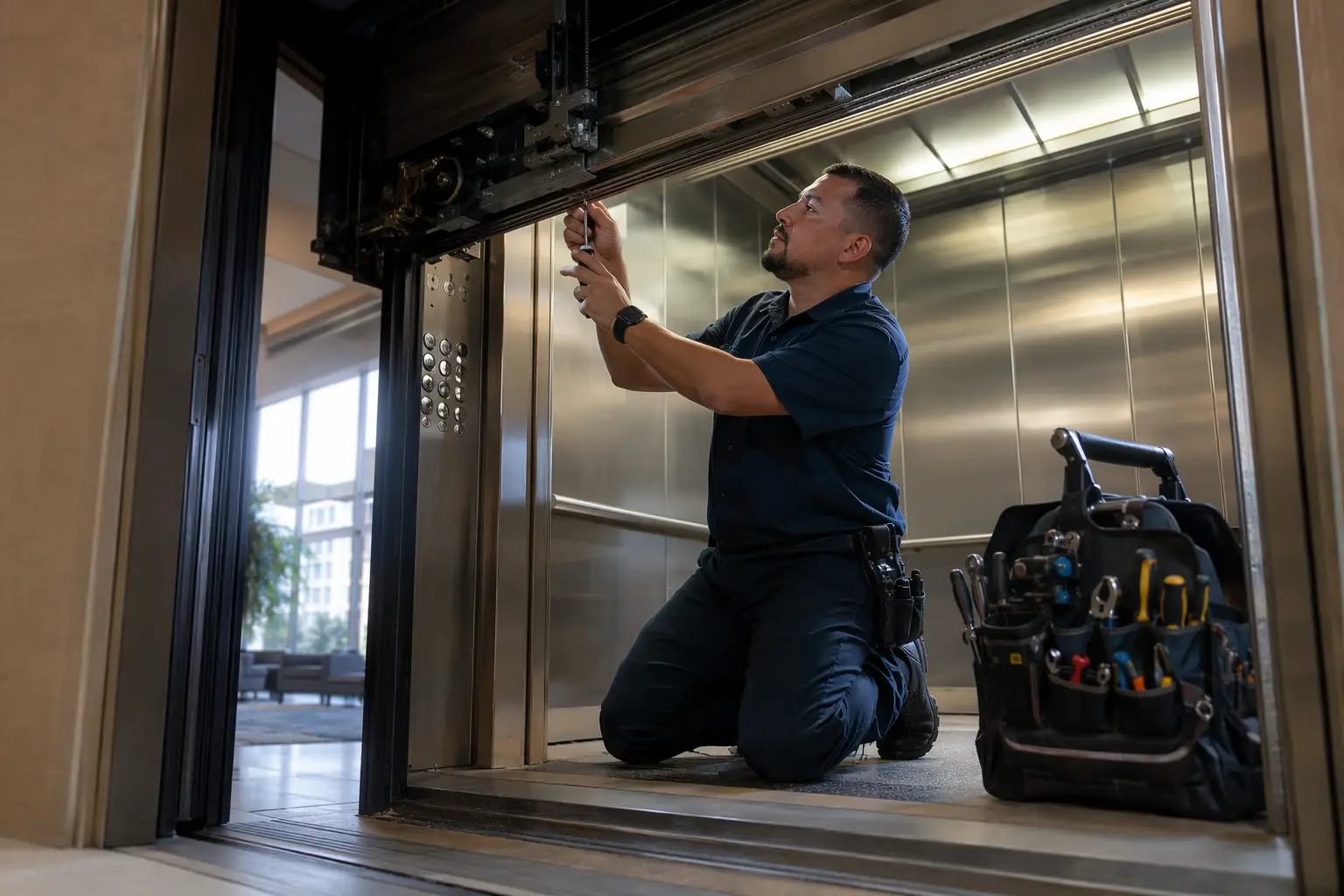
Understanding what should be included is the foundation of any fair comparison. A well-structured elevator maintenance contract in the Texas market generally covers the following categories:
- Scheduled preventive maintenance visits — lubrication, adjustment, cleaning, and inspection of mechanical and electrical components on a defined cycle.
- Callbacks and unscheduled service — the scope of what is covered when the elevator experiences a fault between scheduled visits, and whether labor for those callbacks is included or billed separately.
- Parts and materials — whether parts are included, capped at a dollar amount, excluded for wear items, or handled through a separate parts agreement.
- Annual or periodic inspection coordination — assistance scheduling and preparing for the third-party inspection required by the Authority Having Jurisdiction (AHJ) in each Texas municipality, including Houston and Dallas.
- Violation correction — whether the vendor is obligated to correct deficiencies identified during inspections within the contract price or at additional cost.
- Entrapment response — the protocol and any contractual commitment regarding response when passengers are trapped.
- Documentation and record-keeping — maintenance logs required to demonstrate compliance with ASME A17.1 maintenance program requirements.
When two bids differ significantly in price, the first analytical step is to map each of these categories against both proposals and identify which coverage elements are present, limited, or absent in each.
How Do You Evaluate an Elevator Service Bid Line by Line?
A structured bid evaluation follows a deliberate sequence. Use the following process to compare proposals objectively:
- Request fully itemized proposals. Ask every vendor to break out labor rates, parts policy, inspection coordination fees, and callback terms separately. A single monthly figure tells you very little.
- Identify the maintenance visit frequency. Confirm the number of scheduled visits per year and what is performed at each visit. More visits at a similar price is not always better — the skill level of the technician and the thoroughness of each visit matter more.
- Clarify the parts and materials policy. Determine whether wear components (door gibs, pads, brushes, rollers) are included, whether there is a per-incident dollar cap, and what exclusions apply to proprietary or modernized components.
- Examine the callback response commitment. Understand what the contract requires — not just what the salesperson states verbally. Any commitment not in writing is not a contractual obligation.
- Confirm inspection and code compliance support. Verify that the vendor will coordinate with Houston’s or Dallas’s local AHJ, provide required documentation, and address any deficiency notices generated by the inspection.
- Assess the violation and correction policy. Determine whether the vendor is financially responsible for correcting ASME A17.3 retroactive violations discovered during service, or whether those are treated as additional billable work.
- Review the contract term and exit provisions. Multi-year contracts with automatic renewal and punitive cancellation clauses reduce your leverage if service quality declines. Evaluate total contract value, not just the monthly rate.
- Check equipment compatibility and proprietary parts exposure. If the vendor uses or installs proprietary controllers, you may be locked into that vendor for future parts. Ask explicitly whether the equipment they service or recommend accepts third-party parts.
- Verify insurance and licensing. In Texas, elevator contractors must hold the appropriate state-issued license. Request copies and confirm current status before signing.
- Normalize the price to a comparable scope. Once all coverage differences are mapped, restate each bid against an identical scope baseline. A lower quote that excludes callbacks, parts, and inspection coordination may cost significantly more on a total-cost basis over a three-year term.
What Factors Drive Elevator Maintenance Pricing in Houston and Dallas?
Elevator service pricing in Houston and Dallas is influenced by a range of equipment, building, and market variables. Understanding these factors helps building owners assess whether a quoted price is reasonable for the specific situation:
- Equipment type and age: Hydraulic elevators, traction elevators, and machine-room-less (MRL) systems each have different maintenance profiles. Older equipment operating under ASME A17.3 retroactive requirements may carry higher compliance costs.
- Number of units and stops: Multi-unit buildings can often negotiate volume pricing, while a single-unit installation in a low-rise office building has less pricing leverage.
- Usage intensity: A high-traffic residential tower in Uptown Dallas or a medical office building in the Texas Medical Center in Houston generates significantly more wear cycles than a two-stop commercial elevator in a suburban office park.
- Proprietary versus open-protocol controls: If the installed controller uses a proprietary protocol, only the original manufacturer or licensed vendors can service it fully, which limits competition and typically elevates pricing.
- Accessibility compliance scope: Buildings undergoing renovations that trigger ADA path-of-travel requirements may need modernization work bundled with or separate from routine maintenance.
- Vendor overhead structure: Large national companies carry higher overhead, which is sometimes reflected in pricing; independent regional vendors may offer lower rates but vary in technical depth and parts availability.
- Local labor market: The Texas skilled trades market fluctuates, and Houston and Dallas each have distinct labor dynamics that influence technician availability and cost.
What Red Flags Indicate a Low Bid Is Actually a High-Risk Bid?
A significantly lower bid than the market range is worth investigating rather than celebrating. Common red flags include:
- No mention of ASME A17.1 or A17.3 compliance anywhere in the proposal.
- Callbacks billed at time-and-materials rates rather than included in the contract.
- All parts excluded or subject to a very low annual cap.
- No clear language about who is responsible for inspection-generated deficiency corrections.
- Vague visit frequency (“as needed” or “periodic” rather than a defined annual schedule).
- No documentation or maintenance log commitment.
- Automatic multi-year renewal with no performance exit clause.
- Inability or unwillingness to provide proof of current Texas elevator contractor licensing.
- No reference to OSHA safe work practices or technician qualification standards.
How Does the Houston Elevator Market Differ From Dallas?
Both Houston and Dallas are large, competitive Texas elevator markets, but they have distinct characteristics that affect service dynamics. Houston’s building stock includes a high concentration of mid- and high-rise commercial towers in the Energy Corridor, downtown, and the Texas Medical Center, along with a substantial base of industrial and port-adjacent facilities. The city’s humidity and heat place higher stress on mechanical components, which can affect maintenance frequency needs.
Dallas has a significant concentration of Class A commercial office space in Uptown, Legacy West, and the Central Business District, alongside a large multi-family residential market. The Dallas market also features a high volume of mixed-use developments built or modernized in the past decade, many of which use machine-room-less traction systems with more complex diagnostic requirements.
In both markets, the Authority Having Jurisdiction for elevator inspections is determined at the municipal or county level. Building owners should confirm with their specific city or county which inspection agency governs their property, as this affects the documentation and coordination scope a service vendor must fulfill.
What Trends Are Shaping Elevator Service Contracts in 2025 and 2026?
Several qualitative trends are reshaping how elevator service contracts are structured and evaluated in the Texas market heading into 2025 and 2026:
- Remote monitoring adoption: More vendors are offering IoT-enabled monitoring that tracks door cycles, motor temperatures, and fault codes in real time. This can reduce unplanned downtime, but building owners should understand whether monitoring data belongs to them or the vendor, and what happens to that data if the contract ends.
- Outcome-based contracting: Some larger facilities are moving away from activity-based contracts (visits per year) toward availability or uptime commitments. This shifts risk to the vendor but requires robust performance measurement language in the contract.
- ASME code cycle updates: The ASME A17.1 and A17.3 codes are updated on a regular cycle. Vendors and building owners should stay current with the edition adopted by the Texas AHJ for their facility, as new editions can introduce retroactive or prospective requirements that affect maintenance scope.
- Parts supply chain pressures: Global supply chain disruptions have affected elevator component lead times in recent years. Contracts that include parts coverage should address lead times and what constitutes acceptable response when parts are on backorder.
- Workforce and technician availability: The elevator industry continues to face technician workforce dynamics that affect service capacity. Building owners in Houston and Dallas should ask vendors how they handle technician coverage during high-demand periods.
- Accessibility enforcement activity: Ongoing ADA enforcement activity and updated guidance continue to create compliance obligations for older buildings undergoing renovations, making it important for service contracts to address accessibility-related maintenance items.
What Should a Fair Contract Term Look Like for a Texas Commercial Building?
A fair elevator service contract for a commercial building in Houston or Dallas will typically balance the vendor’s need for contract duration to recover mobilization costs against the building owner’s need for performance accountability. Qualitatively, contracts with automatic renewal provisions should include performance-based exit rights, clearly defined service level expectations, and price escalation caps tied to a defined index rather than open-ended vendor discretion.
Contract terms should be reviewed by facilities counsel familiar with Texas commercial service agreements, particularly when they include liquidated damages, indemnification, or limitation-of-liability provisions that affect the building owner’s risk exposure.
How Should You Handle a Bid That Includes Modernization Recommendations?
Some service vendors bundle modernization recommendations into their initial bids as a way to differentiate their proposal or create future revenue. When a bid includes a suggested or required modernization, building owners should take the following steps:
- Request the specific code basis for any stated modernization requirement — is it driven by a dated ASME A17.3 retroactive requirement, a local AHJ citation, or a vendor recommendation without a binding code basis?
- Obtain at least one independent opinion on the necessity and scope of the modernization from a qualified elevator consultant or a second vendor who has physically inspected the equipment.
- Separate the modernization cost from the ongoing service contract cost so you can evaluate each independently and solicit competitive bids for the modernization work.
- Confirm that any modernization performed will be documented as compliant with the current edition of ASME A17.1 as adopted by your AHJ, and that the vendor will provide sign-off documentation.
- Understand the warranty terms on any modernization work, including who is responsible for warranty service and whether it affects future service contract options.
How Does AmeriTex Elevator Approach Bid Transparency in Houston and Dallas?
AmeriTex Elevator operates as a data-driven elevator service provider in the Texas market, including Houston and Dallas. The company approaches proposals by itemizing coverage categories so that building owners can compare bids on a normalized, like-for-like basis rather than headline monthly rates. AmeriTex Elevator grounds its service recommendations in applicable ASME codes, local AHJ requirements, and the specific equipment profile of each building, rather than applying a one-size-fits-all service tier. Building owners working with AmeriTex Elevator receive documentation that supports their ongoing compliance obligations under Texas regulatory requirements and the applicable federal standards.
What Questions Should You Ask Every Elevator Service Vendor Before Signing?
Before executing any elevator service contract in the Texas market, building owners and facility managers should obtain written answers to the following questions from every vendor under consideration:
- What is the specific number of scheduled maintenance visits per year, and what is the written scope of each visit?
- Are all callbacks for unscheduled service included in the contract, and is there a defined response time in writing?
- What parts and materials are included, what are the exclusions, and is there a per-incident or annual dollar cap?
- Who coordinates the required annual inspection with the local AHJ, and who is financially responsible for correcting identified deficiencies?
- What edition of ASME A17.1 or A17.3 does the proposed maintenance program reference, and is it current with the edition adopted by the local AHJ?
- Can the vendor provide a copy of their current Texas elevator contractor license?
- What are the contract term, automatic renewal provisions, and performance-based exit rights?
- Does the vendor use proprietary parts or controls that would limit future vendor competition?
- How does the vendor handle parts availability delays, and what is the escalation process for extended outages?
- What documentation and maintenance records will be provided to the building owner, and in what format?
What Is the Difference Between a Maintenance Contract and a Full-Service Contract?
These two contract types are often confused but carry materially different risk allocations. A maintenance contract typically covers scheduled visits, labor for those visits, and routine consumables. It generally does not include parts, callback labor, or repair work — those are billed separately. A full-service or comprehensive contract expands coverage to include parts, callbacks, and in some cases minor repairs, with the vendor absorbing a greater share of the cost risk.
The right contract type depends on the age, condition, and usage profile of the equipment. Older equipment with higher failure probability may be significantly less expensive to operate under a comprehensive agreement than under a maintenance-only contract where every callback and part is a separate invoice. Newer equipment under a manufacturer warranty may be well-served by a lower-coverage agreement during the warranty period, transitioning to more comprehensive coverage as the equipment ages.
Are There Specific ADA Maintenance Obligations That Affect Contract Scope?
Yes. Under the Americans with Disabilities Act, elevators in commercial facilities that are required to be accessible must be maintained in operable condition. This means that persistent door timing failures, inoperative floor indicators, malfunctioning Braille controls, or extended outages without alternative accessible means of egress can constitute ADA compliance failures — not merely maintenance inconveniences. Building owners should ensure that their service contract explicitly addresses the maintenance of ADA-relevant components: door operators, door timing, cab controls, floor indicators, and emergency communication systems. The service vendor’s obligation to respond to ADA-related failures within a reasonable timeframe should be stated in the contract, not assumed.
What Role Does Documentation Play in Elevator Compliance and Vendor Accountability?
Maintenance documentation serves two simultaneous purposes: it demonstrates compliance with applicable codes to the AHJ during inspections, and it creates a record that holds vendors accountable to their contractual obligations. The ASME A17.1 Safety Code for Elevators and Escalators includes requirements for maintenance records that document the work performed, the date, and the technician responsible. Building owners should retain copies of all maintenance logs, inspection reports, and deficiency correction documentation for the life of the equipment or the duration required by the AHJ, whichever is longer.
A vendor who is unwilling to provide detailed maintenance records or who delivers only summary logs without task-level detail is limiting the building owner’s ability to verify contract performance and may be obscuring service gaps.
How Do You Know When It Is Time to Switch Elevator Service Vendors?
The decision to change elevator service vendors is often deferred longer than it should be due to contract terms, familiarity, or the perceived complexity of transition. Objective indicators that a change may be warranted include: a pattern of unresolved repeat failures on the same equipment, increasing callback frequency without corresponding repair resolution, inspection deficiency notices that are not corrected promptly, documentation that is consistently incomplete or absent, and responses to escalation that do not result in measurable improvement. When evaluating a vendor switch, building owners should conduct a thorough equipment condition assessment at the point of transition — both to establish a baseline for the incoming vendor and to ensure that deferred maintenance from the prior vendor does not become a dispute about responsibility.
Get a Data-Driven Elevator Service Assessment for Your Houston or Dallas Building
Comparing elevator service bids without a clear framework leaves building owners exposed to coverage gaps, compliance risk, and avoidable costs. AmeriTex Elevator provides transparent, itemized proposals grounded in Texas regulatory requirements and applicable ASME standards — giving building owners in Houston and Dallas the information they need to make an informed, fair comparison.
Contact AmeriTex Elevator for a free elevator assessment: 866-679-4313
Need elevator service you can rely on? AmeriTex Elevator is ready to help.