Elevator Service in Houston, TX | AmeriTex Elevator
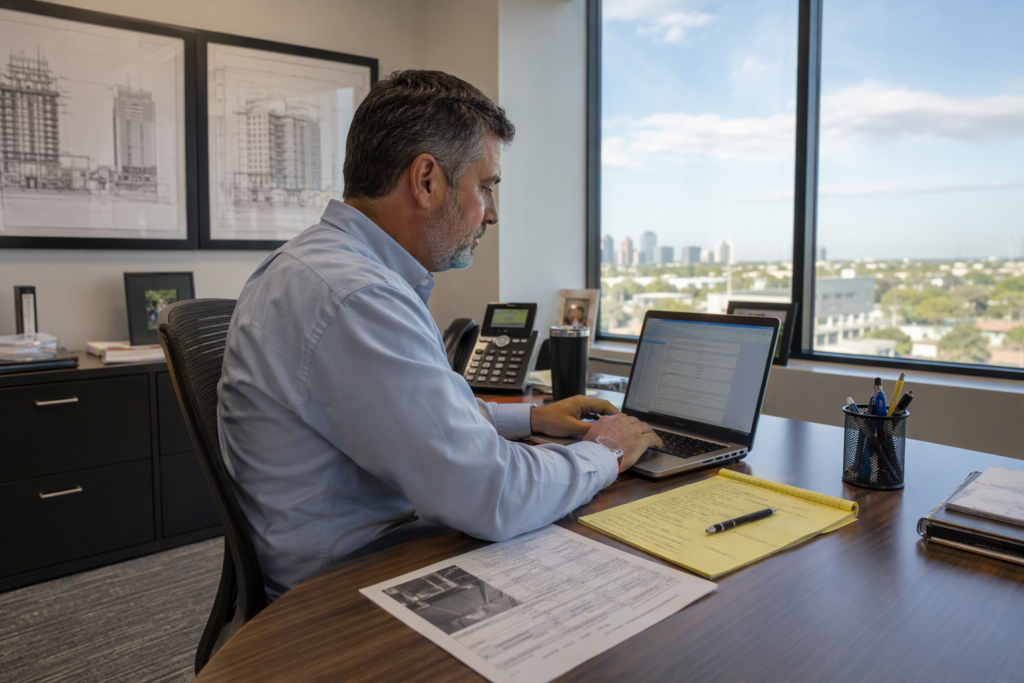
Installing a new elevator in an occupied Houston building is one of the more complex projects a facility manager or building owner can undertake—yet it is done successfully every day across the city’s healthcare campuses, office towers, and mixed-use developments. With careful planning, the right equipment sequence, and a code-compliant construction strategy, buildings can maintain full or near-full operations throughout the process. The sections below walk through every dimension of that planning process, from Texas regulatory requirements to equipment selection and beyond.
—
What Texas Regulations Govern a New Elevator Installation in an Existing Building?
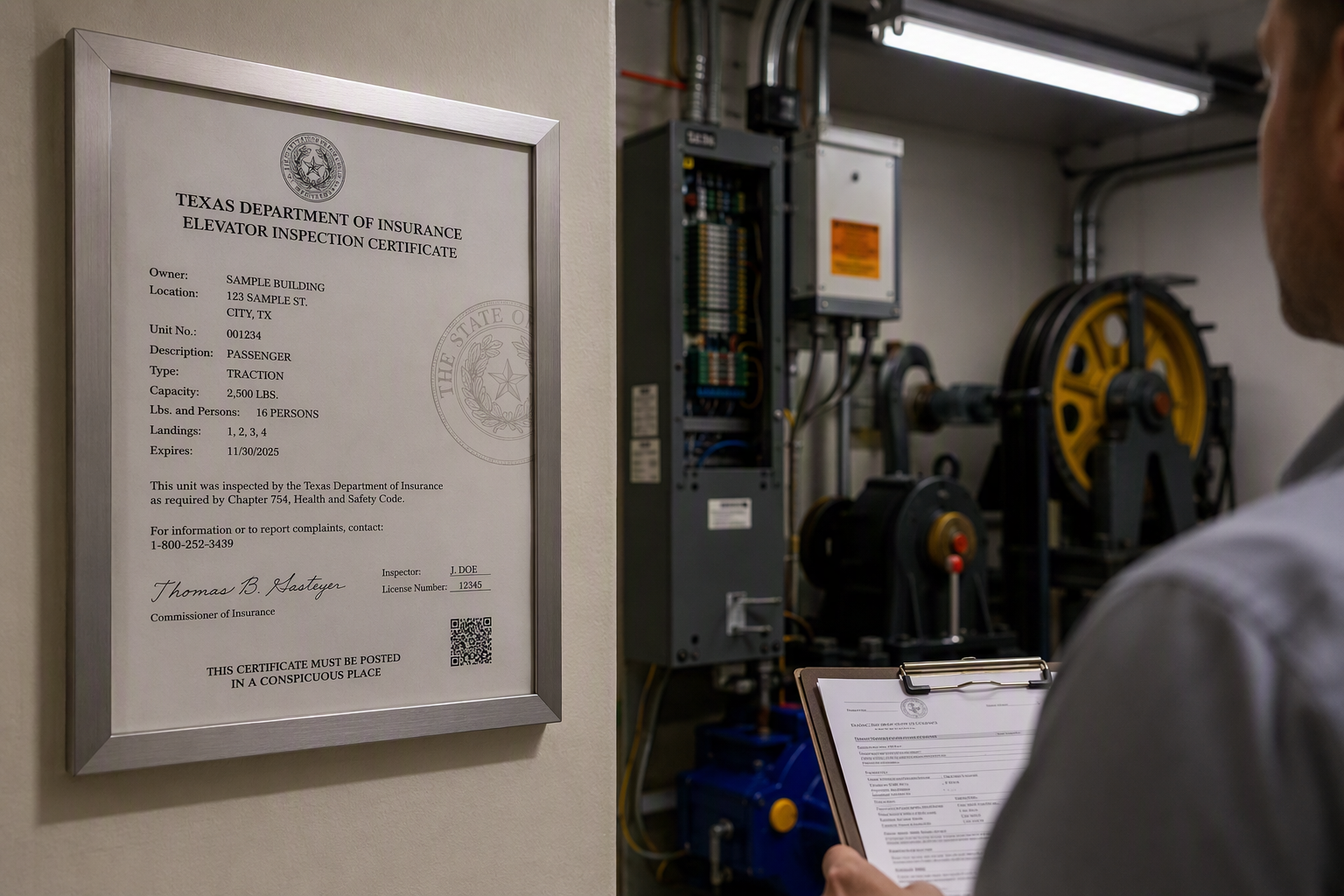
In Texas, elevator construction and operation are regulated by the Texas Department of Insurance (TDI) Elevator Safety Program, which enforces the ASME A17.1 Safety Code for Elevators and Escalators for new installations and ASME A17.3 Safety Code for Existing Elevators and Escalators for units already in service. Any contractor performing elevator work in Texas must hold a valid state elevator contractor license, and all installed equipment must receive a TDI inspection and certificate of operation before the unit may be used by the public.
For projects in Houston specifically, building permits are issued through the City of Houston Department of Public Works, and the permit application must include engineered drawings, load calculations, and the proposed equipment specification. ADA compliance obligations under the Americans with Disabilities Act apply to new vertical transportation elements in altered facilities, requiring accessible cab dimensions, control placement, and door timing that align with federal accessibility standards.
Worker safety during the installation itself falls under federal OSHA construction standards, which govern hoistway protection, fall prevention, and electrical lockout/tagout procedures—all critical considerations when an active building surrounds the work zone.
—
How Do You Phase an Elevator Installation to Avoid Shutting Down Building Operations?
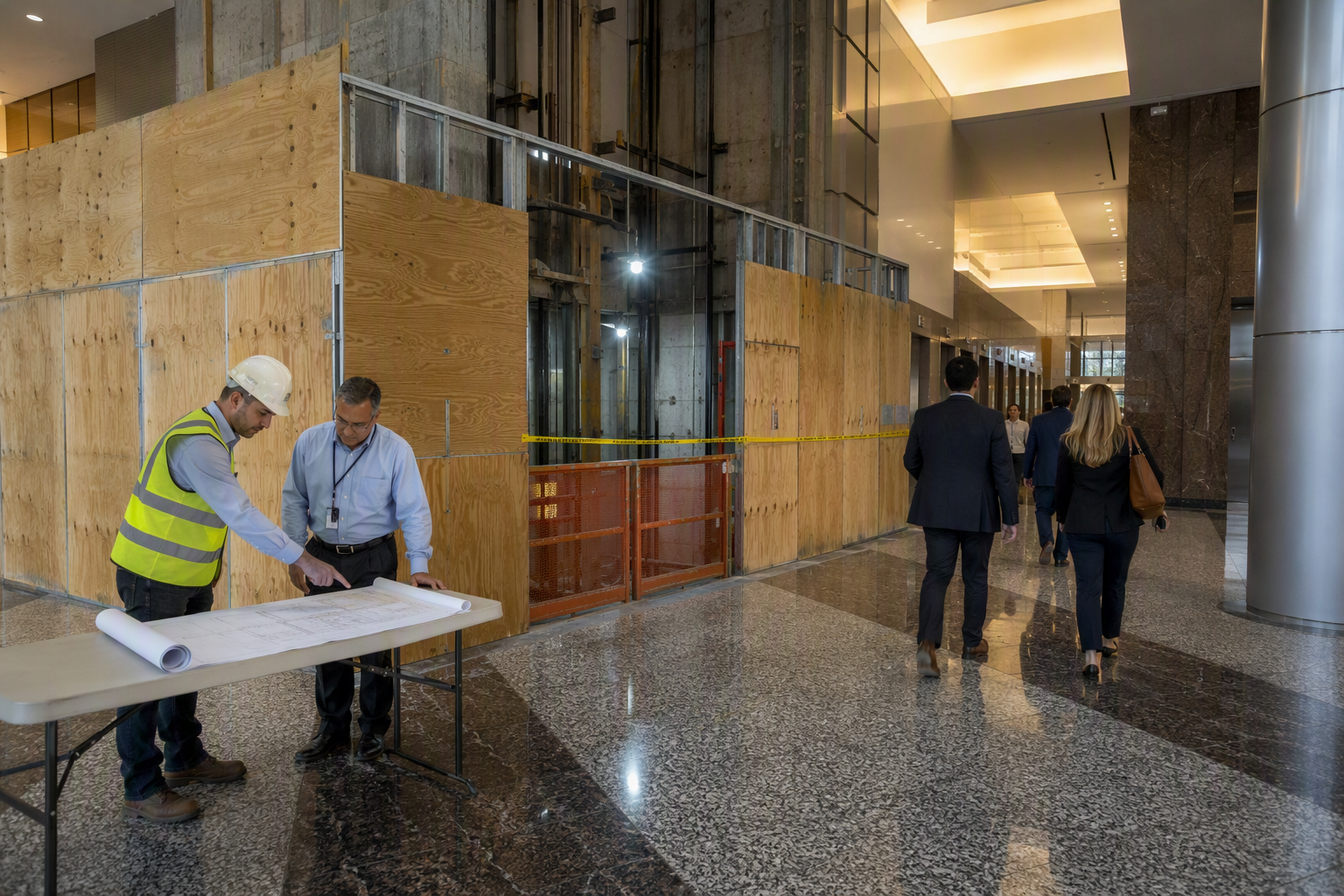
The key to a no-shutdown installation is treating construction as a phased, time-boxed operation rather than a single continuous project. Below is the sequencing approach that keeps occupants moving while crews work.
- Conduct a pre-construction survey. Assess the proposed shaft location, structural load paths, mechanical room feasibility, and adjacency to active egress corridors. Identify which areas must remain unobstructed at all times.
- Submit permit and engineering documents early. TDI and the City of Houston both require review periods. Starting permit applications at the design phase—not after drawings are finalized—prevents weeks of idle time on site.
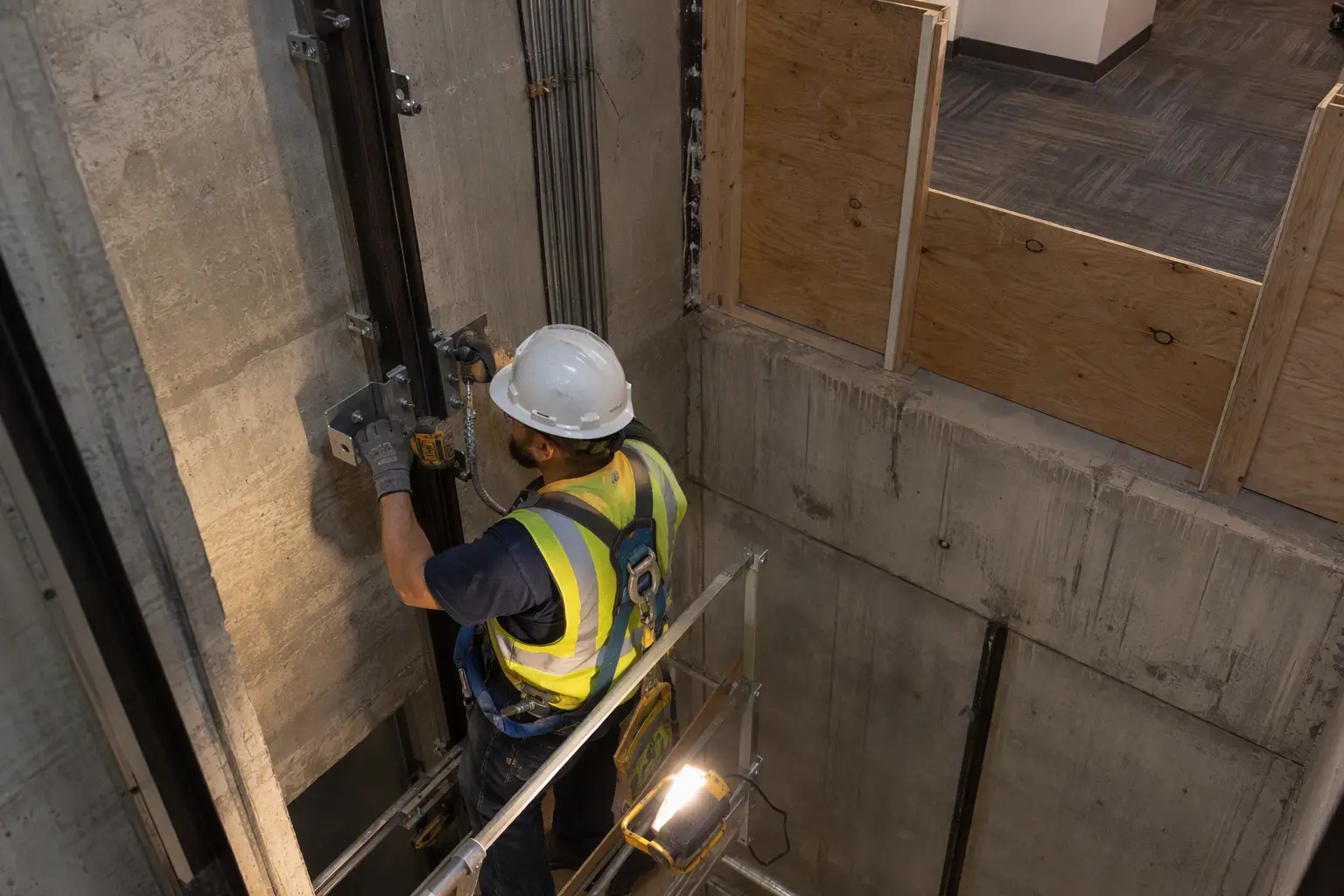
- Establish a construction exclusion zone. Erect hoistway barriers that meet OSHA construction standards, clearly delineating the work zone from occupied space. Signage and physical barriers protect both workers and building users.
- Schedule noisy and disruptive work during off-peak hours. Core drilling, concrete breaking, and overhead steel installation can be shifted to evenings, weekends, or low-occupancy windows (such as holiday periods) to minimize impact on tenants.
- Complete hoistway and pit construction first. Finishing the structural shell before equipment arrives allows the building envelope to return to a cleaner state sooner, reducing ongoing disruption.
- Sequence equipment delivery to match site readiness. Stagger rail, cab, and machine-room equipment deliveries so that loading docks and service corridors are not clogged for extended periods.
- Coordinate temporary vertical transportation. If the new elevator is replacing or supplementing an existing unit that must be taken offline during final tie-in work, arrange temporary access accommodations—particularly for ADA-obligated routes—in advance.
- Schedule TDI final inspection and witness testing. Book the state inspection well ahead of the target completion date. Inspection availability can create scheduling bottlenecks; early booking keeps the project on timeline.
—
What Type of Elevator System Works Best for Retrofit Installations in Occupied Houston Buildings?
Machine-room-less (MRL) traction systems and hydraulic elevators are both widely used in Houston retrofit projects, and the right choice depends on building height, structural conditions, and available mechanical space.
MRL traction systems eliminate the need for a dedicated overhead machine room, which is a significant advantage in existing buildings where carving out mechanical space is costly or structurally prohibitive. They are well-suited for mid-rise office and residential buildings.
Hydraulic systems remain a practical choice for low-rise applications—typically up to five or six stops—where a below-ground cylinder or above-ground holeless configuration fits the existing pit conditions. Modern above-ground holeless hydraulic units reduce excavation requirements, which can be a decisive advantage in downtown Houston where soil conditions and underground utilities complicate below-grade work.
Both system types must comply with ASME A17.1 as of the edition adopted by TDI, and both require TDI-witnessed acceptance testing before the certificate of operation is issued.
—
How Long Does a New Elevator Installation Typically Take in an Existing Building?
Project duration varies based on building complexity, structural conditions, permit review timelines, and equipment lead times. Straightforward low-rise hydraulic installations in buildings with pre-existing shaft space can move more quickly than mid-rise traction retrofits requiring new structural steel and extensive hoistway construction. Building owners should discuss realistic timelines with their elevator contractor and permit expeditor at the outset, accounting for TDI permit review, equipment manufacturing lead times, and inspection scheduling—all of which have independent variables that affect the critical path.
—
What Are the ADA Requirements for a New Elevator in an Altered Existing Building?
Under the ADA, when a building undergoes alterations that affect usability, the path of travel to the altered area—including vertical access—must be made accessible to the extent technically and financially feasible. For elevator installations triggered by such alterations, this means the new cab must provide accessible interior dimensions, compliant control panel height and button specifications, audible and visual floor indicators, and door timing that accommodates users with mobility devices. Houston buildings that are places of public accommodation or commercial facilities are subject to ADA Title III requirements; government facilities follow Title II standards.
Early engagement with an ADA-experienced elevator consultant or contractor helps identify whether any variances or alternative compliance paths are available under the applicable standards before construction begins.
—
What Structural and Mechanical Factors Must Be Evaluated Before Installation Begins?
Before design documents can be finalized, a licensed structural engineer should evaluate the following in any existing Houston building:
- Load-bearing capacity of floors adjacent to the proposed hoistway and the overhead machine support structure (for traction systems).
- Pit depth and waterproofing — Houston’s high water table and flood-prone geography make pit drainage and waterproofing critical design elements.
- Overhead clearance required by ASME A17.1 for the selected drive system.
- Electrical service capacity — new elevator equipment requires dedicated circuits sized to the drive and lighting requirements; existing panels may need upgrading.
- HVAC and ventilation for the machine room or machine space, as required by ASME standards.
In Houston’s climate, humidity control in machine spaces also deserves attention, as high ambient moisture can accelerate wear on control systems and drive components if not properly managed.
—
How Should Building Owners Evaluate and Select an Elevator Contractor in Houston?
Texas law requires elevator contractors to be licensed through TDI. When evaluating candidates, building owners should confirm active licensure, review the contractor’s experience with similar retrofit projects in occupied buildings, and ask for references from Houston-area properties of comparable scope and occupancy type.
A qualified contractor will provide a detailed project schedule with defined construction phases, noise and disruption windows, permit submission timelines, and a commissioning and testing plan. Transparency at the proposal stage is a reliable indicator of execution quality.
AmeriTex Elevator serves commercial, institutional, and residential clients throughout Houston and the greater Texas market, providing code-compliant installation planning, TDI permit coordination, and ongoing maintenance and inspection services for new and existing elevator systems.
—
What Ongoing Maintenance and Inspection Obligations Apply After Installation in Texas?
Once a new elevator receives its TDI certificate of operation, the building owner assumes ongoing compliance obligations. Texas requires periodic inspections of operating elevators, and the certificate of operation must be renewed on a schedule set by TDI. Elevators must be maintained in safe operating condition, and maintenance records should be retained as documentation of compliance.
The ASME A17.1 and ASME A17.3 codes establish maintenance, testing, and inspection intervals for various elevator components. A comprehensive maintenance agreement with a licensed Texas elevator contractor helps ensure that required tests—such as periodic safety tests and governor and safety device tests—are performed on schedule and properly documented.
For buildings with multiple elevators, staggering maintenance windows across units ensures vertical transportation remains available to occupants and visitors at all times—applying the same continuity-of-operations mindset that governs the installation phase.
AmeriTex Elevator provides full-service maintenance programs for Houston buildings, keeping systems compliant with TDI requirements and ASME A17.1/A17.3 standards through 2026 and beyond. Emergency service is available when operational issues arise, ensuring building owners have a licensed resource to call when unplanned outages threaten occupant access.
—
Ready to Plan Your New Elevator Installation Without Interrupting Operations?
AmeriTex Elevator’s team works with Houston building owners, property managers, and general contractors to develop installation plans that keep buildings running while new vertical transportation systems are built to full code compliance. From initial feasibility through TDI inspection and long-term maintenance, AmeriTex provides end-to-end support tailored to the realities of Houston’s built environment.
Schedule a Free Consultation today to discuss your project scope, site conditions, and timeline: 866-679-4313
Need elevator service you can rely on? AmeriTex Elevator is ready to help.