Elevator Service in Houston, TX | AmeriTex Elevator
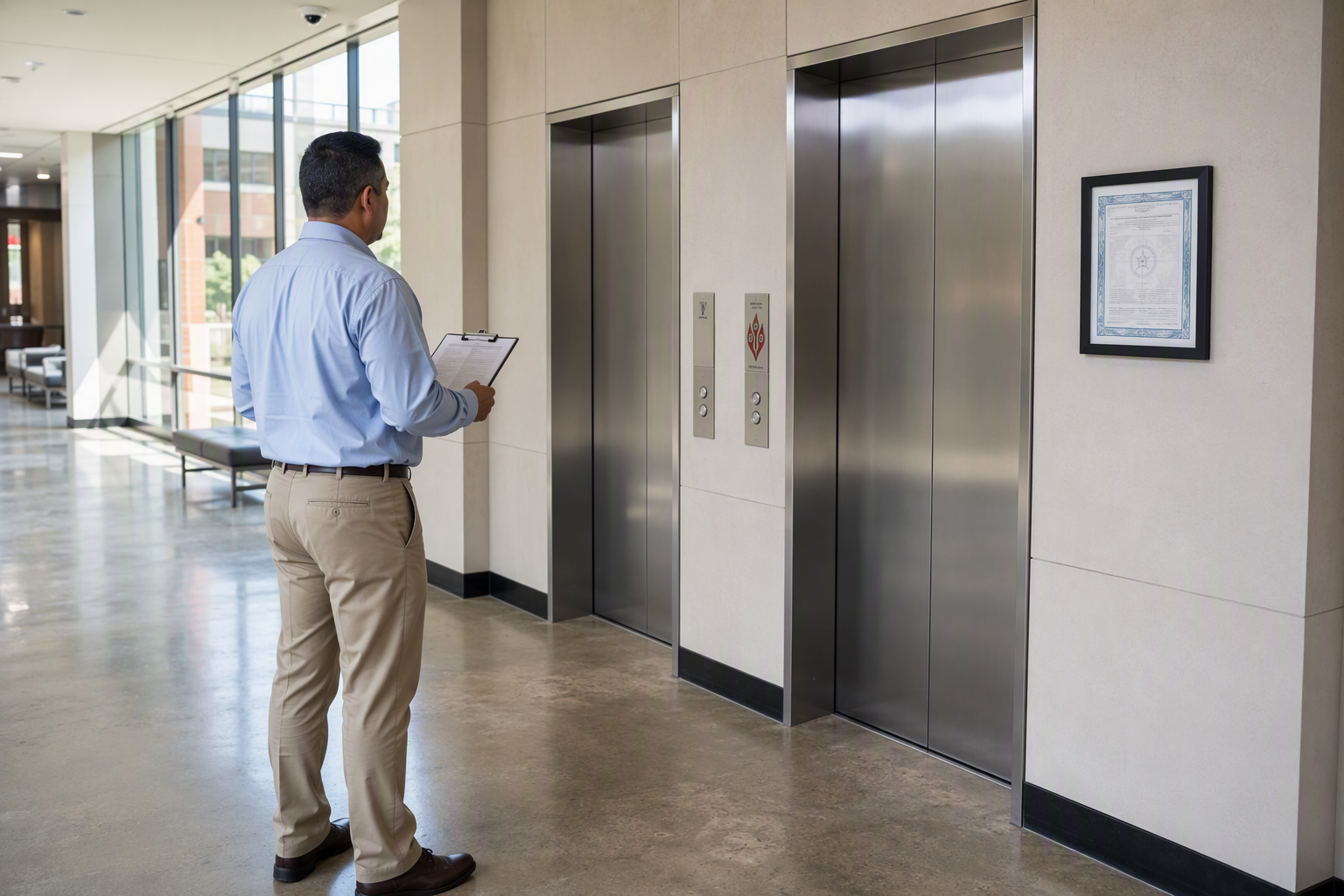
Schools and universities in Texas are required to register, inspect, and maintain elevators in compliance with rules enforced by the Texas Department of Insurance. Institutions in both Texas and California must also meet federal ADA accessibility requirements and follow the ASME A17.1 and A17.3 safety codes. AmeriTex Elevator helps educational campuses in Houston and across Texas and California maintain full compliance through scheduled maintenance, safety inspections, and consultation services.
What elevator safety codes apply to schools and universities in Texas?
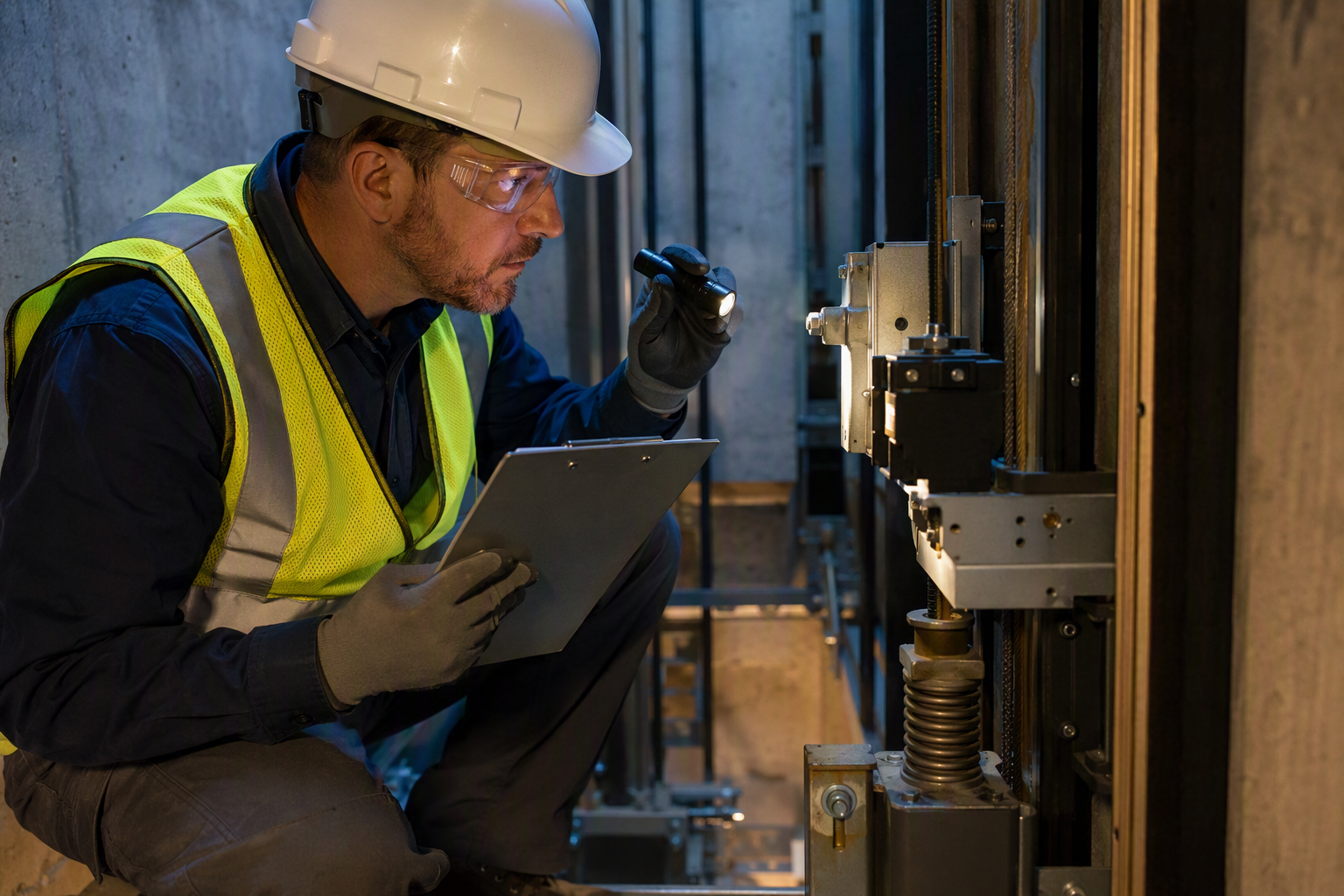
In Texas, elevators located in educational facilities — including K–12 schools, community colleges, and universities — are governed by the Texas Elevator Safety Act, administered by the Texas Department of Insurance (TDI). TDI oversees the registration, periodic inspection, and certification of elevators throughout the state, including those on educational campuses.
Texas adopts the ASME A17.1 Safety Code for Elevators and Escalators as its foundational technical standard for new installations. For existing equipment, the ASME A17.3 Safety Code for Existing Elevators and Escalators provides the applicable guidance. Educational institutions must ensure that all elevator equipment meets these standards regardless of the age of the building.
Additionally, any elevator in a school or university open to students, staff, or the public must comply with ADA Title II requirements, which mandate accessible routes and operable elevator controls for individuals with disabilities.
What elevator inspection requirements apply to educational facilities in Texas?
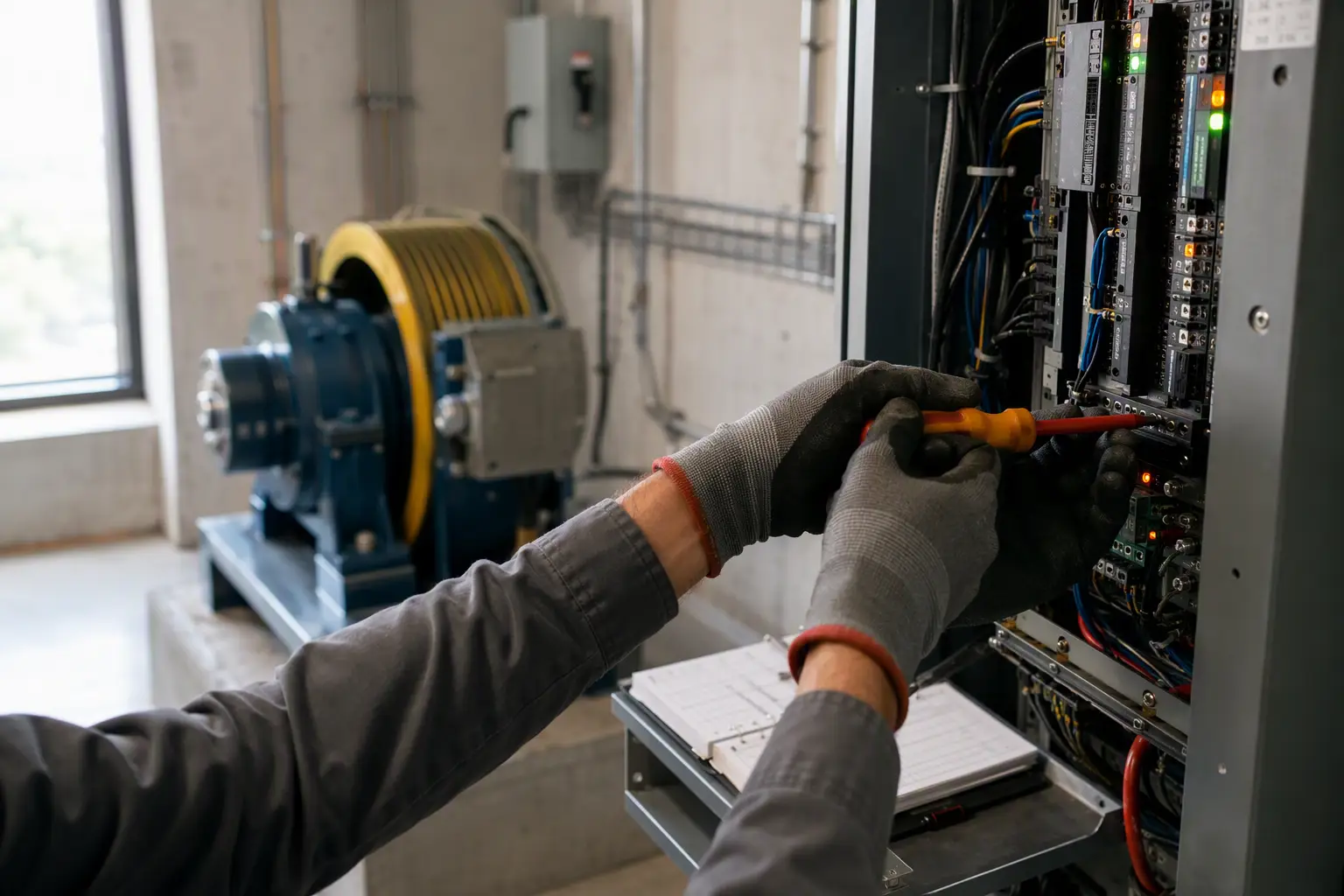
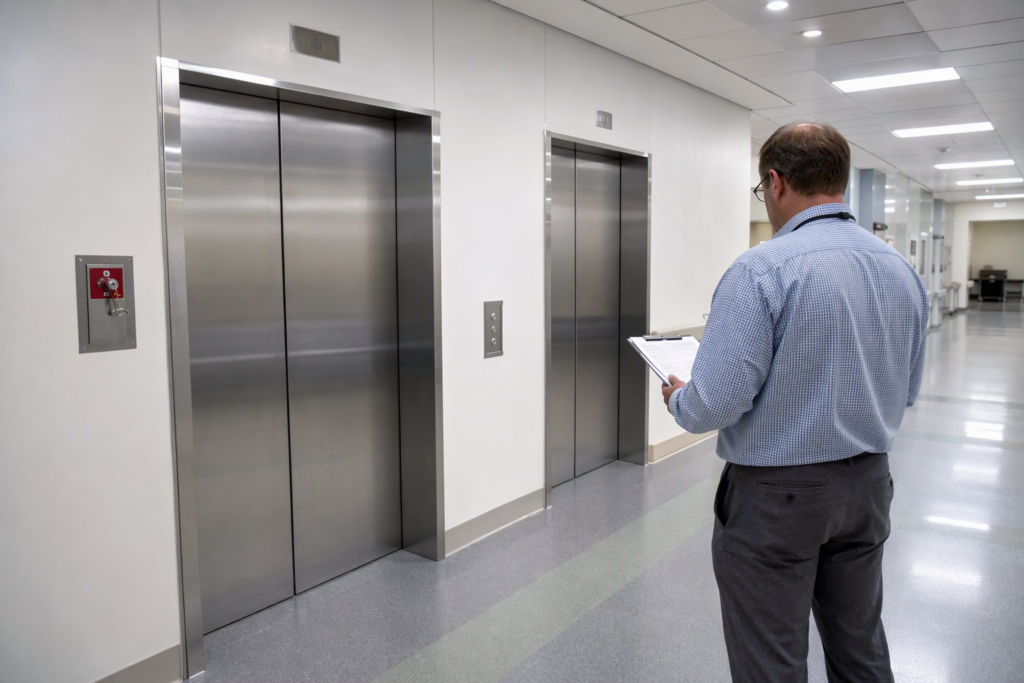
The Texas Department of Insurance requires that elevators in all regulated buildings — including educational institutions — undergo periodic safety inspections conducted by a licensed elevator inspector. The inspection process includes a review of mechanical components, safety devices, emergency systems, and operational compliance with ASME standards.
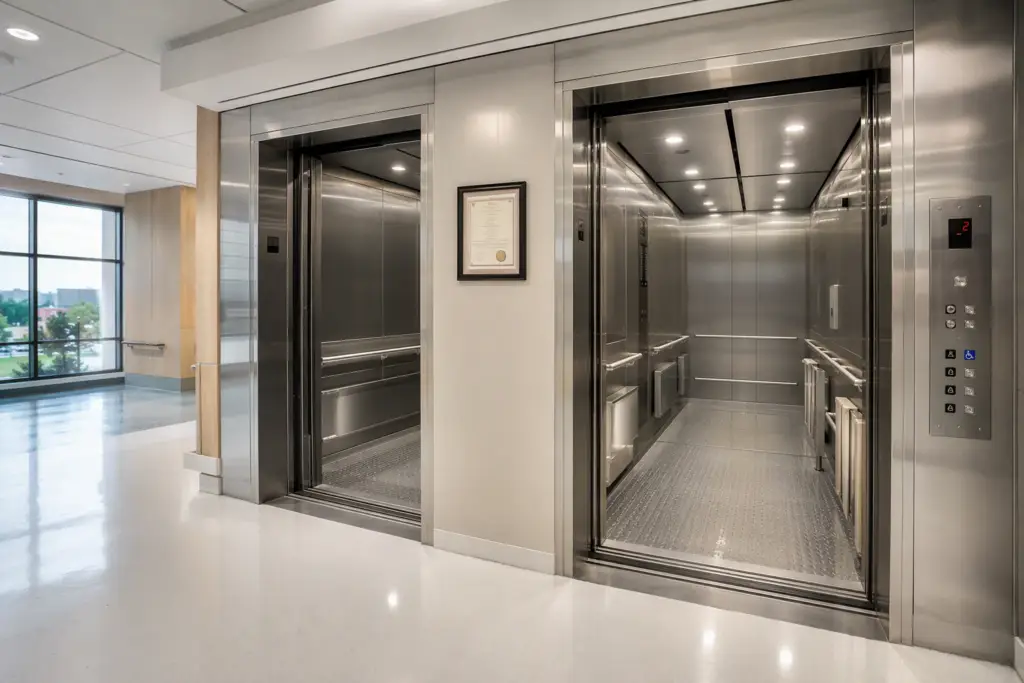
Upon passing inspection, TDI issues a Certificate of Compliance, which must be posted inside the elevator cab. Texas educational institutions are responsible for ensuring that certificates remain current and that any deficiencies identified during inspection are corrected promptly. Operating an elevator without a valid certificate is a violation of state law.
The authority having jurisdiction (AHJ) for most Texas educational facilities is TDI, though some larger university systems or facilities districts may coordinate with local authorities as well. Campus facilities managers should confirm the applicable AHJ with TDI when questions arise.
What elevator maintenance obligations do Texas schools have between inspections?
Compliance with ASME A17.1 and state rules does not end with a passed inspection. Educational institutions in Texas are expected to maintain a documented, ongoing maintenance program. The ASME A17.1 Safety Code for Elevators and Escalators outlines categories of maintenance tasks — including periodic examination, lubrication, adjustment, and repair — that elevator contractors must perform to keep equipment in safe operating condition.
Schools with high daily ridership — such as universities with large student populations — benefit from more frequent maintenance intervals to address accelerated wear. A qualified elevator service company can help campus facilities teams build a maintenance schedule aligned with equipment age, usage patterns, and code obligations.
What elevator requirements apply to schools and universities in California?
In California, elevators in educational institutions are regulated through the California Department of Industrial Relations, Elevator Unit, which operates under the Division of Occupational Safety and Health (Cal/OSHA). California enforces its own state elevator safety regulations, and inspections are performed by certified inspectors licensed by the state.
California educational facilities must comply with the state’s adopted version of the ASME A17.1 Safety Code for Elevators and Escalators for new equipment, and the ASME A17.3 Safety Code for Existing Elevators and Escalators for equipment already in service. Like Texas, California requires that inspections be completed on a periodic basis and that a valid permit be displayed in the elevator cab.
ADA compliance under Title II of the Americans with Disabilities Act also applies to all publicly operated educational institutions in California, making accessible elevator service a legal as well as operational priority.
How does the ADA affect elevator requirements for educational institutions in Texas and California?
Both Texas and California educational institutions that serve the public — including all public schools, public universities, and private universities open to general enrollment — must provide accessible elevator service in compliance with the Americans with Disabilities Act. ADA requirements govern cab dimensions, door timing, control panel height and labeling, audible signals, and floor identification for visually impaired users.
Elevator modernization projects at older campuses often involve bringing existing equipment into ADA compliance at the same time as mechanical upgrades. Facilities teams planning renovations should evaluate ADA requirements early in the project timeline to avoid costly redesigns later.
What should a school or university do if an elevator fails or is taken out of service?
When an elevator in an educational facility goes out of service, the institution must act promptly to protect both safety and ADA compliance. The following steps outline the recommended response protocol:
- Remove the elevator from service immediately if it poses a safety hazard, and post clear signage at all landings directing users to alternative accessible routes.
- Notify campus facilities management and risk management of the outage and document the date, time, and nature of the failure.
- Contact a licensed elevator service company to diagnose the problem and begin repair or assessment as quickly as possible.
- Assess ADA impact — determine whether any students, faculty, or staff with disabilities are affected and whether a temporary accommodation plan is required under ADA obligations.
- Notify the AHJ (TDI in Texas, the California Elevator Unit in California) if the failure involves a safety device or if the elevator will remain out of service for an extended period, as notification obligations may apply.
- Document all repair work and retain records for inspection purposes, as maintenance logs are subject to review by state inspectors.
- Restore service only after the elevator passes a safety check by a qualified elevator mechanic and, where required, an inspection by a certified inspector.
AmeriTex Elevator is available to respond to service needs at educational facilities in Houston and throughout Texas and California, providing licensed technicians who understand the regulatory requirements applicable to school and university environments.
How can educational institutions in Houston plan for long-term elevator compliance?
Long-term compliance for schools and universities involves more than scheduling periodic inspections. Campus facilities teams benefit from a structured approach that addresses maintenance, equipment lifecycle, modernization planning, and documentation.
Key elements of a sustainable elevator compliance program for educational institutions include:
- A written preventive maintenance agreement with a licensed elevator service provider that specifies the scope and frequency of maintenance tasks aligned with ASME A17.1 requirements.
- Maintenance logs and inspection records retained and accessible for review by TDI or other authorities having jurisdiction.
- Periodic equipment assessments to identify aging components that may require modernization before they cause unplanned outages or fail inspection.
- ADA compliance reviews incorporated into any renovation or modernization project.
- Staff awareness protocols so that campus personnel know how to respond to elevator malfunctions and whom to contact.
AmeriTex Elevator serves educational campuses in Houston, TX and across Texas and California, offering maintenance programs and compliance consultations tailored to the specific demands of school and university environments.
Why do educational campuses in Houston choose AmeriTex Elevator for compliance support?
AmeriTex Elevator has developed deep familiarity with the regulatory landscape governing elevators in Texas and California, including the specific inspection and maintenance requirements that apply to educational institutions. The company serves a broad range of markets in Houston and throughout both states — from K–12 campuses and community college districts to large research universities.
Educational clients value AmeriTex Elevator’s ability to align maintenance programs with TDI compliance requirements, coordinate with inspectors, and provide the documentation support that campus facilities managers need during audits and accreditation reviews. Emergency service availability is provided for situations requiring urgent attention, ensuring that campuses can respond to unexpected elevator failures without extended disruptions to accessible building access.
AmeriTex Elevator is certified to perform elevator maintenance and inspection work in Texas and California, making the company a qualified partner for institutions that operate equipment subject to regulations in either state.
Schedule a Free Consultation
If your school or university in Houston or anywhere in Texas or California needs a compliance review, a new maintenance agreement, or guidance on meeting TDI or state elevator requirements, AmeriTex Elevator is ready to help.
Call AmeriTex Elevator today at 866-679-4313 to schedule your free consultation. A member of the AmeriTex team will review your facility’s current elevator compliance status and recommend a maintenance or inspection plan aligned with applicable Texas or California requirements.
Need elevator service you can rely on? AmeriTex Elevator is ready to help.