
Elevator Modernization & Repair Tax Timing: Complete FAQ for Building Owners
For commercial and multifamily building owners in Texas and California, elevator modernization and repair decisions carry significant tax implications. Understanding when work must be completed, what qualifies as a deductible repair versus a capital improvement, and how state and federal code compliance intersects with tax strategy is essential for maximizing year-end benefits. This FAQ covers every angle of the topic — from IRS rules and ASME compliance to scheduling considerations in Houston, Dallas, Austin, San Antonio, Los Angeles, and San Diego.
What is the tax deadline for elevator modernization work to qualify as a same-year deduction?
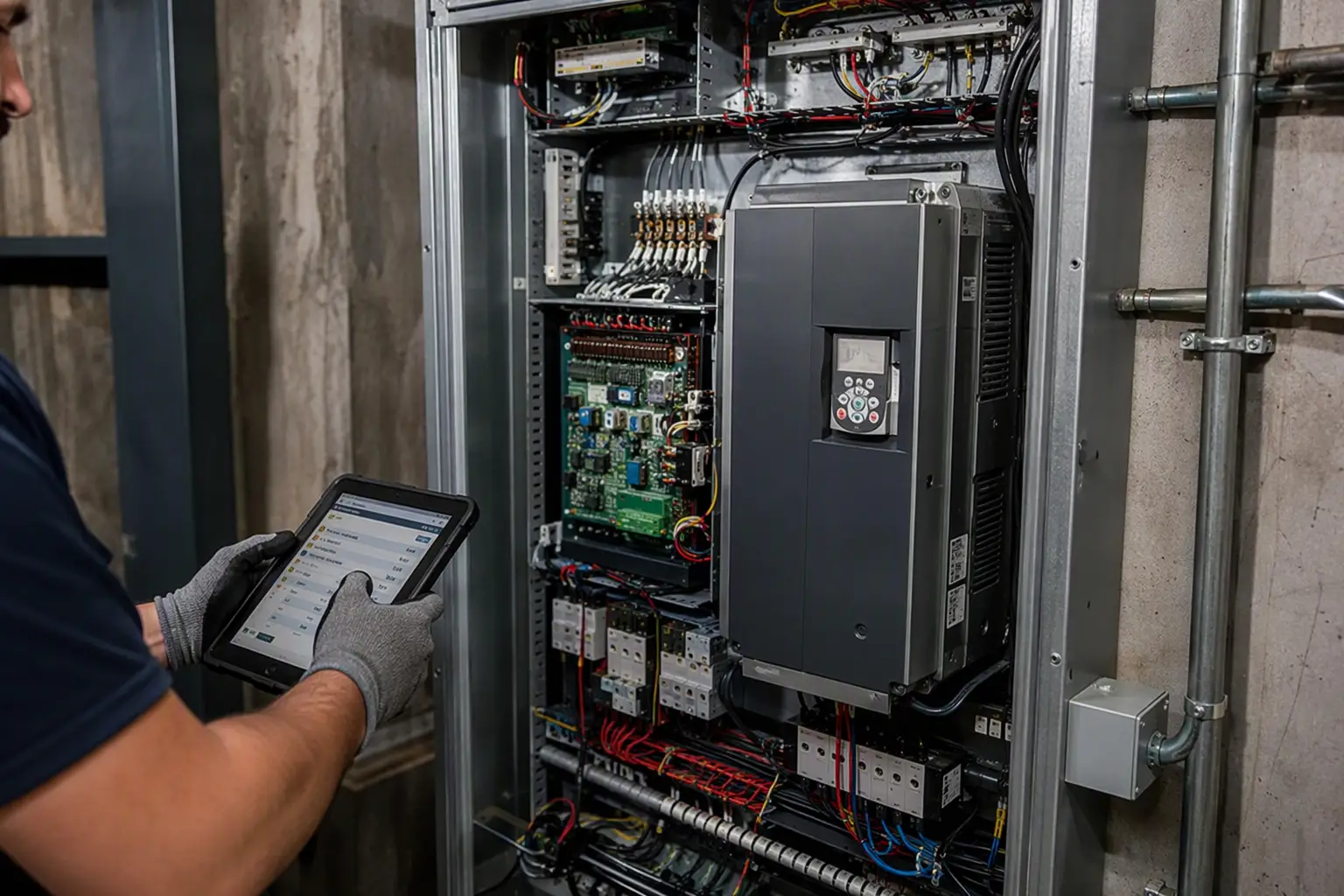
Elevator modernization or repair work must be placed in service — fully installed and operational — by December 31 of the tax year to qualify for that year’s deduction or bonus depreciation credit.
The IRS “placed in service” standard is the controlling rule under both Section 179 expensing and the bonus depreciation provisions of Section 168(k) of the Internal Revenue Code. A signed contract or a partial installation is generally not sufficient. The elevator system, component, or modernization upgrade must be complete and capable of operation before the calendar year closes. Building owners who miss this window must defer the deduction to the following tax year, which can materially affect cash flow planning.
Because elevator modernization projects — especially full cab modernization, hydraulic system upgrades, or machine-room-less (MRL) conversions — can take several weeks from assessment to final inspection, working backward from December 31 is critical. A project that begins in late November may not pass final inspection before the year-end cutoff.
What is the difference between an elevator “repair” and a “capital improvement” for IRS purposes?
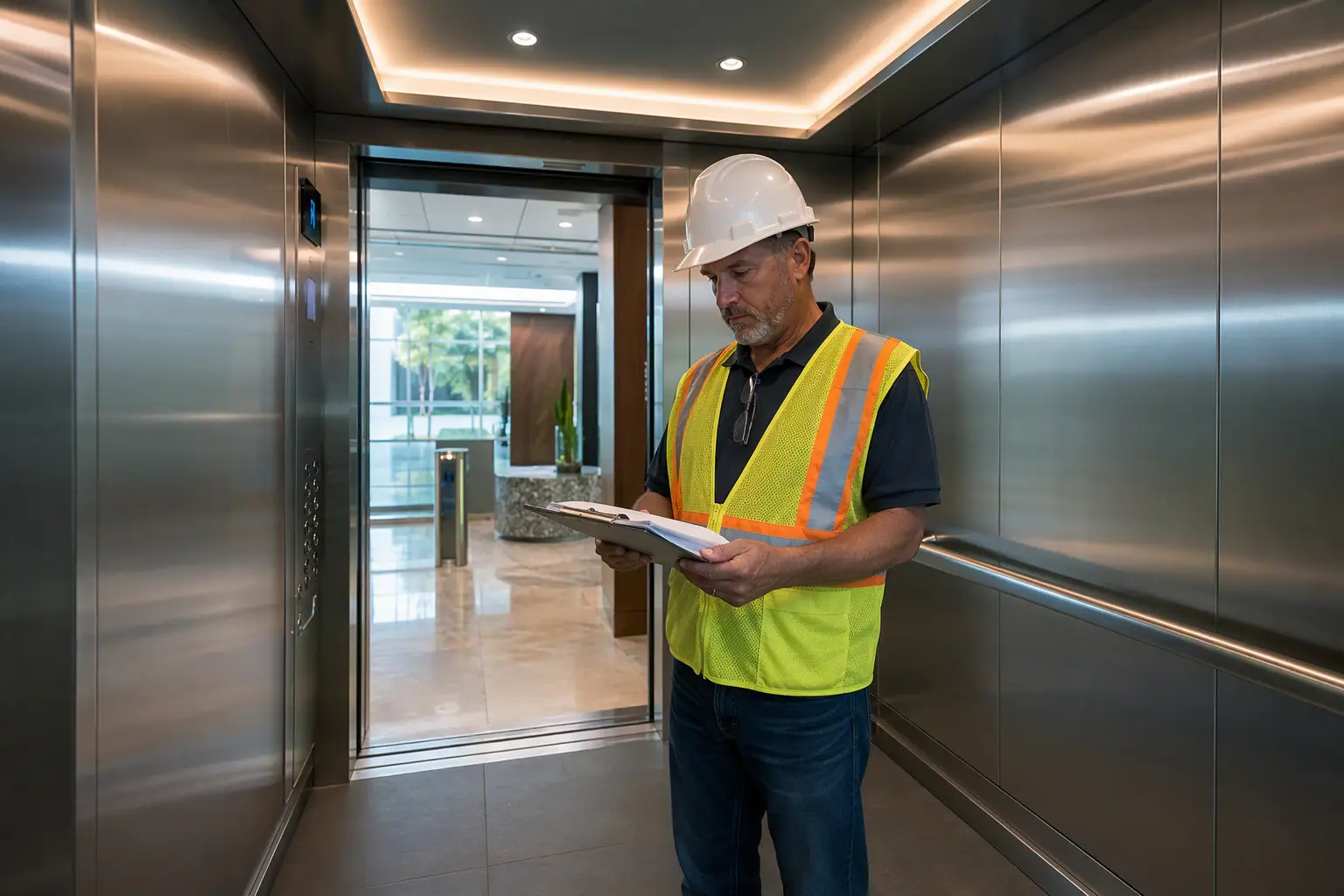
The IRS distinguishes repairs that restore an asset to working condition (deductible as ordinary business expenses) from capital improvements that add value, extend useful life, or adapt an elevator to a new use (capitalized and depreciated over time).
This distinction matters because repairs can typically be expensed in full in the year they occur, while capital improvements must be depreciated — unless accelerated depreciation elections like Section 179 or bonus depreciation apply. Under the IRS Tangible Property Regulations (TPR), elevator work is analyzed using the “RABI” framework: Betterment, Adaptation, and Restoration tests. Replacing worn cables or correcting a safety code deficiency may qualify as a deductible repair, while replacing an entire drive system with modern variable-frequency drive (VFD) technology is more likely treated as a capital improvement.
Building owners should consult a qualified CPA or tax advisor to classify elevator expenditures correctly. AmeriTex Elevator can provide detailed work orders and equipment documentation that support the tax characterization process.
How does Section 179 expensing apply to elevator modernization projects?
Section 179 of the Internal Revenue Code allows businesses to deduct the full cost of qualifying property — including certain building system improvements — in the year the property is placed in service, subject to annual dollar limits set by the IRS.
For tax years governed by current IRS guidance, elevator systems in commercial buildings may qualify as “qualified improvement property” (QIP) or as a component eligible for Section 179 expensing, depending on how the work is classified. QIP generally includes improvements to the interior of a nonresidential building after the building was first placed in service. A full elevator modernization that replaces the controller, drives, cab interior, and door operators in a commercial office building is a strong candidate for QIP treatment.
Critically, the property must be placed in service — not merely contracted or paid for — within the tax year. Building owners targeting a 2026 tax year deduction must ensure the elevator system is operational before December 31, 2026.
What is the “placed in service” date for an elevator modernization project?
The “placed in service” date for an elevator is the date on which the modernized or repaired system passes final inspection by the authority having jurisdiction (AHJ) and is returned to normal passenger or freight operation.
In Texas, elevators are regulated under the Texas Department of Insurance (TDI), Elevator Safety Unit. In California, elevators in most occupancies fall under the Division of Occupational Safety and Health (Cal/OSHA) Elevator, Ride, and Tramway Unit. Both agencies require a post-modernization inspection before a unit is returned to service. The date of that inspection approval — not the date work begins, not the date of equipment delivery, and not the date the invoice is paid — is generally the operative “placed in service” date for tax purposes.
This means project scheduling must account for inspection lead times at the relevant AHJ. In high-volume jurisdictions such as Houston, Dallas, Los Angeles, and San Diego, inspection scheduling can add days or weeks to a project timeline, creating additional risk for year-end placements.
How far in advance should building owners schedule elevator modernization to meet a year-end tax deadline?
Building owners targeting a December 31 placed-in-service date should begin the assessment, contracting, and permitting process no later than early Q3 — and ideally by late Q2 — to buffer for permitting delays, equipment lead times, and inspection scheduling.
A realistic modernization timeline from initial assessment to final inspection typically includes: site assessment and scope development; engineering and specification; permitting with the local building department and AHJ; equipment procurement (which can carry lead times of several weeks for controllers, drives, and cab components); installation; and final inspection. Each phase has its own potential delay, and year-end demand from other building owners chasing the same tax deadline compresses contractor and inspector availability in Q4. AmeriTex Elevator serves building owners in Houston, Dallas, Austin, San Antonio, Los Angeles, and San Diego and recommends initiating the conversation by mid-year for any project with a December 31 target.
What elevator components or systems are most commonly modernized for both compliance and tax purposes?
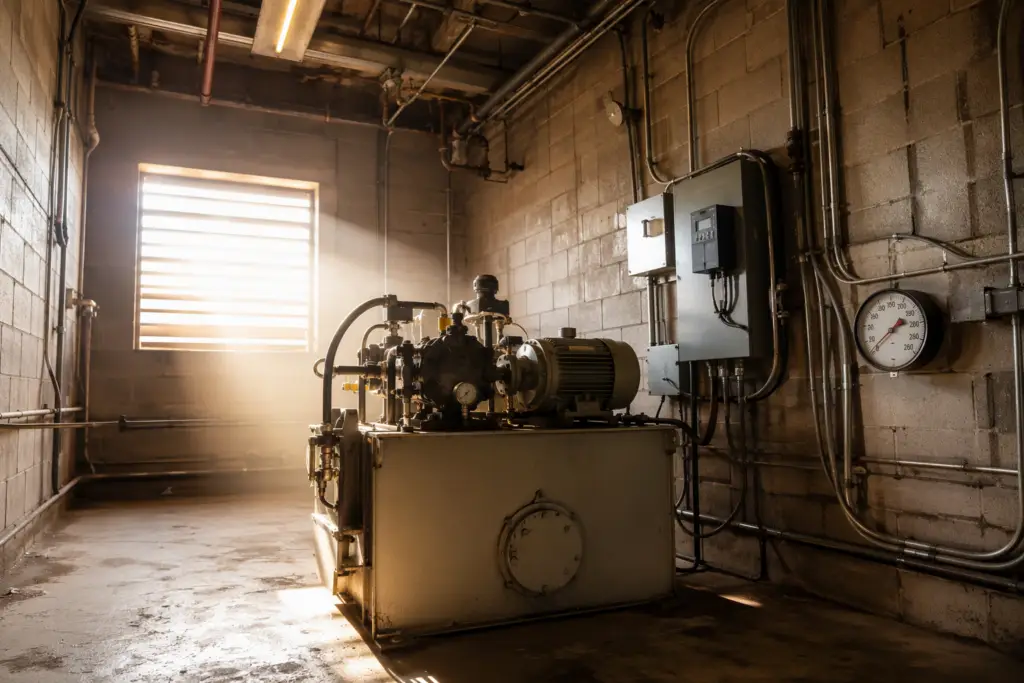
The most commonly modernized elevator components that carry both compliance significance and potential tax benefit include controllers, drive systems, door operators, cab interiors, lighting, and hydraulic power units.
| Component / System | Common Modernization Scope | Compliance Driver | Typical Tax Treatment |
|---|---|---|---|
| Controller | Relay logic to solid-state or microprocessor | ASME A17.3 existing installations | Capital improvement / QIP candidate |
| Drive System | DC to AC variable-frequency drive (VFD) | Energy code compliance; AHJ requirement | Capital improvement / Section 179 candidate |
| Door Operators & Restrictors | Replace worn operators; add door restrictors | ASME A17.3 retrofits | Repair or capital improvement (fact-specific) |
| Cab Interior / Lighting | LED retrofit; ADA-compliant controls and signage | ADA accessibility requirements | Repair or capital improvement (fact-specific) |
| Hydraulic Power Unit | Replace pump/motor/valve assembly | Environmental; AHJ requirement | Capital improvement / QIP candidate |
| Safety Devices (buffers, governors) | Upgrade to current code specification | ASME A17.1 / A17.3 | Repair (restores safe condition) |
| Emergency Lighting / Communications | Add two-way communication; battery backup | ASME A17.1; ADA | Repair or capital improvement (fact-specific) |
Note: Tax treatment is fact-specific and should be confirmed with a qualified tax professional. The table above reflects general industry characterizations, not legal or tax advice.
Does elevator modernization required for ASME or ADA compliance affect how the work is taxed?
Compliance-driven elevator work may qualify as a deductible repair under the IRS restoration test if the work corrects a safety deficiency and returns the elevator to its ordinarily functioning condition, but this is not automatic — the tax treatment still depends on the scope and cost of the work relative to the unit of property.
The ASME A17.1 Safety Code for Elevators and Escalators and the ASME A17.3 Safety Code for Existing Elevators and Escalators set the technical standards governing elevator safety in Texas and California. When the applicable AHJ issues a notice requiring retrofits to comply with ASME A17.3 — such as adding door restrictors, firefighters’ service features, or emergency lighting — building owners often assume the forced-compliance nature of the work guarantees a repair deduction. While compliance-mandated work is consistent with the restoration test, tax counsel must still evaluate whether the work rises to the level of a betterment or adaptation, which would require capitalization.
Similarly, ADA accessibility upgrades — such as adding Braille signage, lowering control panels, or installing audible signals — are typically lower-cost, component-level changes that support repair treatment, but a full cab reconfiguration to meet ADA dimensions could be treated as a capital improvement.
What records and documentation should building owners collect to support an elevator tax deduction?
Building owners should collect the original scope of work, invoices itemized by component, equipment specifications, the AHJ inspection certificate, and the contractor’s work completion sign-off to substantiate the placed-in-service date and support the chosen tax treatment.
Documentation quality is the foundation of a defensible tax position. Key records include:
- Detailed contractor invoices listing each component replaced or upgraded, with unit costs and installation labor separated
- Equipment delivery receipts or manufacturer bills of sale showing the date components arrived on-site
- Building permit application and permit issuance date from the local jurisdiction
- Final inspection certificate or Letter of Approval from the Texas Department of Insurance Elevator Safety Unit (for Texas properties) or the Cal/OSHA Elevator, Ride, and Tramway Unit (for California properties)
- Pre- and post-modernization condition photographs
- The original maintenance contract or inspection reports showing the pre-existing condition of the unit
AmeriTex Elevator provides detailed work documentation and can coordinate with building owners to ensure the paperwork trail supports the tax and compliance record simultaneously.
How do Texas elevator regulations affect year-end modernization project timing?
In Texas, elevator modernization projects require permits issued by the Texas Department of Insurance Elevator Safety Unit, and final inspections must be completed before the unit is returned to service — both of which can affect whether a project achieves a December 31 placed-in-service date.
Texas building owners in Houston, Dallas, Austin, and San Antonio must factor in TDI permit processing times, which can vary depending on workload and project complexity. Modernization projects that involve alterations to the elevator’s drive, control, or safety systems typically require a plan review before a permit is issued. Work performed without the required permit is not only a code violation but also jeopardizes the validity of the placed-in-service date, since the AHJ inspection — required for the unit to legally return to service — cannot occur on unpermitted work.
Building owners targeting year-end completion should initiate the TDI permitting process as early as possible, recognizing that Q4 demand from other building owners with the same tax motivation can increase processing times across Texas markets.
How do California elevator regulations affect year-end modernization project timing?
In California, elevator modernization requires permits from and final inspection by the Cal/OSHA Elevator, Ride, and Tramway Unit before the unit is returned to service, and inspection backlogs in high-density markets like Los Angeles and San Diego can introduce significant lead time risk for December 31 deadlines.
California’s elevator regulatory framework imposes rigorous plan approval and inspection requirements for modernization work. Permit applications must include engineering documentation and plans for review. The Cal/OSHA unit’s inspection schedule in Los Angeles and San Diego — two of the largest elevator markets in the United States — can be heavily booked, particularly in Q4. Building owners who initiate projects in October or November face a meaningful risk that the final inspection cannot be completed before December 31, even if the physical installation work is finished.
California building owners should treat the inspection appointment date as the controlling constraint in project scheduling, not the contractor’s installation completion date.
What is the step-by-step process for completing elevator modernization before a year-end tax deadline?
The process for completing elevator modernization before a year-end tax deadline follows a defined sequence from initial assessment through final inspection and documentation.
- Commission a professional elevator assessment. Engage a qualified elevator service company to evaluate the current condition of each elevator unit, identify ASME A17.1/A17.3 compliance gaps, ADA deficiencies, and mechanical wear requiring modernization. This assessment forms the basis for the scope of work.
- Define the scope of work and obtain budget pricing. Work with the elevator contractor to determine what components will be replaced or upgraded, whether the work is more likely to be characterized as a repair or capital improvement, and the estimated project cost.
- Engage a CPA or tax advisor to confirm tax strategy. Before contracting, have the proposed scope reviewed by a tax professional to confirm the anticipated tax treatment and verify that the project structure supports the intended deduction.
- Execute the elevator service contract. Execute a contract with the elevator modernization contractor that clearly specifies completion milestones and a target placed-in-service date consistent with the year-end deadline.
- Submit permit applications to the AHJ. File permit applications with the applicable AHJ — TDI in Texas or Cal/OSHA in California — as early as possible after contracting. Do not wait until equipment is ordered or delivered.
- Procure equipment and schedule installation. Confirm equipment lead times from manufacturers. Coordinate installation scheduling with the contractor to ensure installation is complete with adequate time before the inspection window.
- Complete installation and request final inspection. Once the physical installation is complete and the contractor has performed internal testing, submit the request for final AHJ inspection. In California and Texas, this is required before the elevator returns to service.
- Obtain final inspection certificate and document the placed-in-service date. Secure the written final inspection approval from the AHJ. This document, combined with the contractor’s completion sign-off, establishes the placed-in-service date.
- Compile the full documentation package for tax filing. Assemble all invoices, permits, inspection certificates, photographs, and work orders in a single package for delivery to the CPA for tax return preparation.
Can elevator repair or maintenance expenses be deducted in the same year they are paid, even without modernization?
Routine elevator maintenance and repair expenses — such as lubrication, adjustment, cable inspection, safety testing, and replacement of minor worn parts — are generally deductible as ordinary and necessary business expenses in the year they are paid or incurred under cash or accrual accounting, respectively.
The key distinction is that routine maintenance does not extend the useful life of the elevator or add significant new capacity or capability. Under the IRS Tangible Property Regulations, a repair allowance approach may allow building owners to deduct amounts spent on recurring maintenance items that a reasonably prudent building operator would expect to perform. Annual elevator inspections required under Texas and California regulations, for example, are clearly operating expenses. Replacement of a single worn component in an otherwise functional system is more likely to qualify as a repair than replacement of the entire system.
Building owners with deferred maintenance should consider completing outstanding repair work before year-end, as these expenditures are typically simpler to deduct in full as repairs compared to larger modernization projects.
How does bonus depreciation under Section 168(k) apply to elevator modernization in 2026?
Under Section 168(k) bonus depreciation rules as amended by federal tax legislation, qualifying elevator improvement property placed in service may be eligible for accelerated first-year depreciation; the applicable bonus depreciation percentage for 2026 should be confirmed with a tax advisor based on current IRS guidance, as the percentage has been subject to phase-down schedules under prior legislation.
Bonus depreciation under Section 168(k) has historically applied to new and used property, making it a relevant tool even for modernization work that incorporates used components from a prior system. The key requirements — that the property be placed in service within the tax year and that the taxpayer has not previously placed the same class of property in service — are consistent with the year-end timing discipline described throughout this FAQ. Building owners should confirm the current bonus depreciation percentage applicable to elevator property with a qualified CPA, as the percentage applicable in 2026 may differ from prior years based on legislative developments.
What ASME code compliance requirements should building owners address before year-end?
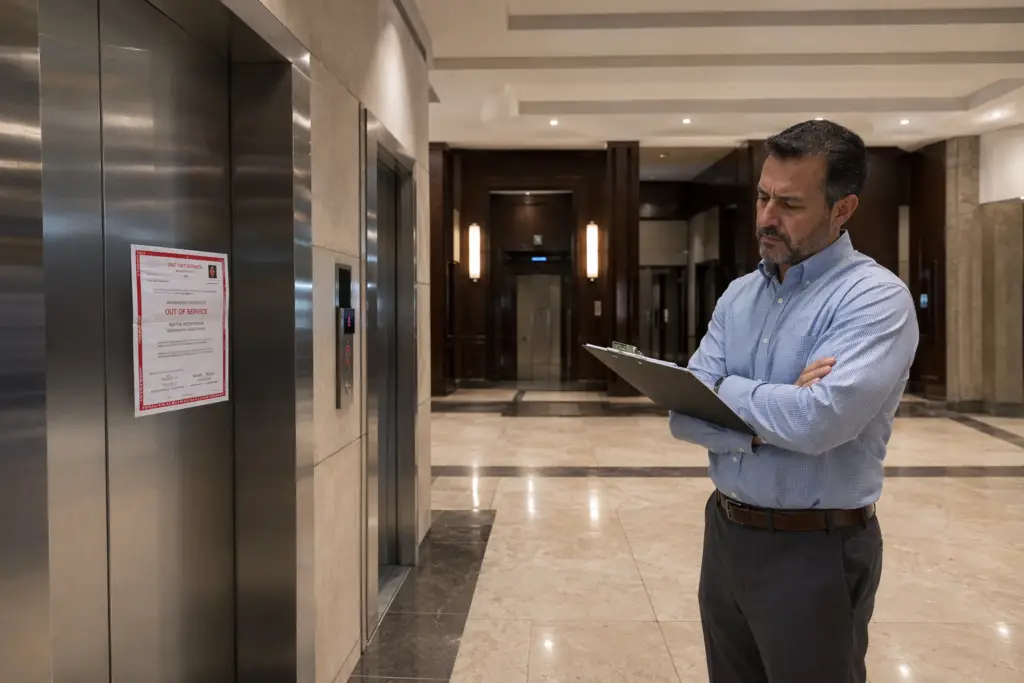
Building owners should prioritize any outstanding ASME A17.3 retrofit requirements that have been identified in recent annual inspections, as compliance-driven work supports both safety and the repair deduction argument under the IRS restoration test.
The ASME A17.3 Safety Code for Existing Elevators and Escalators establishes minimum safety standards for elevators already in service and is the code most commonly enforced through retrofit notices from AHJs in Texas and California. Common A17.3 retrofit requirements include door restrictors, firefighters’ emergency operation, pit stop switches, car lighting upgrades, and two-way communication systems. When an AHJ issues a compliance order, the building owner faces both a legal obligation to complete the work and a potential tax opportunity if the work is properly documented and timed.
Building owners who have received AHJ compliance notices should treat those notices as a priority trigger for year-end project planning, since failure to act creates ongoing regulatory exposure in addition to missing the tax timing window.
Does ADA elevator compliance work qualify for any special tax treatment?
Certain ADA elevator accessibility improvements may qualify for the Disabled Access Credit (IRS Form 8826) available to eligible small businesses, or as deductible barrier removal expenses under Section 190 of the Internal Revenue Code, providing an additional tax pathway beyond standard repair or depreciation treatment.
The ADA requires that elevators serving public accommodations and commercial facilities meet accessibility standards for items including cab dimensions, control panel heights, Braille markings, audible signals, and door timing. When building owners undertake these improvements, two federal tax provisions are potentially available: the Disabled Access Credit (for eligible small businesses with gross receipts or employee count below IRS thresholds) and the Section 190 barrier removal deduction (available to any taxpayer, subject to annual limits). Both require that the work be completed and placed in service within the tax year, reinforcing the December 31 deadline importance.
Building owners of facilities in Houston, Dallas, Austin, San Antonio, Los Angeles, and San Diego that have not yet fully addressed ADA elevator compliance should consider combining ADA retrofits with broader modernization work to maximize the combined tax benefit in a single project year.
What are the risks of starting an elevator modernization project too late in Q4?
Starting a modernization project too late in Q4 creates compounding risks: equipment lead-time delays, permit processing backlogs, contractor capacity constraints, and inspection scheduling conflicts can each independently prevent a December 31 placed-in-service date, resulting in a full-year deferral of the anticipated tax benefit.
Each of the following risk factors can independently derail a year-end timeline:
- Equipment lead times: Specialty elevator controllers, drive units, and hydraulic components are manufactured to order and may carry lead times that make a late Q4 delivery physically impossible.
- Permit processing: Both TDI (Texas) and Cal/OSHA (California) process elevated permit volumes in Q4 as other building owners pursue the same deadline, which can extend review times.
- Contractor availability: Qualified elevator modernization contractors have finite crew capacity. Projects initiated in October or November compete with other year-end projects for scheduling priority.
- Inspection availability: AHJ inspectors in large markets — particularly Los Angeles and Houston — schedule inspections weeks in advance, and year-end surges reduce available slots.
- Tenant coordination: Elevators in occupied commercial buildings require tenant notification and service interruption planning, which takes additional lead time in multi-tenant facilities.
How should building owners evaluate whether to accelerate an elevator modernization to capture a current-year tax benefit versus waiting until the next year?
Building owners should weigh the net present value of the current-year tax benefit against the incremental cost premium and operational disruption of accelerating the project, using the guidance of both a tax advisor and a qualified elevator consultant to assess the trade-off.
A modernization project that would need to be completed within the next one to three years regardless — due to equipment age, code compliance obligations, or maintenance cost trajectory — is a strong candidate for acceleration into the current tax year when the owner has sufficient taxable income to benefit from the deduction or bonus depreciation. Conversely, a building owner with minimal taxable income in the current year may derive limited benefit from acceleration and could be better served by a January start that allows more deliberate project planning without year-end pressure premiums.
The cost of delay also has a compliance dimension: elevators with open AHJ compliance notices accrue ongoing regulatory risk, and the cost of emergency repairs on aging equipment typically exceeds the cost of planned modernization.
What should building owners ask an elevator service company when evaluating a year-end modernization project?
Building owners evaluating a year-end modernization should ask the elevator service company for a realistic project timeline from assessment to final inspection, a list of potential delay risks specific to the jurisdiction, and documentation of the company’s experience coordinating with the applicable AHJ for final inspection scheduling.
Key questions to ask include:
- What is the current lead time for the specific controller, drive, or hydraulic components required for this project?
- How long does the relevant AHJ (TDI in Texas; Cal/OSHA in California) typically take to issue permits and schedule final inspections for this type of work?
- What is the contractor’s current Q4 project backlog, and can they commit to an installation completion date that provides adequate buffer before December 31?
- What documentation will be provided at project completion to support the placed-in-service date for tax purposes?
- Have there been recent changes to ASME A17.1 or A17.3 requirements that might expand the scope of required work beyond the initial estimate?
AmeriTex Elevator works with building owners in Texas and California to provide honest, detailed project timelines at the assessment stage — before contracts are signed — so that tax and operational decisions are based on realistic information.
How does elevator age and condition affect the urgency of year-end modernization decisions?
Elevators operating on aging relay-logic controllers, worn hydraulic systems, or obsolete drive technology face escalating maintenance costs and increasing risk of unplanned outages that independently justify modernization, and the combination of deferred maintenance risk and tax deadline incentives makes year-end action especially compelling for older units.
While there is no universal regulatory retirement age for elevator equipment under ASME A17.1 or A17.3, older systems — particularly those with relay-logic or older solid-state controllers, worn rope systems, or aging hydraulic power units — tend to generate increasing service calls, longer repair times due to parts obsolescence, and growing compliance exposure as AHJs apply current ASME standards to older installations. For building owners of facilities in Houston, Dallas, Austin, San Antonio, Los Angeles, and San Diego whose elevators have not been substantially upgraded in many years, the combination of rising maintenance costs and the availability of year-end tax incentives presents a compelling case for action before December 31.
Is there a difference in tax treatment between traction elevator modernization and hydraulic elevator modernization?
The IRS tax characterization of elevator modernization — repair versus capital improvement — is driven by the scope, cost, and effect of the work on the unit of property, not by whether the elevator is a traction or hydraulic type; both types of modernization are analyzed under the same IRS Tangible Property Regulation framework.
From a practical standpoint, hydraulic elevator modernizations often involve replacement of the power unit (pump, motor, valve, and sometimes the underground cylinder), while traction elevator modernizations typically center on the machine, controller, and drive system. Both types of projects can qualify as either repairs or capital improvements depending on the facts and the IRS unit-of-property analysis. What matters for tax purposes is whether the work constitutes a betterment, a restoration, or an adaptation of the elevator — not the mechanical type. The timeline and regulatory requirements discussed throughout this FAQ apply equally to traction and hydraulic elevator modernization projects in Texas and California.
How can AmeriTex Elevator help building owners meet a year-end elevator modernization deadline?
AmeriTex Elevator provides comprehensive modernization assessments, detailed project scoping, permit coordination with Texas and California AHJs, and full documentation packages that support building owners’ year-end tax and compliance objectives across all six markets served.
For building owners in Houston, Dallas, Austin, San Antonio, Los Angeles, and San Diego, AmeriTex Elevator offers a free elevator assessment that evaluates current equipment condition, identifies outstanding ASME A17.1/A17.3 compliance requirements, ADA gaps, and modernization opportunities, and produces a realistic project timeline that accounts for permit processing and inspection scheduling in the local jurisdiction. This assessment gives building owners and their tax advisors the factual foundation needed to make informed year-end decisions before project scope and timing are locked in.
With operations spanning both Texas and California — the two states whose elevator codes and regulatory requirements are covered throughout this FAQ — AmeriTex Elevator is positioned to support building owners who need a reliable, code-literate contractor to execute modernization projects with year-end precision.
Schedule Your Free Elevator Assessment Before Year-End
Building owners targeting a December 31 placed-in-service date for elevator modernization or repair need to act now. Project timelines are compressed by equipment lead times, permit processing, and inspection scheduling — and waiting until Q4 significantly increases the risk of missing the year-end deadline.
Contact AmeriTex Elevator for a free elevator assessment. Our team serves Houston, Dallas, Austin, San Antonio, Los Angeles, and San Diego and will provide an honest project timeline and full documentation support to help you meet your year-end tax and compliance objectives.
Call AmeriTex Elevator today: 866-679-4313
Disclaimer: This content is for informational purposes only and does not constitute tax, legal, or financial advice. Building owners should consult a qualified CPA or tax attorney regarding their specific tax situation before making decisions based on any information contained herein.