Elevator Code and ADA Compliance Requirements in Houston, TX | AmeriTex Elevator
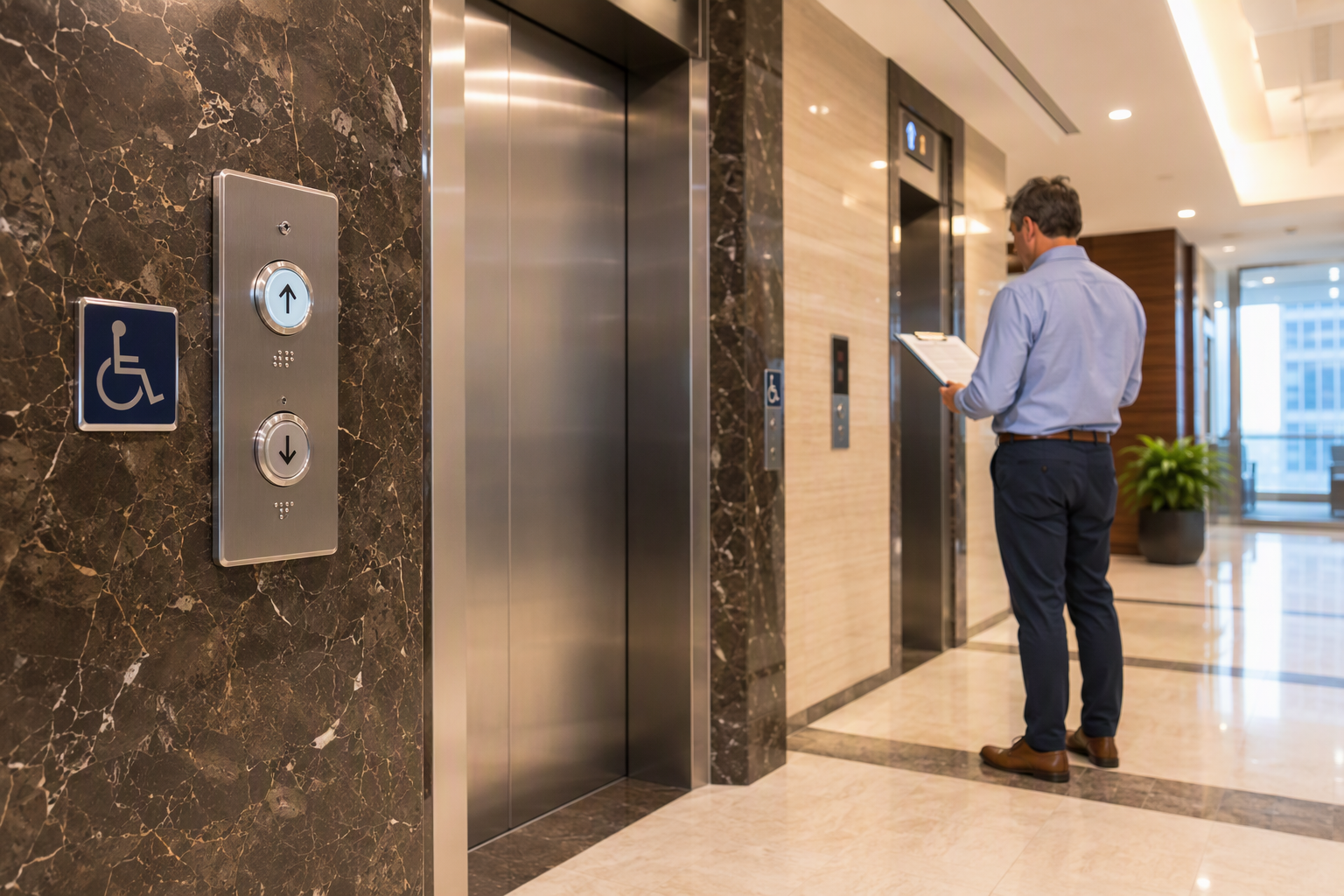
Building owners and property managers in Houston frequently ask what elevator code and accessibility requirements they need to satisfy to stay compliant and keep their occupants safe. The answer involves federal law, a recognized safety code, and the City of Houston’s own elevator inspection program. The sections below address each layer so owners understand exactly what is required — and what AmeriTex Elevator helps manage on their behalf.
What Federal ADA Requirements Apply to Elevators in My Building?
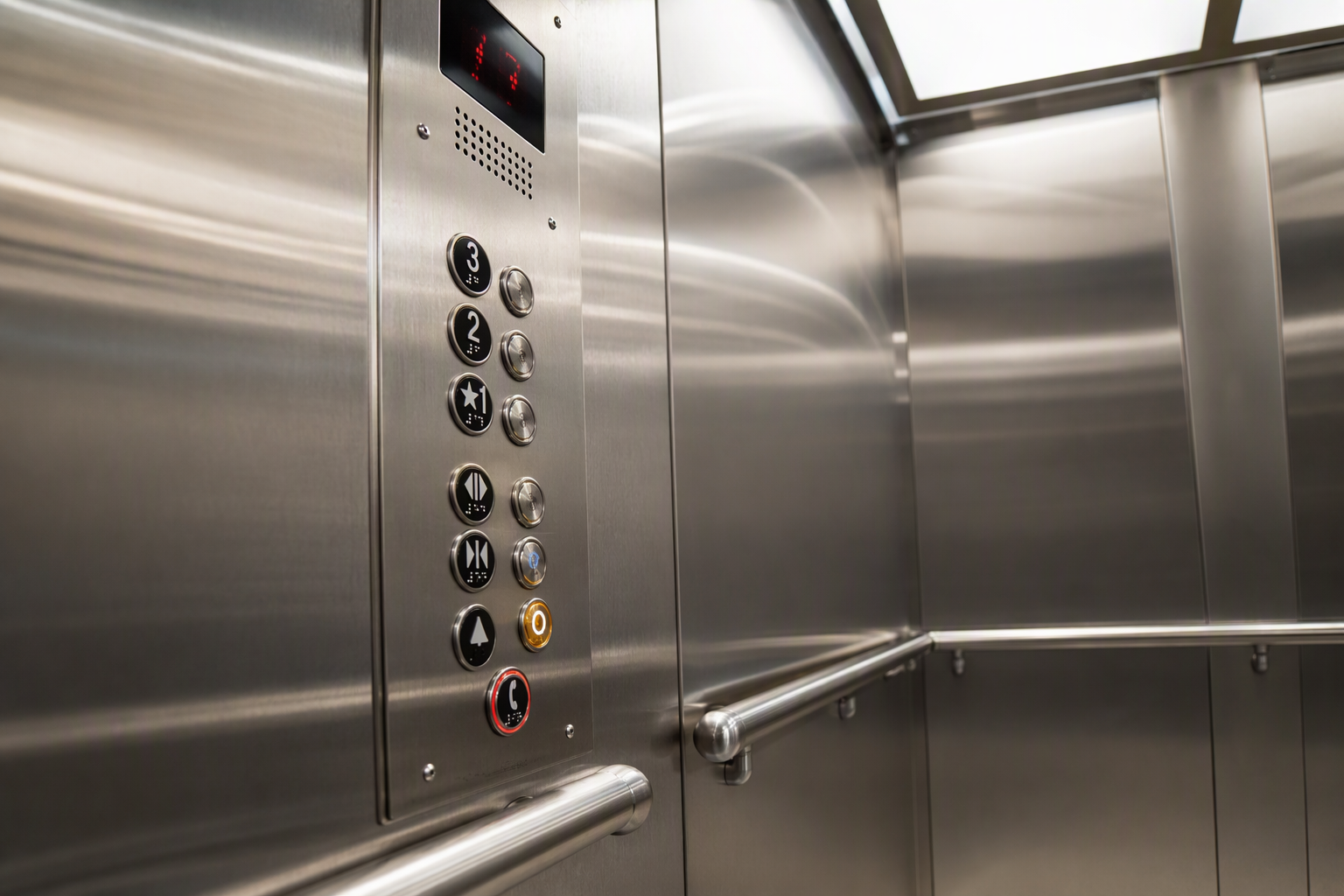
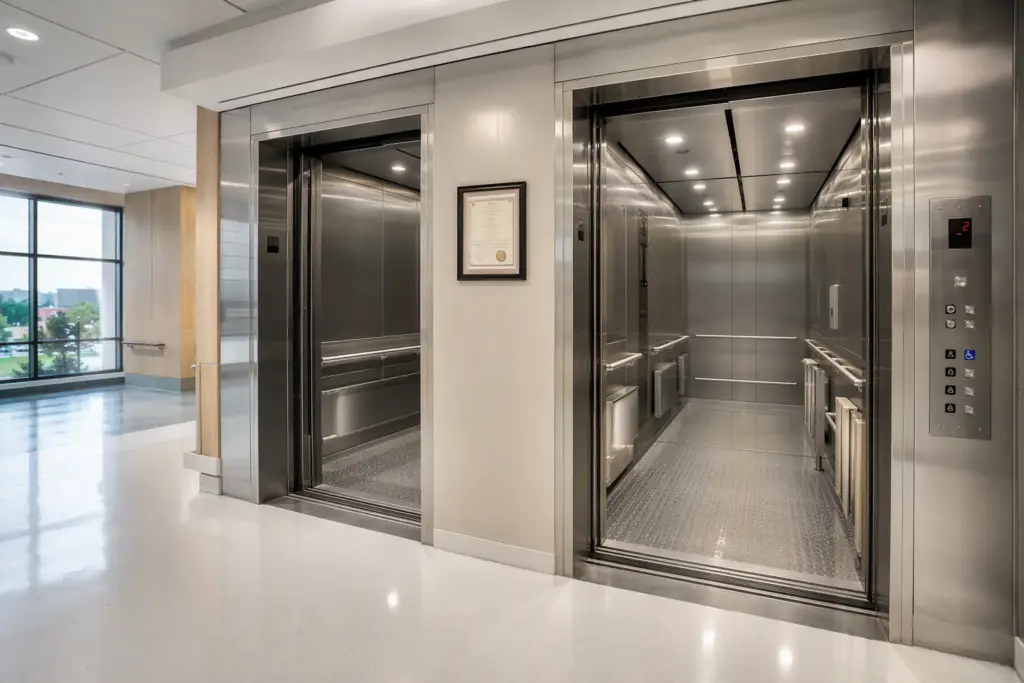
The Americans with Disabilities Act (ADA) establishes the accessibility baseline that applies to most commercial and multi-story buildings nationwide, including those in Houston. Under the ADA, buildings that are required to have elevators must ensure those elevators are accessible to people with disabilities. Key accessibility features typically addressed by the ADA include:
- Minimum cab dimensions that accommodate wheelchair users
- Door reopening devices that respond to obstructions
- Hall call and car control buttons at accessible heights with raised characters and Braille
- Visual and audible floor indicators
- Two-way emergency communication systems accessible to individuals who are deaf or hard of hearing
- Adequate lighting levels inside the cab
- Leveling accuracy so the cab floor aligns closely with the landing floor
The ADA Standards for Accessible Design reference the technical specifications that new construction and alterations must meet. Buildings undergoing significant renovation may trigger accessibility upgrade obligations even if the elevator itself is not being altered. Consulting a registered elevator contractor early in any renovation project helps building owners understand which ADA requirements apply to their specific situation.
Which Elevator Safety Code Applies in Houston in 2026?
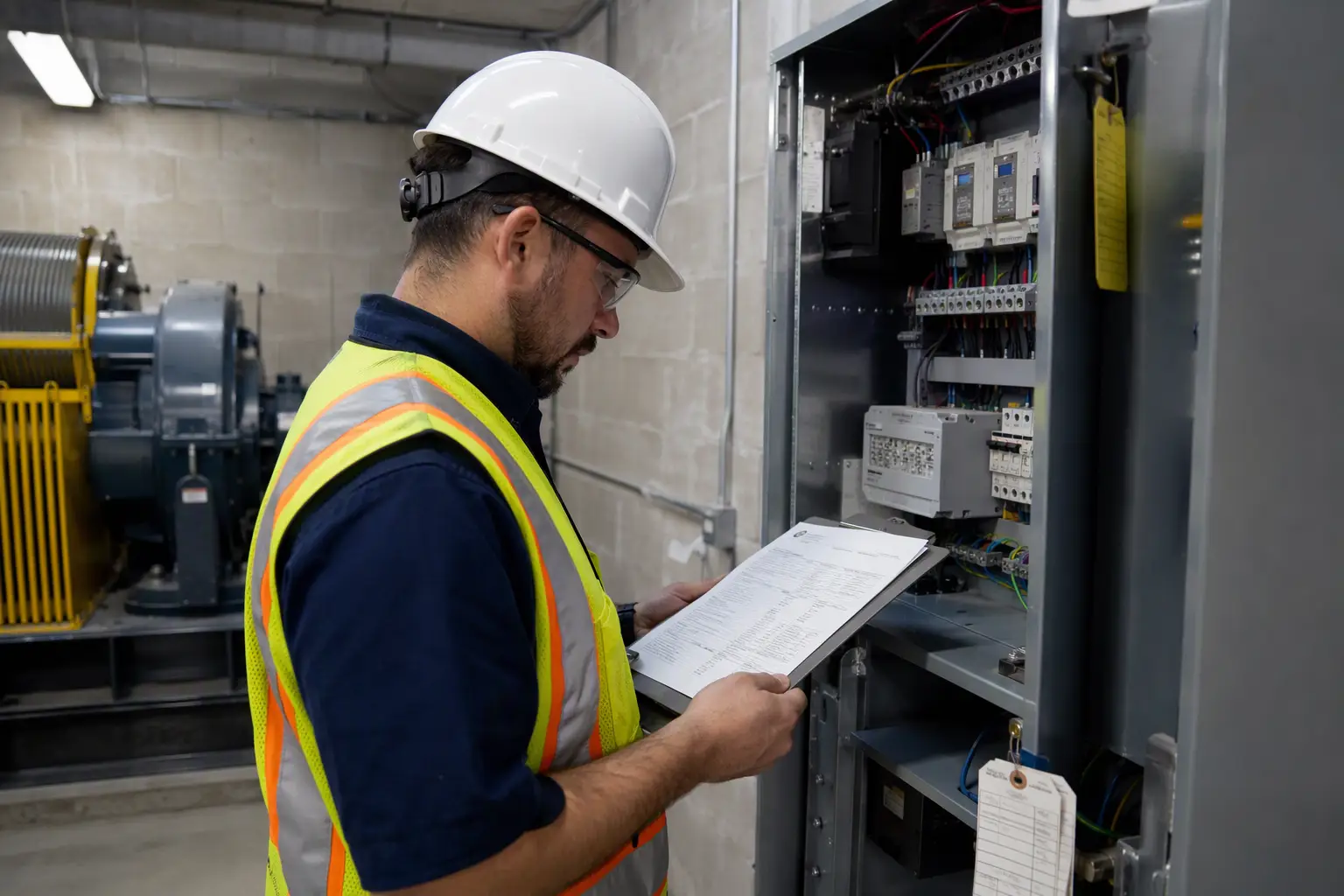
The nationally recognized technical standard governing elevator design, installation, inspection, testing, and maintenance is the ASME A17.1/CSA B44 Safety Code for Elevators and Escalators. This code covers everything from structural loads and hoistway construction to door safety, electrical systems, and emergency operations.
At the state level, Texas has adopted the ASME A17.1/CSA B44, 2016 edition, as amended by 16 Texas Administrative Code Chapter 74, effective November 1, 2018. However, a critical local distinction applies: the City of Houston operates its own elevator inspection program, and the Texas Department of Licensing and Regulation (TDLR) does not regulate elevators or escalators inside Houston city limits. Building owners within Houston should consult the City of Houston’s program directly for the adopted code edition and local administrative rules that apply to their equipment.
What Is the City of Houston’s Elevator Inspection and Compliance Program?
Because Houston runs its own elevator program, building owners in the city are subject to the City of Houston’s inspection requirements rather than TDLR’s statewide program. This means:
- Inspections, certificates, and permits for elevators inside Houston city limits are managed by the City of Houston — not TDLR.
- Building owners should work with the City of Houston to understand certificate requirements, inspection scheduling, and how violations are addressed.
- A TDLR-registered contractor such as AmeriTex Elevator can still perform installation, maintenance, and repair work on equipment within the city, but the permitting and inspection authority rests with the City of Houston.
AmeriTex Elevator works with Houston building owners to navigate this local program, coordinate required inspections, and ensure documentation is in order.
What Periodic Testing Requirements Must Houston Building Owners Be Aware Of?
Beyond annual inspections, elevator equipment must undergo periodic load and safety tests. Under Texas law and the adopted ASME A17.1-2016 code, electric (traction) elevators are subject to a Category 5 full-load test every five years. This test verifies that the elevator’s braking system and safety components perform correctly under full rated load conditions.
Building owners should maintain records of all inspections, tests, and corrective actions. Staying current on these testing cycles is an essential part of code compliance and risk management. AmeriTex Elevator helps clients track these intervals and schedule the required tests before deadlines arrive.
What Elevator Safety Conditions Require Immediate Action?
Certain safety deficiencies require an elevator to be removed from service without delay. Under Texas law, the following conditions mandate immediate removal from service:
- A passenger elevator that does not have working door restrictors must be taken out of service immediately.
- A passenger elevator that lacks firefighters’ service or has a non-working Phase One firefighters’ service must be removed from service immediately.
- Any elevator accident involving the equipment must be reported to the relevant authority within 24 hours — for properties outside Houston, this means TDLR under Texas Health and Safety Code Chapter 754; for properties inside Houston, the City of Houston’s program governs.
AmeriTex Elevator provides emergency elevator service so that building owners can respond quickly when safety-critical conditions are discovered.
Who Is Authorized to Install, Repair, or Maintain Elevators in Texas?
Under Texas law, a person may not install, repair, alter, test, or maintain elevator equipment without registering as a contractor with TDLR. Texas elevator contractor registrations expire one year after issuance. Registered contractors must carry general liability insurance of at least $1,000,000 per occurrence for bodily injury or death and $500,000 per occurrence for property damage. Each contractor must also designate one or two responsible parties with at least three years of elevator contractor experience.
Before installing an elevator or escalator in Texas, the registered contractor must submit plans to TDLR and obtain approval prior to beginning work. AmeriTex Elevator is a registered elevator contractor that serves the Houston market, managing the plan submission, permitting coordination, and compliance documentation that building owners need.
How Do ADA Requirements and Elevator Safety Codes Work Together?
The ASME A17.1 safety code and the ADA address overlapping but distinct concerns. The ASME code focuses on the mechanical, structural, and electrical safety of the elevator as a piece of equipment. The ADA focuses on accessibility — ensuring the elevator is usable by people with disabilities. A building can have an elevator that passes its annual safety inspection but still falls short of ADA accessibility requirements, or vice versa.
A comprehensive compliance review looks at both dimensions simultaneously. AmeriTex Elevator’s approach to code compliance assessments in Houston addresses safety code conformance and accessibility features together, so building owners receive a complete picture of what their equipment needs.
What Should I Do If My Building’s Elevator Has Never Been Assessed for ADA Compliance?
If a building’s elevator has not been reviewed for ADA compliance recently, a structured assessment is the recommended starting point. The following steps outline a practical approach:
- Gather existing documentation, including the most recent inspection report, any current certificate of compliance or permit, and the original installation records showing the code edition in effect at the time of installation.
- Contact a registered elevator contractor to schedule a field assessment of the equipment against current ADA Standards for Accessible Design and the applicable ASME A17.1 edition.
- Review the assessment report to identify any deficiencies — distinguishing between items that require immediate correction and those that can be phased into a planned maintenance schedule.
- Obtain quotes for corrective work and prioritize items that affect passenger safety or create legal exposure under the ADA.
- Coordinate with the City of Houston’s elevator program as needed to obtain updated permits or certificates following any alterations.
- Establish a maintenance contract to keep the equipment in ongoing compliance and facilitate future inspections.
AmeriTex Elevator serves building owners throughout the Houston metropolitan area, helping them move through each of these steps efficiently and with accurate documentation.
Does AmeriTex Elevator Serve Properties Throughout the Houston Area?
AmeriTex Elevator provides elevator installation, modernization, maintenance, repair, and compliance services across Houston and the surrounding Texas markets. The company works with commercial office buildings, healthcare facilities, multifamily residential properties, retail centers, industrial facilities, and public-use buildings — any property type where elevator code compliance and ADA accessibility are operational priorities.
Houston’s building stock spans equipment of many ages, from recently installed traction elevators to older hydraulic units that may not reflect current code expectations. AmeriTex Elevator brings familiarity with the local regulatory environment — including the City of Houston’s own elevator program — so building owners receive guidance that reflects what actually applies to their equipment and location.
Schedule a free consultation with AmeriTex Elevator at 844-646-9660.
Need elevator service you can rely on? AmeriTex Elevator is ready to help.