How Often Should Elevator Maintenance Be Performed in a Multifamily Apartment Building?
Elevator reliability in a multifamily apartment building is not a luxury — it is a legal obligation, a safety imperative, and a direct factor in resident satisfaction. Property managers and building owners frequently ask how often maintenance should be scheduled, what the codes actually require, and what happens when service is delayed. This page answers every dimension of that question with sourced standards, compliance context, and practical guidance.
What Do Elevator Safety Codes Require for Maintenance Frequency?
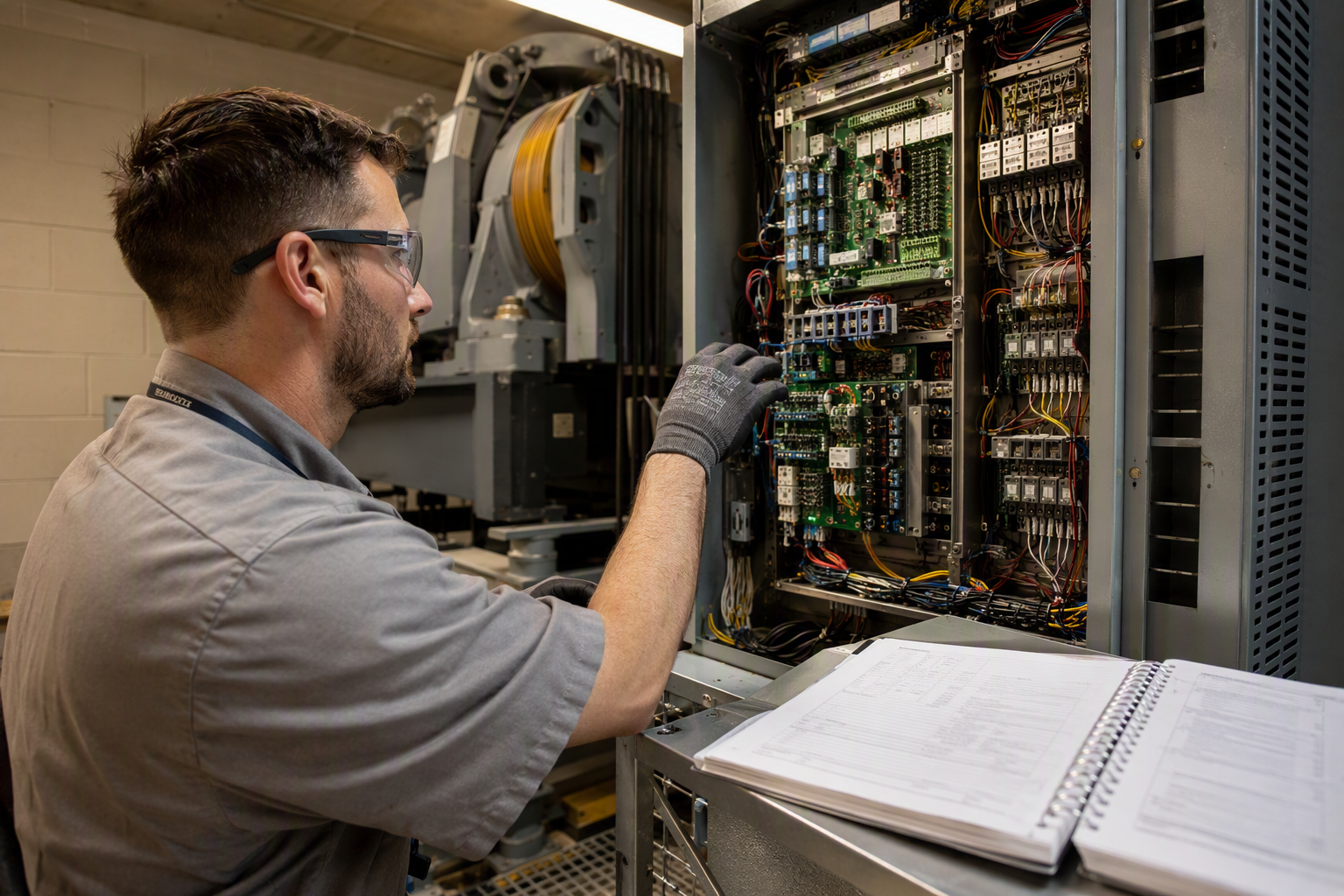
The foundational authority governing elevator maintenance in the United States is the ASME A17.1 Safety Code for Elevators and Escalators. This code, which most U.S. states and municipalities adopt (sometimes with local amendments), establishes minimum requirements for periodic inspections and safety tests rather than prescribing a specific monthly visit schedule. The distinction matters:
- Periodic Inspections: ASME A17.1 requires routine inspections at intervals set by the authority having jurisdiction (AHJ) — typically annual or semi-annual for most elevator types in residential settings.
- Periodic Tests: Certain safety devices — including governors, safeties, and buffers — require category tests on defined multi-year cycles (e.g., Category 1 tests annually, Category 5 tests every five years for hydraulic elevators, as specified in ASME A17.1).
- Maintenance Logs: ASME A17.1 requires that a maintenance control program (MCP) be in place, documented, and accessible to inspectors. The MCP must specify what maintenance tasks are performed and how often.
Beyond ASME, the Americans with Disabilities Act (ADA) requires that elevators in multifamily buildings subject to ADA remain operational and accessible. Extended outages due to deferred maintenance can constitute an ADA compliance issue for covered properties.
Workplace safety during maintenance work is governed by OSHA standards, which apply to elevator technicians performing service in your building. Property managers have an indirect obligation to ensure that contracted maintenance providers follow OSHA lockout/tagout and other applicable protocols.
What Is the Recommended Preventive Maintenance Schedule for Apartment Elevators?

While code sets the legal floor, industry best practice for multifamily residential elevators calls for a layered maintenance schedule. The appropriate frequency depends on traffic volume, elevator age, equipment type, and local code requirements.
| Maintenance Activity | Typical Interval | Governing Reference |
|---|---|---|
| Preventive maintenance visit (lubrication, adjustment, inspection of running gear) | Monthly (high-traffic); quarterly minimum (low-traffic) | ASME A17.1 Maintenance Control Program |
| Category 1 safety test (governor, safeties, buffers — traction elevators) | Annual | ASME A17.1 |
| Category 3 test (hydraulic pressure/relief valve) | Annual or per AHJ | ASME A17.1 |
| Category 5 full-load safety test (hydraulic elevators) | Every 5 years | ASME A17.1 |
| State/local authority periodic inspection | Annual or semi-annual (varies by jurisdiction) | State/local AHJ adopting ASME A17.1 |
The intervals above represent minimums and typical industry practice. Buildings with older equipment, high resident density, or freight-heavy usage patterns may require more frequent visits to maintain reliability and catch wear before it becomes a failure.
Why Does Maintenance Frequency Matter So Much in Apartment Buildings?
Multifamily residential elevators operate under a fundamentally different demand profile than commercial office elevators. Morning and evening peak loads, move-in and move-out events, package delivery traffic, and the presence of elderly or mobility-impaired residents all contribute to accelerated wear on doors, buttons, hydraulic seals, rope and sheave systems, and control boards.
Deferred maintenance in this environment creates compounding risk across several dimensions:
- Safety risk: Worn safety components can fail to activate under emergency conditions, as defined in ASME A17.1 performance requirements.
- Compliance risk: Missed inspection milestones can result in an elevator being ordered out of service by the AHJ, with no legal path to operation until violations are corrected and re-inspected.
- ADA risk: For properties covered by the ADA, extended elevator outages without alternative accessible routes can expose ownership to formal complaints or litigation.
- Financial risk: Emergency repair costs for failed components are consistently higher than the cost of the preventive maintenance that would have identified and addressed wear in advance.
- Resident retention risk: Elevator reliability is a top-cited factor in multifamily resident satisfaction surveys. Frequent outages directly affect lease renewal decisions.
What Happens During a Preventive Maintenance Visit?
A properly structured preventive maintenance visit for a multifamily elevator should follow a documented checklist aligned with the building’s ASME A17.1 maintenance control program. Key activities typically include:
- Machine room inspection: Check motor, controller, brake, and drive unit for abnormal wear, heat, or noise; verify proper lubrication levels.
- Rope and sheave inspection: Examine hoist ropes for broken wires, wear, and tension; inspect sheaves for grooving and proper alignment (traction elevators).
- Hydraulic system check: Inspect pump unit, cylinder seals, jack, and fluid levels for leaks or pressure irregularities (hydraulic elevators).
- Door system adjustment: Test door open/close force, timing, and safety edge or light curtain function — door system issues are a leading cause of service calls in residential elevators.
- Safety device verification: Test governor and overspeed switch function, buffer condition, and interlocks without performing a full Category test (reserved for code-mandated test cycles).
- Cab and landing equipment: Inspect buttons, indicators, emergency lighting, phone, and leveling accuracy.
- Pit inspection: Check pit for water intrusion, verify pit lighting and stop switch, inspect lower buffer and governor rope tension.
- Documentation: Log all findings, adjustments made, and any items flagged for follow-up repair in the maintenance control program record.
How Does Building Size and Traffic Volume Affect Maintenance Frequency?
A four-story building with a single elevator serving 20 units operates in a fundamentally different environment than a 25-story tower with four elevators serving 300 units. Maintenance frequency should scale accordingly.
Factors that drive higher-frequency maintenance needs include:
- Higher floor count and longer travel distance (more wear per trip cycle)
- Larger unit count and resident population (more daily trip cycles)
- Older elevator equipment (less tolerance for deferred adjustments)
- Mixed-use ground floors with retail or commercial tenants
- Buildings with freight or service elevator sharing the residential cab
- Local climate factors — high humidity, extreme heat, or flood-prone pits accelerate corrosion and hydraulic fluid degradation
AmeriTex Elevator works with multifamily property managers to evaluate these factors and structure maintenance programs that match actual building conditions rather than applying a one-size-fits-all interval.
What Are the Consequences of Skipping or Delaying Elevator Maintenance?
The consequences of deferred maintenance are both immediate and long-term. From a regulatory standpoint, the authority having jurisdiction can place an elevator out of service following a failed inspection — an outcome that typically requires correction of all violations, re-inspection, and payment of fees before the elevator can legally return to operation.
From a liability standpoint, if a resident or visitor is injured and it is determined that maintenance was overdue or improperly documented, building ownership faces significant exposure. Courts and insurers will typically examine the maintenance log — a document required by ASME A17.1 — as a central piece of evidence.
Mechanically, deferred maintenance accelerates a failure cascade: worn sheave grooves damage ropes faster, misaligned doors stress motor operators, low hydraulic fluid allows pump cavitation, and neglected brake linings reduce stopping reliability. Each deferred task compounds the cost and urgency of the next.
What Should a Maintenance Contract for an Apartment Elevator Include?
When evaluating elevator maintenance agreements for a multifamily property, building owners and property managers should look for the following elements:
- Defined visit frequency: The contract should specify the number and type of preventive maintenance visits per year, not leave this vague.
- Scope of work per visit: A detailed task list or reference to a written maintenance control program aligned with ASME A17.1.
- Parts coverage: Clarity on which components are covered under the maintenance fee versus billed separately.
- Inspection coordination: The provider should coordinate with the AHJ for annual or periodic inspections and assist with any violation corrections.
- Documentation: Written maintenance logs provided after each visit and accessible for regulatory review.
- Emergency callback provisions: Terms for after-hours entrapment response and emergency repairs.
- Category test scheduling: Explicit scheduling and performance of ASME-required Category 1, 3, and 5 tests within applicable intervals.
How Do 2025–2026 Industry Trends Affect Apartment Elevator Maintenance?
The elevator maintenance landscape for multifamily properties is evolving in several notable directions as of 2025–2026:
Remote monitoring technology is becoming more accessible at the building scale. Sensors that track door cycles, motor temperature, hydraulic pressure, and ride quality transmit data continuously, allowing maintenance providers to identify developing issues between scheduled visits. This does not replace preventive maintenance — it augments it by reducing reactive, emergency-driven service calls.
Updated code adoption cycles continue to advance. States and municipalities periodically adopt newer editions of ASME A17.1, which can introduce new test category requirements or modify inspection intervals. Property managers in jurisdictions that have recently updated their adopted code edition should verify their maintenance program reflects current requirements.
Aging equipment inventory in the multifamily sector is a growing pressure point. A significant portion of the residential elevator stock in the United States was installed during construction booms of the 1980s and 1990s. As this equipment ages beyond 30–40 years, the calculus between maintenance investment and modernization cost becomes a more urgent decision for property ownership.
Skilled technician workforce dynamics continue to influence service availability, particularly in secondary markets. Building owners who rely on a single provider without a formal contract may experience longer wait times for routine visits as demand for qualified elevator mechanics grows.
Sustainability and energy efficiency are increasingly factored into maintenance and modernization decisions, with property managers evaluating LED lighting upgrades, variable-frequency drives, and regenerative drive systems as components of elevator service agreements.
How Do You Verify That Your Elevator Maintenance Provider Is Performing Work Correctly?
Building owners have the right — and the regulatory responsibility — to verify that maintenance is being performed as contracted. Practical verification steps include:
- Request the maintenance control program document in writing and confirm it references ASME A17.1 standards.
- Review maintenance logs after each visit — logs should specify what was inspected, adjusted, and lubricated, not just a signature and date.
- Confirm that Category 1, 3, and 5 tests are completed on schedule and that certificates are filed with the AHJ.
- Verify that the current inspection certificate is posted in the elevator cab as required by state law in most jurisdictions.
- Ask the provider to walk through any flagged items from the most recent inspection report and explain the remediation timeline.
- Conduct periodic ride quality checks — unusual noise, rough leveling, slow door response, or jerky starts are indicators worth raising with your provider immediately.
How Does Elevator Maintenance Frequency Compare for Hydraulic vs. Traction Elevators in Apartments?
Multifamily apartment buildings typically use either hydraulic or traction (cable-driven) elevators, and the maintenance profiles differ in meaningful ways.
Hydraulic elevators — common in low-rise buildings up to five or six floors — require attention to fluid levels, pump motor condition, seals, and the underground or above-ground jack cylinder. The ASME A17.1 Category 5 full-load test applies specifically to hydraulic units on a five-year cycle. Environmental considerations around hydraulic fluid containment are also a maintenance and compliance factor.
Traction elevators — standard in mid- and high-rise residential buildings — require more intensive attention to ropes, sheaves, machine room components, and brake systems. Geared traction machines have additional gear and oil-related maintenance needs compared to gearless machines found in taller buildings. ASME Category 1 annual safety tests apply to traction elevators.
Neither type is inherently lower-maintenance; both require consistent, documented service to remain safe and code-compliant.
What Role Does AmeriTex Elevator Play in Multifamily Maintenance?
AmeriTex Elevator provides elevator maintenance, inspection coordination, and repair services for multifamily residential properties. The approach is built on documented maintenance control programs aligned with ASME A17.1 requirements, with visit frequency and task scope matched to the specific characteristics of each building rather than applied generically.
For property managers navigating the complexity of code compliance, aging equipment, and resident expectations, AmeriTex Elevator’s data-driven maintenance programs are designed to reduce unplanned outages, keep inspection records current, and provide transparent documentation after every service visit.
Quick-Reference Q&A: Elevator Maintenance in Multifamily Buildings
How often should elevator maintenance be performed in an apartment building?
At minimum, preventive maintenance should occur monthly for most multifamily elevators, with mandatory periodic safety tests and annual inspections required under ASME A17.1 and applicable state codes. High-traffic or older buildings may warrant more frequent visits.
Is monthly elevator maintenance required by law?
The law — primarily ASME A17.1 as adopted by state or local authorities — requires a documented maintenance control program and periodic safety tests, but does not universally mandate monthly visits by statute. Monthly visits are the industry standard practice that satisfies the maintenance control program requirement for most residential elevator applications.
What is the ASME A17.1 code and does it apply to my apartment building?
The ASME A17.1 Safety Code for Elevators and Escalators is the primary U.S. standard for elevator design, installation, inspection, testing, and maintenance. Most U.S. states and many municipalities have adopted it — sometimes with local amendments — as the legal standard. If your building has a passenger elevator, ASME A17.1 almost certainly applies through your state or local code.
What happens if an elevator fails a state inspection in an apartment building?
The authority having jurisdiction (AHJ) can issue an order to take the elevator out of service. The elevator cannot legally operate until all cited violations are corrected, a re-inspection passes, and the AHJ issues a new operating certificate. This can displace residents, particularly those with mobility limitations, and may create obligations under the ADA for covered properties.
How long can an apartment elevator legally be out of service?
There is no universal maximum duration — the timeline depends on the jurisdiction and the nature of the violation. The practical answer is that an elevator ordered out of service must be brought back into compliance as quickly as the repair and re-inspection process allows. Delays in repair extend resident disruption and legal exposure.
What is a Category 5 elevator test?
A Category 5 test, as defined in ASME A17.1, is a full-load safety test required for hydraulic elevators every five years. It verifies that the elevator’s safety devices function correctly under maximum rated load conditions. It must be witnessed and documented.
Does the ADA require apartment buildings to keep elevators operational?
The ADA requires that covered facilities maintain accessible features in operable condition. For multifamily buildings where elevators are the only accessible route to upper floors, extended elevator outages can constitute a failure to maintain accessible features. The specific applicability depends on whether the building is covered under ADA Title II or Title III, or under the Fair Housing Act.
What is the biggest cause of elevator service calls in apartment buildings?
Door system malfunctions — including misaligned door panels, worn safety edges, and failing door operators — are widely recognized as among the leading causes of elevator service calls in residential settings. Regular door system inspection and adjustment during preventive maintenance visits directly reduces call frequency.
How do I know if my elevator maintenance provider is meeting code requirements?
Request the written maintenance control program, review maintenance logs after each visit, confirm Category test certificates are on file, and verify the current inspection certificate is posted in the cab. If your provider cannot produce documented evidence of these items, that is a significant compliance gap.
When should an apartment building consider elevator modernization instead of continued maintenance?
When elevator equipment reaches an age where recurring component failures make maintenance costs substantially higher than the amortized cost of modernization, when the equipment no longer supports available parts, or when adopting updated ASME A17.1 code requirements requires fundamental system changes, modernization becomes the more economical and reliable path. An elevator assessment helps building owners evaluate this threshold objectively.
What should I look for in an elevator maintenance contract for my apartment building?
Key elements include a defined visit frequency, a detailed task scope tied to a written maintenance control program, clear parts coverage terms, Category test scheduling, documentation practices, inspection coordination, and emergency callback provisions. Vague contracts that omit visit frequency or task scope leave building owners without recourse when service falls short.
Get a Free Elevator Assessment from AmeriTex Elevator
Elevator compliance in a multifamily building is not a set-and-forget obligation — it is an ongoing program that must be documented, tested, and current with the applicable edition of ASME A17.1. Whether your building has one elevator or many, whether your equipment is newly installed or approaching modernization age, a professional assessment provides clarity on where your maintenance program stands and what steps are needed to protect residents, meet code, and reduce unplanned costs.
Contact AmeriTex Elevator for a free elevator assessment: 866-679-4313
Need elevator service you can rely on? AmeriTex Elevator is ready to help.