Elevator Companies San Antonio
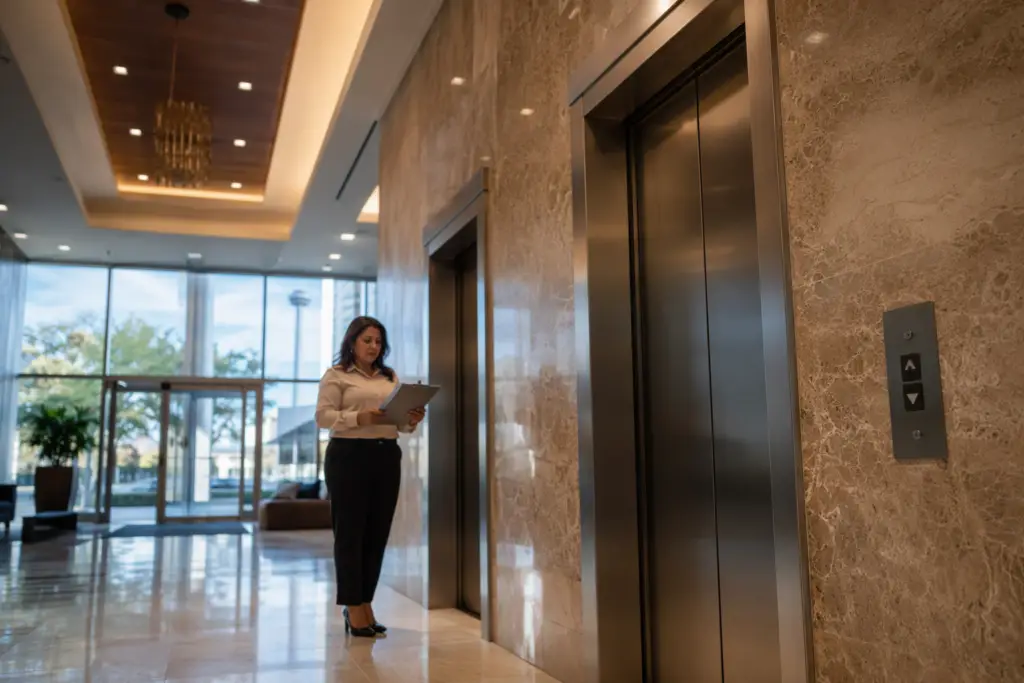
Elevator Companies San Antonio: Comparison & Decision Guide (2026) Quick Answer: When choosing among elevator companies in San Antonio, the most important factors are TDLR contractor registration, annual inspection compliance under ASME A17.1/CSA B44-2016, liability insurance minimums, scope of maintenance services, and whether the company holds a designated responsible party with documented elevator contractor experience […]
How Can I Get A Second Opinion On A Recommendation To Replace The Belts On My Elevators?
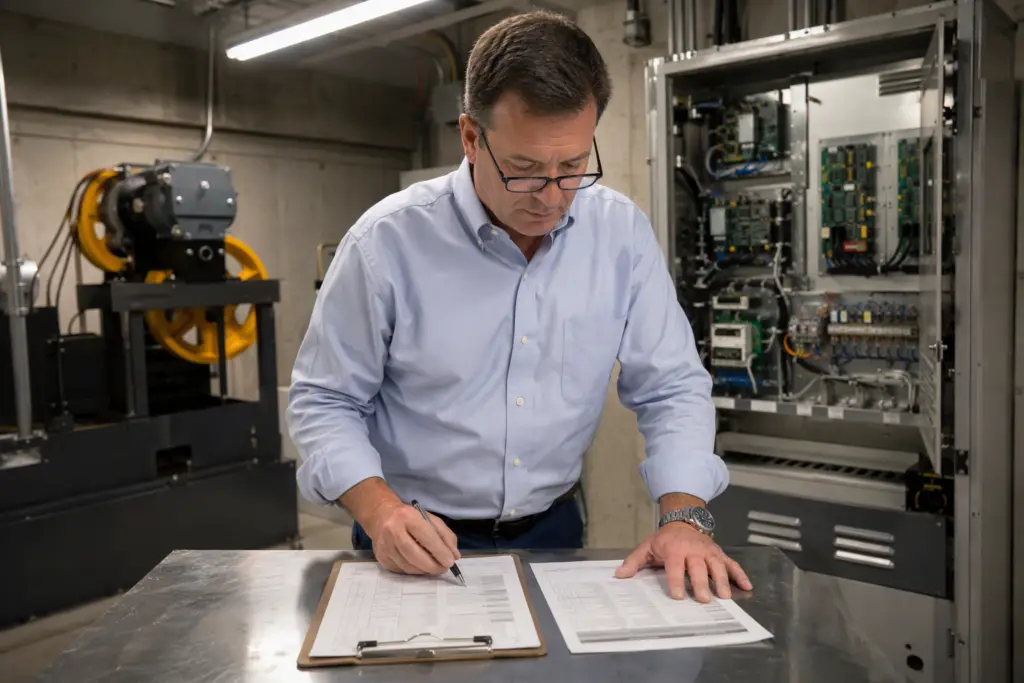
Quick Answer: To get a second opinion on a belt replacement recommendation for your elevators, contact an independent, state-certified elevator contractor who was not involved in the original assessment — they can physically inspect the belts, compare findings against ASME A17.1 Safety Code for Elevators and Escalators wear criteria, and provide a written report before […]
California Texas Elevator Maintenance Funding Past 3 Months
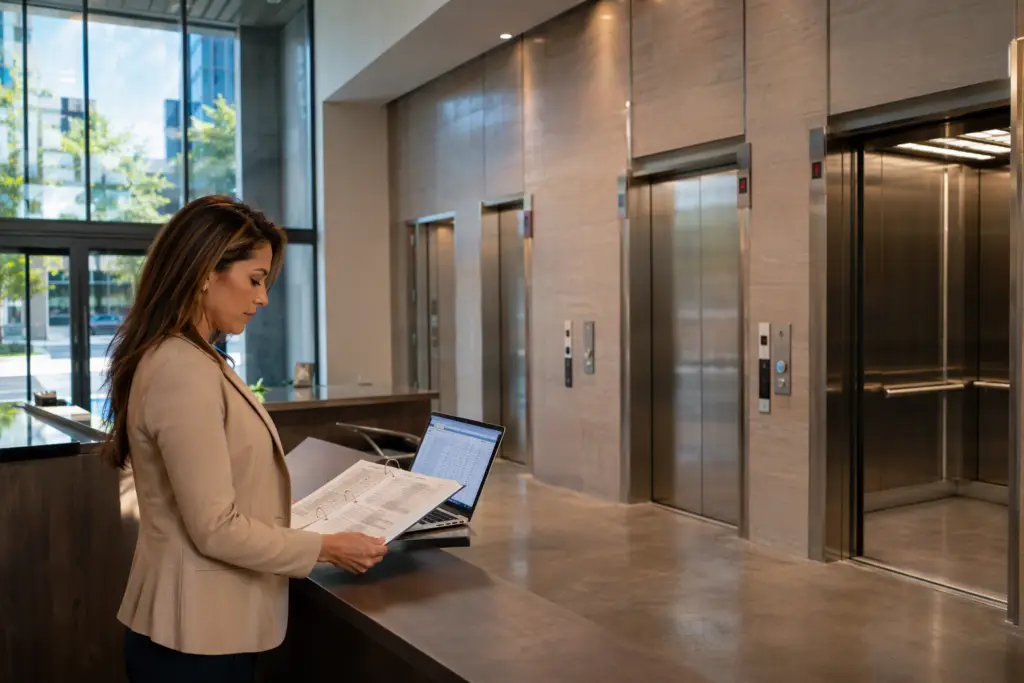
California & Texas Elevator Maintenance Funding: 2026 Data & Compliance Guide | AmeriTex Elevator California & Texas Elevator Maintenance Funding: Data, Compliance & Industry Trends (2026) Direct Answer: In California and Texas, elevator maintenance funding decisions in 2026 are driven primarily by mandatory annual inspection requirements — California under Cal/OSHA’s Elevator Unit and Texas under […]
Do You Require A Service Contract Before Sending A Technician To A Building That Has An Existing Elevator Contract?
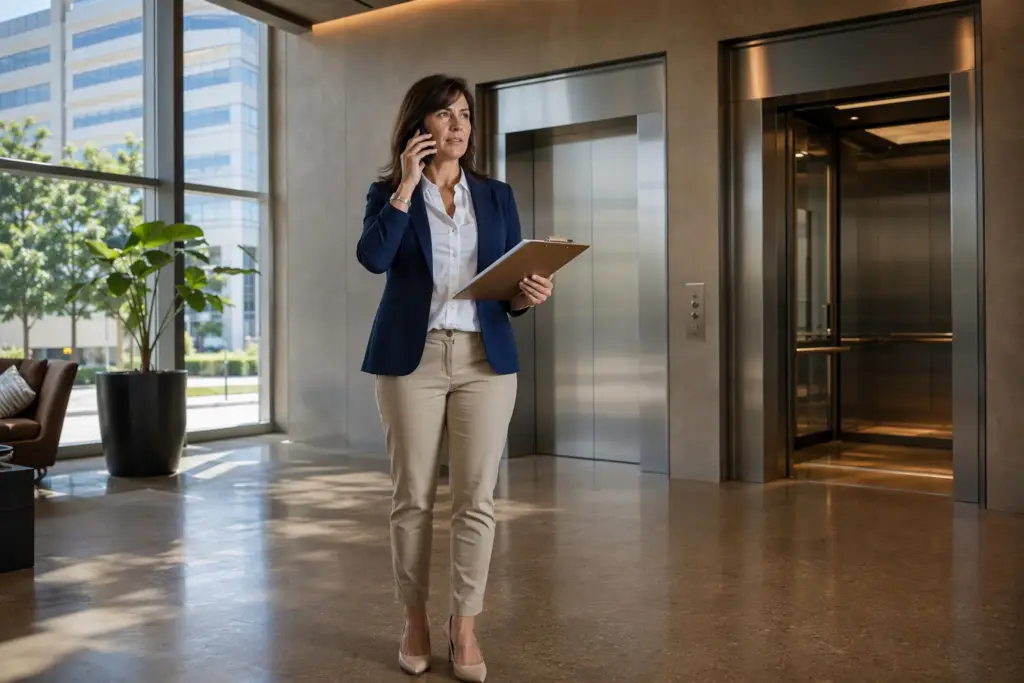
Direct Answer: No — AmeriTex Elevator does not require a building owner to sign a new service contract before dispatching a technician to a property that already has an existing elevator contract; a single-visit work order or emergency call can be arranged, though a maintenance agreement may unlock additional compliance benefits depending on the jurisdiction. […]
Commercial Elevator Maintenance
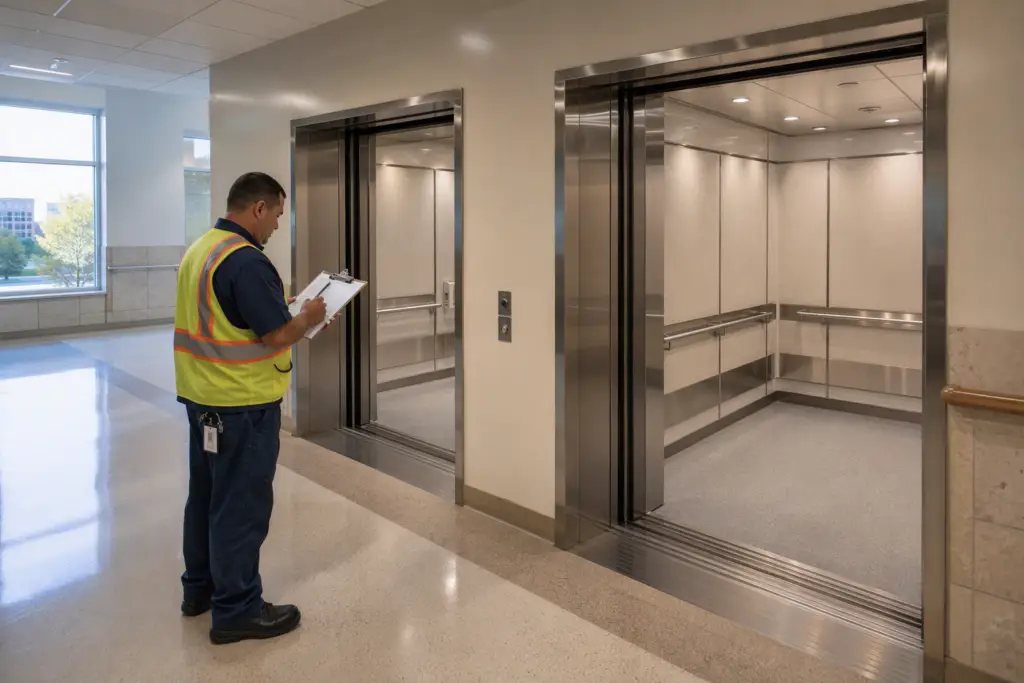
Commercial Elevator Maintenance for Healthcare Facilities Quick Answer: Commercial elevator maintenance in healthcare facilities requires adherence to ASME A17.1 Safety Code for Elevators and Escalators, ADA accessibility standards, and state-specific regulations in Texas and California to ensure patient safety, regulatory compliance, and uninterrupted vertical transportation in critical care environments. Commercial elevator maintenance in healthcare facilities […]
Can An Elevator Company Replace A Phone On An Elevator Already Under Contract With Another Provider?
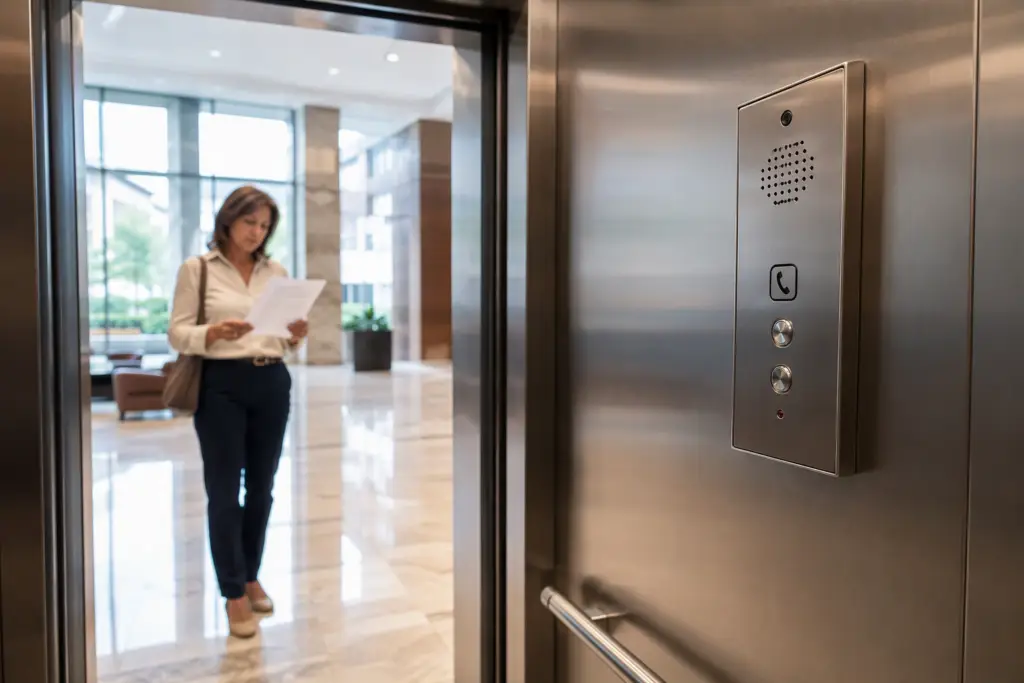
Direct Answer: Yes — an elevator company can replace a phone or emergency communication device on an elevator already under contract with another provider, provided the work is performed by a properly licensed contractor, meets applicable federal and state codes, and does not violate specific exclusivity terms in the existing maintenance contract. Building owners in […]
Elevator Compliance
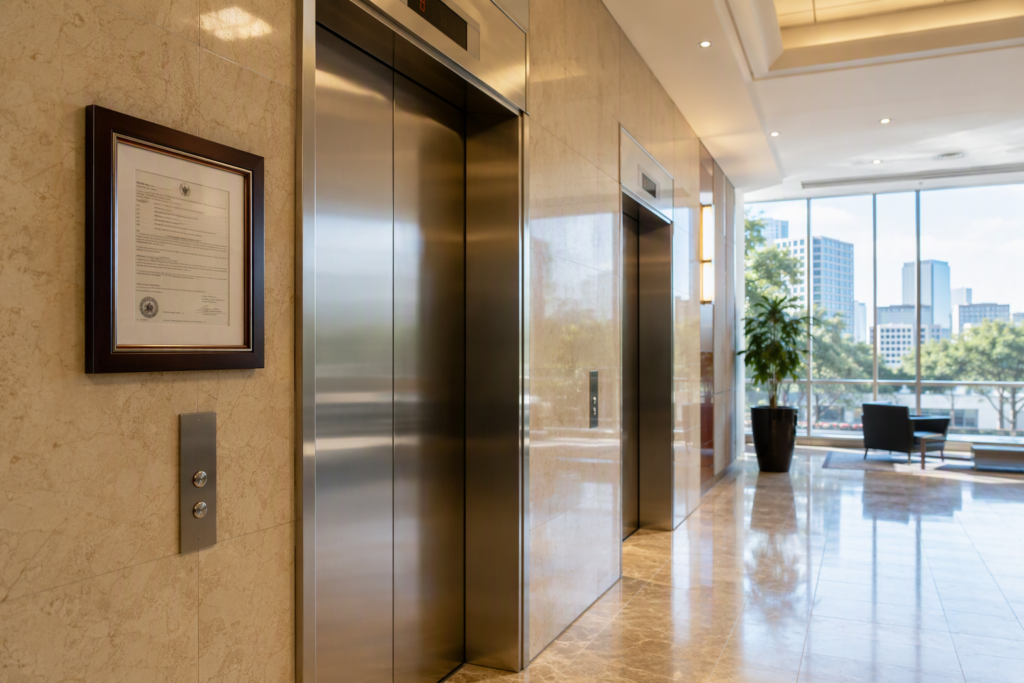
Elevator Compliance in Houston, TX | AmeriTex Elevator Elevator compliance in Houston, TX requires building owners to meet the City of Houston’s own elevator inspection and permitting program — not TDLR — ensuring every unit holds a valid certificate, passes required tests, and has all cited violations corrected on time. A valid Certificate of Compliance […]
What Is Required Before You Can Proceed With An Elevator Repair — Do You Need An Inspection And A Signed Contract First?
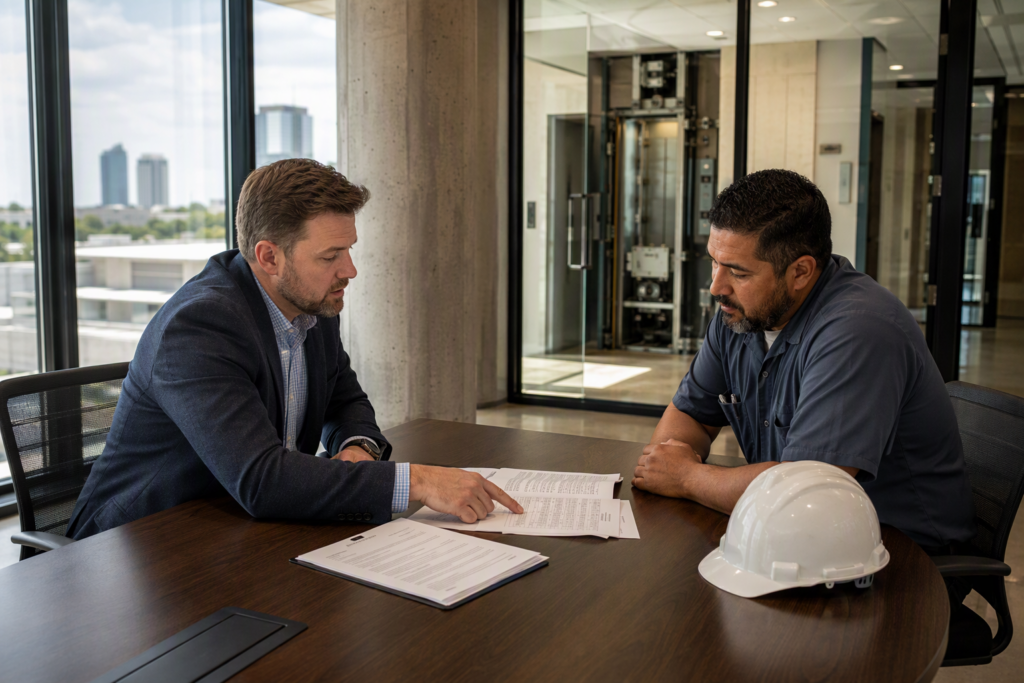
Direct Answer: Before an elevator repair can proceed, a property owner typically needs a current inspection report identifying the deficiency, a signed service contract with a licensed elevator contractor, and — depending on the scope of work — a permit from the state or local authority having jurisdiction; in Texas, violations must be under contract […]
Elevator Company Texas
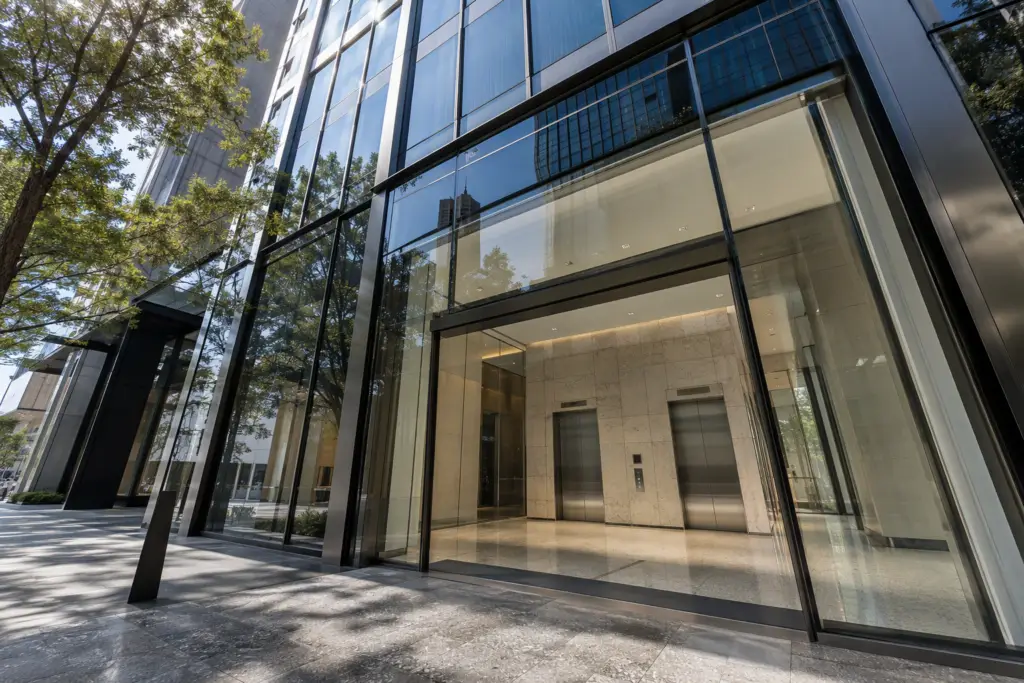
Elevator Service in Houston, TX | AmeriTex Elevator AmeriTex Elevator is a certified elevator service company serving Houston, TX, providing installation, maintenance, repair, modernization, and compliance support for commercial and residential elevator systems throughout the region. AmeriTex Elevator provides full-service elevator installation, maintenance, and compliance support for commercial high-rises and mid-rise buildings across Houston, TX. […]