Elevator Service in Houston, TX | AmeriTex Elevator
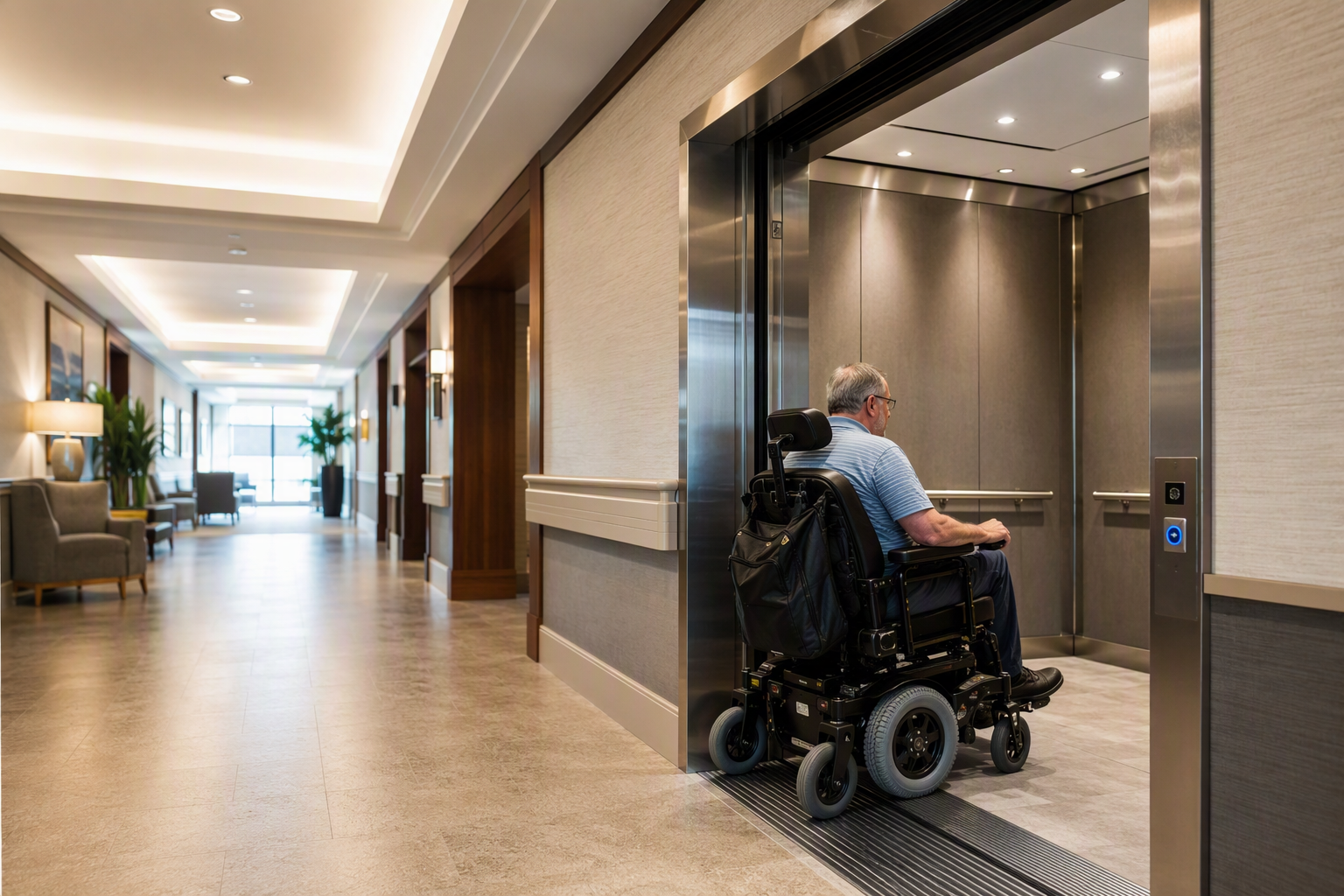
Senior living and assisted living facilities in Houston, TX face some of the most stringent elevator code requirements of any building type. Residents who depend on mobility aids, wheelchairs, and walkers rely on elevators as essential infrastructure — not a convenience. Elevator failures in these environments are not minor inconveniences; they can isolate residents, impede emergency egress, and create serious liability exposure for facility operators. AmeriTex Elevator provides certified elevator inspection, code compliance upgrades, and ongoing maintenance services specifically calibrated to the demands of senior care environments across the greater Houston metropolitan area.
What Elevator Codes Apply to Senior Living Facilities in Texas?
Texas regulates elevators through the Texas Department of Insurance (TDI) Elevator Safety Program, which adopts and enforces the ASME A17.1 Safety Code for Elevators and Escalators as its foundational standard. This code governs everything from car dimensions and door operation to emergency lighting, phone communication, and load capacity requirements.
In addition to ASME A17.1, senior living facilities must satisfy ADA Title III accessibility requirements for existing buildings undergoing alterations, as well as applicable provisions of the International Building Code (IBC) as adopted by Texas. Together, these frameworks create a multi-layered compliance obligation that building owners and operators must actively manage — not simply address at time of original construction.
In 2026, facilities operating elevators installed under older code editions should be aware that ASME A17.3, the Safety Code for Existing Elevators and Escalators, provides the compliance pathway for legacy equipment. Texas inspectors reference this standard when evaluating buildings that predate the most current A17.1 edition.
What ADA Requirements Must Senior Living Elevators Meet?

The ADA Standards for Accessible Design establish specific requirements for elevators in senior living environments, particularly when facilities undergo renovations or alterations that trigger accessibility upgrades. Key requirements include:
- Car dimensions: Elevator cars must provide sufficient interior space to accommodate wheelchairs and mobility devices, allowing users to enter, maneuver, and exit independently.
- Door timing: Elevator doors must remain open long enough for residents using walkers, wheelchairs, or other assistive devices to board and exit safely without the door closing prematurely.
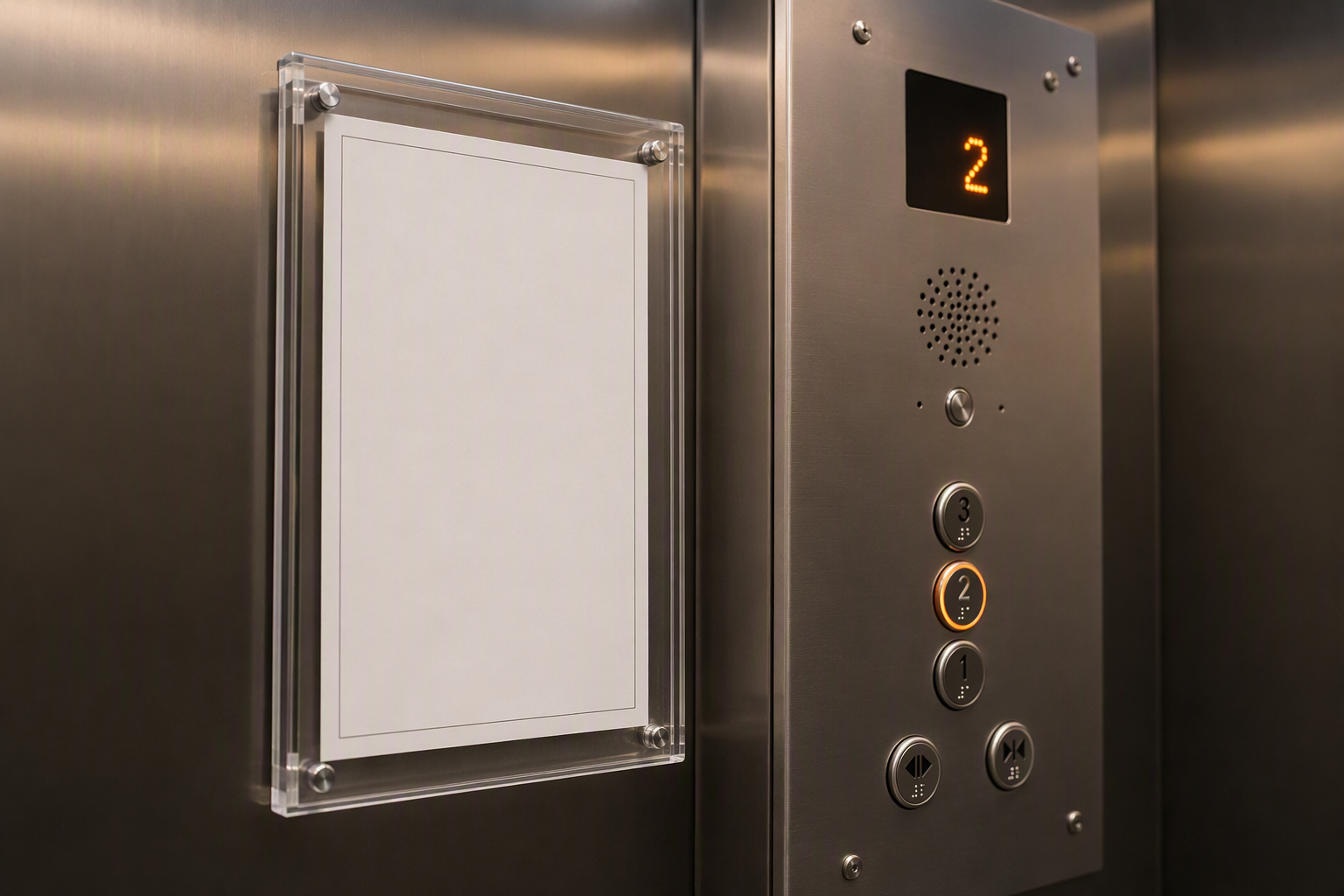
- Control height and reach range: Call buttons and cab controls must be mounted within accessible reach ranges and must include raised characters and Braille designations.
- Two-way emergency communication: Elevators must provide a two-way communication system that does not require voice communication, accommodating residents who are hearing or speech impaired.
- Visible and audible signals: Hall and cab indicators must signal each floor with both a visible light and an audible tone.
Existing senior living facilities that have not previously undergone ADA-triggered alterations should consult with a qualified elevator service provider to assess current compliance status, as gap analysis is the first step before any modernization project.
What Emergency Communication and Safety Features Are Required?
Under ASME A17.1, all elevators in occupied buildings must be equipped with a means of two-way communication between the elevator car and a location staffed to respond to emergencies. For senior living facilities, this requirement carries additional weight because residents may be cognitively impaired, hard of hearing, or physically unable to use a standard telephone handset.
Facilities should ensure their elevator communication systems:
- Connect to a continuously monitored location — either on-site staff or a certified monitoring service.
- Are tested as part of each annual inspection cycle.
- Include visible indicators (such as indicator lights) for residents who cannot communicate verbally.
- Remain operational during power outages through battery backup.
Emergency lighting inside elevator cars is also required and must activate automatically upon loss of normal power, ensuring that residents are not left in darkness during an interruption.
How Often Are Elevator Inspections Required in Texas Senior Living Facilities?
The Texas Department of Insurance Elevator Safety Program requires that all commercial elevators — including those in senior living and assisted living facilities — undergo periodic inspections conducted by a licensed elevator inspector. These inspections evaluate mechanical, electrical, and safety system components against the applicable ASME code edition.
Facilities that fail inspection or receive violation notices are required to bring equipment into compliance within the timeframe specified by TDI. Operating an elevator with an expired certificate or unresolved violations exposes facility operators to regulatory penalties and liability in the event of an incident involving a resident.
AmeriTex Elevator assists senior living facility operators throughout Houston with inspection preparation, corrective work to resolve deficiencies, and documentation management to ensure certificate renewals proceed without disruption to resident services.
What Elevator Modernization Upgrades Are Most Common in Assisted Living Facilities?
Many assisted living facilities in Houston operate elevators that were installed decades ago and were designed to meet code editions that have since been significantly revised. Common modernization upgrades that bring these systems into current compliance include:
- Door operator upgrades: Replacing older door systems with current-generation operators that include door reopening devices and properly calibrated timing to protect residents from door contact.
- Emergency lighting and power backup: Installing or upgrading battery-powered emergency lighting and communication systems that remain functional during power failures.
- Firefighters’ emergency operation (FEO): Upgrading elevator controls to comply with current Phase I and Phase II firefighters’ emergency operation requirements, which are critical in multi-story senior living buildings.
- Cab interior renovations: Updating handrails, flooring, and control panel layouts to meet current accessibility standards and reduce fall risk.
- Machine room and controller upgrades: Replacing obsolete relay-logic controllers with solid-state or microprocessor-based systems that offer improved reliability and diagnostic capability.
- Two-way communication system replacement: Modernizing analog phone systems with digital or cellular-based emergency communication units.
What Is the Compliance Timeline for Elevator Code Upgrades?
Compliance timelines for senior living elevator upgrades vary based on the nature of the deficiency, the code edition governing the existing installation, and TDI enforcement directives. Facilities undergoing voluntary modernization projects typically work with their elevator service provider to phase upgrades in a sequence that minimizes resident disruption.
When TDI issues a violation or conditional certificate, the facility must comply within the timeframe specified in the notice. Ignoring these timelines or deferring corrective work without an approved extension can result in elevator shutdown orders — a serious operational risk for any facility where residents depend on vertical access for daily living, dining, and healthcare.
AmeriTex Elevator recommends that Houston-area senior living operators schedule proactive compliance assessments rather than waiting for inspection findings, as this approach allows for orderly project planning and budgeting.
What Should Facility Operators Do If an Elevator Fails or Is Placed Out of Service?
- Notify residents and staff immediately of the outage and implement your facility’s elevator contingency plan to assist residents who cannot use stairs.
- Contact your licensed elevator service provider to report the failure and request a service response. Document the time and nature of the failure for your records.
- Do not permit re-entry into the elevator until a licensed technician has inspected the unit and confirmed it is safe to return to service.
- Notify TDI if the failure involves an injury, entrapment, or a situation that may constitute a reportable incident under Texas elevator safety regulations.
- Obtain written documentation of the corrective work performed before returning the elevator to resident use.
- Review your maintenance agreement to determine whether the failure could have been anticipated through preventive maintenance, and adjust your service schedule accordingly.
AmeriTex Elevator maintains service availability for senior living clients across the Houston area, including facilities in Katy, Sugar Land, The Woodlands, Pearland, Pasadena, and surrounding communities. Emergency service requests are handled with the priority appropriate to the critical nature of elevator access in senior care environments.
How Does AmeriTex Elevator Serve Senior Living Facilities in Houston, TX?
AmeriTex Elevator is a Texas-based, certified elevator service company with specialized experience serving the senior living and healthcare facility sectors throughout the greater Houston metropolitan area. The company provides a full range of services relevant to senior care operators, including:
- Code compliance inspections and gap analysis against current ASME A17.1 and ASME A17.3 requirements
- ADA accessibility assessments and upgrade implementation
- Elevator modernization and component replacement projects
- Preventive maintenance programs designed to reduce unplanned outages
- Emergency repair services for facilities experiencing elevator failures
- TDI inspection preparation and documentation support
Working with a locally based service provider means that Houston-area senior living facilities benefit from familiarity with TDI enforcement practices, regional building stock characteristics, and the logistics of operating in a large metropolitan area where parts availability and coordination time matter.
Schedule a Free Consultation with AmeriTex Elevator to assess your senior living facility’s elevator compliance status and identify any code upgrade requirements. Call 866-679-4313 today to speak with a member of the AmeriTex Elevator team serving Houston, TX and surrounding communities.
Need elevator service you can rely on? AmeriTex Elevator is ready to help.