
Elevator Compliance and Maintenance Standards for Hospitals and Healthcare Facilities: What Facility Directors Need to Know
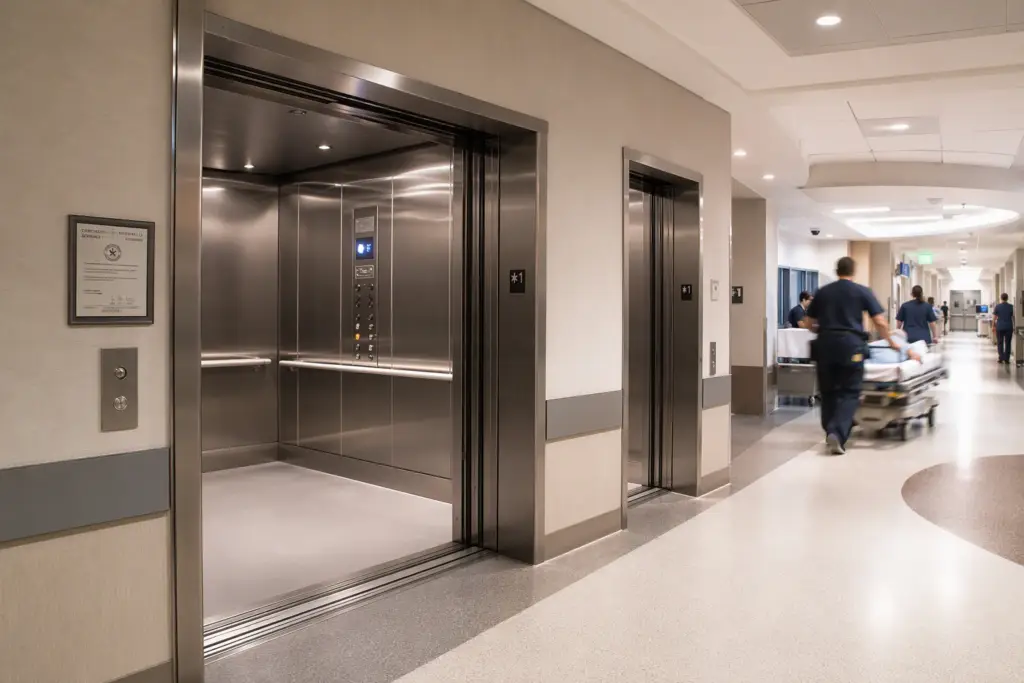
Elevator Maintenance and Compliance Requirements for Hospitals and Healthcare Facilities Direct Answer: Hospitals and healthcare facilities in Texas and California must comply with ASME A17.1 Safety Code for Elevators and Escalators, federal ADA accessibility standards, and state-specific inspection and licensing requirements enforced by the Texas Department of Insurance or California’s Division of Occupational Safety and […]
New Elevator Installation for Multifamily Buildings: A Pre-Construction Checklist for Developers and Property Owners
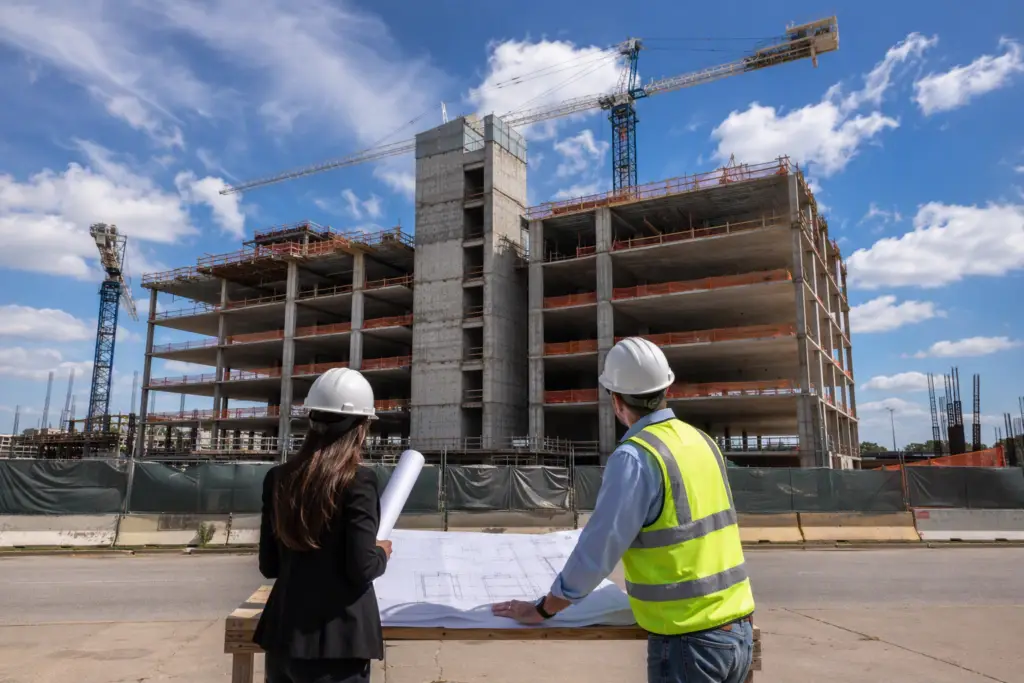
How to Get an Elevator Installed in a New Construction Multifamily Building | AmeriTex Elevator How to Get an Elevator Installed in a New Construction Multifamily Building: What You Need to Know Before the Project Starts Direct Answer: Installing an elevator in a new construction multifamily building in California or Texas requires coordination across design, […]
Elevator Inspections and Certificate of Occupancy Renewals: What Texas and California Building Owners Must Have in Order
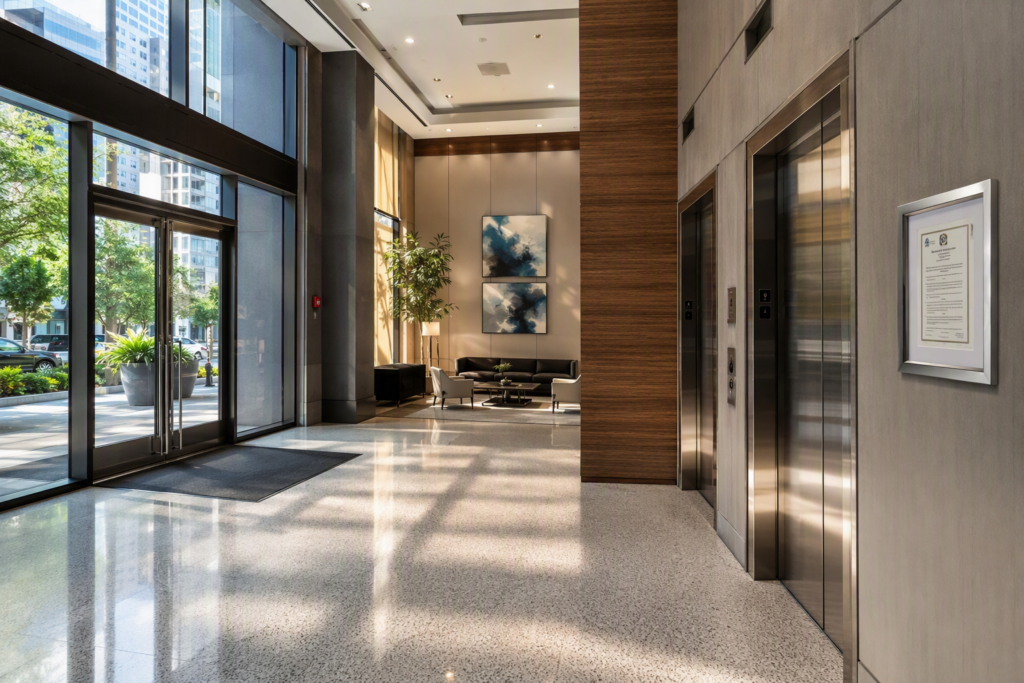
Quick Answer: In Texas, elevators must pass an annual safety inspection by a state-licensed inspector under the Texas Elevator Safety Act before a Certificate of Occupancy can be renewed; in California, elevators must meet annual inspection requirements enforced by the California Division of Occupational Safety and Health (Cal/OSHA) Elevator Unit, with inspections conducted against ASME […]
Elevator Breakdown Benchmarks: How Many Service Calls Per Year Is Normal for Your Building Type
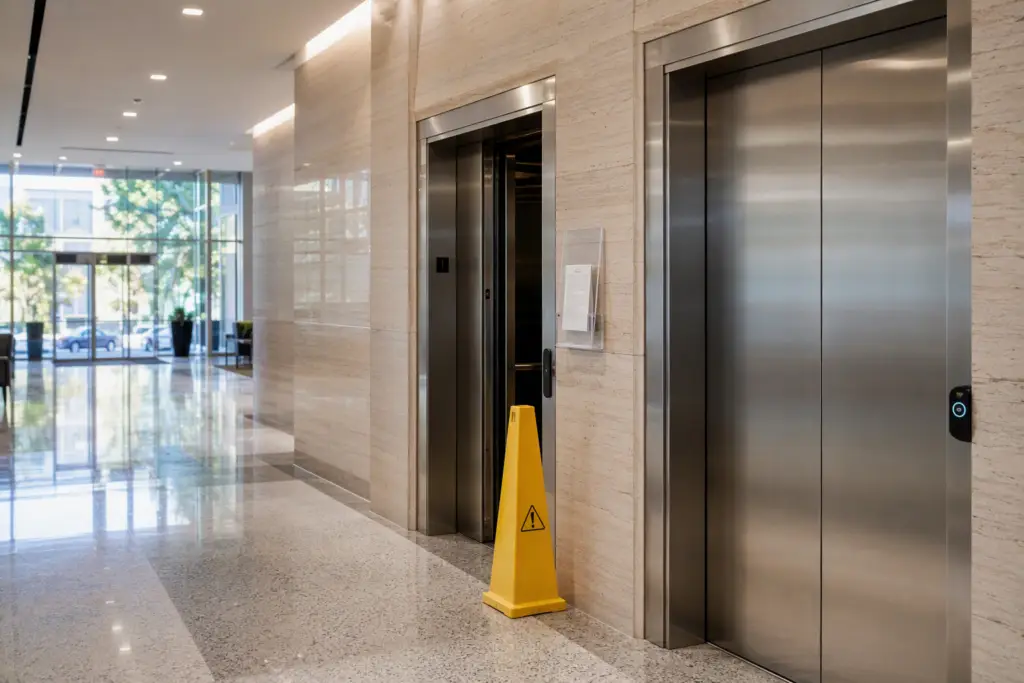
Quick Answer: For a well-maintained commercial elevator, one to three minor service calls per year is generally considered acceptable; more than four to five breakdowns annually — especially if they involve entrapments, door failures, or repeated mechanical faults — is a clear signal that the unit needs intensive diagnostic attention, a modernization evaluation, or replacement. […]
Full-Service vs. Parts-and-Labor Elevator Contracts: Which Agreement Type Actually Saves You Money

Quick Answer: Choose a full-service elevator maintenance contract when your building has older equipment, high call volume, or limited capital reserves for surprise repairs; choose a parts-and-labor contract when your elevator is newer, lightly used, and you have budget flexibility to absorb occasional component costs. Selecting the right elevator maintenance contract structure — full-service versus […]
Elevator Modernization Timelines: How Long Each Phase Takes and How to Plan Around Building Operations
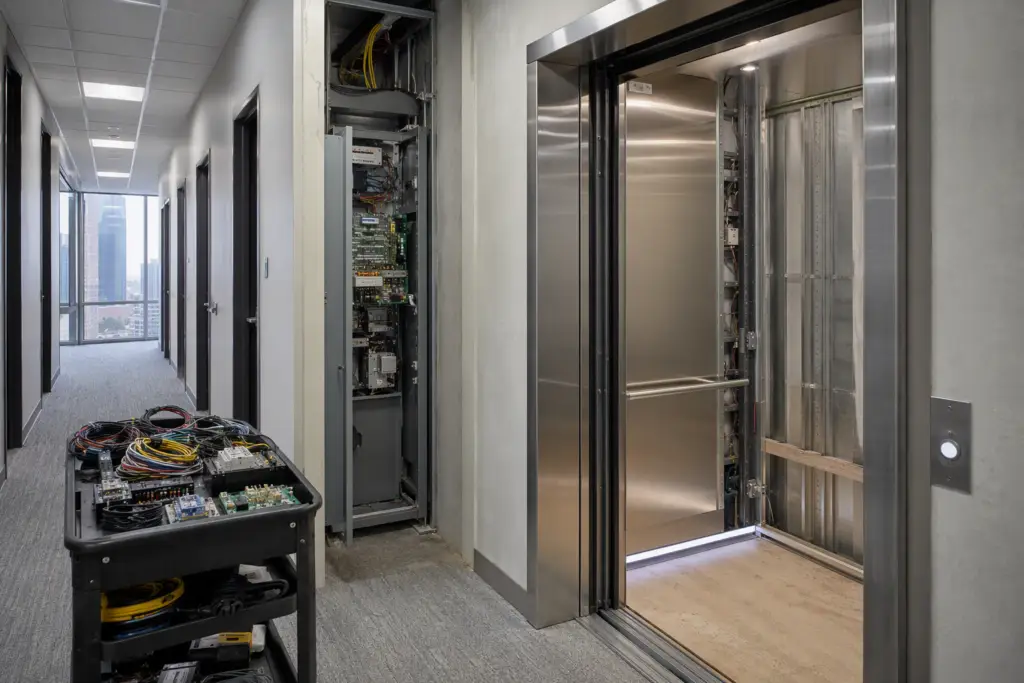
How Long Does Elevator Modernization Take From Start to Finish? Direct Answer: Most elevator modernization projects take between 4 and 16 weeks from contract execution to final inspection, with straightforward cab-and-controls upgrades on the shorter end and full hydraulic or traction system replacements on the longer end — though permit timelines, parts availability, and building […]
Upcoming Elevator Code Changes in 2027: What Texas and California Building Owners Need to Know Now
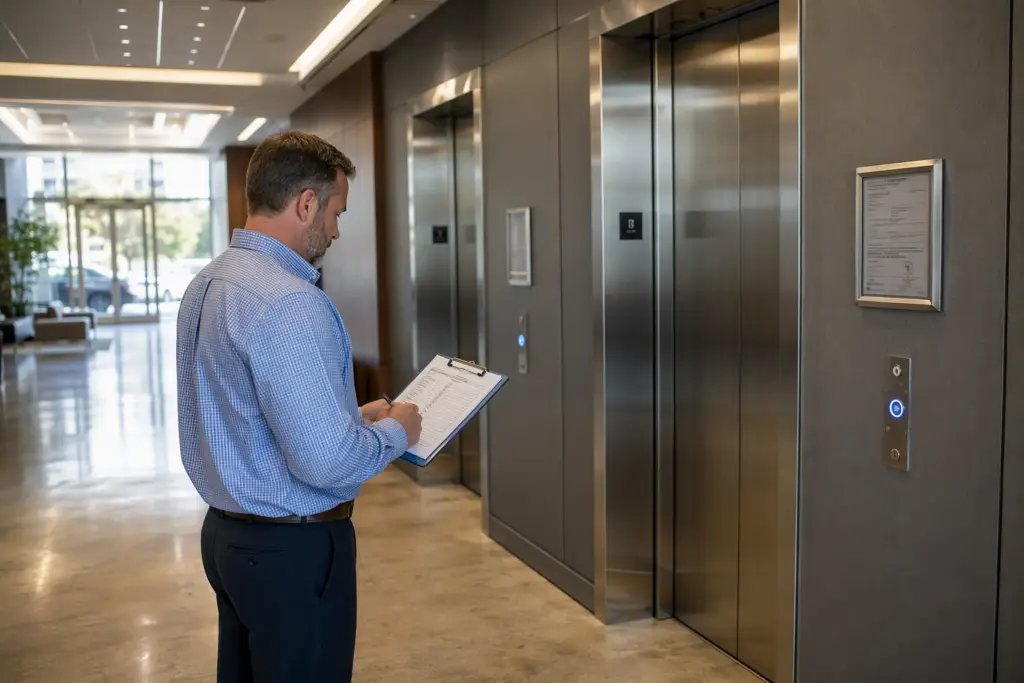
Direct Answer: The 2027 code cycle will require many commercial buildings to comply with updated ASME A17.1 Safety Code for Elevators and Escalators provisions, including enhanced door detector sensitivity requirements, phase II firefighters’ emergency operation upgrades, machine room environmental controls, and seismic compliance in applicable jurisdictions — buildings should begin assessments now to avoid violations […]
Elevator Compliance and ADA Requirements for Senior Living and Assisted Living Facilities
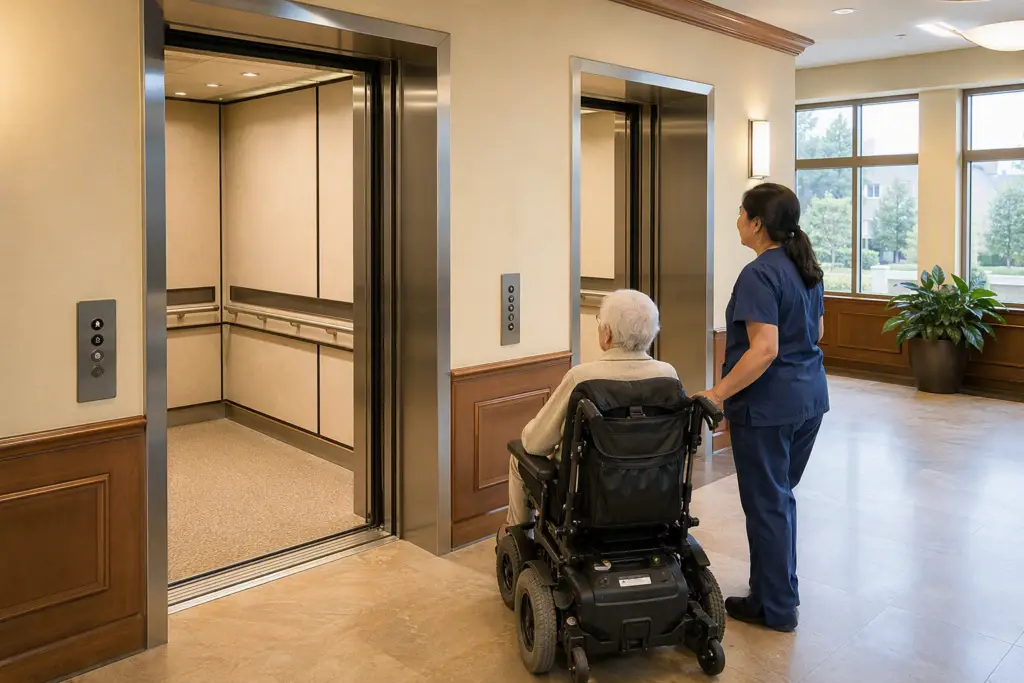
Elevator Requirements and ADA Compliance for Senior Living and Assisted Living Facilities Direct Answer: Senior living and assisted living facilities must comply with ASME A17.1 Safety Code for Elevators and Escalators for equipment safety and maintenance, the Americans with Disabilities Act (ADA) for accessible design, and applicable state and local building codes — all of […]
Early Warning Signs Your Elevator Needs Service: What Property Managers Should Never Ignore
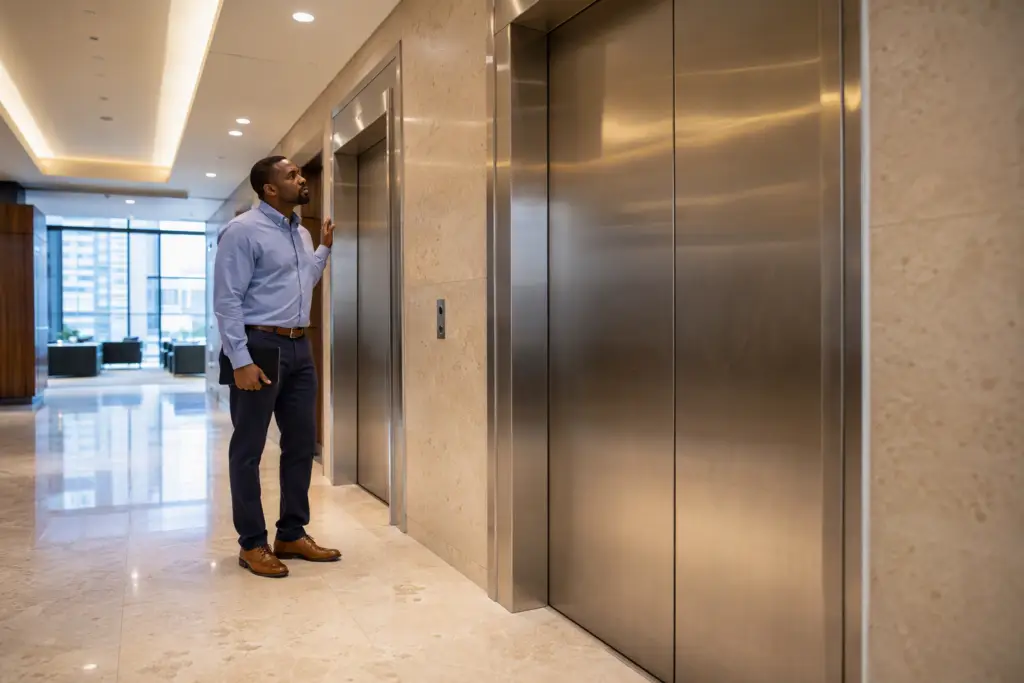
Direct Answer: Signs an elevator needs maintenance before it breaks down include unusual noises (grinding, squealing, or banging), slow or jerky movement, doors that hesitate or fail to close properly, leveling errors at floors, burning smells, flickering cab lights, and frequent nuisance trips of safety devices — all of which indicate mechanical or electrical wear […]