How Long Does Elevator Modernization Take From Start to Finish?
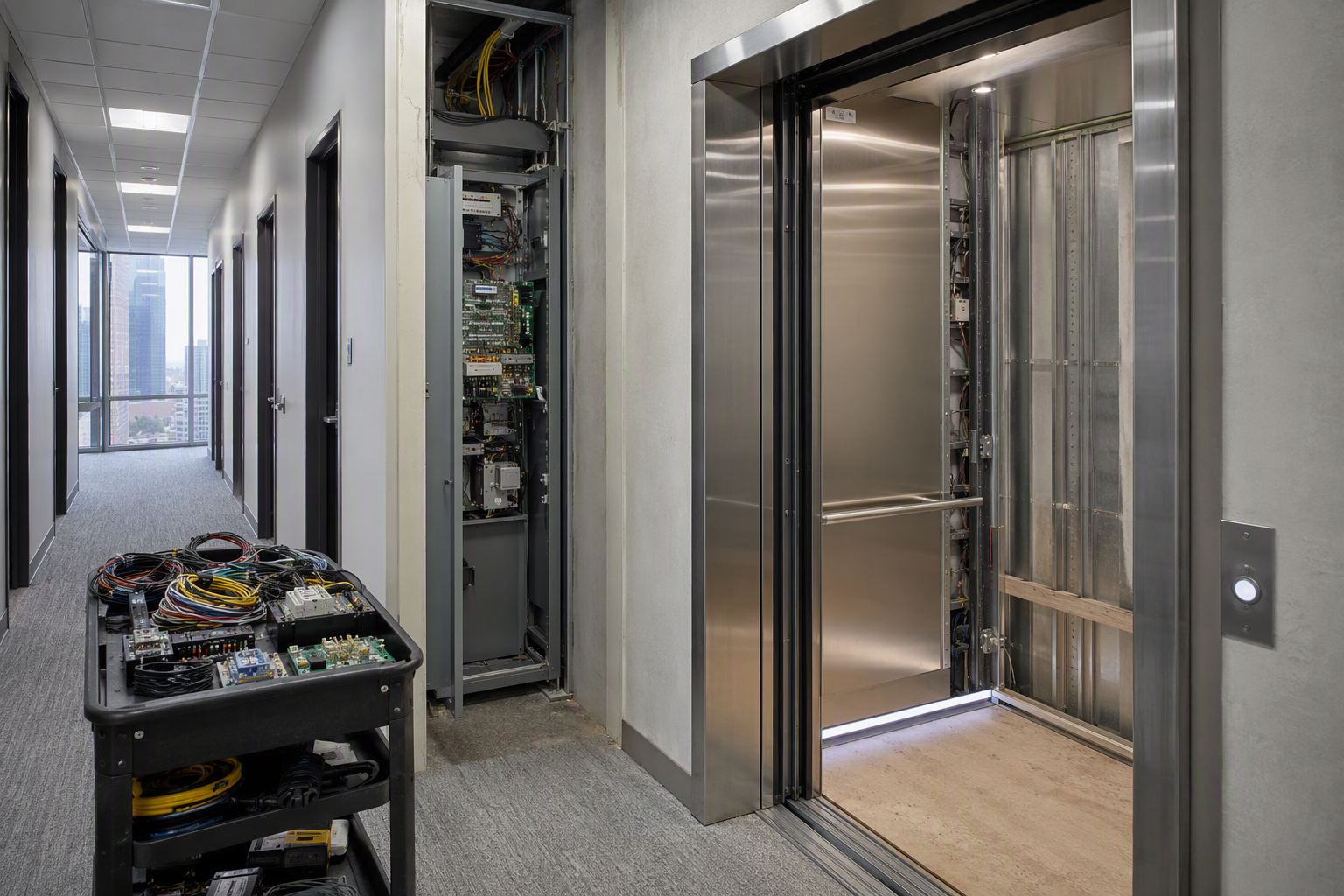
Elevator modernization is one of the most consequential maintenance decisions a building owner or property manager will make. Understanding realistic timelines — and the factors that compress or extend them — allows facilities teams to plan for downtime, communicate with tenants, and budget accurately. This page covers the full timeline from initial assessment through final code-compliant inspection, along with the sub-questions most commonly asked about the modernization process.
What Is Elevator Modernization and Why Does It Matter?
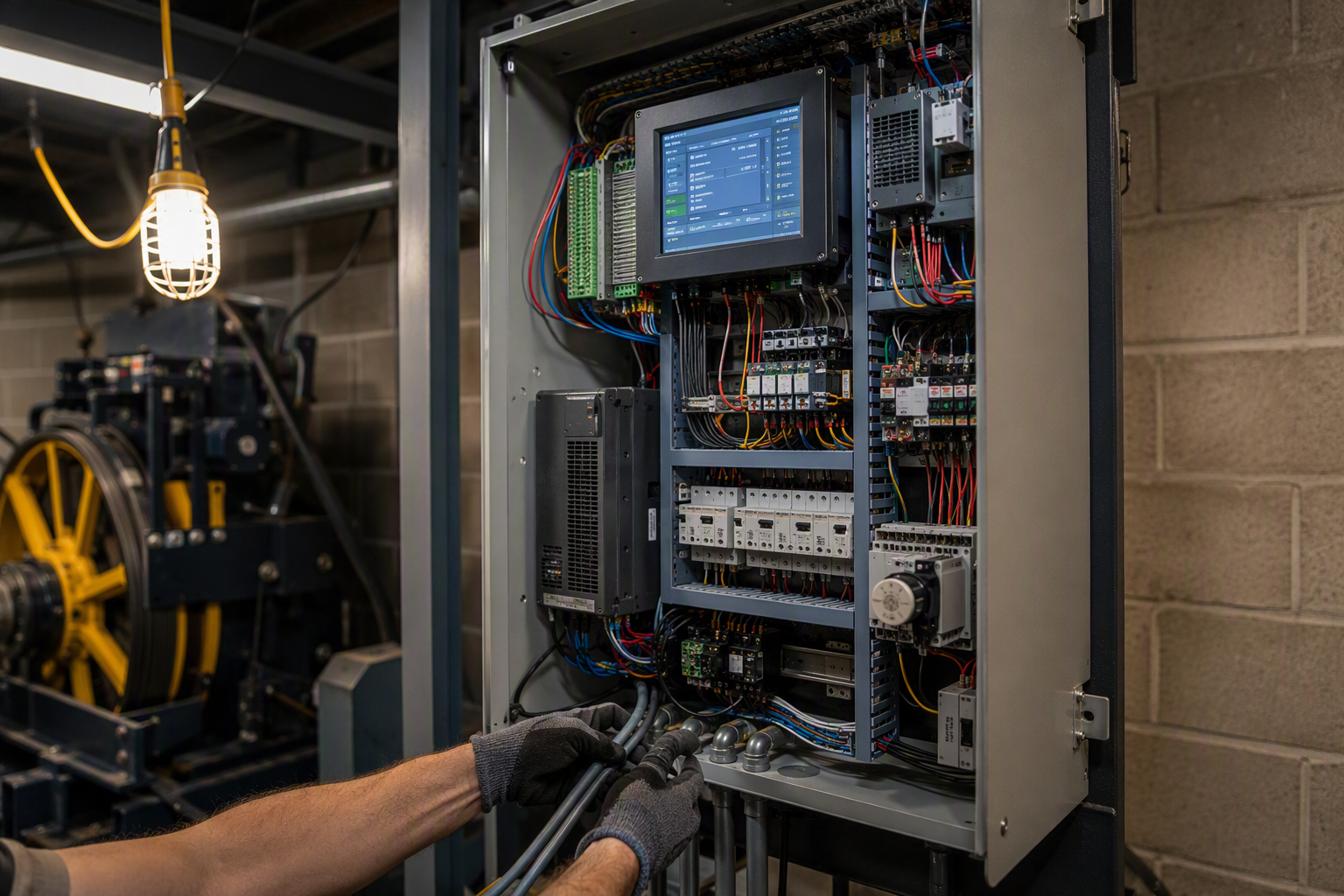
Elevator modernization refers to the partial or complete replacement of an elevator’s mechanical, electrical, and control systems — typically without demolishing and rebuilding the entire hoistway. Rather than replacing a structurally sound shaft, modernization replaces the components that age fastest and carry the highest safety and efficiency risk: the controller, drive system, door operators, fixtures, cab interior, hydraulic power unit, or traction machine.
Modernization is distinct from routine maintenance and from full elevator replacement. It occupies the middle ground: a significant capital investment that extends useful service life, restores code compliance, and improves energy efficiency without the cost and construction disruption of a ground-up installation.
Under the ASME A17.1 Safety Code for Elevators and Escalators, alterations to existing elevator equipment trigger specific inspection and testing requirements. Building owners are responsible for ensuring any modernized elevator meets the applicable edition of the code enforced by their local authority having jurisdiction (AHJ). Compliance with ADA accessibility standards — including cab dimensions, control heights, and audible/visual signals — is also commonly addressed during modernization scopes.
What Are the Typical Phases of an Elevator Modernization Project?

Understanding the timeline requires understanding the phases. Every modernization project moves through a predictable sequence, even when individual durations vary.
- Assessment and Scope Development: A qualified elevator contractor inspects the existing equipment, documents deficiencies, identifies code gaps, and prepares a scope of work. This phase typically takes one to three weeks depending on building access and the complexity of the existing system.
- Proposal Review and Contract Execution: The building owner reviews competing proposals, negotiates scope and pricing, and executes a contract. This phase is entirely owner-driven and can take days or months depending on internal approval processes.
- Permit Application: The contractor submits engineering drawings and permit applications to the local AHJ. Permit review timelines vary dramatically by jurisdiction — some issue permits in one to two weeks; others take six to twelve weeks or longer. This phase is the single most common source of project delay.
- Parts Procurement: Modern elevator controllers, drives, and fixtures are often manufactured to order or have extended lead times. Parts procurement typically runs concurrently with permitting but can add four to eight weeks independently, particularly for proprietary components or imported equipment.
- Field Installation: Once permits are approved and parts are on-site, field installation begins. This is the phase during which the elevator is taken out of service. Installation duration ranges from one week for a controls-only upgrade to six or more weeks for a full hydraulic or traction modernization.
- Inspection and Testing: The AHJ inspects the completed work. The ASME A17.1 Safety Code for Elevators and Escalators prescribes acceptance tests that must be witnessed by the inspector. Scheduling the inspection adds one to four weeks after installation completion.
- Certificate of Occupancy / Operating Permit: The jurisdiction issues a new operating permit or certificate. Some jurisdictions issue this immediately upon passed inspection; others have administrative processing time. The elevator legally returns to service only after this certificate is in hand.
How Long Is the Elevator Out of Service During Modernization?
The out-of-service period — the window that affects tenants, residents, and building operations most directly — corresponds to the field installation phase. For a controls-and-fixtures modernization on a straightforward traction elevator, out-of-service time is commonly one to three weeks. A full traction machine replacement or complete hydraulic conversion typically requires three to six weeks of downtime, sometimes more in multi-elevator banks where phased scheduling is used to maintain partial service.
Buildings with a single elevator face the greatest operational disruption, and contractors experienced in commercial and multifamily properties often recommend weekend or overnight shift work to compress the downtime window. This approach increases labor cost but reduces tenant impact and potential ADA accommodation obligations under ADA Title III (commercial) or Title II (public entities) for buildings serving people with disabilities.
What Factors Most Commonly Extend the Modernization Timeline?
Several variables routinely push projects beyond initial estimates:
- Permit backlogs at the local AHJ. Urban jurisdictions with high construction volume often have the longest permit review queues. Some jurisdictions require plan review by a third-party QEI (Qualified Elevator Inspector) in addition to their own staff, adding a sequential step.
- Parts availability and supply chain conditions. Elevator controllers, drives, and certain hydraulic components are subject to the same global supply chain pressures that affect all capital equipment. Proprietary legacy components — particularly for older systems no longer manufactured domestically — can have lead times measured in months.
- Concealed conditions discovered during demolition. Asbestos-containing materials in older machine rooms, corroded hoistway structures, or undersized electrical services discovered after work begins can halt progress until remediation is complete.
- Scope changes after contract execution. Code compliance gaps identified mid-project — such as a requirement to upgrade pit lighting, emergency communication systems, or hoistway ventilation under the current edition of ASME A17.1 — can add both time and cost.
- Inspection scheduling delays. In many jurisdictions, elevator inspectors are in short supply. After installation is complete, owners may wait several weeks for an available inspection slot.
- Multi-elevator phasing coordination. Buildings with two or more elevators often require a carefully sequenced plan to keep at least one cab running at all times, which extends the total project duration even as it reduces daily disruption.
How Does Scope of Modernization Affect the Timeline?
The scope of work is the primary driver of both installation time and overall project duration. Common modernization scopes, ordered from shortest to longest typical field installation, include:
- Controls and fixtures only: Replacement of the controller, selector, fixtures, and signaling equipment without touching the drive machine. This is often the fastest scope, with installation measurable in days to two weeks.
- Door operators and entrance equipment: Replacement of door operators, door reopening devices, and landing fixtures to meet current ASME A17.1 and ADA requirements. Can be performed concurrently with controls work or independently.
- Cab interior modernization: Replacement of wall panels, flooring, ceiling, lighting, and handrails. Primarily a finish trade scope that typically runs concurrently with controls or mechanical work.
- Hydraulic power unit replacement: Replacement of the pump-motor unit, valve, and often the fluid in the jack. Requires a full system shutdown and is frequently combined with controls replacement. Installation typically runs two to four weeks.
- Traction machine and drive replacement: Replacing the motor, gearbox (on geared machines), drive sheave, and solid-state drive system is the most mechanically intensive scope. Installation commonly runs three to six weeks.
- Full system modernization: A comprehensive scope covering all of the above. While the most disruptive in a single phase, it is often more efficient than piecemeal work over multiple mobilizations. Total installation time may reach six to ten weeks, but the building completes all deferred work in a single period of disruption.
What Code Compliance Requirements Must Be Met Before a Modernized Elevator Returns to Service?
Before a modernized elevator can legally return to service, it must pass acceptance testing as required by the applicable edition of ASME A17.1 Safety Code for Elevators and Escalators enforced in that jurisdiction. The AHJ determines which edition applies — not all jurisdictions have adopted the most current edition, and states vary in how and when they adopt code updates.
Acceptance tests for alterations are defined in ASME A17.1 and typically include load and speed tests, door safety system tests, emergency operation tests (including firefighters’ emergency operation under ASME A17.1 requirements), and pit and machine room safety checks. All tests must be witnessed by a QEI or authorized inspector depending on the jurisdiction’s requirements.
Additionally, buildings subject to ADA requirements — including commercial buildings open to the public and facilities receiving federal funding — must ensure that the modernized elevator meets applicable accessibility standards for controls, cab dimensions, door timing, and communication devices. Modernization projects are a common trigger for ADA upgrade requirements, as alterations must comply with current accessibility standards to the maximum extent feasible.
Employers performing modernization work are also subject to OSHA construction safety standards, including lockout/tagout procedures, confined space protocols for pit work, and fall protection requirements in hoistways.
How Should Building Owners Prepare for Elevator Modernization?
- Obtain the existing equipment records. Gather the elevator’s original permits, inspection certificates, and as-built drawings. These documents are required for the permit application and help the contractor accurately scope the work.
- Understand the local AHJ’s process. Contact the local elevator inspection authority before signing a contract to understand current permit review timelines. Some jurisdictions publish current wait times; others require a phone inquiry.
- Plan tenant and resident communications early. Draft a communication plan that includes the expected out-of-service start date, duration, and a process for residents or employees with mobility limitations to request accommodations.
- Evaluate ADA compliance gaps as part of the scope. Have the contractor assess current ADA compliance at the time of the initial assessment. Addressing these items during planned modernization is almost always more cost-effective than a separate mobilization later.
- Verify contractor qualifications and insurance. Confirm that the contractor holds all licenses required by the state and local jurisdiction, and that their workers carry appropriate insurance for elevator construction work.
- Build schedule contingency into the project plan. Even well-managed modernization projects encounter delays. A realistic project schedule should include buffer time for permit review, inspection scheduling, and potential parts delays.
- Coordinate with your property manager, insurer, and lender if applicable. Major elevator modernization may affect property insurance terms, loan covenants for commercial properties, or property management service-level agreements.
What Are the Industry Trends Shaping Elevator Modernization in 2025–2026?
The elevator modernization market is being shaped by several converging forces heading into 2026:
Aging building stock and deferred maintenance: A significant portion of the commercial, multifamily, and institutional elevator inventory in the United States was installed in the 1970s, 1980s, and 1990s. As these systems age past their typical useful service lives, building owners face increasing pressure to modernize — both from a maintenance cost standpoint and from code enforcement.
Energy efficiency and sustainability mandates: Many jurisdictions are incorporating elevator energy efficiency requirements into local building codes and sustainability ordinances, particularly for commercial properties pursuing green building certifications. Modern variable-voltage, variable-frequency (VVVF) drive systems offer significant energy reductions compared to older relay-logic and resistance-based systems, making energy efficiency an increasingly prominent justification for modernization budgets.
Remote monitoring and predictive maintenance integration: New elevator controllers increasingly include built-in connectivity for remote monitoring platforms. Building owners and facilities managers are beginning to expect these capabilities as standard features in modernization scopes, rather than optional add-ons.
Code adoption cycles: States and municipalities continue to adopt updated editions of ASME A17.1 on varying timelines. New adoptions frequently trigger retroactive requirements that can convert previously compliant equipment into equipment requiring upgrades. Building owners should monitor their jurisdiction’s code adoption status as part of ongoing asset planning.
Supply chain normalization and lead times: The post-pandemic supply chain disruptions that extended parts lead times significantly are gradually normalizing, but certain categories of elevator components — particularly microprocessor-based controllers and solid-state drives — continue to carry longer lead times than pre-2020 benchmarks. This reality continues to underscore the importance of early procurement planning.
How Does Elevator Modernization Compare to Full Replacement in Timeline?
Full elevator replacement — removing the existing equipment down to the hoistway structure and installing entirely new equipment — typically takes significantly longer than modernization of the same system. In addition to the installation time for new equipment, full replacement often involves structural work, new pit sump installation, machine room reconfiguration, and a more complex permit review process. For most building owners with structurally sound hoistways, modernization offers a substantially shorter total project timeline alongside lower overall cost.
The decision between modernization and replacement should be made after a professional assessment of hoistway condition, remaining useful life of structural components, and the long-term operational needs of the building. AmeriTex Elevator provides this type of data-driven assessment to help building owners make informed capital planning decisions.
How Can Building Owners Compare Elevator Modernization Vendors?
Vendor selection for elevator modernization should go beyond price comparison. Key evaluation criteria include:
- Permit and code knowledge specific to the local jurisdiction: A contractor experienced with the local AHJ can anticipate plan review comments and avoid back-and-forth delays that add weeks to the permit phase.
- Parts sourcing and procurement transparency: Ask each vendor for current lead time estimates on the specific components in the proposed scope. Vague answers on lead times often translate to project delays.
- References from comparable building types: A contractor experienced in multifamily modernization may approach a hospital or high-rise commercial project differently. Seek references from buildings similar to yours in occupancy type and elevator count.
- Project management and communication protocols: Understand who the primary point of contact will be during installation, how schedule changes will be communicated, and what the escalation path is for issues discovered during demolition.
- Post-modernization maintenance capabilities: The contractor who installs a new controller is in the best position to maintain it. Evaluate whether the vendor offers ongoing maintenance contracts and what their service area and response capabilities are.
AmeriTex Elevator approaches modernization with a structured, data-driven process — from the initial assessment through permit coordination, installation, and final inspection — to give building owners accurate timelines and clear communication at every phase.
Does Building Location Affect How Long Modernization Takes?
Yes, building location is one of the most significant timeline variables outside the contractor’s direct control. Permit review times, inspection availability, and applicable code editions all vary by jurisdiction. Urban markets with high construction activity and constrained inspection resources tend to have longer permit and inspection timelines. Rural and smaller markets may have faster permit review but fewer qualified elevator contractors and longer parts-delivery logistics windows.
Building owners in Texas — where AmeriTex Elevator operates — should be aware that the Texas Department of Insurance’s Elevator Safety Section administers elevator permits and inspections statewide for most jurisdictions, with specific local requirements in some municipalities. Understanding this structure early in the project planning process helps set realistic schedule expectations.
What Questions Should Building Owners Ask Before Signing a Modernization Contract?
Before executing a modernization contract, building owners benefit from asking the following of every prospective vendor:
- What is the current permit review timeline for this jurisdiction, and have you submitted similar scopes to this AHJ recently?
- What are the current lead times on the specific controller and drive components you are proposing?
- What is the anticipated out-of-service duration, and what is your plan if concealed conditions are discovered after demolition begins?
- How will you manage ADA compliance within this scope, and what items are outside the scope that may trigger future requirements?
- Who is the project manager of record, and how will schedule and scope changes be communicated and documented?
- What acceptance tests will be performed, and when will the AHJ inspection be scheduled?
How Does AmeriTex Elevator Approach the Modernization Timeline?
AmeriTex Elevator applies a structured, phase-by-phase approach to modernization planning that prioritizes transparency on schedule from day one. The process begins with a thorough on-site assessment that documents existing equipment conditions, identifies code compliance gaps against the current edition of ASME A17.1, and flags any conditions that could create schedule risk during installation. This assessment drives a scope proposal built around realistic timelines — not optimistic estimates designed to win a bid.
AmeriTex Elevator coordinates permit applications and maintains working relationships with relevant AHJs to minimize administrative delays. Parts procurement is initiated as early as the contract allows to protect against supply chain lead time risk. Throughout installation, project management communication keeps building owners and property managers informed of progress and any emerging schedule considerations.
For building owners evaluating modernization as a capital project, AmeriTex Elevator offers a free elevator assessment to establish a baseline of current equipment condition, estimate remaining useful life, identify near-term compliance requirements, and provide realistic timeline guidance — before any commitment is made.
Get a Data-Driven Modernization Timeline for Your Building
Every elevator modernization project is different. The only way to get an accurate timeline for your specific equipment, building, and jurisdiction is to start with a professional assessment. AmeriTex Elevator provides free elevator assessments to help building owners understand exactly what modernization involves, how long it will take, and what is required for code compliance — with no obligation.
Contact AmeriTex Elevator for a free elevator assessment: 866-679-4313
Need elevator service you can rely on? AmeriTex Elevator is ready to help.