Elevator Service in Houston, TX | AmeriTex Elevator
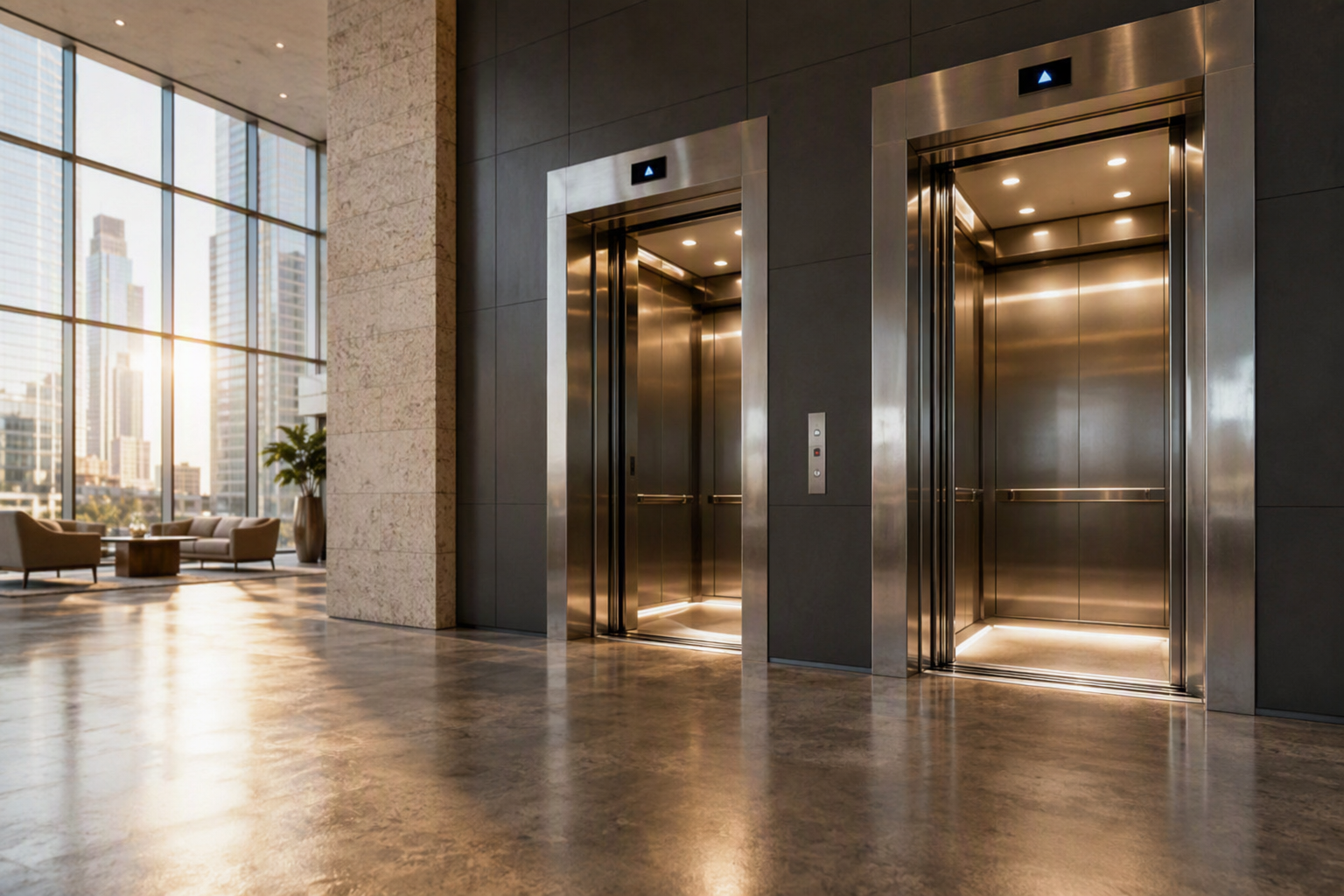
Elevator modernization in Houston, TX directly affects what a commercial property owner pays for insurance and how much liability risk remains on the building. Upgrading outdated elevator systems signals to insurers and risk managers that a property has reduced its exposure to equipment failures, entrapments, and code-related incidents — factors that underwriters actively evaluate when calculating premiums and policy terms.
—
Does Elevator Modernization Lower Property Insurance Premiums?
Modernization does not guarantee a specific premium reduction, but it can meaningfully influence how insurance underwriters assess a property. Insurers evaluate the age, condition, and compliance status of elevator systems when pricing general liability and property coverage. When a building owner replaces obsolete controls, worn mechanical components, or non-compliant safety devices with equipment that meets current code standards, that property presents a demonstrably lower risk profile.
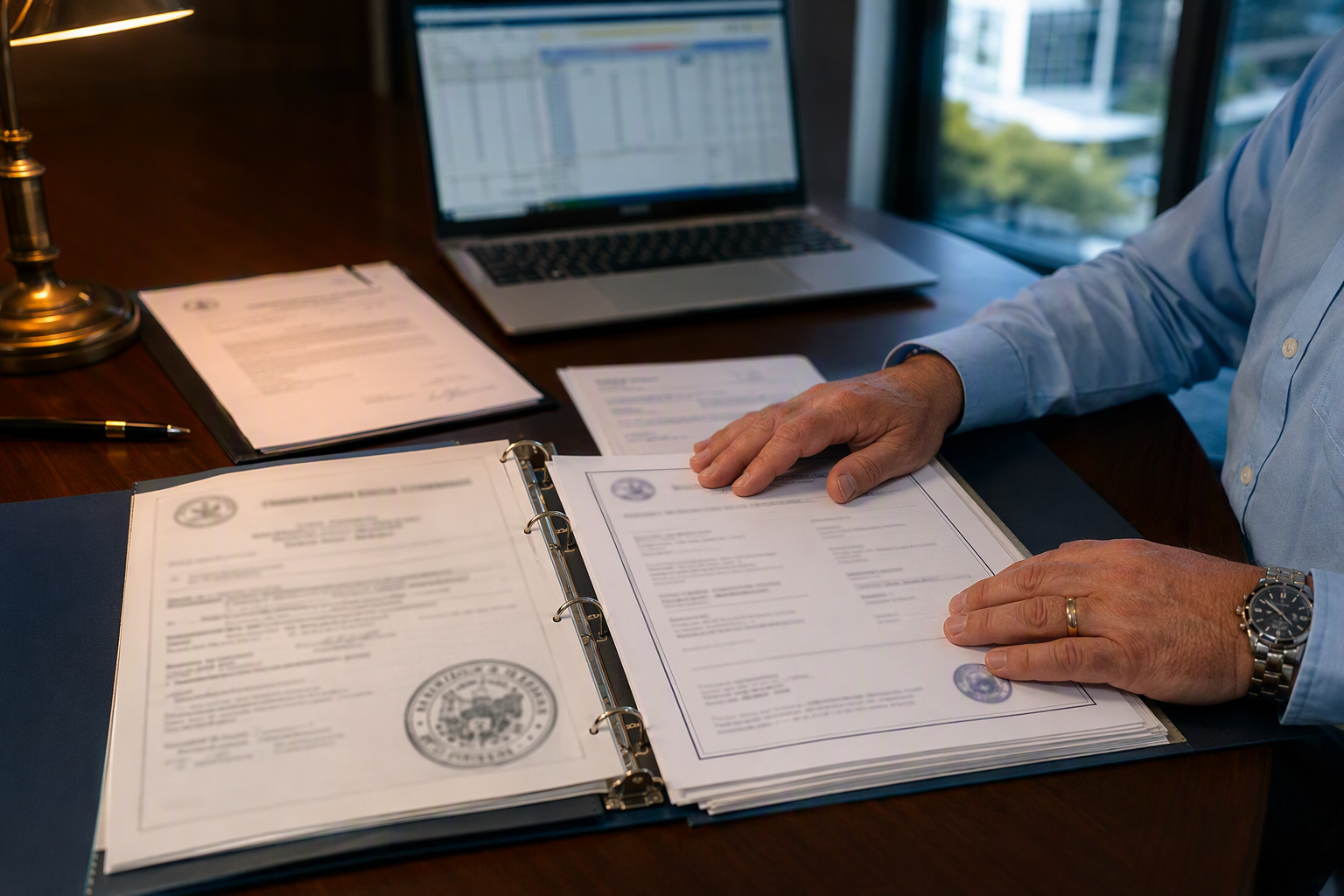
Houston property owners should document every modernization project thoroughly — including inspection certificates, permit records, and compliance correspondence — because underwriters and brokers rely on this documentation when reviewing a policy. A modernized system without supporting paperwork provides far less leverage during a coverage negotiation than one with a complete compliance record.
—
How Does Elevator Condition Affect Liability Exposure?
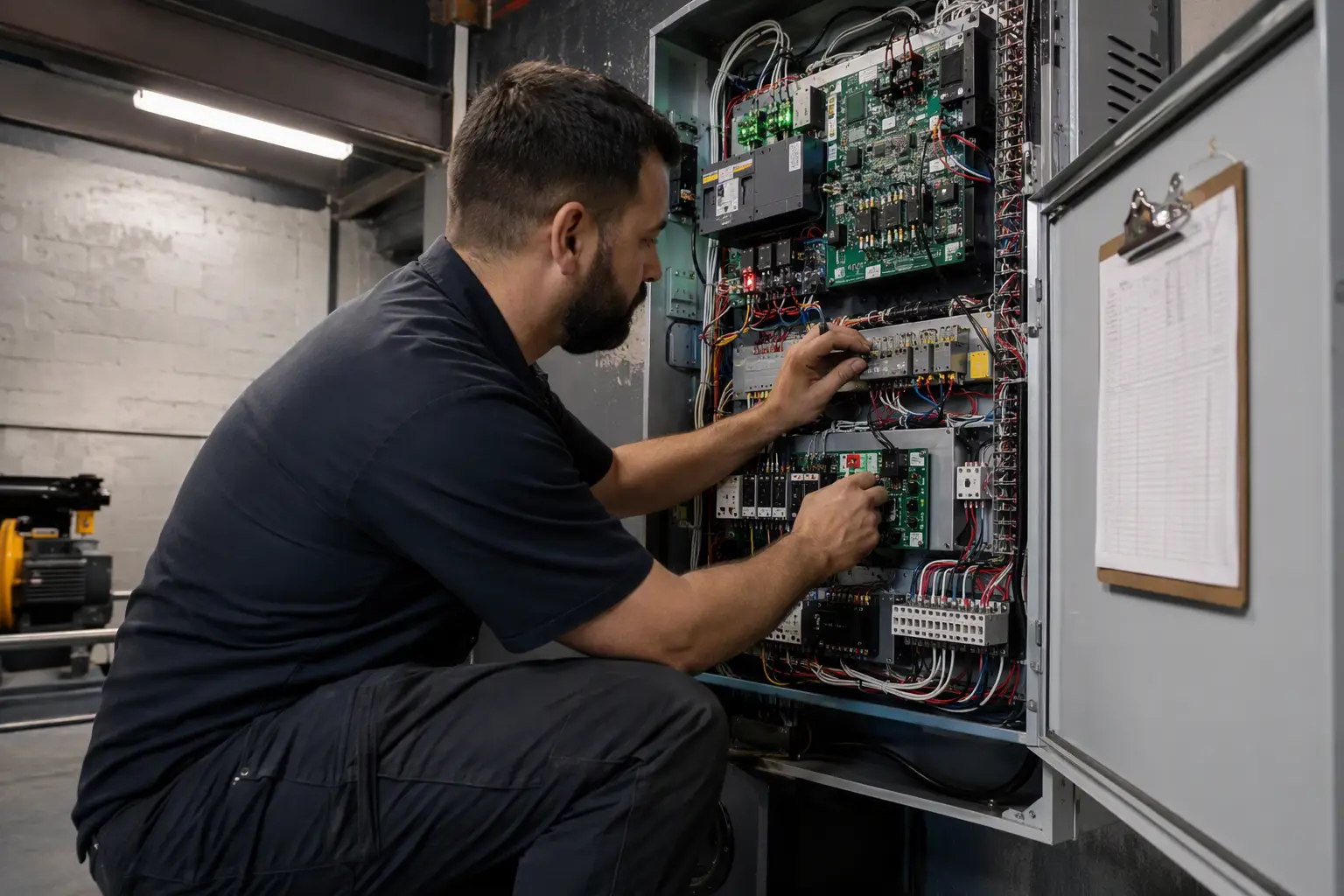
Liability exposure tied to elevator systems stems primarily from incidents involving passenger injury, entrapment, or property damage. Older elevator systems operating on obsolete controls or with worn mechanical components present a statistically difficult case to defend when a claim arises, because plaintiff attorneys frequently argue that the building owner was aware of the equipment’s age and deferred necessary upgrades.
A modernized elevator system — one that has been brought into alignment with current editions of the ASME A17.1 Safety Code for Elevators and Escalators — provides documented evidence that the property owner exercised reasonable care. This standard of care argument is central to limiting liability when incidents do occur.
Properties subject to the Americans with Disabilities Act (ADA) face an additional layer of liability if elevator accessibility features are outdated. Modernization projects that address cab dimensions, control panel heights, Braille signage, and door timing can reduce exposure to ADA-related complaints and litigation.
—
What Texas-Specific Codes Govern Elevator Modernization?
In Texas, elevator installations, alterations, and inspections are governed by the Texas Department of Insurance (TDI), which administers elevator safety through the Elevator Safety and Licensing Program. Texas adopts the ASME A17.1 Safety Code for Elevators and Escalators as the foundational technical standard, with Texas-specific administrative rules layered on top.
In Houston, any modernization project that qualifies as an alteration under the ASME A17.1 code requires a permit, qualified inspections, and a new certificate of operation before the elevator is returned to public use. Building owners who bypass this permitting process not only risk code enforcement actions — they also create significant gaps in their compliance documentation that insurers and courts may view as negligence.
For 2026, building owners undertaking modernization projects should confirm with their elevator service provider which edition of ASME A17.1 their local jurisdiction is currently enforcing, as Texas jurisdictions can adopt code editions on different cycles.
—
What Components Are Typically Replaced During Elevator Modernization?
A full modernization project often includes some or all of the following system elements:
- Control systems: Replacing relay-logic or older solid-state controllers with current microprocessor-based controls improves reliability and enables modern safety diagnostics.
- Drive systems: Modernizing the drive unit — whether hydraulic power unit or traction machine — directly affects stopping accuracy and energy efficiency.
- Door operators and safety edges: Replacing mechanical safety edges with light curtains aligns with current ASME A17.1 requirements and is among the most visible liability risk reduction measures.
- Safety circuits and devices: Governors, buffers, and safeties may require replacement or recertification depending on the scope of the modernization and the code edition in force.
- Cab interiors and accessibility features: Updating to meet ADA standards protects against accessibility-related liability.
- Emergency communication systems: Current codes require two-way communication capability in the cab; older systems may not comply.
The specific scope required in a Houston property depends on the elevator’s age, existing condition, and the intended use of the building. A qualified elevator service company will evaluate these factors before recommending a modernization scope.
—
How Long Does an Elevator Modernization Project Take?
Project timelines vary based on the scope of work, parts availability, permit processing times with the Texas Department of Insurance, and building logistics. A targeted component modernization — such as a controls-only upgrade — may require less downtime than a full system replacement. Building owners in Houston planning modernization projects should discuss realistic scheduling with their service provider early, as some components may involve lead times that affect the overall project window.
Planning ahead is particularly important for multi-elevator buildings, where phased modernization can allow at least one unit to remain in service during the process.
—
How Should a Property Owner Prepare for an Elevator Modernization Project?
- Audit existing documentation. Gather all current inspection certificates, previous modernization records, and the elevator’s maintenance history before engaging a service provider.
- Consult your insurance broker. Before the project begins, ask your broker which upgrades have the greatest influence on your policy’s risk rating and whether completion of a modernization project warrants a mid-term policy review.
- Obtain a scope assessment. A qualified Houston elevator service company should inspect the system and provide a written scope of work tied to current ASME A17.1 requirements and Texas TDI standards.
- Confirm permit requirements. Verify with the service provider that all required Texas TDI permits will be pulled before work begins.
- Plan for the outage period. Communicate the expected downtime to building tenants and ensure ADA-compliant alternative access is addressed where required by the Americans with Disabilities Act.
- Retain all completion documentation. After inspections pass and the certificate of operation is issued, store all records in a permanent building file — this documentation is critical for insurance purposes and future transactions.
—
Does an Older Elevator Automatically Increase a Building’s Liability Risk?
Age alone does not create liability — condition, maintenance history, and code compliance status are the controlling factors. A well-maintained older elevator with a complete service record and current certificates of operation presents a very different risk profile than a neglected system of the same age. However, as equipment ages, maintaining compliance with evolving code requirements becomes increasingly difficult and costly, which is why many Houston commercial property owners find that a modernization investment compares favorably to the long-term cost of maintaining aging systems through recurring repairs and potential liability exposure.
Insurance underwriters and risk managers assess all of these factors together. Properties with documented, proactive maintenance and current compliance records are consistently viewed more favorably than those where maintenance has been deferred.
—
Why Do Houston Commercial Properties Work with AmeriTex Elevator?
AmeriTex Elevator serves commercial properties, multifamily residential buildings, healthcare facilities, and government and institutional properties across the Houston, TX metro area. The company provides elevator modernization, maintenance, inspection coordination, and emergency service — offering building owners a single qualified resource for managing elevator compliance and reducing risk.
AmeriTex Elevator’s team understands the Texas Department of Insurance permitting process, the local adoption status of ASME A17.1, and the ADA accessibility requirements that affect Houston properties. When building owners undertake modernization projects, AmeriTex Elevator works to ensure that documentation meets the standards insurers and regulators require — so that the investment in modernization translates into demonstrable, documented risk reduction.
For buildings that experience elevator issues outside of standard service hours, AmeriTex Elevator maintains emergency service availability to address entrapments and critical safety concerns.
—
Schedule a Free Consultation
If you manage a Houston commercial or residential property and want to understand how elevator modernization can affect your insurance premiums and liability exposure, AmeriTex Elevator can assess your current equipment, outline a modernization scope aligned with Texas TDI and ASME A17.1 requirements, and help you build the documentation record that protects your investment.
Contact AmeriTex Elevator today: 866-679-4313
Schedule a free consultation and take the first step toward a safer, more compliant, and more insurable elevator system.
Need elevator service you can rely on? AmeriTex Elevator is ready to help.