Elevator Modernization Cost: What You’ll Pay and What Drives the Price
Elevator modernization is one of the most consequential capital decisions a building owner or facility manager will make. Unlike routine maintenance, modernization replaces or upgrades core mechanical, electrical, and safety systems — and the price tag reflects that complexity. This page breaks down the variables that drive cost, the code requirements that shape scope, and the questions building owners most frequently ask when budgeting for a modernization project.
What Is Elevator Modernization?
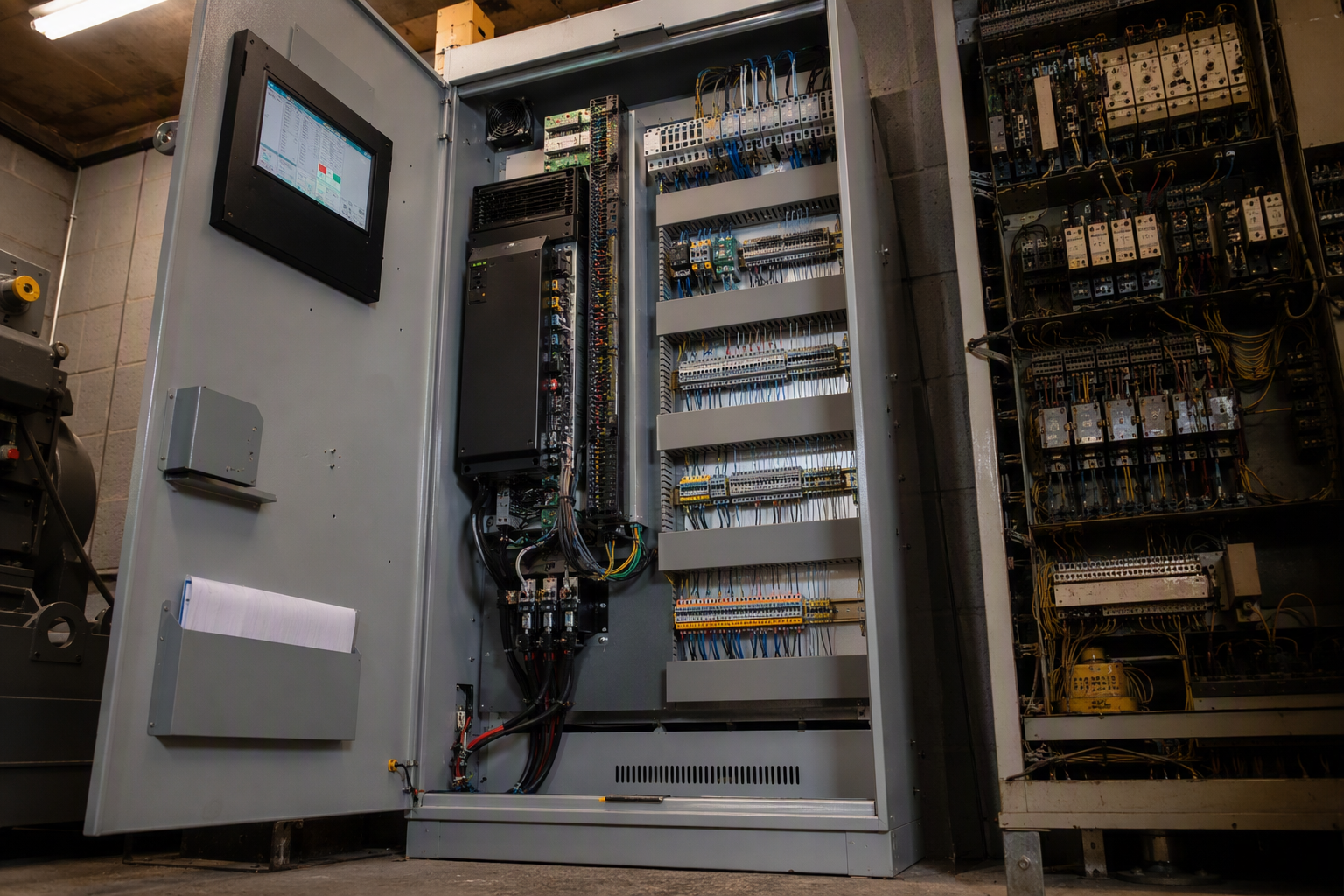
Modernization is the process of replacing or upgrading one or more major components of an existing elevator system without necessarily replacing the entire hoistway or structure. It is distinct from routine maintenance (adjusting and lubricating existing parts) and from a full new installation (building a new shaft and system from scratch).
Common modernization scopes include:
- Controls modernization — replacing relay-based or early microprocessor controllers with modern solid-state or relay-free controls
- Drive system modernization — converting older hydraulic systems or DC traction drives to more efficient AC variable-voltage, variable-frequency (VVVF) drives
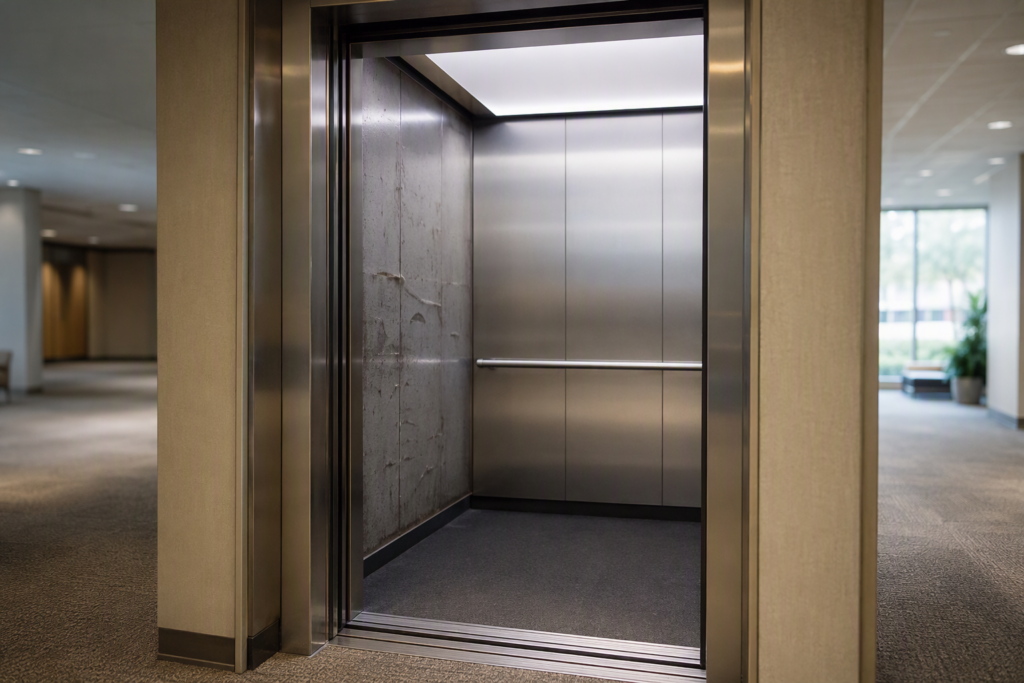
- Cab interior renovation — new flooring, wall panels, lighting, and ceiling to meet tenant expectations or brand standards
- Door operator and entrapment protection upgrades — replacing outdated door operators and adding or upgrading door detection systems
- Hydraulic fluid conversion — switching from petroleum-based to biodegradable hydraulic fluid and upgrading containment systems
- Machine room upgrades — adding or replacing motor generators, machine room cooling, or converting to machine-room-less (MRL) configurations where feasible
- Full modernization — a comprehensive replacement of controls, drive, cab, doors, fixtures, and safety devices in a single coordinated project
What Factors Most Affect the Cost of Elevator Modernization?
No two modernization projects carry the same price because no two elevators are identical. The following variables have the greatest influence on final cost:
1. Scope of Work
A single-system upgrade — such as replacing a door operator or upgrading lighting — will cost a fraction of a full modernization that touches controls, drive, cab, and safety devices simultaneously. Building owners should be cautious about phased approaches that defer interconnected systems, as incompatibilities between old and new components can add unexpected costs.
2. Elevator Type and Configuration
Hydraulic, traction (geared and gearless), and machine-room-less elevators each have different component architectures. A hydraulic elevator modernization may involve tank replacement, underground cylinder work, or fluid conversion in addition to controls, making it structurally different — and often more costly per component — than a comparable traction modernization.
3. Age and Obsolescence of Existing Equipment
Elevators with proprietary or discontinued components require contractors to source rare parts, manufacture custom interfaces, or replace entire subsystems that could otherwise be retained. Equipment manufactured before modern safety standards were codified often requires broader replacement to achieve compliance.
4. Code Compliance Requirements
Modernization triggers code compliance obligations under ASME A17.1 Safety Code for Elevators and Escalators and applicable state and local amendments. When a major component is replaced, the entire system — or large portions of it — may be required to meet current code editions. This “trigger” effect can substantially expand the required scope and cost of a project that began as a limited upgrade.
Additionally, ADA (Americans with Disabilities Act) requirements may mandate upgrades to cab dimensions, door timing, control button placement, floor designation signage, and audible signals when modernization work is performed. Buildings undergoing renovation are subject to ADA path-of-travel requirements, which can extend the compliance scope beyond the elevator itself.
5. Number of Floors and Stops
A two-stop elevator in a low-rise commercial building requires far less wiring, fewer safety devices, and a smaller control system than a 20-stop high-rise installation. Cost scales — though not always linearly — with the number of stops, floors served, and the length of travel.
6. Building Occupancy and Downtime Constraints
Hospitals, hotels, and high-occupancy residential buildings often require work to be performed during off-peak hours, on weekends, or in carefully sequenced phases that minimize elevator downtime. This scheduling complexity adds labor cost and extends project timelines. Buildings with a single elevator have even stricter constraints, since any downtime eliminates vertical transportation entirely.
7. Local Labor Markets and Permitting
Elevator mechanics are licensed tradespeople, and labor rates vary significantly by geographic region. Permit fees, inspection fees, and the pace of local inspection scheduling also vary by jurisdiction and can affect both cost and timeline. OSHA regulations governing construction and general industry safety apply throughout modernization projects and influence how work must be staged and protected.
8. Contractor Selection and Equipment Brands
Original equipment manufacturers (OEMs), independent elevator contractors, and regional specialists each approach modernization differently. OEM proposals often specify proprietary replacement components; independent contractors may offer open-protocol alternatives that provide long-term serviceability advantages. The choice of drive, controller, and safety component brands affects both upfront cost and long-term maintenance expenses.
How Should Building Owners Compare Modernization Proposals?
When evaluating competing proposals, a direct price comparison is rarely sufficient. Owners should assess:
- Scope alignment — Are all proposals addressing the same components and code compliance requirements, or are some omitting trigger items that will surface during inspection?
- Equipment specifications — What brands, models, and warranty terms are included? Are components proprietary or open-protocol?
- Code compliance documentation — Does the proposal explicitly address ASME A17.1 compliance triggers and local code amendments?
- ADA compliance — Has the contractor assessed ADA obligations applicable to the modernization scope?
- Project timeline and downtime plan — How long will the elevator be out of service, and how is that phased to minimize disruption?
- Post-modernization maintenance — What maintenance contract terms apply after completion, and are they bundled into the proposal?
AmeriTex Elevator approaches modernization assessments by evaluating existing equipment condition, code compliance gaps, and long-term operational goals before recommending scope — ensuring proposals reflect what the building actually needs rather than a templated package.
What Does the Modernization Process Look Like Step by Step?
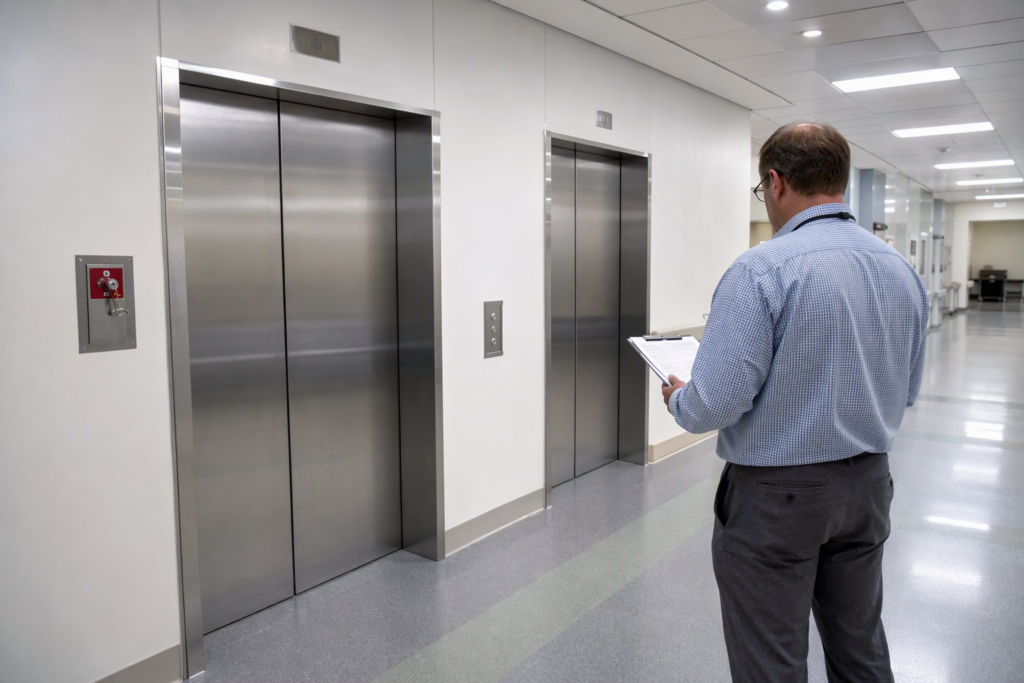
- Initial assessment and audit — A qualified elevator contractor inspects the existing system, documents component age and condition, and identifies code compliance gaps under the current edition of ASME A17.1 and applicable local amendments.
- Scope development — Based on the audit, the contractor defines the modernization scope: which components will be replaced, which will be retained, and what code triggers apply.
- Proposal and contract execution — The building owner receives a written proposal with itemized scope, equipment specifications, timeline, and warranty terms. Contracts are executed and permits are applied for with the local authority having jurisdiction (AHJ).
- Equipment procurement — Controllers, drives, door operators, cab materials, and safety devices are ordered. Lead times vary by manufacturer and component availability, and supply chain conditions can affect this phase.
- Field installation — Licensed elevator mechanics perform the physical work: removing obsolete equipment, installing new components, and wiring the system according to code-compliant drawings.
- Testing and adjustment — The modernized system undergoes systematic testing of all safety devices, door operations, leveling accuracy, and emergency systems.
- State or local inspection — The AHJ conducts a formal inspection and — upon approval — issues an updated certificate of operation. OSHA requirements for safe work practices apply throughout this phase.
- Return to service and owner walkthrough — The elevator is returned to service, and building staff are briefed on any operational changes, emergency procedures, and new maintenance requirements.
How Do Code Requirements Affect Modernization Cost?
Code compliance is not optional — and it is one of the most significant cost drivers that building owners underestimate when budgeting. Under ASME A17.1 Safety Code for Elevators and Escalators, replacing a major component typically triggers a requirement to bring related systems into compliance with the current code edition. This means a controls modernization may simultaneously require upgrades to door protection, car safety devices, and emergency lighting that would not have been required had no modernization been performed.
State and local jurisdictions often adopt ASME A17.1 with amendments, and the version in force at the time of permit application governs the project. Some jurisdictions have adopted recent editions with stricter requirements than others. Engaging a contractor familiar with local AHJ expectations — before scope is finalized — prevents costly change orders during construction.
ADA accessibility requirements add another compliance dimension. When a building undergoes alterations, the path of travel to the altered area — including elevator access — must be made accessible to the extent that it is technically feasible and does not impose a disproportionate cost burden. This can mean cab dimension adjustments, revised door timing, updated control fixtures, and signage changes that go beyond what a pure mechanical modernization would otherwise include.
What Is the Difference Between Partial and Full Modernization?
A partial modernization targets one or more subsystems — typically the component closest to end of useful life or posing the most significant safety or compliance risk. Common partial modernization examples include replacing a controller while retaining the existing drive and cab, or upgrading door operators without touching the machine room.
A full modernization replaces substantially all major components — controls, drive, cab, doors, fixtures, and safety devices — in a coordinated project. While the upfront investment is greater, full modernizations often deliver better long-term value by eliminating compatibility challenges between old and new components, qualifying for longer warranty terms, and deferring the next major capital outlay for a longer period.
The right approach depends on the age and overall condition of the system, budget cycles, building operational needs, and code trigger analysis. A thorough assessment is necessary before concluding that a partial modernization is sufficient.
How Long Does Elevator Modernization Take?
Timeline varies with project complexity. A partial controls modernization on a simple hydraulic elevator in a low-rise building may take days to a few weeks of active installation time, plus lead time for equipment procurement. A full modernization of a traction elevator in a high-rise with strict occupancy constraints may span several months from contract execution to final inspection and return to service.
The following variables most commonly extend timelines:
- Equipment procurement lead times, which have been variable in recent years due to supply chain conditions
- Permit issuance and inspection scheduling with the local AHJ
- Discovery of unanticipated conditions during demolition of old equipment
- Occupancy restrictions that limit working hours
- Multi-elevator buildings where cars must be sequenced to maintain service
Does Elevator Modernization Improve Energy Efficiency?
Modern drive systems — particularly AC variable-voltage, variable-frequency (VVVF) drives — are substantially more energy-efficient than the DC motor-generator sets and older hydraulic power units they replace. Regenerative drive systems can feed recovered energy back into a building’s electrical system during down-travel with loaded cars, reducing net energy consumption. LED cab lighting replaces fluorescent and incandescent fixtures that consume several times more power for equivalent illumination.
Energy efficiency improvements are a qualitative benefit frequently cited in modernization value analyses, and some building owners are able to pursue utility rebate programs for qualifying equipment upgrades. The availability and terms of such programs vary by utility and jurisdiction and should be verified locally before being incorporated into financial projections.
What Are the Safety Benefits of Modernization?
Elevator safety codes under ASME A17.1 have evolved substantially over the decades, and older elevators operating under grandfather provisions may lack safety features that are standard in current installations. Modernization introduces:
- Enhanced door protection systems that reduce entrapment and door-related injuries
- Updated car safety devices and governor systems
- Improved emergency lighting and communication systems
- Modern fault detection and diagnostic capabilities that reduce unplanned outages
- Seismic protection requirements in applicable jurisdictions
OSHA regulations also apply to elevator operation in workplace environments, and building owners have general duty obligations to maintain safe vertical transportation for employees and visitors.
What Are the Industry Trends Shaping Modernization in 2025 and 2026?
Several qualitative trends are shaping how modernization projects are scoped and executed heading into 2026:
- Remote monitoring and predictive maintenance integration — New controllers increasingly include connectivity features that enable remote diagnostics, fault logging, and condition monitoring. Building owners are requesting that modernization projects include these capabilities to reduce reactive service calls.
- Sustainability and energy recovery — Regenerative drives and LED lighting are increasingly standard specifications rather than premium options, driven by both tenant expectations and building certification programs.
- Open-protocol controls adoption — Building owners and facility managers have grown more aware of the long-term service cost implications of proprietary controllers, and demand for open-protocol or multi-vendor-compatible systems has increased.
- Aging building stock driving demand — A large portion of the installed elevator base in the United States consists of equipment installed during mid-20th century building booms, and that equipment is reaching or exceeding typical useful life horizons, creating sustained modernization demand.
- Supply chain adaptation — The industry continues to adapt procurement and project planning practices in response to lead time variability for components, with contractors building longer procurement windows into project schedules.
- Code edition adoption cycles — As states and localities continue to adopt more recent editions of ASME A17.1, the compliance scope triggered by modernization projects is evolving, and contractors must stay current with local AHJ adoption status.
How Do I Know If My Elevator Needs Modernization?
There is no universal age threshold that automatically triggers a modernization requirement, but the following conditions are strong indicators that a formal assessment is warranted:
- Increasing frequency of service calls and unplanned outages
- Difficulty obtaining replacement parts for existing controllers or drive components
- Recurring door-related issues including nuisance calls and entrapment events
- Failed or marginal performance on periodic safety inspections
- Passenger complaints about ride quality, leveling accuracy, or noise
- Known code deficiencies identified by inspectors or maintenance contractors
- Upcoming lease renewals or property transactions that require verified compliance status
Can I Finance or Spread the Cost of Elevator Modernization?
Elevator modernization is a capital expenditure, and building owners have several financial approaches available. Many modernization projects are funded through capital reserve accounts, particularly in condominium and cooperative buildings where reserve studies account for elevator replacement cycles. Some building owners structure modernization as a financed improvement, either through conventional commercial lending or through lease financing arrangements with equipment vendors.
In commercial real estate contexts, modernization cost may be recoverable through lease structures, treated as a capital improvement for depreciation purposes, or addressed through operating expense passthroughs depending on lease terms. Building owners should consult qualified financial and tax advisors regarding the treatment appropriate to their specific situation.
How Does Vendor Selection Affect Long-Term Costs?
The choice of modernization contractor and equipment brand has implications that extend well beyond the initial project cost. Key considerations include:
- Proprietary vs. open-protocol equipment — Proprietary controllers restrict future maintenance to the installing contractor or OEM, potentially limiting competitive maintenance options and creating price leverage for the incumbent servicer. Open-protocol systems allow multiple qualified contractors to provide ongoing maintenance.
- Warranty terms and coverage — Warranty scope, duration, and what constitutes a warranty event vary significantly between contractors. Clarity on these terms before contract execution avoids disputes.
- Contractor expertise with the local AHJ — Contractors experienced with the specific jurisdiction’s inspection process and code interpretations can navigate permitting and inspection more efficiently, reducing project timeline risk.
- Manufacturer parts availability — Selecting components from manufacturers with established domestic parts distribution reduces future service response time and parts cost.
AmeriTex Elevator provides data-driven modernization assessments that evaluate these long-term factors alongside upfront cost, helping building owners make informed decisions that serve their operational and financial goals over the full lifecycle of the modernized system.
What Should I Ask a Modernization Contractor Before Signing?
Before executing a modernization contract, building owners benefit from asking the following questions:
- What specific ASME A17.1 code triggers does this project create, and how are all triggered items addressed in the scope?
- Has an ADA accessibility assessment been performed, and are all required upgrades included?
- Are the proposed controller and drive components proprietary or open-protocol?
- What are the equipment lead times, and how are they reflected in the project schedule?
- How will downtime be managed to minimize building disruption?
- What are the warranty terms for labor and equipment, and what is excluded?
- Will the contractor pull all required permits and coordinate all inspections with the AHJ?
- What post-modernization maintenance contract terms are being offered?
Need elevator service you can rely on? AmeriTex Elevator is ready to help.