Elevator Maintenance and Inspection Records Healthcare Property Managers Must Keep on File
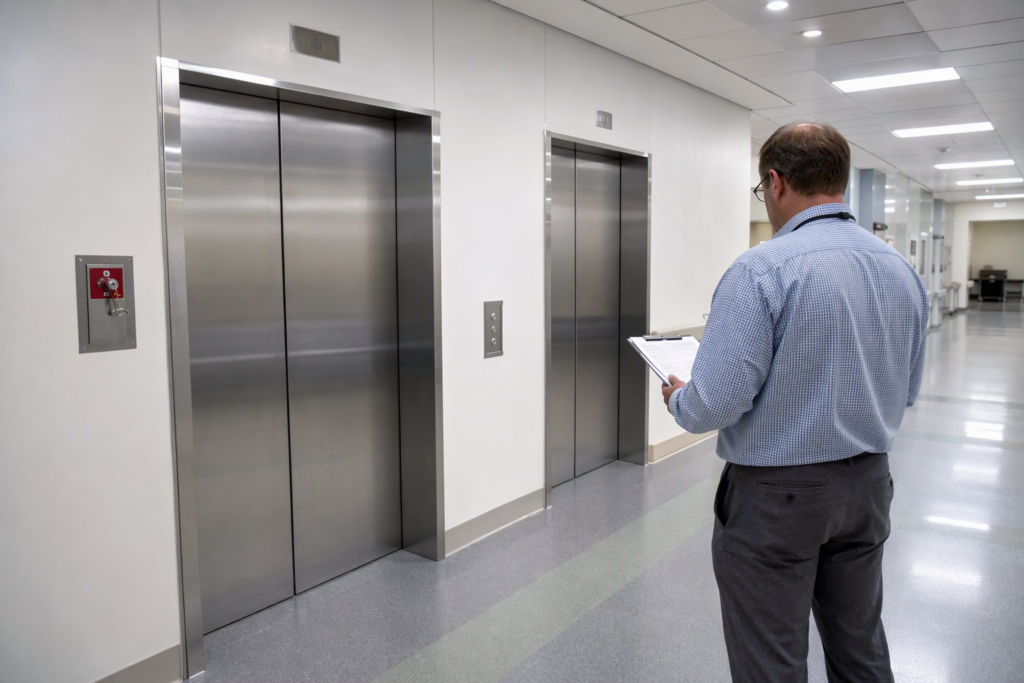
In a healthcare facility — whether a hospital, outpatient clinic, medical office building, or long-term care community — elevator reliability is not a convenience issue. It is a patient safety issue. When a Joint Commission surveyor, city inspector, or state health department auditor walks through your doors, they will expect a complete, organized paper trail demonstrating that every vertical conveyance in the building has been inspected, maintained, and corrected on schedule. The following guide outlines exactly which records healthcare property managers must retain, why each document matters, and how partnering with a qualified service provider such as AmeriTex Elevator helps ensure nothing falls through the cracks.
What Inspection Records Are Required by Code for Healthcare Elevators?
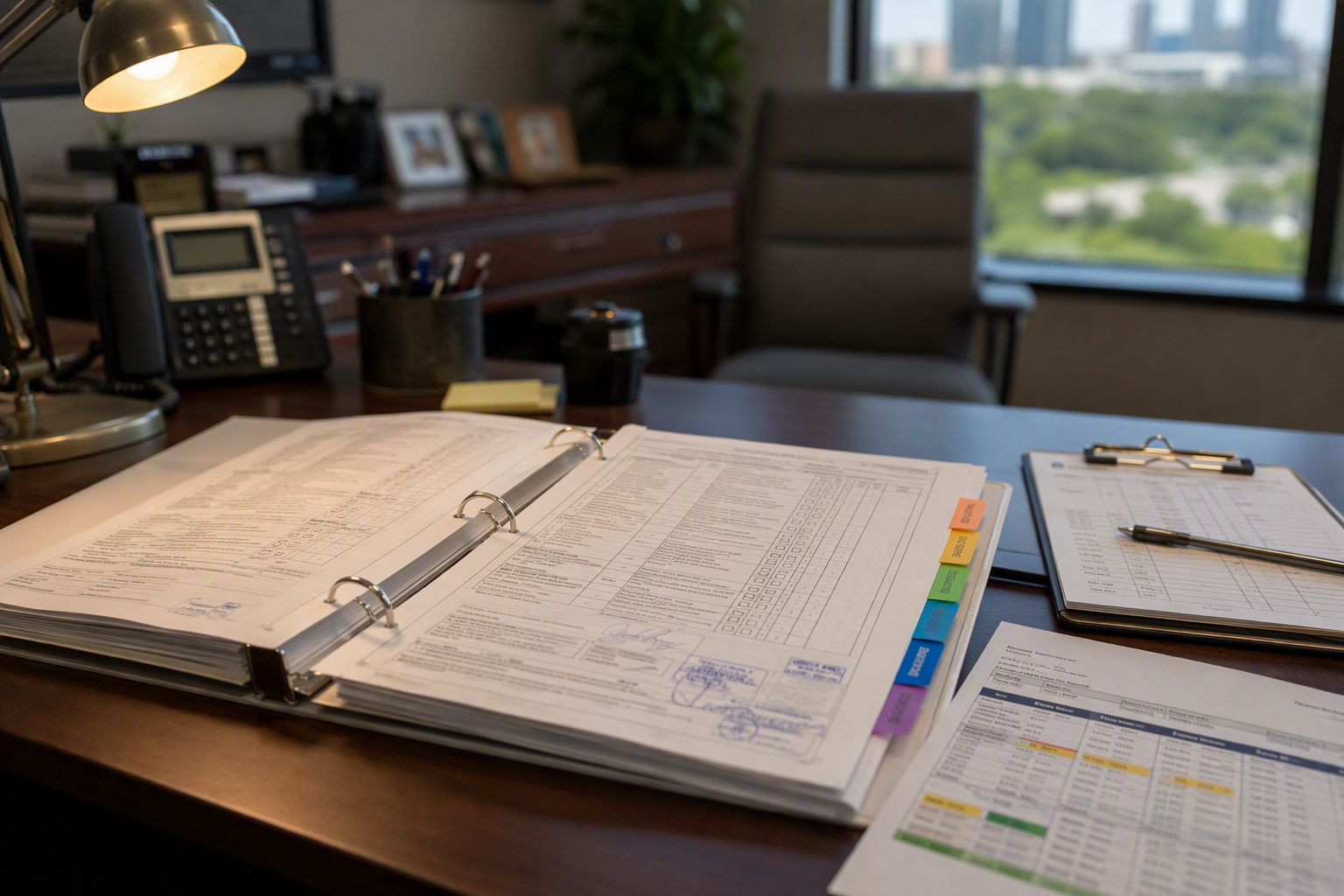
The baseline recordkeeping framework for elevators in the United States is established by the ASME A17.1 Safety Code for Elevators and Escalators. Most states and municipalities adopt this code — sometimes with local amendments — as the governing standard. For healthcare facilities, additional oversight may come from The Joint Commission (TJC) Environment of Care standards, the Centers for Medicare and Medicaid Services (CMS) Conditions of Participation, and state health department licensure requirements.
At minimum, the following inspection-related documents must be kept on file and available for review:
- Current Certificate of Inspection: Issued by the authority having jurisdiction (AHJ) after a successful periodic inspection. This certificate must typically be posted in or near the elevator car and a copy maintained in the property manager’s records file.
- Inspection Reports (Periodic and Annual): The written report from each inspection, including the inspector’s findings, any noted deficiencies, and the date of inspection.
- Category 1 and Category 5 Test Records: Under ASME A17.1, Category 1 tests (no-load safety and governor tests) and Category 5 tests (full-load, full-speed tests) must be performed at specified intervals and documented. Category 5 tests are required every five years for most traction elevator configurations.
- Violation or Deficiency Correction Records: Documentation showing that any cited violations or deficiencies were corrected, including dates, the work performed, and who performed it.
- Permits for Alterations or Modernizations: Any work that constitutes an alteration under ASME A17.1 requires a permit and subsequent inspection. Healthcare facilities that upgrade cab interiors, controls, or drive systems must retain all associated permit and approval documents.
How Long Must Healthcare Facilities Retain Elevator Records?
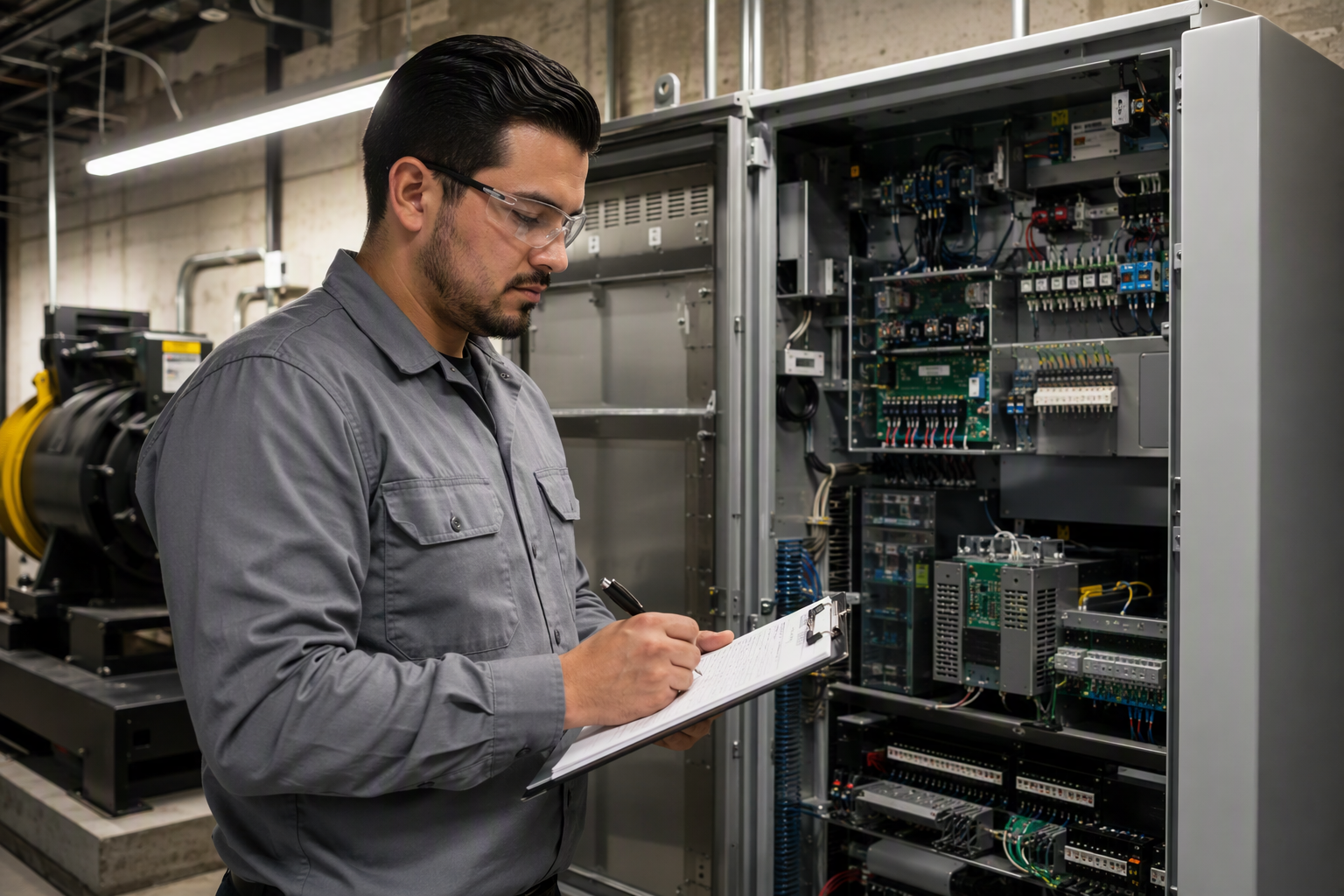
Retention requirements vary by jurisdiction. Many states require that inspection certificates remain posted or accessible for the duration of the certificate’s validity period, and that historical inspection reports be retained for a minimum number of years — commonly three to five years, though some jurisdictions or accreditation bodies expect a longer rolling history. Healthcare facilities subject to CMS or Joint Commission oversight should retain records for the timeframe specified in their applicable accreditation standards, which may extend beyond state minimums. When in doubt, a conservative practice is to retain all inspection, testing, and maintenance records for at least five years, or for the full service life of any component that was tested or repaired.
What Maintenance Logs Must a Property Manager Keep for Hospital Elevators?
Beyond inspection certificates, ongoing maintenance documentation is equally critical. The maintenance log is the living record that demonstrates due diligence between formal inspections. Healthcare property managers should ensure their elevator service provider supplies and updates the following:
- Preventive Maintenance (PM) Service Records: Dated entries for every scheduled maintenance visit, itemizing components checked, lubricated, adjusted, or replaced.
- Callback and Emergency Service Records: A log of every unscheduled service call, including the reported issue, technician response, work performed, and resolution.
- Parts Replacement Log: Documentation of any component replacements, including the part description, reason for replacement, and date of installation.
- Entrapment and Incident Reports: Records of any passenger entrapments, injuries, or unusual incidents, along with corrective actions taken. OSHA may require reporting depending on the nature and severity of an incident.
- Emergency Lowering and Firefighter Operation Test Records: Documentation of periodic tests of emergency recall and firefighter service functions, which are required under ASME A17.1 and are especially critical in healthcare settings where evacuation planning is subject to life safety codes.
AmeriTex Elevator provides structured maintenance documentation to client facilities, giving property managers organized records that satisfy both AHJ requirements and accreditation audits.
Does ADA Compliance Require Separate Documentation for Healthcare Elevators?
The Americans with Disabilities Act (ADA) requires that elevators in multi-story healthcare facilities serving the public be accessible. While the ADA itself does not prescribe a specific maintenance record format, a property manager’s duty to maintain accessible features in working order is ongoing. Records that support ADA compliance in the elevator context include:
- Documentation of accessible feature functionality checks (door timing, leveling accuracy, audible signals, Braille and raised character signage condition).
- Repair records for any ADA-required feature that experienced a failure, such as a door reopening device or position indicators.
- Permits and inspection sign-offs for any alteration that triggered ADA path-of-travel requirements.
In healthcare environments where patients may use wheelchairs, stretchers, or assistive devices, elevator leveling accuracy and door dwell times are particularly important to document and maintain correctly.
What Are the Consequences of Missing or Incomplete Elevator Records in a Healthcare Facility?
The consequences are significant and compound across multiple regulatory channels simultaneously. A healthcare facility with incomplete elevator records may face:
- AHJ Shutdown Orders: If a periodic inspection is overdue or a certificate cannot be produced, the authority having jurisdiction can order the elevator taken out of service immediately — a serious operational disruption in a hospital or surgical center.
- Joint Commission or CMS Deficiencies: Environment of Care and Life Safety chapter findings can trigger plans of correction, resurveys, or in serious cases, threats to Medicare and Medicaid certification.
- Increased Liability Exposure: In the event of a passenger injury, the absence of maintenance and inspection records substantially weakens a facility’s legal position.
- Insurance Complications: Property and liability insurers may deny or reduce claims when documentation of required maintenance cannot be produced.
How Often Must Healthcare Elevators Be Inspected Under ASME A17.1?
ASME A17.1 establishes routine periodic inspection intervals that most AHJs adopt as a baseline. The specific interval — whether annual, semi-annual, or otherwise — depends on elevator type, usage classification, and local amendments. Healthcare facilities typically operate elevators under high-cycle, high-demand conditions, which may influence local AHJ determinations about inspection frequency. In addition to routine periodic inspections, the Category 1 and Category 5 tests mentioned above must occur on their respective code-specified schedules. Property managers should confirm the exact intervals applicable to each elevator in their facility with their AHJ and their service contractor. AmeriTex Elevator assists property managers in tracking upcoming inspection and test deadlines as part of ongoing service relationships.
What Should a Healthcare Property Manager Do Immediately After a Failed Elevator Inspection?
- Remove the elevator from service if the AHJ or inspector requires it. Do not continue operating an elevator with a safety-related violation.
- Notify facility leadership and risk management so they can coordinate patient transport alternatives and document the incident in the facility’s risk management system.
- Contact your elevator service contractor immediately to schedule corrective repairs. Delays extend the out-of-service period and may compound regulatory exposure.
- Obtain written documentation of all corrective work performed, including parts used and technician verification.
- Request a re-inspection from the AHJ or authorized inspection entity once corrections are complete.
- File all related records — the original failed inspection report, repair documentation, and re-inspection clearance — together in the elevator’s permanent record file.
- Conduct an internal review to determine whether the deficiency resulted from a gap in the preventive maintenance schedule, and adjust the PM program accordingly.
Are There Healthcare-Specific Elevator Code Requirements Beyond ASME A17.1?
Yes. Healthcare facilities must layer multiple regulatory frameworks over the ASME A17.1 baseline. Relevant overlapping requirements include:
- NFPA 101 Life Safety Code: Governs elevator recall, firefighter service, and hoistway pressurization in healthcare occupancies.
- FGI Guidelines for Design and Construction of Hospitals: Applicable when constructing or renovating healthcare facilities, these guidelines influence elevator quantity, size, and type requirements.
- State Health Department Regulations: Texas, California, and other states have their own elevator safety acts administered by state agencies that may impose requirements beyond the base ASME standard.
- CMS Conditions of Participation: For Medicare- and Medicaid-certified facilities, the physical environment standards require that all building systems, including vertical transportation, be maintained in a manner that does not pose a hazard to patients.
In Texas markets including Houston, Dallas, Austin, and San Antonio — and in California markets including Los Angeles and San Diego — state elevator safety divisions have specific license and permit filing requirements that affect which records must be produced during inspections. AmeriTex Elevator is active in all of these markets and familiar with the local AHJ requirements that apply to healthcare facilities in each region.
How Should Healthcare Property Managers Organize Elevator Records for an Audit?
A well-organized elevator records file should be maintained per elevator unit (by unit number or AHJ-assigned device number) and include clearly labeled sections for:
- Current and historical certificates of inspection
- Inspection and test reports (organized chronologically)
- Preventive maintenance service logs
- Callback and emergency service records
- Violation and deficiency correction documentation
- Permits and approvals for any alterations
- Parts replacement history
- Incident and entrapment reports
- Current maintenance contract (to verify scope of services)
Digital record systems are increasingly common and generally acceptable to AHJs provided records can be retrieved and printed on demand during an inspection. Property managers should confirm with their AHJ whether original signed documents must be retained in physical form.
Questions Your Inspector Will Ask
When an AHJ inspector, Joint Commission surveyor, or state health department auditor evaluates your healthcare facility’s elevators, expect questions such as these:
- “Where is the current certificate of inspection for this elevator, and is it posted as required?”
- “When was the last Category 1 test performed, and can you produce the test record?”
- “Is the Category 5 test current, and where is the documentation?”
- “Were any deficiencies cited at the last inspection? How were they corrected, and do you have the correction records?”
- “Who is your current maintenance contractor, and what does the maintenance agreement cover?”
- “Can you show me the preventive maintenance log for this unit for the past 12 months?”
- “Have there been any entrapments or injuries involving this elevator? Where are those incident records?”
- “Has any alteration or modernization work been done on this elevator? Do you have the permit and approval documents?”
- “When was firefighter service and emergency lowering last tested and documented?”
- “Is the elevator leveling within tolerance, and is that verified in your maintenance records?”
Property managers who can answer each of these questions by producing a specific document — immediately and without searching through disorganized files — demonstrate the level of compliance readiness that regulators and accreditation bodies expect from healthcare facilities.
How Can a Service Provider Help Healthcare Property Managers Stay Compliant?
A qualified elevator service contractor does more than repair equipment. In a healthcare setting, the right service partner functions as a compliance resource — tracking inspection and test deadlines, supplying properly formatted maintenance documentation, coordinating with the AHJ on permit and inspection scheduling, and flagging equipment conditions before they become citations. AmeriTex Elevator works with healthcare property managers across Texas and California to ensure that records are current, organized, and audit-ready at all times, reducing the risk of surprise deficiencies during regulatory reviews.
Need elevator service you can rely on? AmeriTex Elevator is ready to help.