Building owners and facility managers routinely face one of the most consequential decisions in vertical transportation: should an aging elevator be modernized or replaced entirely? The answer depends on a structured assessment of structural integrity, code compliance status, operational reliability, budget constraints, and long-term ownership goals. This guide walks through every factor — with comparison tables, code references, and a step-by-step evaluation protocol — so decision-makers can arrive at a defensible, cost-effective conclusion.
What Is Elevator Modernization?
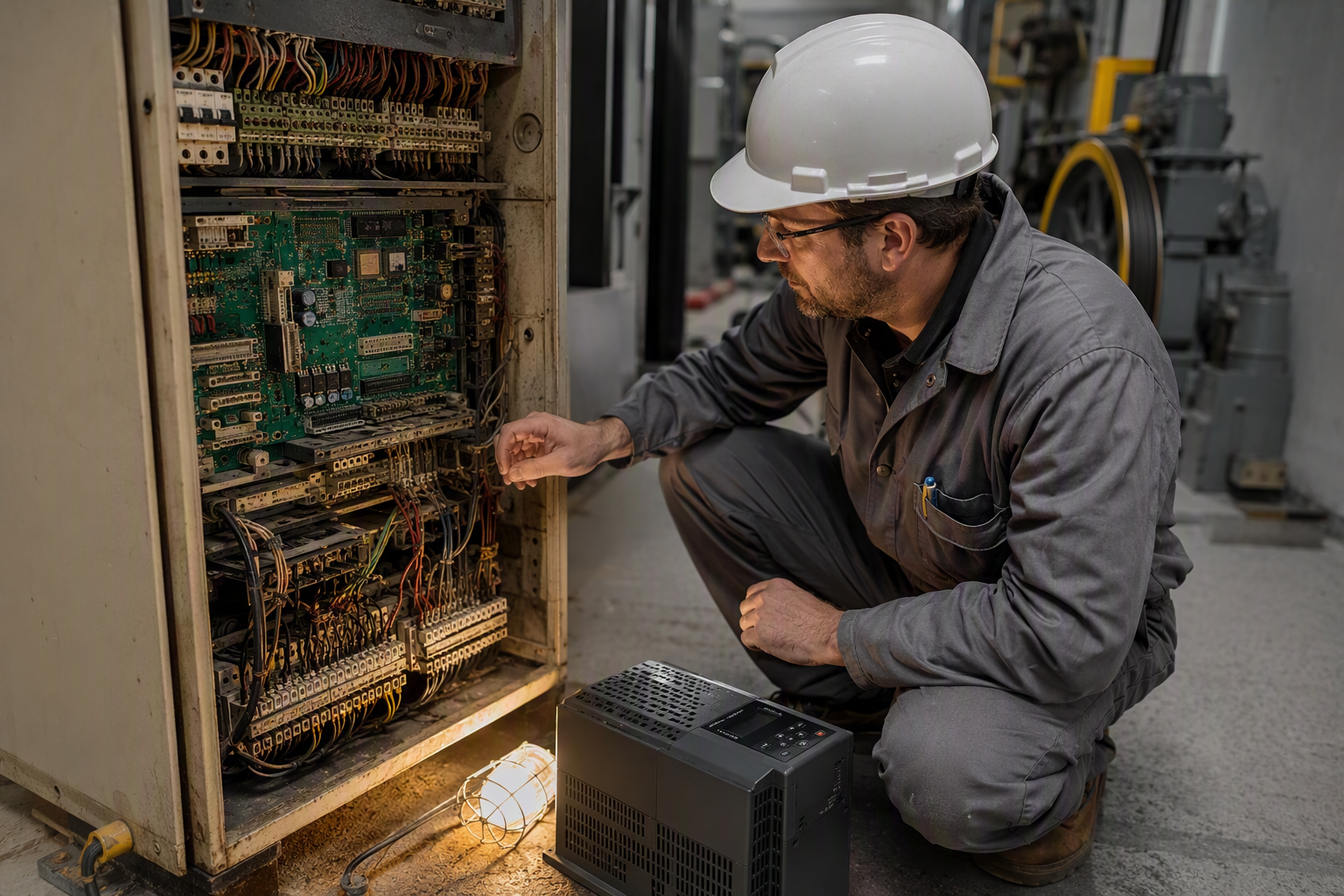
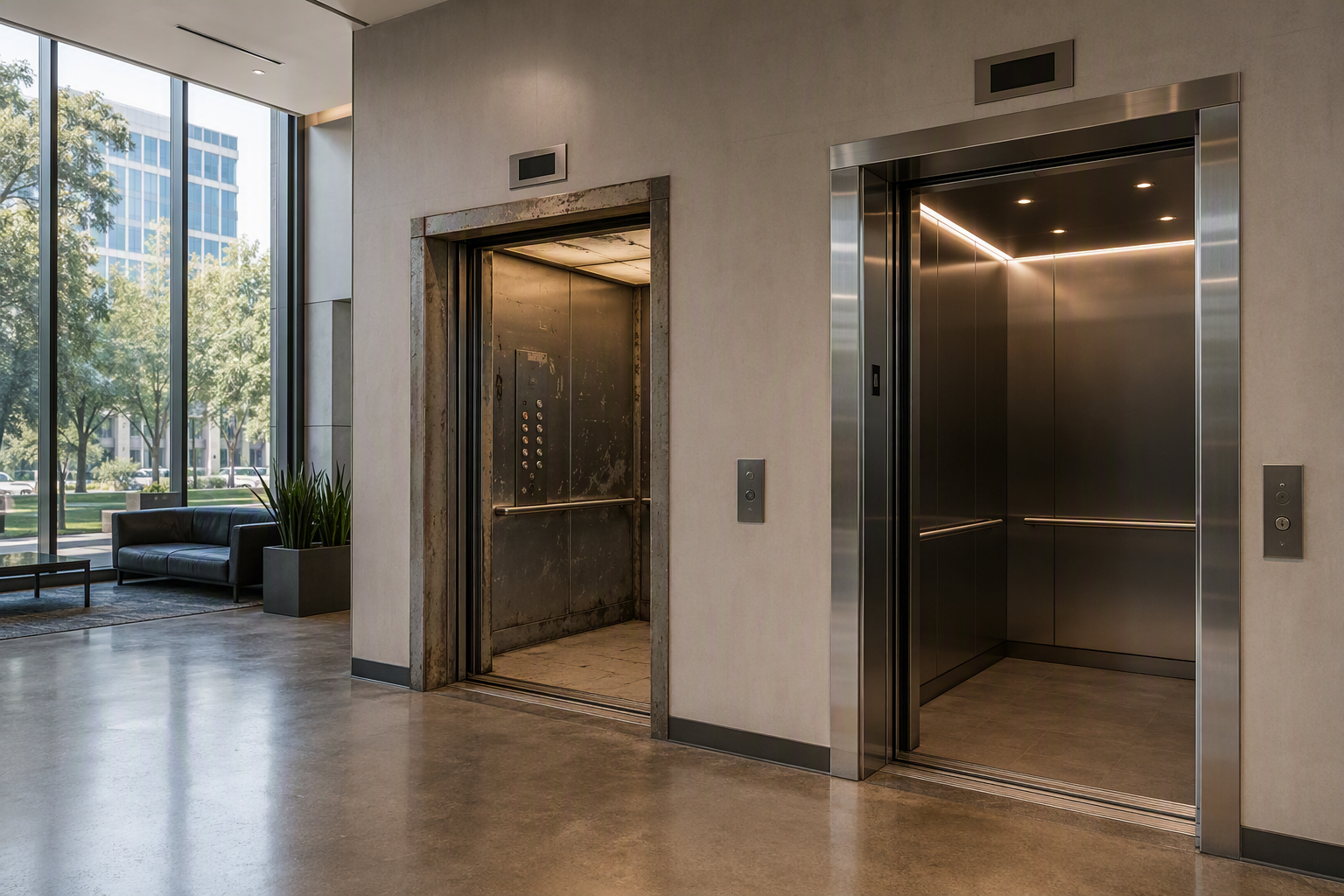
Modernization — sometimes called “mod” in the industry — replaces worn or outdated components within an existing elevator system while retaining the original hoistway, pit, and structural shaft. A modernization scope can range from a targeted component upgrade (replacing the controller or drive system only) to a comprehensive overhaul that addresses the controller, motor, door operator, fixtures, cab interior, and safety devices simultaneously.
Partial modernizations address specific performance problems. Full modernizations effectively deliver the reliability and compliance profile of a new installation at a fraction of the construction disruption. The governing safety standard for both modernization work and new installations in the United States is the ASME A17.1 Safety Code for Elevators and Escalators, which is updated on a regular cycle and establishes minimum requirements for altered equipment.
What Does Full Elevator Replacement Involve?

Full replacement means removing the existing elevator system — including all mechanical, electrical, and cab components — and installing a new system from the ground up. In most cases the hoistway shell is retained, but occasionally a replacement project requires structural modifications to the pit depth, overhead clearance, or machine room layout to accommodate modern equipment footprints or to satisfy current code dimensions. Full replacement projects carry longer lead times, greater construction coordination, and extended downtime compared with most modernization scopes.
How Do You Determine Whether Modernization or Replacement Is the Right Choice?
Step-by-Step Elevator Assessment Protocol
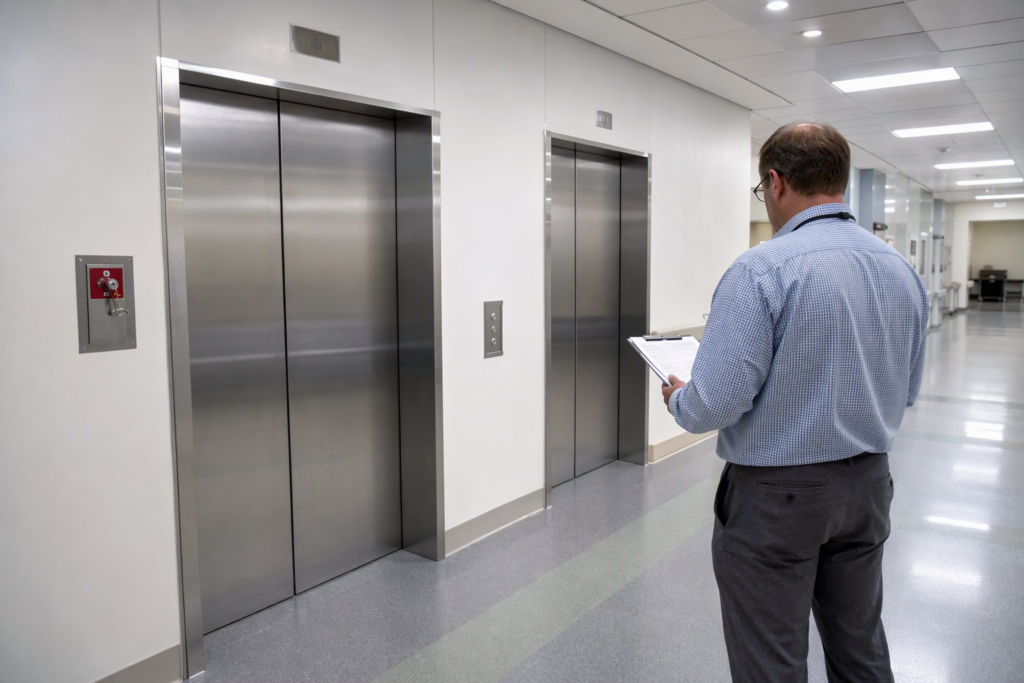
A qualified elevator contractor — such as AmeriTex Elevator — follows a structured assessment before recommending either path. Use the following protocol as a framework:
- Review the maintenance and inspection history. Pull all inspection certificates, violation notices, and repair records going back at least five years. Recurring violations involving the same components signal systemic deterioration.
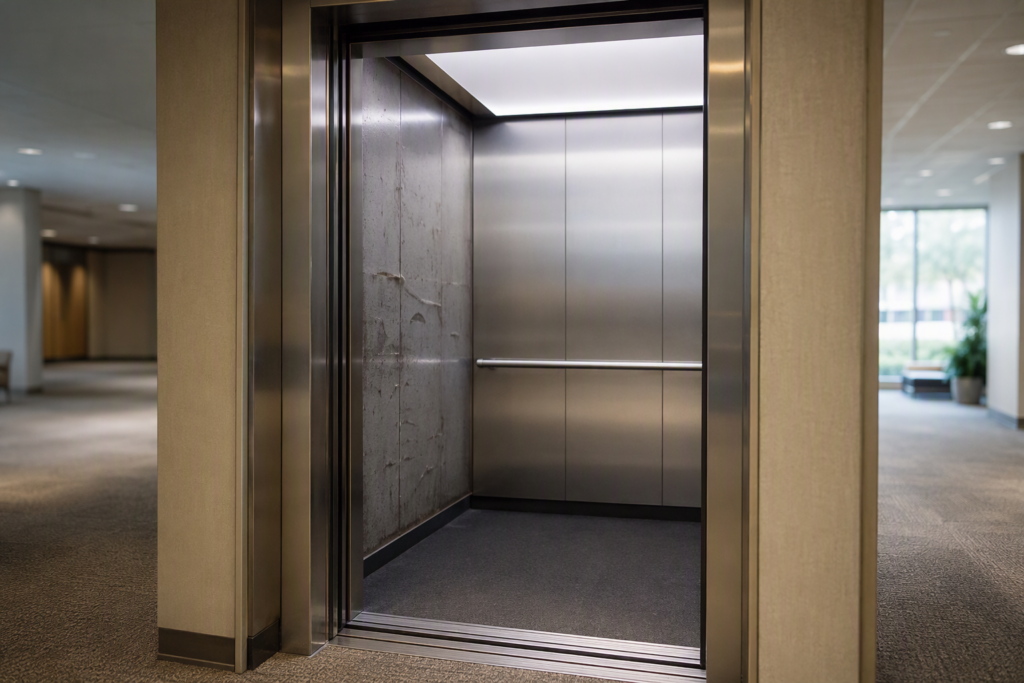
- Evaluate the hoistway, pit, and overhead structure. An inspector checks for water intrusion, concrete spalling, rail alignment, and pit sump condition. If foundational structures are compromised, modernization savings are offset by necessary structural remediation.
- Assess current ADA compliance. Measure cab dimensions, door width, landing leveling accuracy, and control panel heights against the ADA Standards for Accessible Design. If the existing hoistway physically cannot accommodate compliant cab dimensions, replacement is typically the only path.
- Inventory major component ages and obsolescence status. Identify whether the controller, drive, door operator, and safety devices are still supported by their manufacturers. Discontinued parts availability is a leading driver of modernization decisions.
- Obtain modernization and replacement bids from licensed contractors. Compare total installed costs, projected downtime, warranty terms, and post-project maintenance cost trajectories side by side.
- Calculate the five-year total cost of ownership for each option. Include projected maintenance, energy consumption differences, and the cost of any required code upgrades under each scenario.
- Consult your authority having jurisdiction (AHJ). Local elevator inspection departments may impose specific retrofit requirements triggered by either a modernization or replacement permit. Confirm which code edition applies in your jurisdiction before finalizing scope.
- Make a data-driven recommendation to ownership or the board. Present the assessment findings, compliance gaps, cost comparison, and downtime implications in writing before any contract is executed.
What Are the Signs That an Elevator Qualifies for Modernization?
Modernization is typically the preferred option when the following conditions are met:
- The hoistway structure is plumb, dry, and free of significant concrete or masonry deterioration.
- Pit depth and overhead clearance already meet — or can be brought into compliance with — current ASME A17.1 dimensional requirements without major civil construction.
- The cab platform dimensions are sufficient to meet ADA minimum clear floor space requirements.
- The primary performance complaints involve reliability, ride quality, door performance, or energy consumption — all addressable through component replacement.
- Equipment is mechanically sound but controlled by an outdated relay-logic or early solid-state controller for which replacement parts are scarce or unavailable.
- The building’s ownership horizon and budget support a capital investment with a multi-year payback period.
What Are the Signs That Full Replacement Is Necessary?
Full replacement moves to the front of the evaluation when any of the following conditions exist:
- The hoistway shows structural compromise — significant water damage, corroded guide rails, or deteriorated pit walls — that would require remediation costs comparable to a new installation.
- Pit depth or overhead clearance is deficient and cannot be corrected without major excavation or structural modification, making compliance under modernization economically impractical.
- The cab platform is physically too small to meet ADA clear floor dimensions and the hoistway cannot accommodate an enlarged platform.
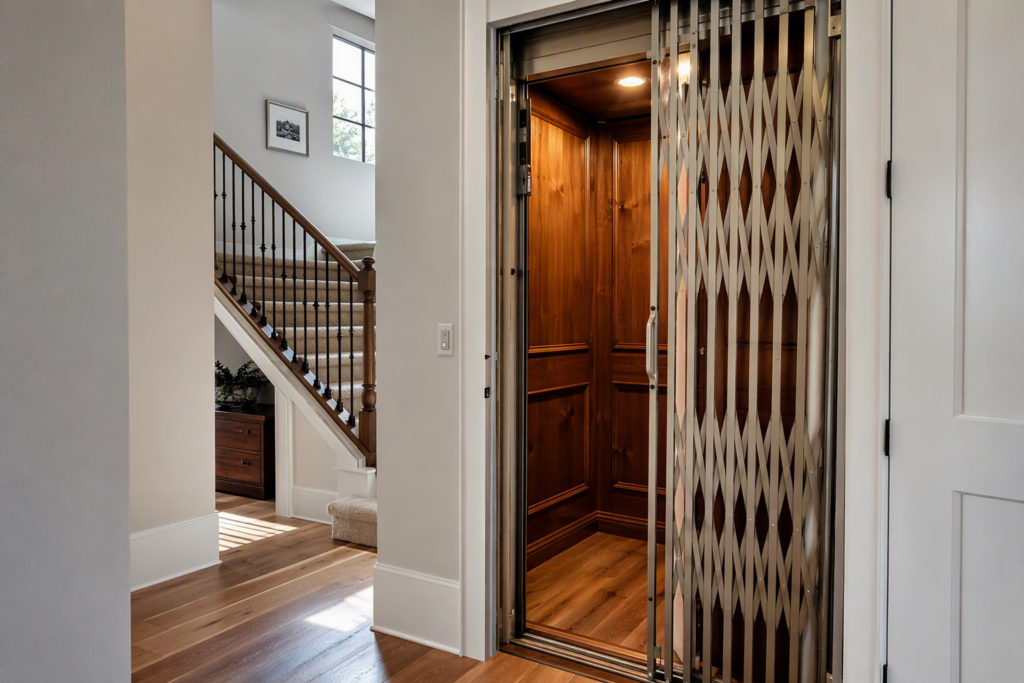
- The elevator technology type is fundamentally obsolete — for example, a manually operated freight elevator that no longer has a viable modern equivalent in the same form factor.
- Competitive bids show that a full modernization scope approaches or exceeds the installed cost of a new machine-room-less (MRL) or hydraulic replacement unit.
- The building is undergoing a full renovation that includes structural changes to the shaft or surrounding floors.
Modernization vs. Replacement: Side-by-Side Comparison
| Factor | Modernization | Full Replacement |
|---|---|---|
| Scope | Replaces components within existing hoistway | Removes all equipment; installs entirely new system |
| Structural prerequisite | Sound hoistway, adequate pit/overhead | Can proceed even if hoistway needs remediation |
| Typical downtime | Shorter (varies by scope; partial mods least disruptive) | Longer; involves full demolition and installation sequence |
| ADA compliance path | Achievable if existing cab dimensions are adequate | New installation designed to current ADA standards |
| Code trigger | Alterations trigger ASME A17.1 retroactive requirements for altered parts | Full new installation must meet current edition of ASME A17.1 |
| Equipment warranty | Warranty on replaced components; retained components carry no new warranty | Comprehensive new-equipment warranty on all components |
| Energy efficiency | Significant improvement when drive and motor are replaced | Maximum efficiency achievable with latest technology |
| Aesthetic flexibility | Full cab interior refresh possible within existing dimensions | Unlimited design flexibility; new cab sized to hoistway |
| Best suited for | Buildings where hoistway is sound and targeted upgrade solves the primary problem | Buildings with structural hoistway issues, ADA dimension conflicts, or obsolete technology types |
What Are the Pros and Cons of Elevator Modernization?
| Pros of Modernization | Cons of Modernization |
|---|---|
| Lower capital outlay compared with full replacement in most scenarios | Retained components carry no new warranty and may require future service |
| Less construction disruption to building occupants | Parts obsolescence on non-replaced components may create future cost surprises |
| Shorter permitting and lead-time cycle in most jurisdictions | Alterations trigger code compliance review; some retroactive requirements may add cost |
| Modernized drive and controller deliver measurable energy savings | Cannot resolve ADA dimension deficiencies caused by an undersized hoistway |
| Extends useful service life of a structurally sound installation | In worst-case hoistway conditions, total remediation cost can approach replacement cost |
What Are the Pros and Cons of Full Elevator Replacement?
| Pros of Full Replacement | Cons of Full Replacement |
|---|---|
| Clean-slate compliance with current ASME A17.1 and ADA standards | Higher upfront capital investment |
| Comprehensive manufacturer warranty on all components | Longer downtime; more disruptive to occupants, especially in single-elevator buildings |
| Maximum energy efficiency and technology capability | Longer lead times for equipment fabrication and permitting |
| Resolves ADA dimensional deficiencies that modernization cannot address | May require structural modifications to pit or overhead to accommodate new equipment |
| Predictable long-term maintenance cost curve on all-new equipment | Greater coordination required with general contractors and building operations |
How Does ADA Compliance Factor Into the Modernization vs. Replacement Decision?
The ADA Standards for Accessible Design establish minimum cab dimensions, door clear widths, landing leveling tolerances, and control panel specifications for elevators in commercial and multifamily buildings subject to the law. When an existing cab interior meets or can be reconfigured to meet those dimensions within the existing hoistway, modernization remains viable. When the hoistway is physically too narrow or shallow to accommodate a compliant cab, only full replacement — which may include hoistway modification — resolves the compliance gap. A licensed elevator contractor can measure the existing installation against current ADA requirements as part of a pre-project assessment.
What Code Requirements Apply When You Modernize an Elevator?
Under the ASME A17.1 Safety Code for Elevators and Escalators, alterations to an existing elevator trigger compliance requirements for the altered components and, in some cases, for directly related systems. The specific edition of the code that applies is determined by the authority having jurisdiction (AHJ) in the state or municipality where the elevator is located. As of 2026, many jurisdictions have adopted or are in the process of adopting recent ASME A17.1 editions. Building owners should confirm the applicable code edition with their local elevator inspection authority before scoping a modernization project, because the required safety device upgrades can significantly affect project cost and timeline.
Workplace safety during modernization and replacement construction is additionally governed by OSHA standards applicable to construction and general industry, which contractors are responsible for meeting during the work.
How Long Does Elevator Modernization Take Compared to Full Replacement?
Modernization timelines vary significantly based on scope. A targeted controller replacement or door operator upgrade may require only days of downtime per unit. A comprehensive full modernization — addressing controller, drive, door systems, fixtures, and cab interior — typically requires more weeks and involves coordination with the building to manage occupant access during construction. Full replacement projects generally run longer still, because they include the demolition sequence, equipment fabrication lead times, structural work if required, and a complete new installation and inspection cycle. In single-elevator buildings, extended downtime has direct accessibility and liability implications, which further underscores the importance of accurate timeline planning before work begins.
How Do You Choose a Qualified Elevator Contractor for This Assessment?
The quality of the assessment drives the quality of the decision. Building owners should seek contractors who:
- Are licensed or registered with the applicable state elevator inspection authority.
- Operate independently of specific equipment manufacturers, so recommendations are not influenced by brand preference.
- Provide written assessment reports that document hoistway conditions, code compliance gaps, and cost comparisons for both modernization and replacement paths.
- Can provide references from comparable building types and elevator configurations.
- Carry appropriate liability and workers’ compensation insurance coverage.
AmeriTex Elevator is an independent elevator service company serving commercial and residential building owners. Because AmeriTex Elevator operates independently of any single equipment manufacturer, assessments and recommendations reflect what is most appropriate for the building — not what maximizes equipment sales. AmeriTex Elevator provides free elevator assessments for building owners evaluating modernization or replacement decisions.
What Questions Should a Building Owner Ask Before Signing a Modernization or Replacement Contract?
Before executing any contract, building owners and facility managers should have clear written answers to the following questions:
- What specific components are included in — and excluded from — the project scope?
- Which code edition applies in this jurisdiction, and what retroactive requirements does this project trigger?
- What is the projected downtime, and what is the contractor’s plan for occupant communication and access during construction?
- What warranty is provided on replaced components, and who is responsible for service calls on retained components during the warranty period?
- Is the equipment being specified proprietary, or can it be maintained by any licensed independent contractor after the warranty expires?
- Are all permits, inspections, and AHJ fees included in the contract price?
- What is the payment schedule, and is there a performance bond or other financial protection if the contractor fails to complete the work?
Is Modernization or Replacement a Better Long-Term Investment?
Neither option is universally superior — the better long-term investment depends on the specific condition of the existing installation, the building’s ownership horizon, and how each option positions the building for compliance with evolving accessibility and safety standards. A building with a sound hoistway and targeted component problems typically achieves a better return on investment through a well-scoped modernization. A building with structural deficiencies, ADA dimension conflicts, or a hoistway that cannot cost-effectively accommodate compliant equipment is better served by full replacement, which resets the maintenance cost curve and eliminates compounding compliance risk.
Comparing the five-year total cost of ownership — including capital outlay, projected maintenance, energy consumption, and the cost of any future code-triggered retrofits — under each scenario gives decision-makers the clearest picture of long-term value. AmeriTex Elevator can assist building owners in structuring that comparison as part of a written assessment.
Get a Professional Assessment Before You Decide
The modernization vs. replacement decision has long-term cost, compliance, and operational consequences. AmeriTex Elevator provides free elevator assessments that give building owners a clear, written analysis of their existing installation’s condition, applicable code requirements, and the comparative case for modernization versus full replacement — without any obligation to purchase a specific product or system.
Contact AmeriTex Elevator for a free elevator assessment: 866-679-4313
Need elevator service you can rely on? AmeriTex Elevator is ready to help.