Office-to-Apartment Conversion: Elevator Maintenance & Upgrades You Need to Plan For
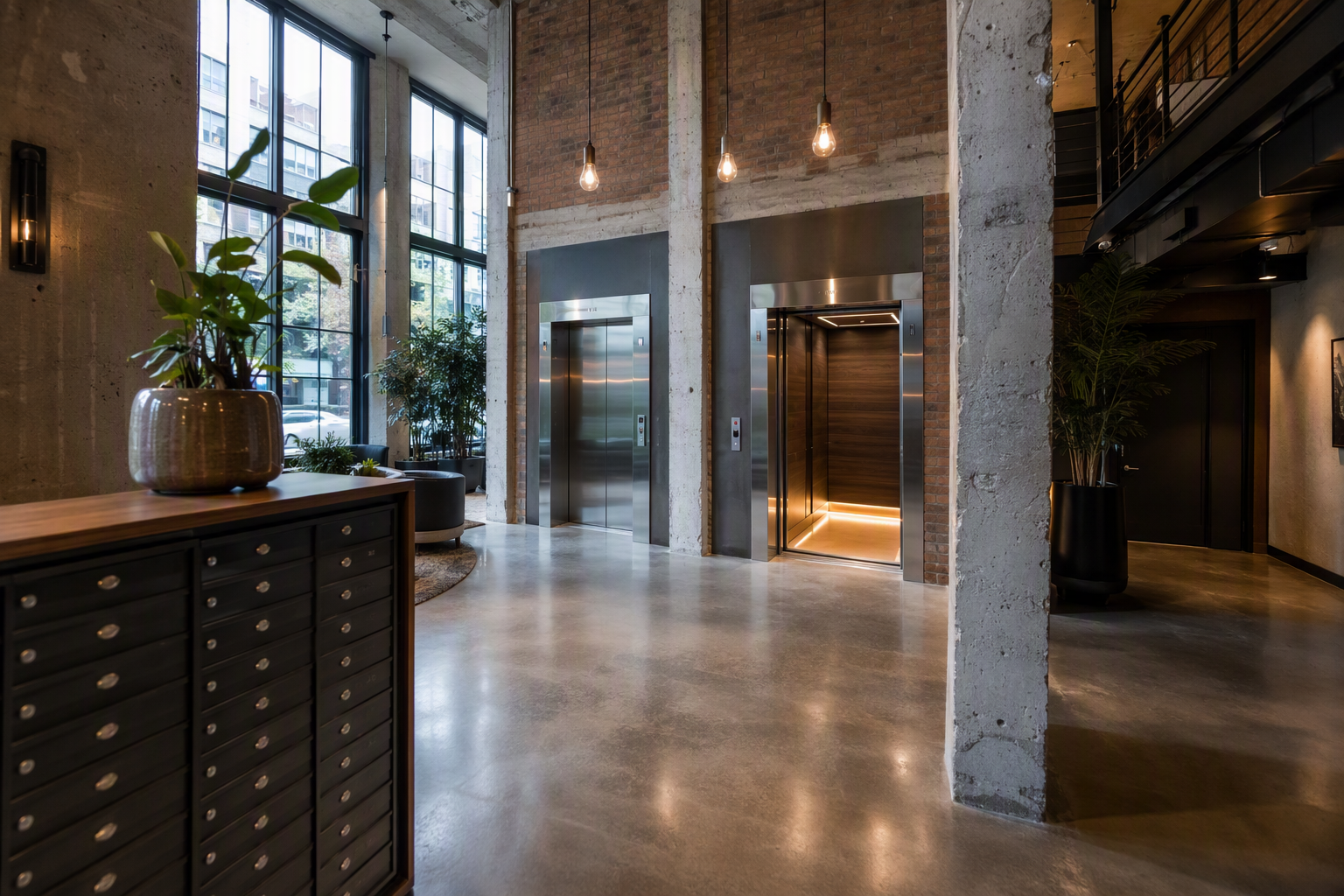
Adaptive reuse projects — converting commercial office towers into residential units — are reshaping skylines across Houston, Dallas, Austin, San Antonio, Los Angeles, and San Diego. While architects and developers focus on floor plans and amenity packages, elevator systems are frequently underestimated until late in the project timeline. That delay is costly. Residential occupancy changes the demands placed on every vertical transportation component in the building, and the code path to a new certificate of occupancy runs directly through your elevator shaft.
This guide covers the full scope of what developers, property managers, and building owners need to plan for — from compliance requirements and equipment upgrades to inspection readiness and vendor selection.
What Makes Residential Use Different from Office Use for Elevators?
Office buildings typically see concentrated elevator traffic during morning arrivals, lunch hours, and evening departures. Residential buildings spread traffic across all hours — early mornings, late nights, weekends, and holidays — and introduce loads that commercial elevators were never designed to handle routinely: furniture deliveries, grocery carts, strollers, mobility scooters, and moving trucks during tenant turnover.
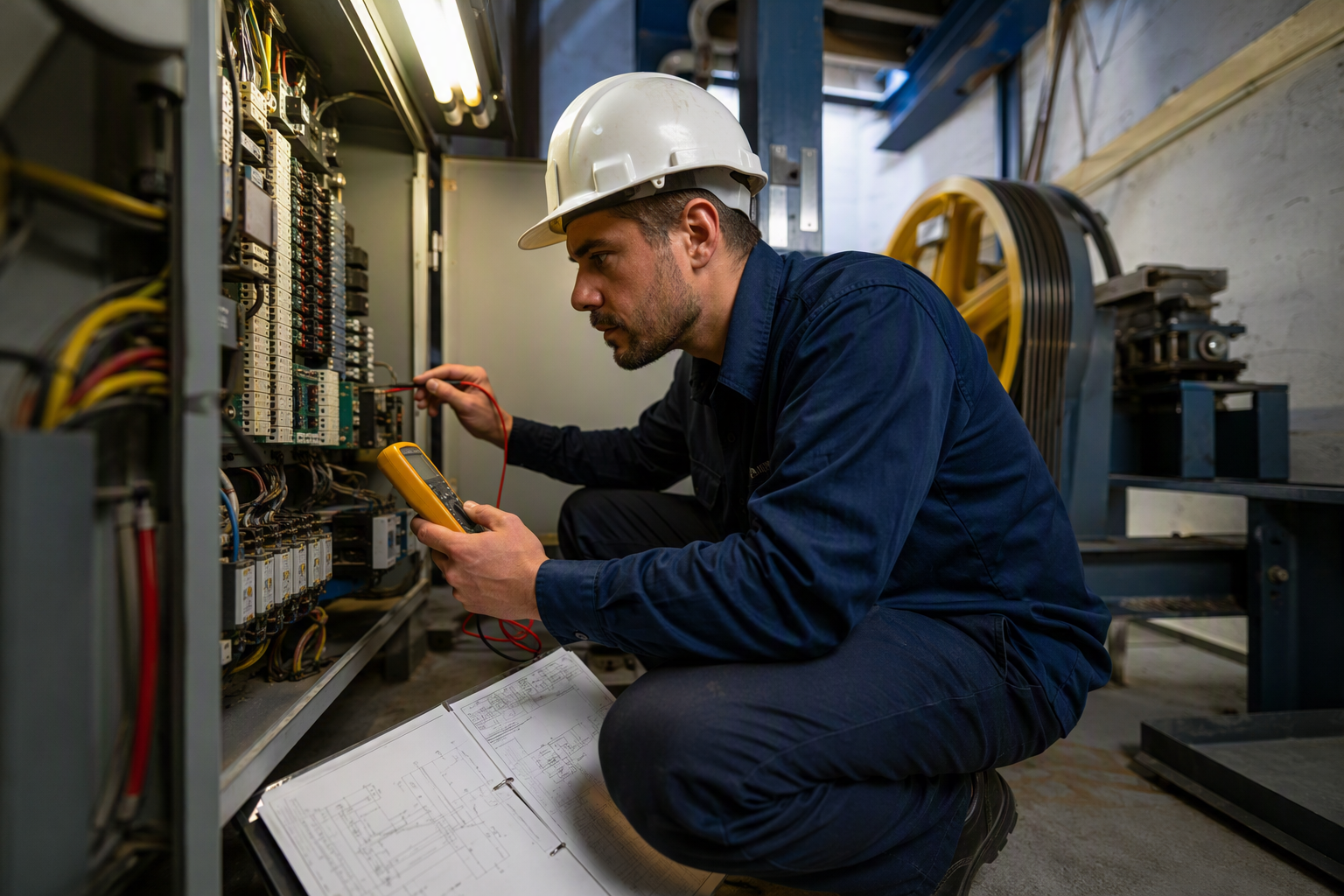
Elevator systems engineered for commercial use often carry duty-cycle ratings calibrated to office traffic patterns. Residential conversion changes the operational profile fundamentally, which is why a professional load and duty-cycle analysis is one of the first steps AmeriTex Elevator recommends during any pre-conversion assessment.
Which Codes Govern Elevator Upgrades During an Office-to-Residential Conversion?
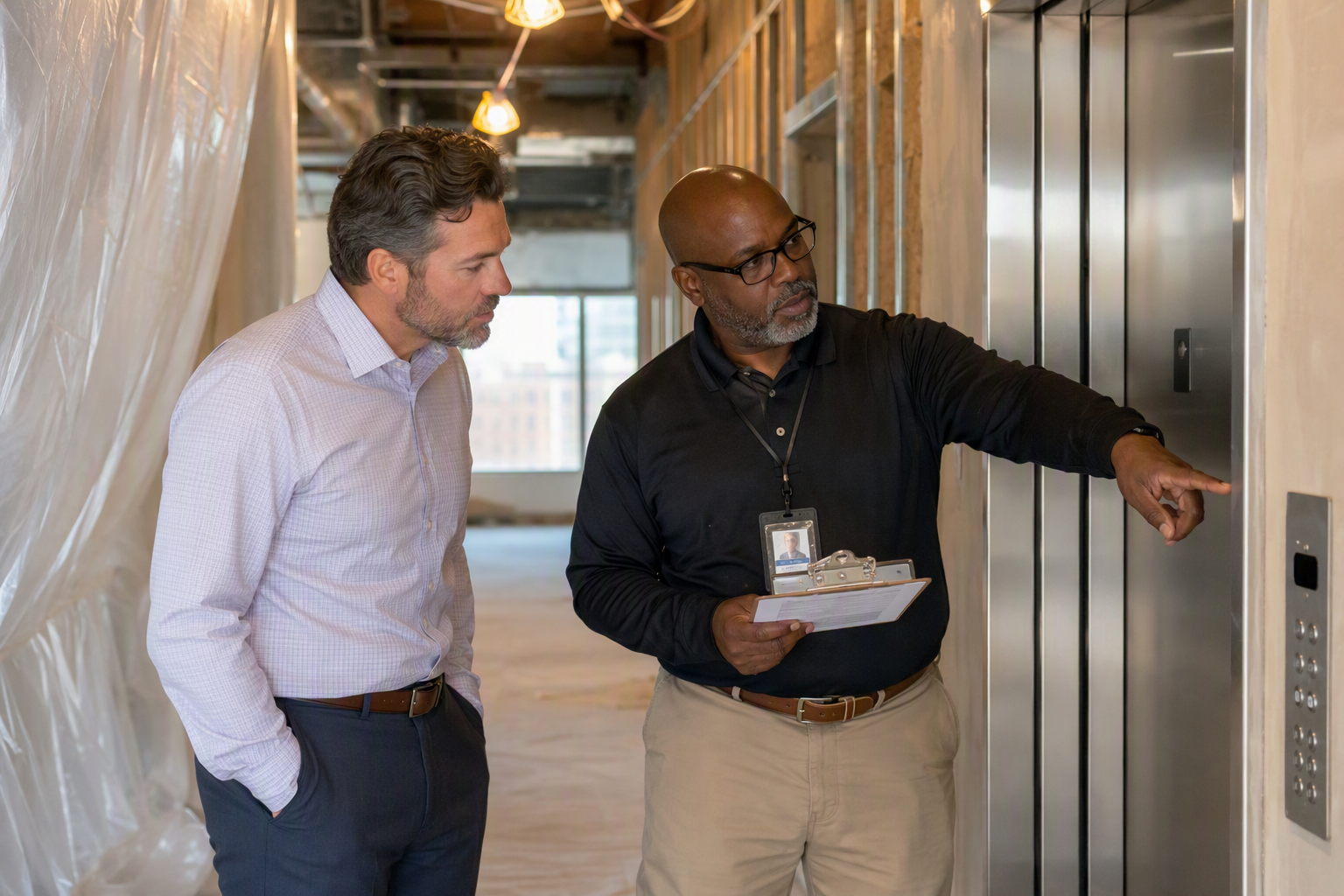
Three primary regulatory frameworks govern this work in 2026:
- ASME A17.1 Safety Code for Elevators and Escalators: The foundational national standard for elevator design, installation, inspection, testing, and maintenance. Most U.S. jurisdictions adopt this code, and a change of occupancy classification almost always triggers a code-compliance review against the current edition.
- ADA (Americans with Disabilities Act) accessibility standards: Residential conversions that involve alteration of the elevator or its enclosure trigger ADA compliance obligations, including cab dimensions, door timing, control height, and tactile signage requirements.
- State and local amendments: Texas and California both maintain state elevator safety programs that layer additional requirements on top of federal codes. Houston, Dallas, Austin, San Antonio, Los Angeles, and San Diego each have local inspection authorities whose approval is required for a new certificate of occupancy.
Because a change of occupancy is a triggering event under most local building codes, owners should expect that any portion of the elevator system touched during renovation must be brought into compliance with the currently adopted code edition — not the edition in effect when the building was originally constructed.
What Elevator Components Are Most Likely to Need Replacement or Modernization?
The answer depends on the age of the equipment, the gap between current and adopted code editions, and the intensity of the planned residential use. Common modernization items include:
- Controls and operating systems: Older relay-logic or early microprocessor controls are often no longer serviceable and must be replaced with current solid-state systems that support energy management and remote diagnostics.
- Door operators and safety edges: Commercial-era door timing and force settings may not meet current ADA requirements for residential use, and mechanical safety edges may need to be replaced with light-curtain detection arrays.
- Drive machines and motors: Hydraulic systems more than two decades old may require cylinder testing or replacement. Traction machines may need sheave resurfacing, motor rewinding, or full drive replacement.
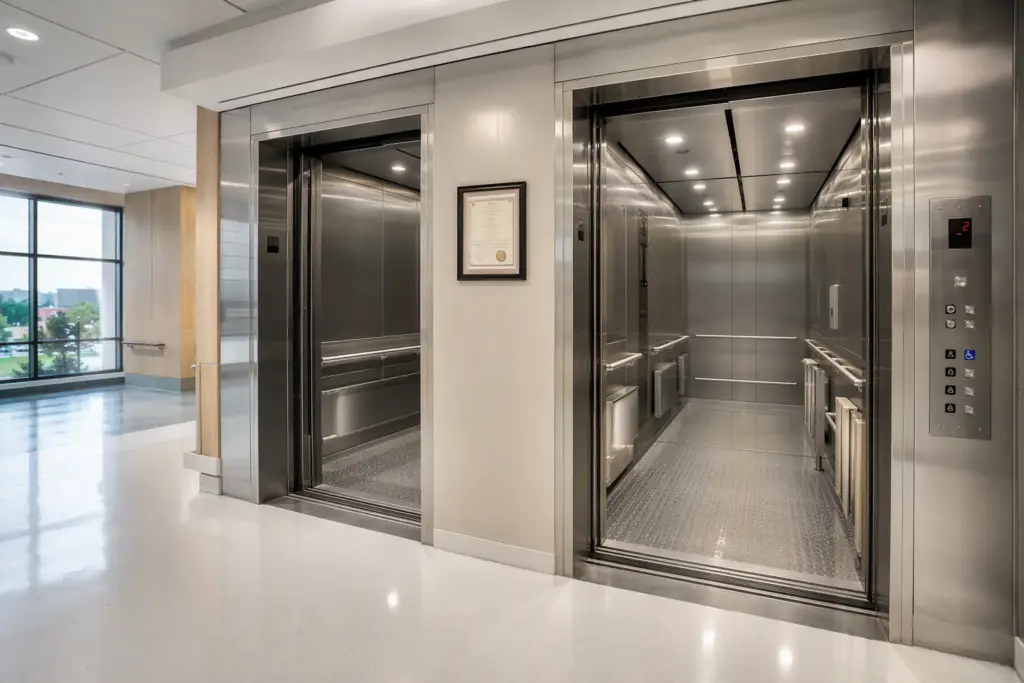
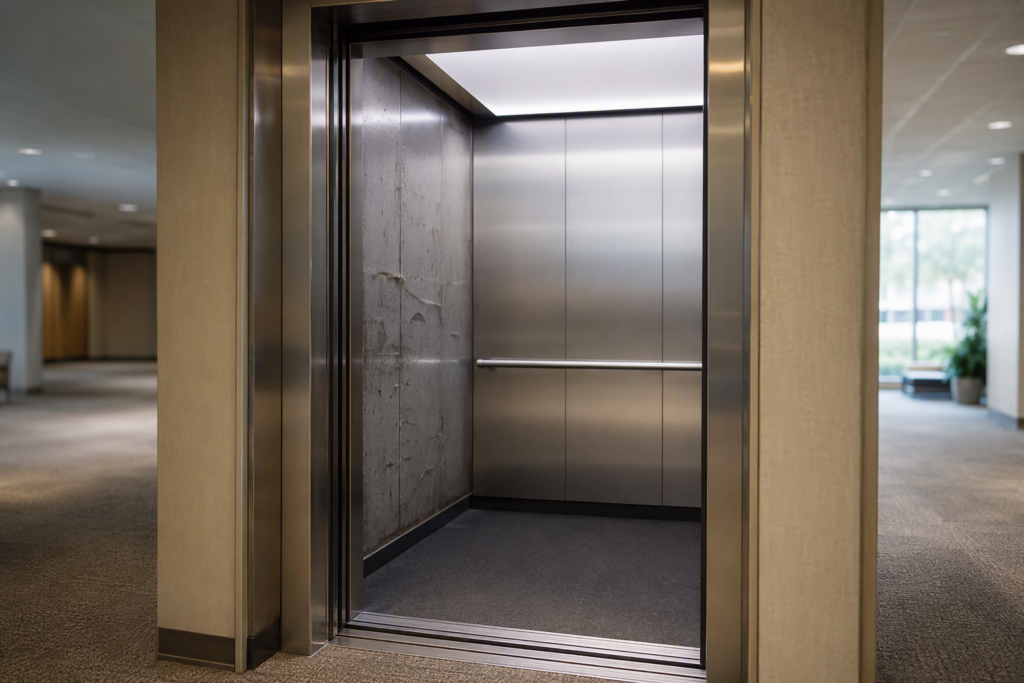
- Cab finishes and interior fixtures: While cosmetic, cab renovations that alter dimensions or handrail placement must be reviewed for ADA compliance.
- Emergency lighting and communication: ASME A17.1 and local codes specify requirements for in-cab emergency lighting duration and two-way communication — requirements that older commercial systems may not meet.
- Seismic restraints (California markets): Los Angeles and San Diego buildings must comply with California’s seismic design requirements for elevator equipment, which have been updated in recent code cycles.
How Do ADA Requirements Change When a Building Becomes Residential?
Under the ADA, elevators in buildings with more than two stories or more than a defined number of units are required to be accessible. Key residential accessibility requirements include:
- Minimum cab interior dimensions to accommodate wheelchairs and mobility devices
- Door dwell time sufficient for residents with mobility limitations to enter and exit safely
- Call buttons and floor indicators positioned at accessible heights
- Raised tactile characters and Braille on all control buttons and floor indicators
- Audible and visual floor announcements
If the existing elevator does not meet these requirements, alterations to achieve compliance are a non-negotiable part of the conversion scope.
What Is the Step-by-Step Process for Getting Elevators Ready for a Residential Conversion?
- Commission a pre-conversion elevator assessment. A qualified elevator service company — such as AmeriTex Elevator — inspects the existing equipment, documents its condition and code status, and identifies the gap between current installation and applicable codes.
- Obtain the current inspection records and permits. Review all historical inspection reports, violation notices, and maintenance logs to understand what work has already been performed and what outstanding deficiencies exist.
- Engage the local authority having jurisdiction (AHJ). File for the required permits and confirm which code edition will govern the new certificate of occupancy. In Texas and California, this also involves the state elevator safety division.
- Develop a modernization scope and timeline. Based on the assessment findings and AHJ requirements, create a detailed scope of work with sequencing that minimizes disruption to the construction schedule.
- Execute modernization work. Complete all required replacements, upgrades, and adjustments with licensed elevator mechanics under active permits.
- Schedule and pass all required inspections and tests. This typically includes a full acceptance inspection and load test witnessed by the AHJ before the elevator is placed in residential service.
- Establish a residential maintenance plan. Residential use patterns require a maintenance schedule calibrated to actual traffic — not a commercial template carried over from prior ownership.
How Long Does an Office-to-Residential Elevator Modernization Take?
Timeline varies significantly based on equipment age, parts availability, building height, and the number of elevators in the bank. Simple control modernizations on a single elevator may take a few weeks. Full machine replacements or major cab renovations on a multi-car installation can extend to several months. Supply chain lead times for specialty components — particularly drive machines and custom cab panels — should be factored into the project schedule well in advance. AmeriTex Elevator advises clients to incorporate elevator scope into the master construction schedule from the earliest planning stages to avoid timeline compression at the end of the project.
What Are the Most Common Code Violations Found During Conversion Inspections?
Based on the types of deficiencies typically flagged by inspectors during change-of-occupancy reviews, common findings include:
- Outdated or non-functional emergency communication systems
- Door detection devices that do not meet current full-height light-curtain requirements
- Missing or incorrectly positioned tactile and Braille signage
- Governor and safety device test documentation that is out of cycle
- Pit conditions that do not meet current lighting, stop switch, or drainage requirements
- Overhead clearances and refuge spaces that fall below current ASME A17.1 minimums
Do I Need a New Elevator Inspection When the Building Changes Occupancy?
Yes. In virtually every jurisdiction served by AmeriTex Elevator — including Houston, Dallas, Austin, San Antonio, Los Angeles, and San Diego — a change of occupancy classification requires a new elevator inspection and, in most cases, an acceptance test for any modernized equipment. Attempting to carry over an existing commercial inspection certificate into a residential occupancy is a common and costly mistake. The building cannot receive a residential certificate of occupancy until the elevator authority issues a current permit.
What Should I Look for When Choosing an Elevator Service Company for This Type of Project?
Office-to-residential conversions are not routine maintenance calls. The elevator company selected should demonstrate:
- Familiarity with the local AHJ’s plan review and inspection process
- Experience with full modernization scopes, not just repairs
- The ability to navigate both Texas or California state elevator safety programs and municipal requirements simultaneously
- Transparent documentation and permit management throughout the project
- A written maintenance program designed for residential occupancy post-conversion
Questions Your Inspector Will Ask
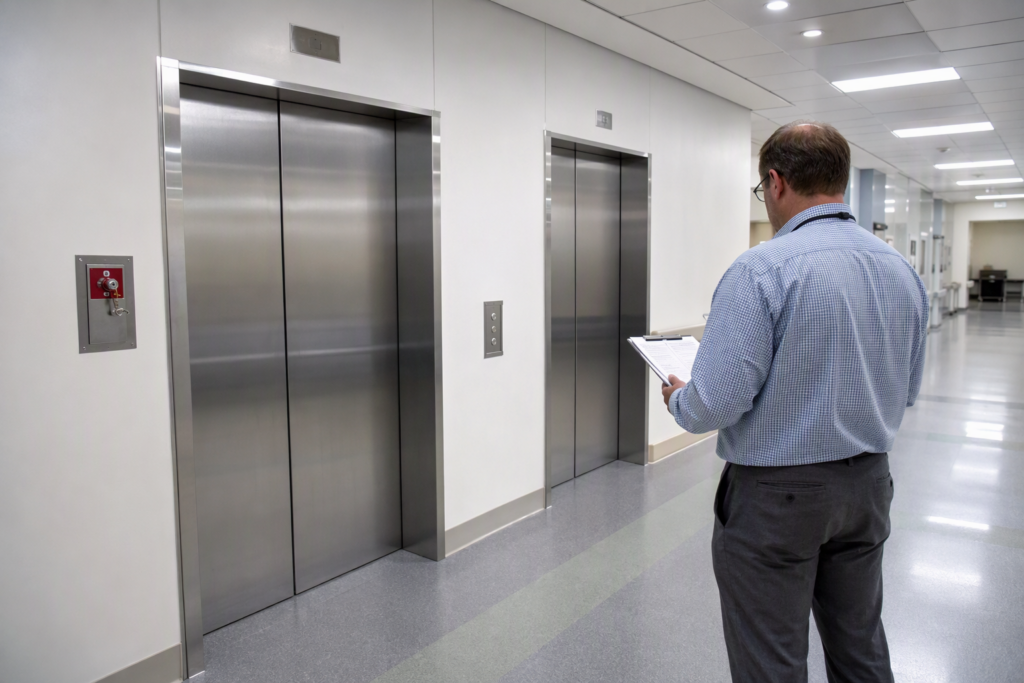
When the authority having jurisdiction sends an inspector to evaluate your elevator system during a residential conversion, be prepared to answer — and produce documentation for — the following:
- What is the current edition of ASME A17.1 adopted in this jurisdiction, and does this installation comply?
- When was the last full load test performed, and is there a signed test report on file?
- When was the governor and safeties last tested and by whom?
- Is there a current, valid elevator operating permit posted in or adjacent to the cab?
- Have all open violations from prior inspections been resolved and documented?
- Do the emergency communication devices comply with current code, and have they been tested?
- Does the pit meet current requirements for lighting, stop switches, and clearance?
- For hydraulic elevators: has the cylinder been tested or replaced per applicable code requirements?
- Do ADA-required signage, button heights, and door timing meet current standards? (Inspectors in California markets also routinely verify seismic compliance.)
- Who is the licensed elevator contractor of record for any modernization work performed?
Having complete, organized documentation for each of these questions before the inspection date significantly reduces the risk of delays or failed inspections.
Is Elevator Modernization Required Even If the Equipment Still Works?
Functionality is not the same as code compliance. An elevator that has operated without incident in an office building for many years may still be non-compliant with the current edition of ASME A17.1 or with ADA requirements triggered by the change of use. Code compliance in elevator regulation is not grandfathered the same way some other building systems are — particularly when alterations are made and a new certificate of occupancy is required. A qualified assessment from AmeriTex Elevator clarifies exactly which components must be brought up to current standards before the building can be placed in residential service.
What Ongoing Maintenance Plan Does a Residential Building Require After Conversion?
Residential buildings have different operational demands than offices and require a maintenance agreement structured accordingly. Key elements of a residential elevator maintenance plan include:
- Inspection intervals aligned with both state requirements and actual usage cycles
- Provisions for move-in and move-out periods, which generate peak wear on door systems and cab interiors
- Documented lubrication, adjustment, and parts inspection schedules
- A clear protocol for handling after-hours entrapments, which are more common in 24-hour residential buildings than in office properties with limited operating hours
- Annual category testing scheduled to maintain permit validity without interruption to residents
Plan Your Conversion Right — Start With a Professional Elevator Assessment
Office-to-residential conversions involve significant regulatory, mechanical, and logistical complexity for elevator systems. Starting the process with a thorough, documented assessment prevents costly surprises during construction and inspection. AmeriTex Elevator provides free elevator assessments for conversion projects in Houston, Dallas, Austin, San Antonio, Los Angeles, and San Diego — covering code compliance gaps, modernization scope, inspection readiness, and residential maintenance planning.
Contact AmeriTex Elevator for a free elevator assessment: 866-679-4313
Need elevator service you can rely on? AmeriTex Elevator is ready to help.