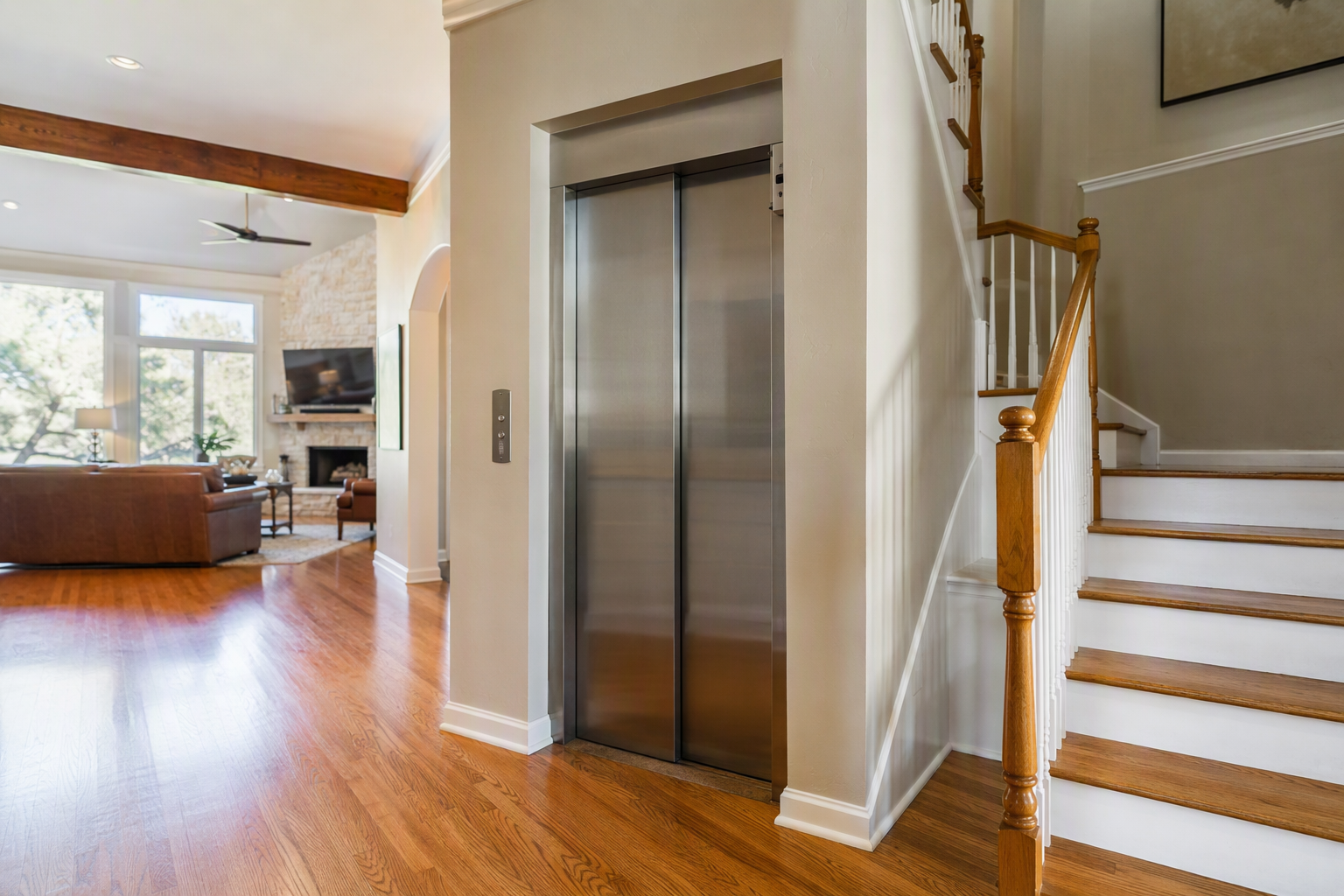
Home Elevator Services in West Oak Hill, TX: Complete FAQ Guide
Home elevator services in West Oak Hill, TX are available through TDLR-registered elevator contractors who handle residential elevator installation, routine maintenance, safety inspections, and code-compliant repairs. Because West Oak Hill falls within the Austin metropolitan area, state-level oversight comes from the Texas Department of Licensing and Regulation (TDLR), Elevator and Escalator Safety program, under Texas Health and Safety Code Chapter 754 and 16 Texas Administrative Code Chapter 74. Homeowners should verify that any contractor they hire holds an active TDLR registration before work begins.
What home elevator services are available in West Oak Hill, TX?
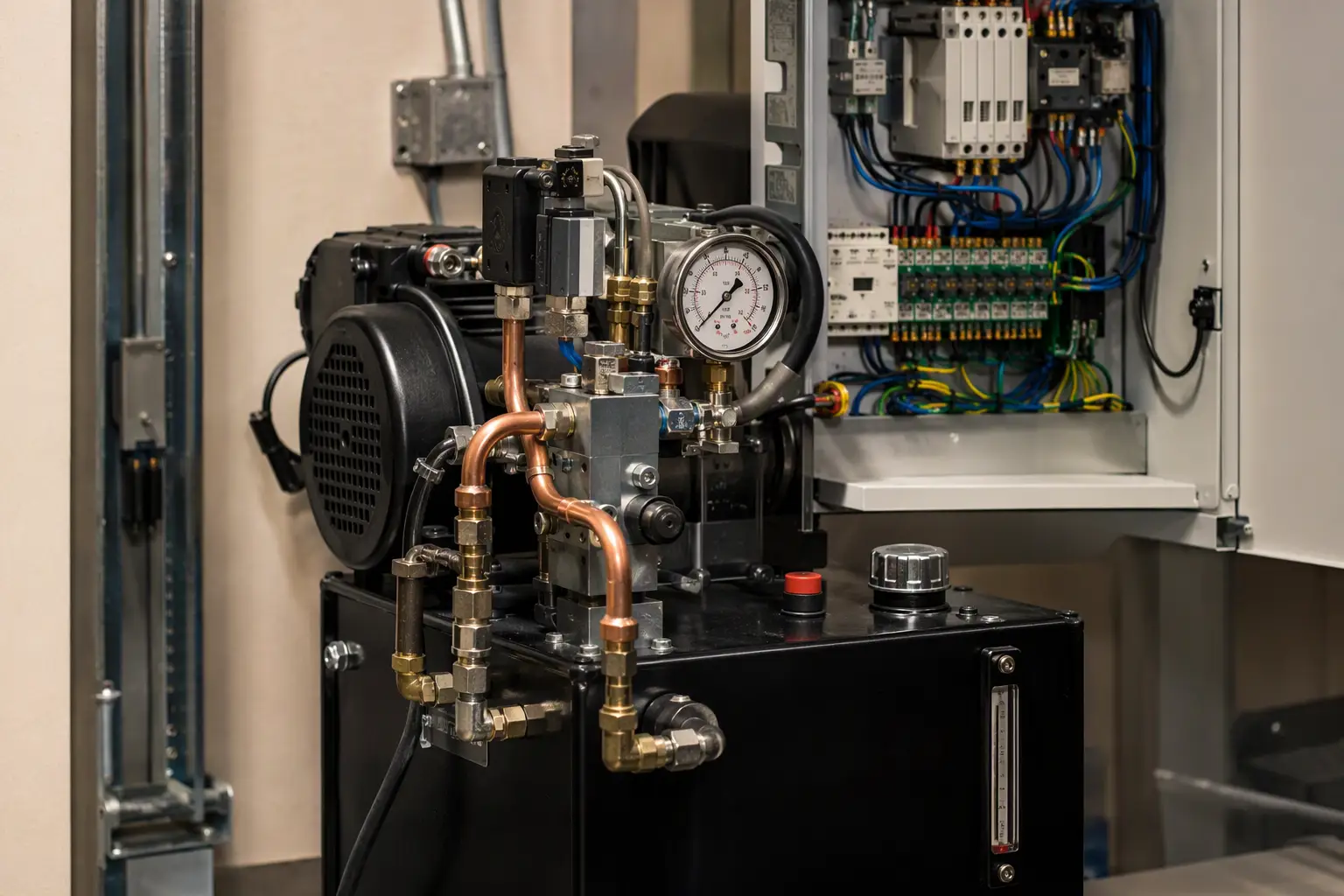
Licensed elevator contractors in West Oak Hill offer a full range of residential services including new elevator installation, modernization of aging equipment, preventive maintenance programs, safety inspections, and emergency repair.
Homeowners in West Oak Hill typically request one or more of the following categories of service:
- New installation — complete design, permitting, installation, and post-installation inspection of a residential elevator system
- Modernization — replacing outdated controls, cab interiors, door operators, or drive systems to extend equipment life and improve safety
- Preventive maintenance — scheduled lubrication, adjustment, and component inspection to reduce unplanned downtime
- Annual safety inspection — conducted by a TDLR-registered inspector after initial installation, as required under Texas law for residential elevators
- Emergency repair — response to entrapments, mechanical failures, or safety-critical deficiencies
- Accessibility upgrades — modifications to meet ADA guidelines for households accommodating residents with mobility limitations
AmeriTex Elevator provides these services throughout the Austin, TX market, including West Oak Hill and surrounding neighborhoods.
Does Texas law apply to home elevators in West Oak Hill?

Texas state law under Texas Health and Safety Code Chapter 754 generally does not regulate elevators in single-family dwellings, but state law does require an inspection by a TDLR-registered inspector after installation.
This is an important distinction that West Oak Hill homeowners often misunderstand. The ongoing annual inspection requirements and Certificate of Compliance obligations that apply to commercial elevators do not automatically extend to private single-family residential elevators under Texas state law. However, the post-installation inspection requirement means that even a residential elevator cannot simply be commissioned and used without a qualifying safety check by a properly registered inspector.
Homeowners should also check whether the City of Austin or Travis County has adopted any local ordinances that impose additional requirements on residential elevator equipment. Because local jurisdictions can adopt their own building codes, a registered elevator contractor familiar with the West Oak Hill area will know whether any additional local approvals are needed before an elevator is placed in service.
What qualifications must an elevator contractor have to work in West Oak Hill, TX?
Any contractor installing, repairing, altering, testing, or maintaining elevator equipment in Texas must hold an active contractor registration issued by TDLR.
Under 16 Texas Administrative Code Chapter 74, Texas elevator contractors must meet the following requirements:
- Register as a contractor with TDLR — operating without registration is a violation of Texas law
- Carry general liability insurance of at least $1,000,000 per occurrence for bodily injury or death and $500,000 per occurrence for property damage
- Designate one or two responsible parties who each have at least three years of elevator contractor experience
- Renew registration annually
- Submit plans to TDLR and receive approval before installing an elevator or escalator in Texas
Homeowners can verify a contractor’s TDLR registration status directly on the TDLR Elevator and Escalator Safety program page. Hiring an unregistered contractor exposes the homeowner to liability and may result in the elevator failing its post-installation inspection.
What types of home elevators can be installed in West Oak Hill homes?
Residential properties in West Oak Hill can accommodate several elevator drive types, with the right choice depending on home structure, available space, travel distance, and budget.
| Elevator Type | Typical Travel | Pit Required | Machine Room | Common Use Case |
|---|---|---|---|---|
| Hydraulic (winding drum) | 2–4 stops | Yes | Nearby | Standard 2–3 story homes |
| Pneumatic / Vacuum | 2–3 stops | No | No | Retrofit, limited footprint |
| Cable-driven (traction) | 2–5 stops | Yes | Yes or overhead | Taller or custom homes |
| Chain-driven | 2–4 stops | Yes | Overhead | Budget-conscious installations |
| Platform lift (vertical) | Short rise | Minimal | No | Accessibility between split levels |
Each drive type carries different structural requirements. Hydraulic systems require a hoistway pit and a fluid reservoir, while pneumatic units use a self-contained tube and require no pit or overhead machine room. A qualified engineer or elevator contractor will conduct a site assessment to determine which system is structurally and practically appropriate for a given West Oak Hill home before any installation plans are submitted to TDLR.
What code standards govern home elevator installation in Texas?
Texas has adopted the ASME A17.1/CSA B44 Safety Code for Elevators and Escalators, 2016 edition, as amended by 16 TAC §74.100(b), effective November 1, 2018, as the baseline construction and safety standard for elevator equipment statewide.
ASME A17.1 sets minimum requirements for hoistway construction, car enclosures, safety devices, door interlock systems, emergency lighting, and control systems. For residential elevators specifically, the code addresses reduced-load and reduced-speed parameters that reflect the lower-occupancy environment of a private home.
Where accessibility is a concern — for example, when a home elevator is being installed to accommodate a resident with a disability — the Americans with Disabilities Act (ADA) and the ADA Standards for Accessible Design provide reference guidelines for clear floor space, door width, and control panel height, even in private residences where ADA compliance is not legally mandated. Many homeowners and contractors treat ADA guidelines as best-practice benchmarks regardless of legal obligation.
Before any installation begins, the TDLR-registered contractor must submit plans and obtain TDLR approval. This plan-review process confirms that the proposed installation will comply with the adopted ASME A17.1-2016 standard and applicable Texas Administrative Code provisions.
What happens during a post-installation inspection of a residential elevator in Texas?
After a new home elevator is installed in Texas, a TDLR-registered elevator inspector must examine the equipment before the homeowner places it in regular use.
The post-installation inspection process follows these steps:
- Schedule the inspection — The contractor or homeowner arranges for a TDLR-registered elevator inspector. Under Texas law, the building owner has the sole right to select the inspector.
- Hoistway and pit review — The inspector examines structural elements including the hoistway, pit depth, clearances, and machine room (if applicable) against the approved plans and ASME A17.1-2016 requirements.
- Safety device testing — The inspector tests the car safety device (if present), buffers, slack-rope devices, and any governor, verifying function per the adopted code.
- Door and gate interlock check — All landing doors or gates are tested to confirm they cannot be opened from the landing side unless the car is present and that the car cannot move unless the doors are closed and locked.
- Control and electrical review — Wiring, limit switches, emergency stop, and lighting are inspected.
- Operational run test — The elevator is operated through its full range of travel under the inspector’s observation.
- Inspection report — The inspector must provide the owner with the written inspection report within five calendar days of the inspection date.
- Deficiency correction — Any cited violations must be corrected or under contract for correction within 30 days, or the owner must obtain a waiver or delay from TDLR.
AmeriTex Elevator coordinates the plan-submission and pre-inspection process with homeowners to help ensure installations are ready for a clean inspection review.
How often should a home elevator be inspected after installation?
While Texas state law’s annual inspection requirements technically apply to commercial elevators rather than single-family residential elevators, manufacturers and industry best practices consistently call for periodic professional inspections of residential equipment to ensure continued safe operation.
Even when not legally mandated, annual inspections for residential elevators are widely recommended by elevator service professionals because elevator components — hydraulic seals, wire ropes, safety switches, and control boards — are subject to wear regardless of how light the residential load is. A qualified TDLR-registered inspector or a maintenance technician working for a TDLR-registered contractor can perform this review. The inspection should assess lubrication levels, door operation, safety device function, and overall mechanical condition.
For traction (cable-driven) elevator systems, Texas law requires a Category 5 full-load test every five years for electric traction elevators. While this requirement targets commercial equipment, homeowners with traction-type residential elevators should discuss the testing schedule with their contractor to confirm what applies to their specific installation.
What safety features are required on a residential elevator in Texas?
Under the ASME A17.1-2016 Safety Code for Elevators and Escalators as adopted by Texas, residential elevators must incorporate a set of minimum safety devices designed to protect occupants and bystanders.
Required or code-referenced safety features for residential elevator installations typically include:
- Door and gate interlocks — Prevent the car from moving unless all landing entrances are closed and locked; a passenger elevator without working door restrictors must be removed from service immediately under Texas law
- Car safety devices or slack-rope/chain safety — Designed to arrest the car in the event of a drive-system failure
- Terminal limit switches — Stop the car before it over-travels at the top or bottom of the hoistway
- Emergency lighting — Provides illumination inside the car during a power failure
- Emergency stop switch — Allows an occupant to stop the car manually
- Pit stop switch — Allows safe access to the pit during maintenance
- Telephone or two-way communication device — Enables an occupant to call for assistance in the event of entrapment
The contractor’s plan submission to TDLR must demonstrate that all required safety devices are incorporated into the design before installation approval is granted.
What should homeowners do if their elevator breaks down or someone is trapped?
An elevator entrapment or sudden mechanical failure requires a calm, systematic response to protect occupant safety before any repair work begins.
- Do not panic and do not force the doors — The car is mechanically supported and stationary; forcing the doors open creates a fall-into-hoistway hazard.
- Use the two-way communication device — Activate the in-car telephone or intercom to alert household members or emergency services.
- Contact emergency services if needed — If the occupant is medically compromised or the entrapment cannot be resolved quickly, call 911. Fire departments are trained in elevator entrapment rescue.
- Call a TDLR-registered elevator contractor — Once the occupant is safe, contact a registered contractor such as AmeriTex Elevator to assess and repair the fault before the elevator is returned to service.
- Do not restart the elevator until inspected — If a mechanical failure caused the entrapment, operating the elevator again without a qualified technician’s clearance risks a repeat incident.
- Document the incident — Note the date, time, and circumstances. Under Texas law, accidents involving elevator equipment must be reported to TDLR within 24 hours.
- Obtain written clearance before resuming use — A TDLR-registered technician employed by a registered contractor should certify the equipment as safe before normal operation resumes.
How does a homeowner choose between elevator modernization and full replacement?
The decision between modernizing an existing residential elevator and replacing it entirely depends on the age of the equipment, the scope of deficiencies found during inspection, parts availability, and the homeowner’s long-term plans for the property.
Modernization is typically the more cost-effective path when the hoistway structure, rail system, and cab enclosure remain structurally sound and only the controls, drive unit, or door operator need updating. Modern solid-state controls can significantly improve reliability and energy efficiency without the expense of a full replacement. Modernization also avoids the cost and disruption of hoistway construction.
Full replacement becomes the practical choice when the equipment is no longer code-compliant in ways that cannot be addressed by component upgrades, when replacement parts for an obsolete system are unavailable or prohibitively expensive, or when the homeowner wants a fundamentally different drive system — for example, converting from a cable-driven unit to a pneumatic system for footprint reasons.
Any modernization that constitutes a material alteration under Texas law must be reviewed and permitted by TDLR before work begins, following the same plan-submission process required for new installations.
What is the typical timeline for a residential elevator installation in West Oak Hill?
The overall timeline for a home elevator installation in West Oak Hill involves several sequential phases, and the total duration depends on hoistway construction requirements, plan-review processing, and equipment lead times.
- Site assessment and design — A qualified contractor inspects the home, measures available space, and determines the appropriate drive type and cab size. This phase typically produces the drawings required for TDLR plan submission.
- TDLR plan submission and approval — Before installation begins, the registered contractor must submit plans to TDLR and receive approval. Processing time varies based on TDLR workload and plan completeness.
- Hoistway and pit construction — If the home does not already have a hoistway, this is usually the longest construction phase and is coordinated with a general contractor or structural engineer.
- Equipment delivery and installation — Drive equipment, rails, cab, and controls are installed by the registered contractor’s technicians.
- Post-installation inspection — A TDLR-registered inspector examines the completed installation, and the inspection report is delivered within five calendar days.
- Deficiency correction (if any) — Any items noted must be corrected before the elevator is used regularly.
Homeowners planning a new construction home in West Oak Hill can significantly compress the overall timeline by incorporating the hoistway into the building plans from the outset, avoiding the cost and delay of retrofitting a shaft into an existing structure.
How can homeowners make a home elevator more accessible for residents with disabilities?
Accessibility best practices drawn from the ADA Standards for Accessible Design provide useful benchmarks for home elevator configurations even when ADA compliance is not legally required in a private residence.
Key accessibility design considerations include:
- Door clear width — A minimum 36-inch clear door opening accommodates standard wheelchairs; wider openings improve comfort for power chairs and walkers
- Car interior dimensions — Sufficient floor space for a wheelchair to enter and exit without requiring a tight turn; side-opening doors can make entry and exit easier than center-opening configurations
- Control panel placement — Buttons positioned at a height reachable from a seated position, with tactile markings or Braille labels for visually impaired users
- Door hold time — Adjustable door dwell time allows users who move slowly to enter and exit safely without the door re-closing prematurely
- Level landing — The cab should stop level with each floor within a tolerance that allows safe wheelchair transition
- Handrails inside the cab — Grab rails provide stability for users with balance or strength limitations
AmeriTex Elevator incorporates accessibility-focused design considerations into residential elevator consultations for West Oak Hill homeowners managing mobility-related needs.
What maintenance tasks can a homeowner perform versus what requires a registered contractor?
Residential elevator maintenance is divided between basic owner-level tasks that require no technical training and more complex procedures that must be performed by technicians working for a TDLR-registered elevator contractor.
Owner-level tasks:
- Keeping the cab interior clean and free of debris
- Ensuring the pit area is dry and clear of stored items that could interfere with safety devices
- Checking that the emergency lighting functions by briefly testing it
- Confirming that the two-way communication device is operational
- Reporting unusual noises, slow performance, or door malfunctions to a registered contractor promptly
Tasks requiring a TDLR-registered contractor:
- Lubrication of rails, guides, and mechanical components
- Adjustment or replacement of door interlocks, safety switches, and limit switches
- Hydraulic fluid inspection, testing, and replacement
- Wire rope or chain inspection and replacement
- Control board diagnostics and firmware updates
- Safety device testing, including annual functional checks
- Any repair that involves opening the drive unit, controller, or hoistway equipment
Attempting contractor-level tasks without proper registration and training creates safety risks and may void equipment warranties.
What are common signs that a home elevator needs repair or modernization?
Recognizing early warning signs of elevator deterioration allows homeowners to address problems before they escalate into safety incidents or costly emergency repairs.
- Rough or jerky ride — May indicate worn guide shoes, misaligned rails, or drive-system issues
- Slow door operation or doors that do not fully close — Often signals worn door operators, misaligned tracks, or failing door interlocks
- Unusual sounds — Grinding, clicking, or humming noises that were not present when the unit was new indicate mechanical wear
- Leveling problems — The car stopping above or below the floor level suggests controller or sensor issues that also create a trip hazard
- Slow travel speed — In hydraulic systems, slow descent or ascent can indicate low fluid, worn pump, or valve problems
- Control panel malfunctions — Buttons that require multiple presses, error codes on display panels, or intermittent power losses
- Oil leaks in the pit — Hydraulic oil in the pit is both a mechanical problem and an environmental concern that requires immediate attention
- Age of equipment — Elevators approaching or exceeding the manufacturer’s recommended service life should receive a comprehensive condition assessment even if no obvious symptoms are present
How should homeowners prepare their home structurally for a new elevator installation?
Successful home elevator installation in West Oak Hill requires structural preparation that goes beyond simply identifying a location for the cab and hoistway.
Key structural considerations include:
- Hoistway construction — Most residential elevator installations require a dedicated hoistway — an enclosed vertical shaft — built from wood framing, masonry, or a prefabricated shaft kit. The hoistway must meet the dimensional requirements specified in the ASME A17.1-2016 code and the equipment manufacturer’s drawings.
- Pit depth — Most drive types require a pit below the lowest landing level. The required depth varies by drive type and must be confirmed in the equipment specifications. Homes built on slab foundations require excavation and waterproofing.
- Overhead clearance — The top of the hoistway must provide sufficient overhead run-by and refuge space as specified by the adopted code.
- Load-bearing capacity — The floor structures at each landing must support the rated load of the elevator cab plus the door assembly weight.
- Electrical service — A dedicated electrical circuit of the correct voltage and amperage for the drive system must be run to the machine room or overhead unit. A licensed electrician should complete this work in coordination with the elevator contractor.
- Ventilation — The machine room and hoistway must be ventilated to prevent heat buildup that can damage controls and drive components.
Engaging an elevator contractor during the architectural design phase of a new home or addition is the most effective way to ensure structural preparation is built correctly the first time.
What permit and plan-review steps are required before installing a home elevator in Texas?
Texas law is clear that a registered elevator contractor must submit installation plans to TDLR and obtain approval before installing an elevator or escalator in Texas.
The permit and plan-review process includes:
- Engage a TDLR-registered elevator contractor — Only registered contractors may legally install elevator equipment in Texas.
- Complete the design and engineering drawings — Drawings must be sufficiently detailed to demonstrate compliance with ASME A17.1-2016 and applicable Texas Administrative Code provisions.
- Submit plans to TDLR — The registered contractor submits the drawings and required documentation to the TDLR Elevator and Escalator Safety program.
- Receive TDLR plan approval — Installation may not begin until TDLR has reviewed and approved the submitted plans.
- Obtain any applicable local building permits — The City of Austin or Travis County may require a separate building permit for hoistway construction. The elevator contractor or a general contractor coordinates this step.
- Complete installation per approved plans — Any deviation from the approved plans that constitutes a material alteration may require a revised submission.
- Schedule post-installation inspection — After installation is complete, a TDLR-registered inspector examines the equipment before it is placed in service.
AmeriTex Elevator manages the TDLR plan-submission process on behalf of homeowners throughout the Austin, TX area, including West Oak Hill.
What are the most common home elevator brands and how should homeowners evaluate them?
The residential elevator market includes a range of domestic and international manufacturers, and homeowners should evaluate equipment on several dimensions beyond brand recognition alone.
Key evaluation criteria include:
- Parts availability and longevity — A manufacturer with a long market history and broad service network is less likely to leave homeowners without parts support after a decade of ownership
- ASME A17.1 code compliance — Any equipment installed in Texas must comply with the ASME A17.1-2016 Safety Code as adopted by Texas. Confirm that the specific model has been designed to meet this edition.
- Drive type suitability — The drive type should match the structural characteristics of the home, not simply the homeowner’s brand preference
- Cab customization — Residential elevator cabs often offer interior finish options; evaluate whether the manufacturer’s standard options meet the homeowner’s aesthetic goals or whether custom work is required
- Warranty terms — Compare coverage periods for drive components, controls, and cab materials, and confirm whether the warranty requires maintenance to be performed by a factory-authorized contractor
- Service network in Texas — Confirm that TDLR-registered contractors in the Austin area have experience servicing the specific brand, since some manufacturers use proprietary controllers that limit which technicians can perform maintenance
How do energy efficiency and operating costs compare across residential elevator types?
Energy consumption and long-term operating costs are increasingly important considerations for West Oak Hill homeowners evaluating residential elevator options, particularly as Texas electricity costs fluctuate.
Pneumatic (vacuum) elevators consume energy only during ascent, using the building’s air pressure differential, and require no energy during descent. This makes them among the most energy-efficient options for low-traffic residential applications. Hydraulic units with variable-speed valve technology have improved significantly in efficiency compared to older single-speed models. Traction elevators with regenerative drives can return energy to the building’s electrical system during descent, though this benefit is more relevant in commercial high-traffic applications than in a private residence.
Beyond electricity consumption, homeowners should account for the cost of hydraulic fluid changes, wire rope replacements, and major periodic tests when comparing total ownership cost. A qualified elevator contractor can provide an estimate of typical maintenance intervals for each drive type based on the specific equipment model under consideration.
What should homeowners in West Oak Hill know about elevator modernization timelines and disruption?
Modernization of an existing residential elevator is significantly less disruptive than a new installation but still requires planning to minimize inconvenience, particularly for households where the elevator is essential for daily mobility.
Control modernizations — replacing the controller and related electrical components while retaining the existing drive, cab, and hoistway — can often be completed in one to three days for a simple residential system. Drive replacements or cab refurbishments may take longer depending on parts lead times. Full modernizations that replace most major components may approach the disruption level of a new installation.
Households where a resident depends on the elevator for mobility access between floors should discuss with their contractor whether temporary alternative access can be arranged and whether phased modernization is feasible to keep the elevator operational for as long as possible during the work. Any modernization involving a material alteration requires TDLR plan submission and approval before work begins, which adds lead time that should be factored into the project schedule.
Why should West Oak Hill homeowners choose a professional elevator service provider?
Professional elevator service by a TDLR-registered contractor ensures that home elevator installations and repairs in West Oak Hill meet the safety requirements of Texas Health and Safety Code Chapter 754, 16 Texas Administrative Code Chapter 74, and the ASME A17.1-2016 Safety Code for Elevators and Escalators.
Beyond legal compliance, professional service reduces liability exposure for homeowners. An elevator that injures a resident or visitor due to deferred maintenance or an unregistered installation creates significant legal and financial risk. A properly inspected, code-compliant elevator also supports the property’s resale value, as prospective buyers will expect documentation of installation permits and inspection history.
AmeriTex Elevator serves the Austin, TX market, including West Oak Hill, providing TDLR-compliant installation, maintenance, and inspection coordination for residential elevator owners. Homeowners can verify contractor registration status at the TDLR Elevator and Escalator Safety program page before engaging any service provider.
Contact AmeriTex Elevator for a free elevator assessment at 844-646-9660.
Need elevator service you can rely on? AmeriTex Elevator is ready to help.