How Much Does It Cost to Install a New Commercial Elevator in a Mid-Rise Office or Apartment Building?
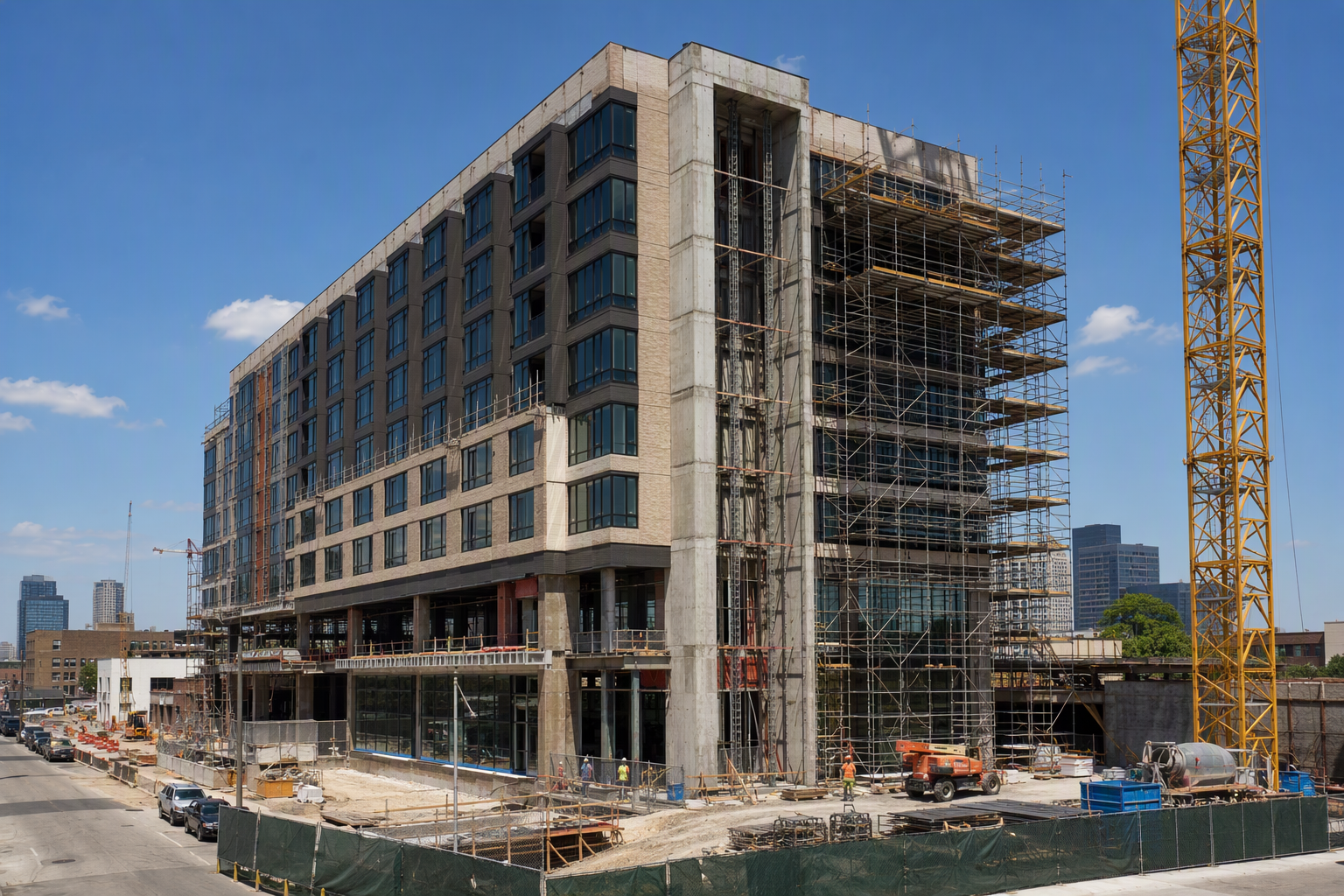
Installing a new commercial elevator is one of the most consequential capital decisions a mid-rise building owner or property manager will make. The total project cost is shaped by far more than the elevator cab itself — shaft construction, structural modifications, code compliance, permitting, and ongoing inspection obligations all factor into the final number. For buildings in Houston, Dallas, Austin, San Antonio, Los Angeles, and San Diego, understanding these variables before breaking ground can prevent costly surprises at every stage of the project.
What Factors Drive the Total Cost of a New Commercial Elevator Installation?
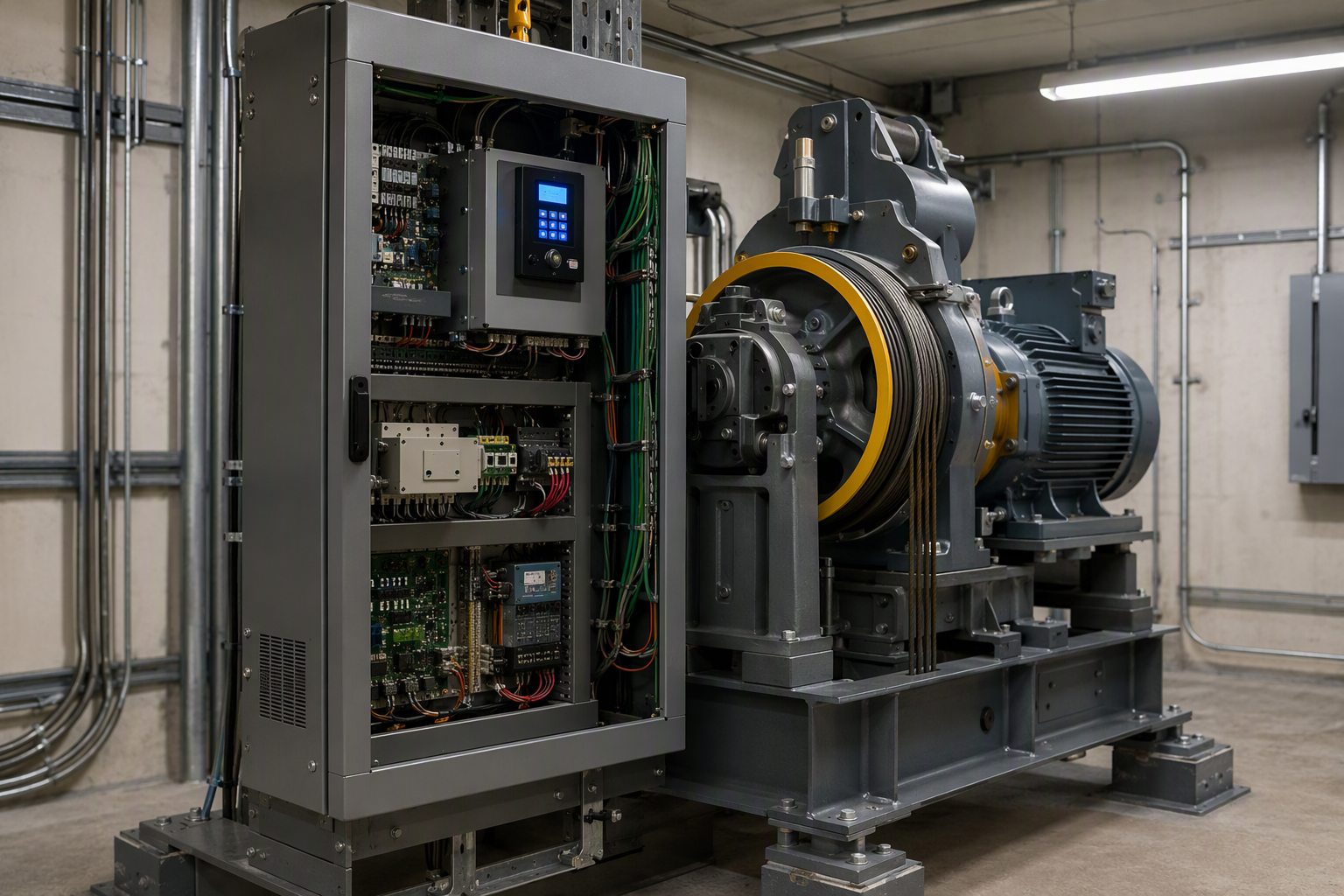
No two elevator installations are identical, and the price reflects that reality. The following variables have the greatest influence on total project cost:
- Elevator type: Hydraulic elevators are generally less expensive to install than traction (geared or gearless) systems, but traction elevators are typically preferred in mid-rise buildings of five stories or more because of their speed, energy efficiency, and lower long-term maintenance demands.
- Number of stops and travel height: Each additional floor adds cost for rail extensions, wiring, landing doors, and structural support. A four-stop installation in a mid-rise carries a meaningfully different price than an eight-stop configuration.
- Shaft and hoistway conditions: A new construction shaft designed around the elevator is far less costly than retrofitting an existing building where structural modifications, fire-rated wall assemblies, or pit excavation may be required.
- Cab size and capacity: Larger cabs rated for higher loads require heavier equipment, larger motors, and more robust structural framing.
- Machine room vs. machine-room-less (MRL): MRL traction elevators eliminate the need for a dedicated machine room, which can offset some construction costs in buildings where that space is at a premium.
- Local permitting and inspection fees: Permit and plan-review fees vary by jurisdiction. In Texas, plan approval through the Texas Department of Licensing and Regulation (TDLR) is required before installation begins — except within Houston city limits, where the City of Houston runs its own elevator program. In California, a permit from Cal/OSHA’s Elevator Unit is required before a conveyance is erected, installed, or materially altered, and each new elevator must pass a Cal/OSHA inspection before it is placed in service.
- ADA compliance features: Meeting Americans with Disabilities Act requirements for cab dimensions, door timing, control panel height, Braille signage, and audible signals adds scope that must be budgeted from the start.
- Contractor certification requirements: In California, only a Certified Qualified Conveyance Company (CQCC) certified by Cal/OSHA may install an elevator, and only Certified Competent Conveyance Mechanics (CCCM) may perform the work. In Texas, the registered contractor must submit plans to TDLR and obtain approval before installation. These credentialing layers affect which contractors can legally bid on the project and influence overall pricing.
How Do Texas and California Regulate New Elevator Installations?

Both states impose structured regulatory frameworks that directly affect project timelines and costs.
Texas: The elevator program is administered by the Texas Department of Licensing and Regulation (TDLR) under Texas Health and Safety Code Chapter 754 and 16 Texas Administrative Code Chapter 74. Texas has adopted the ASME A17.1/CSA B44, 2016 edition as its base code, effective November 1, 2018. A TDLR-registered contractor must submit installation plans to TDLR and receive approval before work begins. Once installed, the building owner must obtain a TDLR Certificate of Compliance and have the elevator inspected annually by a TDLR-registered inspector. The Certificate of Compliance must be displayed in a publicly visible area of the building. Important exception: TDLR does not regulate elevators inside Houston city limits — the City of Houston operates its own elevator program, and Houston building owners should consult the city directly for applicable requirements.
California: The elevator program is overseen by the Cal/OSHA Elevator Unit, California Department of Industrial Relations, under California Labor Code Sections 7300–7324.2 and the California Code of Regulations, Title 8, Elevator Safety Orders. California has adopted the ASME A17.1/CSA B44, 2004 edition for installation contracts signed on or after May 1, 2008. A permit from Cal/OSHA is required before installation begins, and another inspection must be passed before the elevator is placed in service. Only CQCC-certified companies staffed by CCCM-certified mechanics may perform installation work. The permit to operate must be posted conspicuously inside the elevator car. In Los Angeles, the City of Los Angeles Department of Building and Safety (LADBS) runs its own elevator and conveyance inspection program, so LA building owners should engage LADBS alongside Cal/OSHA requirements.
What Does ASME A17.1 Require for a New Commercial Elevator Installation?
The ASME A17.1 Safety Code for Elevators and Escalators is the foundational technical standard adopted by both Texas and California (at different editions). For a new commercial installation it governs, among other requirements: hoistway dimensions and clearances, pit depth and overhead clearance, car and counterweight guide rails, buffers, safeties, door systems, machine and control spaces, electrical wiring and grounding, firefighters’ emergency operation, and seismic design considerations. In Texas, a passenger elevator without working door restrictors must be removed from service immediately, and a passenger elevator without firefighters’ service or with non-working Phase One firefighters’ service must also be removed from service immediately — underscoring why these systems must be engineered correctly from the initial installation.
What ADA Requirements Apply to a New Commercial Elevator in a Mid-Rise Building?
The Americans with Disabilities Act establishes minimum accessibility standards that apply to most commercial and multi-unit residential mid-rise buildings. Key requirements for new elevator installations generally include minimum cab interior dimensions, self-leveling accuracy to ensure the cab floor is flush with each landing, door reopening devices that detect obstructions, call button height and sizing standards, raised and Braille floor designations, and audible floor indicators. ADA compliance must be incorporated into the original design drawings — retrofitting accessibility features after construction is substantially more expensive and may require reopening walls and rerunning conduit.
How Long Does a New Commercial Elevator Installation Take?
Project timelines depend on building type, shaft readiness, equipment lead times, and regulatory review. As a general framework, the process moves through these phases:
- Site assessment and scope definition: An elevator contractor evaluates the building’s structural conditions, shaft dimensions, electrical capacity, and code requirements to develop detailed specifications.
- Design and engineering: Architectural and engineering drawings are prepared to meet applicable code editions (ASME A17.1, ADA, and state requirements).
- Plan submission and regulatory approval: In Texas, plans must be submitted to TDLR (or the City of Houston’s program) and approved before work begins. In California, a pre-installation permit must be obtained from Cal/OSHA.
- Equipment procurement: Elevator equipment, cab components, door assemblies, and controls are ordered. Lead times for custom or high-capacity equipment can extend the overall schedule.
- Hoistway and pit construction: If not already built, the hoistway, pit, and machine space are constructed by the general contractor in coordination with the elevator contractor.
- Equipment installation: Rail installation, machine mounting, wiring, door installation, cab assembly, and controls commissioning are completed by certified mechanics.
- Testing and inspection: The installed elevator undergoes acceptance testing. In Texas, the registered inspector provides the inspection report within five calendar days. In California, Cal/OSHA (or LADBS in Los Angeles) inspects the unit before it is placed in service.
- Certificate or permit to operate issuance: Texas owners receive their TDLR Certificate of Compliance; California owners receive a Cal/OSHA permit to operate, which must be posted inside the cab.
- Commissioning and handoff: The contractor provides documentation, maintenance manuals, and owner training.
What Is Included in a Commercial Elevator Installation Contract?
A comprehensive installation contract should itemize: all equipment (machine, controller, cab, doors, rails, buffers, safeties, wiring), labor for installation and testing, permit application and filing fees, acceptance test witnessing, warranty terms, and any post-installation maintenance agreement. Building owners should confirm whether hoistway construction, pit waterproofing, electrical service upgrades, and general contractor coordination are included in the elevator contractor’s scope or are separate line items — this distinction is a frequent source of budget overruns.
How Does Building Type Affect Elevator Selection and Cost for Mid-Rise Properties?
Mid-rise office buildings and apartment buildings have different operational profiles that influence equipment selection. Office buildings typically see high morning and evening peak traffic concentrated in a narrow window, which favors group-controlled traction systems with destination dispatch capabilities. Apartment buildings have more distributed traffic patterns but may require larger cabs to accommodate moving furniture and deliveries. Mixed-use mid-rise buildings that combine retail, office, and residential floors require careful planning around cab capacity, door configurations, and access control integration — all of which affect the total installed cost.
What Ongoing Compliance Costs Should Building Owners Budget After Installation?
Installation is a one-time capital expense, but regulatory compliance creates recurring annual costs that should be projected alongside the initial investment:
- Annual inspections: Texas law requires annual inspection by a TDLR-registered inspector, and the building owner has the sole right to select that inspector. California law requires every conveyance to be inspected at least once a year; Cal/OSHA may issue a permit to operate for up to two years for an elevator in safe condition covered by a full maintenance contract with a CQCC-certified company holding a C-11 contractor license.
- Category 5 testing (Texas): Texas requires a Category 5 full-load test every five years on electric (traction) elevators — a specialized test that requires advance planning and budget allocation.
- Violation correction: Texas building owners must have cited violations corrected or under contract to be corrected within 30 days of the inspection, or obtain a waiver or delay from TDLR.
- Maintenance contracts: A preventive maintenance agreement with a qualified contractor is the most cost-effective way to extend equipment life, maintain compliance, and avoid emergency repair expenses.
- Certificate renewals: Both Texas and California require annual or biennial renewal of operating certificates and permits, which involve reinspection fees.
AmeriTex Elevator works with building owners across Texas and California to structure maintenance programs that align with these compliance cycles and help avoid the costs of unplanned downtime.
How Should Building Owners Compare Elevator Contractors for a New Installation?
Selecting an elevator installation contractor involves more than comparing bid prices. Building owners should verify:
- In Texas, TDLR contractor registration status and proof of general liability insurance meeting the statutory minimums of at least $1,000,000 per occurrence for bodily injury or death and $500,000 per occurrence for property damage.
- In California, CQCC certification from Cal/OSHA and a current C-11 Elevator Contractor license from the California Contractors State License Board (CSLB).
- The contractor’s familiarity with the local authority having jurisdiction — particularly in Houston and Los Angeles, where city-run programs add a layer of coordination that not all contractors navigate regularly.
- References from comparable mid-rise commercial or multifamily projects completed in the same market.
- The scope of post-installation maintenance and emergency service offerings.
AmeriTex Elevator holds the required registrations and certifications to operate legally across its Texas and California markets, and its teams are familiar with the plan-submission and inspection processes in each jurisdiction, including the City of Houston’s independent program and the LADBS process in Los Angeles.
Questions Your Inspector Will Ask
Whether in Texas or California, elevator inspectors conducting an acceptance inspection or annual reinspection of a new commercial installation will typically review the following areas. Building owners and contractors should be prepared to demonstrate compliance on each point:
- Are all required permits and plan-approval documents on file and available for review?
- Has the hoistway been constructed to the dimensions specified in the approved drawings?
- Are pit depth, overhead clearance, and machine room dimensions (if applicable) within code tolerances?
- Do all landing doors and car doors operate correctly, and are door restrictors installed and functional?
- Is Phase One firefighters’ emergency operation installed and functioning on all applicable floors?
- Are all safety devices — including car safeties, governor, buffers, and emergency lighting — tested and documented?
- Does the cab meet ADA requirements for interior dimensions, control panel height, Braille designations, and door timing?
- Is the emergency communication system operational within the cab?
- Are all wiring runs, grounding, and electrical connections within the specifications of the adopted ASME A17.1 edition?
- In Texas: Has the full acceptance test been completed and documented by the registered contractor, and is the report ready for the inspector?
- In California: Is the CQCC certification of the installing company on file, and can the mechanic demonstrate CCCM certification?
- Are all test weights, test equipment, and personnel available for any load or safety tests the inspector requires to witness?
AmeriTex Elevator prepares clients for inspections by completing internal pre-inspection checklists and ensuring all documentation is organized and available before the inspector arrives.
What Should a Building Owner Do Before Contacting an Elevator Contractor?
- Confirm whether the building is in a jurisdiction with a city-run elevator program (Houston, Los Angeles) or the state program (TDLR for other Texas cities; Cal/OSHA for other California locations).
- Obtain architectural drawings showing proposed hoistway dimensions, pit depth, overhead clearance, and machine space if applicable.
- Document the number of floors to be served, anticipated passenger load, and peak traffic patterns.
- Confirm the building’s electrical service capacity and identify whether an upgrade is needed to support the elevator’s power requirements.
- Identify any ADA accessibility requirements that apply to the building type and occupancy.
- Request itemized proposals from multiple TDLR-registered or Cal/OSHA-certified contractors so scope can be compared on equal terms.
- Review each contractor’s insurance certificates and regulatory registrations before signing any contract.
Why Does Location Within Texas or California Affect Installation Planning?
AmeriTex Elevator serves building owners in Houston, Dallas, Austin, San Antonio, Los Angeles, and San Diego — and the regulatory experience required in each market differs meaningfully. Houston’s independent program requires coordination with city officials rather than TDLR. Dallas, Austin, and San Antonio fall under TDLR’s statewide program, which has defined plan-submission and inspection workflows. In Los Angeles, the LADBS conveyance program operates alongside Cal/OSHA obligations, creating a dual-agency environment. San Diego building owners work within Cal/OSHA’s statewide process. Contractors who operate across multiple markets must maintain active registrations and familiarity with each jurisdiction’s current procedures — a practical consideration when selecting a partner for a multi-site portfolio or a high-visibility new construction project.
Contact AmeriTex Elevator for a free elevator assessment at 844-646-9660.
Need elevator service you can rely on? AmeriTex Elevator is ready to help.