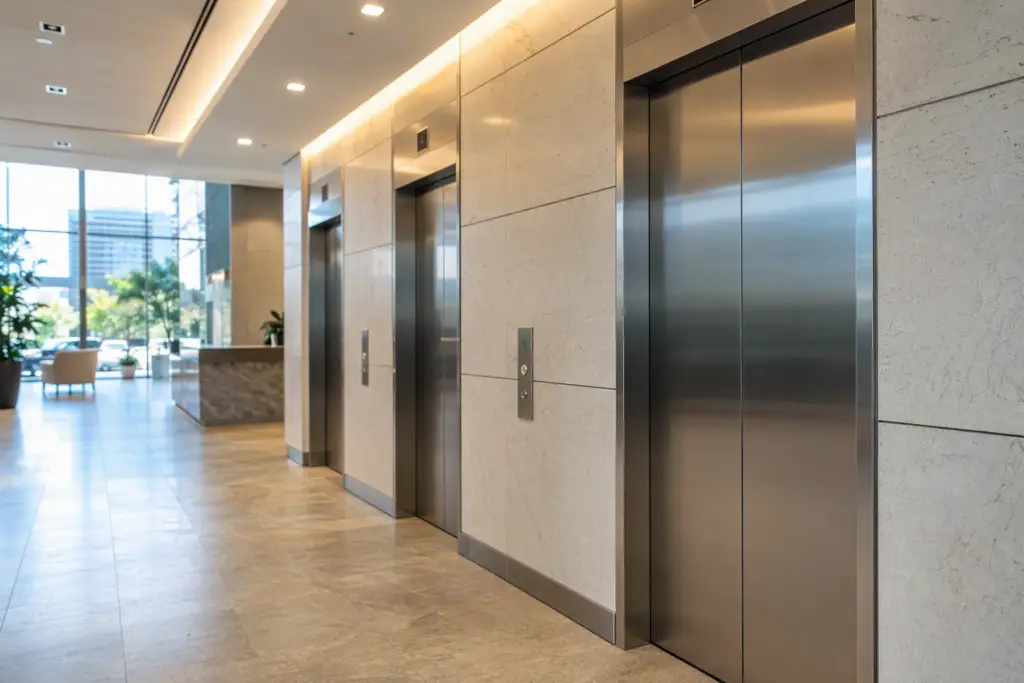
Who to Contact for ADA Elevator Requirements for Buildings
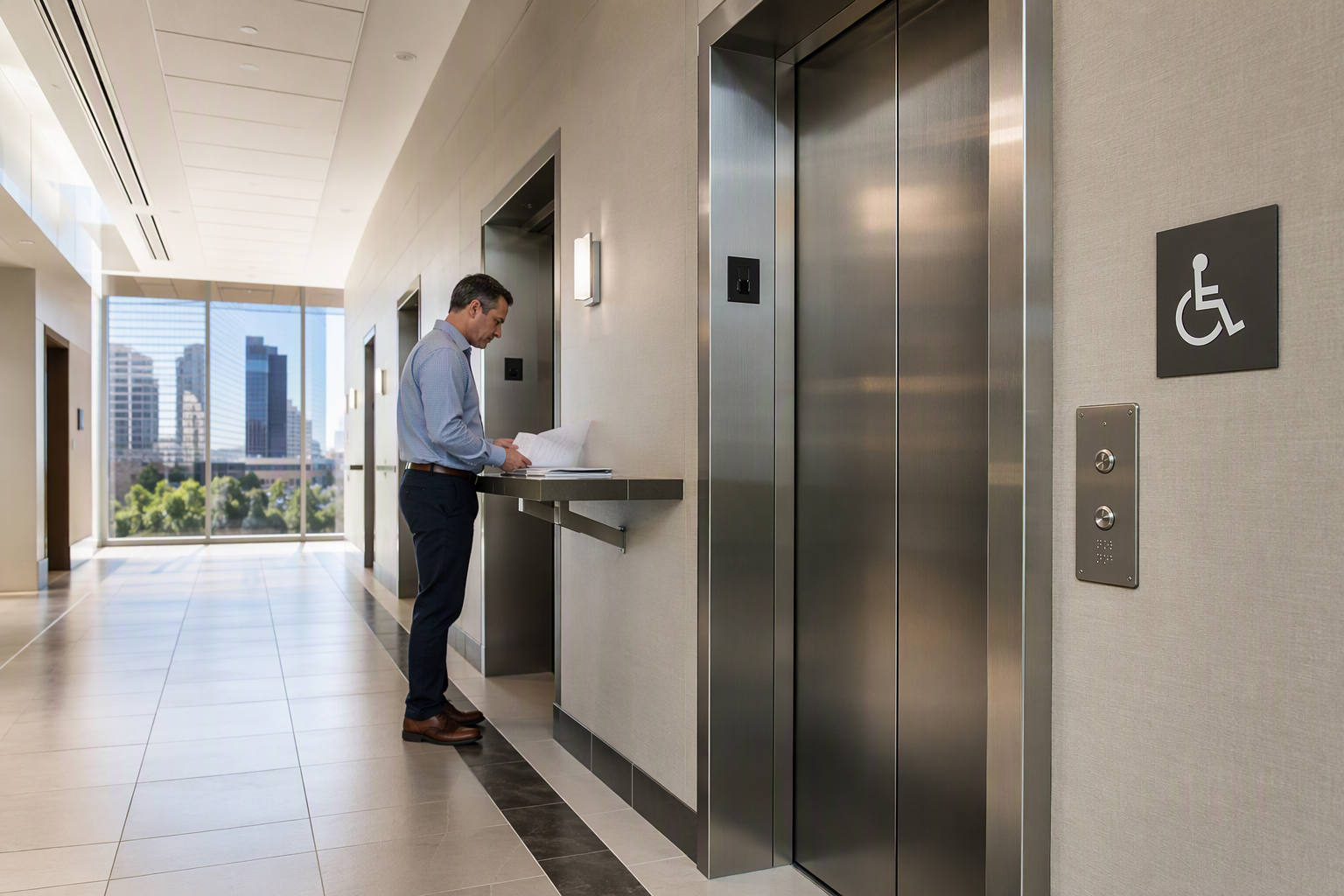
Understanding who to contact for ADA elevator requirements is not always straightforward. Federal law establishes the baseline, state and local codes layer on additional rules, and the building’s specific use type determines which standards apply. This page breaks down every contact point, compliance pathway, and practical step building owners, architects, and facility managers need to navigate ADA elevator requirements with confidence.
What Is the ADA, and Why Does It Govern Elevator Access?
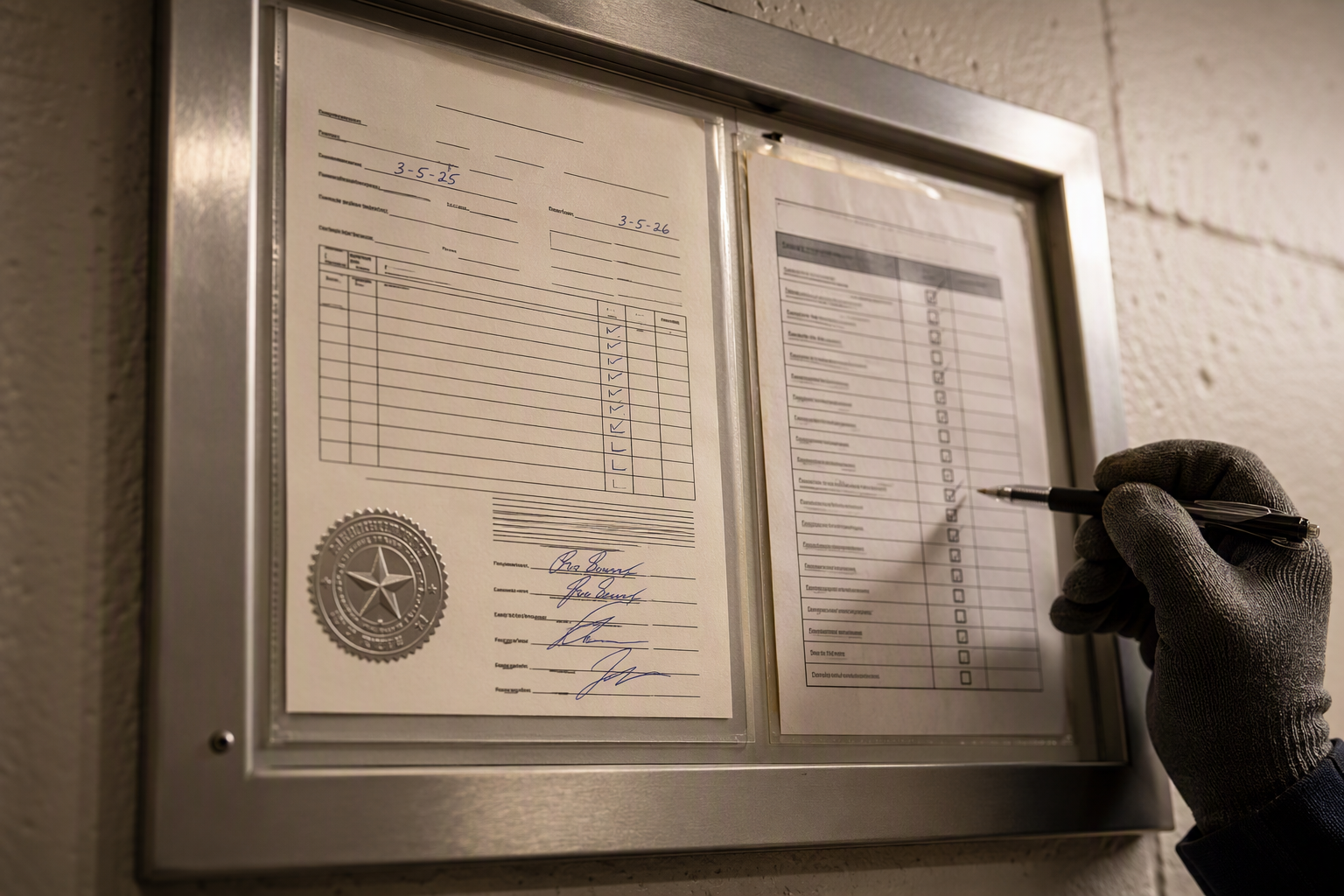
The Americans with Disabilities Act (ADA) is a federal civil rights law that prohibits discrimination against individuals with disabilities in public life, including in buildings open to the public or used for employment. Title II covers state and local government facilities; Title III covers places of public accommodation and commercial facilities. Both titles include requirements for accessible vertical access — and elevators are the primary compliance mechanism for multi-story buildings.
The ADA does not operate alone. The 2010 ADA Standards for Accessible Design, published by the U.S. Department of Justice and the U.S. Department of Transportation, set the technical specifications that elevators must meet. These standards reference and align with broader building codes, including guidance found under the ASME A17.1 Safety Code for Elevators and Escalators, which governs how elevators are designed, installed, inspected, and maintained.
Who Should You Contact First for ADA Elevator Requirements?

There is no single universal agency — compliance involves multiple contact points depending on the stage of your project. Here is who matters most and when:
1. The Authority Having Jurisdiction (AHJ)
The AHJ is typically the state or local elevator inspection bureau, building department, or fire marshal’s office with authority over elevator installations in your jurisdiction. The AHJ interprets and enforces both the ADA Standards and the applicable edition of ASME A17.1. Before any elevator is installed, modified, or brought into ADA compliance, a permit must be pulled through the AHJ. This is the first call to make.
2. The U.S. Department of Justice (DOJ)
The DOJ administers and enforces ADA Title II and Title III. The DOJ’s ADA.gov website is the authoritative source for interpreting compliance obligations, filing complaints, and downloading the 2010 ADA Standards for Accessible Design at no cost. The DOJ also operates an ADA Information Line where building owners can request guidance on specific situations.
3. A Licensed Elevator Contractor
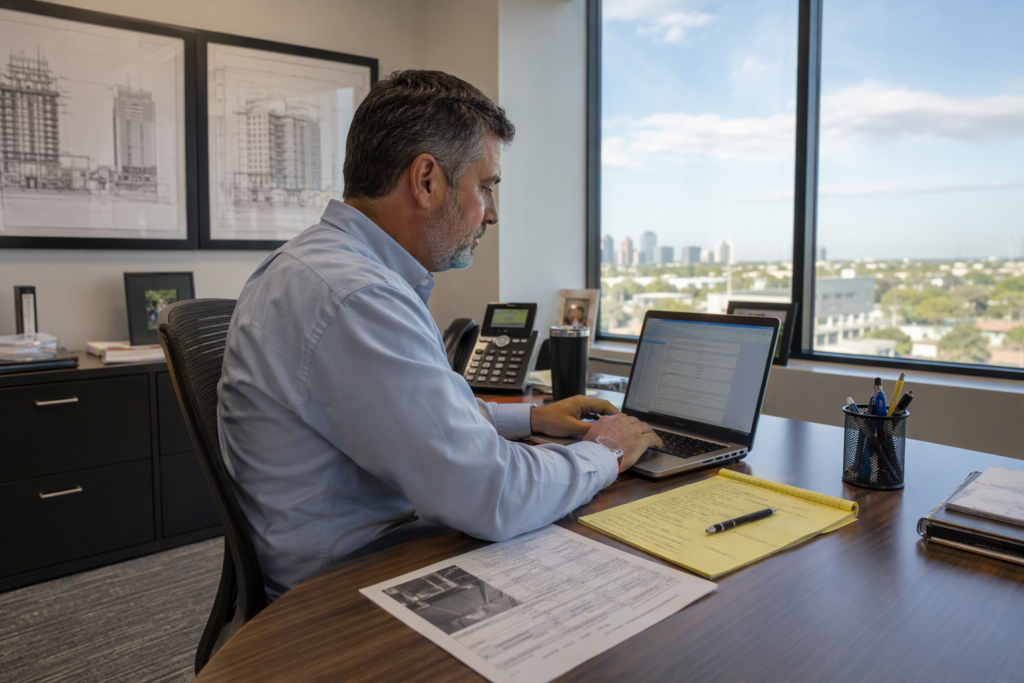
A licensed elevator contractor translates legal requirements into physical reality. They assess existing elevator installations for ADA compliance gaps, design retrofits or new installations to meet both ADA and ASME standards, and coordinate with the AHJ for inspections and permit sign-off. Not all general contractors have the specialized knowledge to handle elevator compliance — an elevator-specific contractor is essential.
4. Your Architect or Accessibility Consultant
On new construction or major renovation projects, a registered architect familiar with the 2010 ADA Standards will specify elevator requirements in the design documents. A Certified Accessibility Specialist or ADA compliance consultant can audit existing buildings and produce a Transition Plan or Barrier Removal Plan that prioritizes elevator upgrades.
5. OSHA (for Workplace Contexts)
When elevators serve employees in workplace environments, OSHA occupational safety standards may apply alongside ADA requirements. OSHA does not set ADA accessibility standards, but its general duty clause and industry-specific standards intersect with elevator safety for workers.
What Are the Core ADA Elevator Requirements for Buildings?
The 2010 ADA Standards for Accessible Design, Section 407, specifies the technical requirements for accessible elevators. Key requirements include, but are not limited to:
- Call Controls: Elevator call buttons must be located between 15 and 48 inches above the finished floor, centered, and operable with a closed fist.
- Car Size: The elevator car must provide adequate floor space for a wheelchair user to enter, maneuver, and exit — the Standards specify minimum inside clear floor dimensions.
- Door Operation: Doors must remain open long enough for a person using a mobility device to enter and exit safely, with a reopening device that detects an obstruction.
- Control Panels: Car operating panels must include Braille and raised characters, and buttons must be located within the accessible reach range.
- Two-Way Communication: A two-way emergency communication system is required in the elevator car.
- Leveling: The car must level within a specified tolerance of the landing to prevent a lip or gap that would impede a wheelchair.
- Lighting: Minimum illumination levels are required at the car controls, platform, and threshold.
For the complete technical specifications, building owners should consult the official 2010 ADA Standards for Accessible Design on ADA.gov and confirm which edition of ASME A17.1 their AHJ has adopted, as local adoption may lag behind the most current publication.
Does Every Multi-Story Building Need an Elevator Under the ADA?
Not always — and this distinction matters significantly for owners of smaller commercial buildings. The ADA includes a specific elevator exemption: buildings with fewer than three stories or with fewer than 3,000 square feet per floor are generally exempt from the elevator requirement, unless the building is a shopping center, a shopping mall, the professional office of a healthcare provider, or a terminal, depot, or other station used for specified public transportation. This exemption applies to new construction and alterations, but it does not override state or local codes, which may impose stricter requirements.
For existing buildings, the obligation shifts to removing barriers to accessibility where it is “readily achievable” — meaning accomplishable without much difficulty or expense. The AHJ and a qualified accessibility consultant can help determine where a specific property falls under these thresholds.
How Do I Know If My Existing Elevator Is ADA Compliant?
Compliance cannot be assumed based on age or prior inspection. Many elevators installed before the ADA’s passage or before the 2010 Standards were adopted have features that no longer meet current requirements. An ADA elevator compliance assessment typically includes:
- A physical audit of the elevator car, doors, hall fixtures, and machine room against the 2010 ADA Standards for Accessible Design.
- Verification that call button heights, car operating panel configurations, and Braille/raised character labeling meet current specifications.
- Testing door reopening devices and dwell times for adequacy.
- Measuring car leveling accuracy at each floor landing.
- Reviewing two-way communication system functionality.
- Comparing findings against the adopted edition of ASME A17.1 in the local jurisdiction.
- Producing a written report identifying non-compliant conditions and recommended corrective actions.
AmeriTex Elevator provides data-driven ADA elevator assessments designed to give building owners a clear, prioritized picture of their compliance standing and the specific modifications required to meet current standards.
What Is the Role of ASME A17.1 in ADA Elevator Compliance?
The ASME A17.1 Safety Code for Elevators and Escalators is the technical standard that governs how elevators are designed, constructed, installed, inspected, tested, maintained, and repaired throughout North America. While the ADA establishes the accessibility outcome (e.g., “the elevator must be accessible to people with disabilities”), ASME A17.1 provides much of the detailed engineering specification that achieves that outcome (e.g., door dimensions, leveling tolerances, safety device requirements).
State AHJs adopt specific editions of ASME A17.1, and the adopted edition determines which technical rules apply in a given jurisdiction. Building owners should confirm the currently adopted edition with their local elevator inspection bureau, since ASME updates the standard periodically and local adoption timelines vary.
What Happens If a Building Is Not ADA Elevator Compliant?
Non-compliance with ADA elevator requirements exposes building owners and operators to meaningful risk. The DOJ can investigate complaints, pursue litigation, and impose civil penalties. Private individuals also have a right to file lawsuits under the ADA without first filing a government complaint, and courts may award attorney’s fees to prevailing plaintiffs — making ADA elevator litigation a significant financial exposure even when the underlying modification cost is modest.
Beyond legal risk, inaccessible elevators exclude employees, customers, tenants, and visitors with mobility impairments, creating reputational harm and potentially reducing a property’s market value or leasability.
How Long Does It Take to Bring an Elevator into ADA Compliance?
Timeline varies based on the extent of non-compliance identified. Minor modifications — such as replacing call buttons, adding Braille labels, or recalibrating leveling systems — can often be completed in days to weeks once parts are sourced. More substantial work, such as enlarging an elevator cab or installing a new elevator in a building that previously lacked one, involves design, permitting, construction, and inspection phases that may span several months to more than a year depending on jurisdiction, building complexity, and contractor availability.
Starting with an ADA assessment before beginning any project allows building owners to develop a realistic schedule and budget scope grounded in actual conditions rather than assumptions.
What Is the Difference Between New Construction, Alteration, and Barrier Removal Requirements?
ADA elevator requirements are not one-size-fits-all — the obligation level depends on the type of work being undertaken:
- New Construction: Full compliance with the 2010 ADA Standards is required for all new buildings subject to the ADA, absent a specific exemption. There is no cost-based exception for new construction.
- Alterations: When a building undergoes an alteration that affects usability, the altered elements and their path of travel must be made accessible to the maximum extent feasible. The “maximum extent feasible” standard does incorporate cost considerations, but the threshold is higher than for barrier removal.
- Barrier Removal (Existing Facilities): Places of public accommodation must remove architectural barriers where doing so is “readily achievable.” This is the most flexible standard and allows prioritization — prioritizing accessible routes including elevators is specifically listed as a first priority in DOJ guidance.
Are There ADA Requirements Specific to Residential Buildings?
The ADA’s elevator requirements primarily apply to commercial facilities and public accommodations, not to purely private residential buildings. However, multi-family housing that falls under the Fair Housing Act (FHA) has its own accessibility requirements administered by the U.S. Department of Housing and Urban Development (HUD) — separate from the ADA. Mixed-use buildings, buildings with commercial ground-floor uses, or buildings receiving federal funding may be subject to both ADA and FHA requirements simultaneously. Building owners in this situation should consult both an ADA-qualified accessibility consultant and an FHA-knowledgeable attorney or consultant to ensure full coverage.
What Should Building Owners Ask a Potential Elevator Contractor About ADA Compliance?
Selecting the right elevator contractor for ADA compliance work requires targeted due diligence. Recommended questions include:
- What edition of ASME A17.1 has the local AHJ adopted, and how does that affect the scope of work?
- Can you provide a written assessment identifying every non-compliant condition against the 2010 ADA Standards?
- How do you coordinate with the AHJ for permits and final inspection sign-off?
- What documentation will you provide upon project completion to support ADA compliance records?
- Have you completed similar ADA compliance projects in buildings of this use type and age?
A knowledgeable contractor will answer these questions with specificity. Vague or generalized responses should prompt further inquiry before any agreement is signed.
What Are the 2025–2026 Trends in ADA Elevator Compliance?
Several developments are shaping how building owners and elevator contractors approach ADA compliance heading into 2026:
- Increased DOJ Enforcement Activity: Federal enforcement of ADA accessibility requirements across commercial and government-owned facilities has remained a consistent enforcement priority, with particular attention to facilities that have not undertaken any barrier removal work since the ADA’s passage.
- Modernization as a Compliance Catalyst: Many building owners undertaking elevator modernization projects for reliability or energy efficiency reasons are using those projects as an opportunity to achieve full ADA compliance simultaneously, rather than treating them as separate scopes of work.
- Smart Elevator Technology and Accessibility: Newer destination-dispatch and touchless elevator technologies raise new questions about ADA call control compliance — particularly for users with visual or dexterity impairments — and AHJs are increasingly requiring these systems to include accessible interfaces that meet the Standards.
- Aging Building Stock: A large portion of the commercial building stock in the United States was constructed before the ADA’s 1990 enactment or before the 2010 Standards took effect. As this stock ages and changes hands, ADA elevator compliance comes under greater scrutiny during due diligence and property transactions.
- Code Edition Harmonization: Ongoing efforts to align state-adopted editions of ASME A17.1 with the current publication continue, meaning building owners in states that have recently updated their adopted code edition may face new or changed technical requirements even if their elevator was previously considered compliant.
How Can AmeriTex Elevator Help with ADA Elevator Requirements?
AmeriTex Elevator serves building owners, property managers, architects, and facility managers who need a knowledgeable, code-grounded partner for ADA elevator compliance. As a data-driven elevator service provider, AmeriTex Elevator applies the 2010 ADA Standards for Accessible Design, the applicable edition of ASME A17.1, and local AHJ requirements to each project — producing documented assessments, scoped compliance plans, and coordinated inspections grounded in the specific conditions of each building.
AmeriTex Elevator does not rely on general assumptions or templated solutions. Each engagement begins with a thorough on-site assessment of the elevator’s current condition measured against the applicable standards, giving building owners the accurate information they need to make compliance decisions that are both legally sound and operationally realistic.
Sourced Reference Table
| Standard / Source | Key Role in ADA Elevator Compliance | Where to Access |
|---|---|---|
| 2010 ADA Standards for Accessible Design (DOJ / DOT) | Sets technical specifications for accessible elevators in covered buildings | ADA.gov |
| ASME A17.1 Safety Code for Elevators and Escalators | Provides engineering specifications for elevator design, installation, inspection, and maintenance adopted by state AHJs | ASME.org |
| OSHA General Industry Standards | Applies to elevator safety in workplace contexts alongside ADA requirements | OSHA.gov |
Quick-Reference: Who to Contact and When
| Situation | Primary Contact | Secondary Contact |
|---|---|---|
| New construction requiring elevator access | Licensed elevator contractor + architect | Local AHJ for permits; ADA.gov for Standards |
| Existing elevator suspected non-compliant | Licensed elevator contractor (assessment) | Local AHJ; accessibility consultant |
| ADA complaint filed against your building | ADA-knowledgeable attorney | DOJ / ADA.gov; licensed elevator contractor |
| Elevator modernization project | Licensed elevator contractor | Local AHJ for permit; ASME A17.1 for technical specs |
| Interpreting ADA exemption eligibility | ADA-knowledgeable attorney or accessibility consultant | ADA.gov guidance documents |
Get a Professional ADA Elevator Assessment Today
ADA elevator compliance is not a one-time checkbox — it requires ongoing attention as codes evolve, buildings change use, and equipment ages. Building owners who wait until a complaint is filed face greater cost, compressed timelines, and legal exposure that a proactive assessment could have avoided.
AmeriTex Elevator brings a code-grounded, documentation-first approach to ADA elevator assessments, helping building owners understand exactly where they stand and what steps are required to achieve and maintain compliance under the 2010 ADA Standards and the applicable edition of ASME A17.1.
Contact AmeriTex Elevator for a free elevator assessment: 866-679-4313
Need elevator service you can rely on? AmeriTex Elevator is ready to help.