Elevator Service in Houston, TX | AmeriTex Elevator

Elevator modernization costs for mid-rise buildings in Houston, TX depend on the scope of work, equipment age, and local regulatory requirements. Because the City of Houston administers its own elevator program, building owners must work with contractors who understand both local and state-level obligations. AmeriTex Elevator serves commercial and residential property owners throughout Houston with modernization planning, compliance support, and ongoing maintenance.
What Does Elevator Modernization Actually Include?
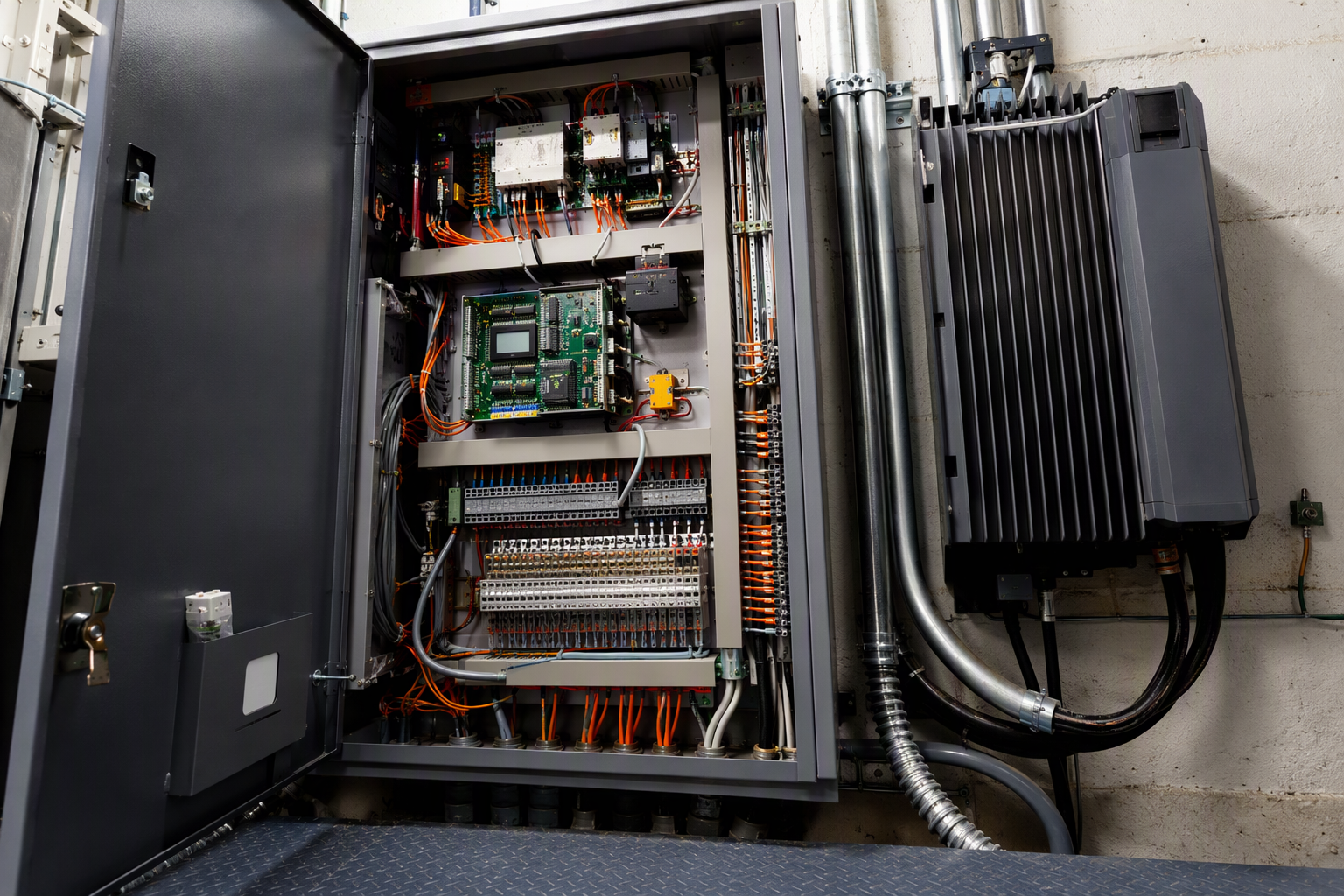
Elevator modernization is not a single service — it is a spectrum of work ranging from targeted component upgrades to complete system overhauls. Understanding what falls under “modernization” is the first step in estimating realistic costs for a mid-rise building.
Common modernization scopes include:
- Control system upgrades: Replacing relay-logic or older solid-state controllers with modern microprocessor-based controls improves reliability, dispatching efficiency, and diagnostic capability.
- Drive and motor replacement: Upgrading from older motor-generator sets to variable-voltage variable-frequency (VVVF) drives reduces energy consumption and improves ride quality.
- Door operator and safety device upgrades: Modernizing door operators, restoring or replacing door restrictors, and updating door sensors addresses both performance and safety compliance.
- Cab interior renovation: Flooring, lighting, handrails, signal fixtures, and ceiling panels affect passenger experience and ADA compliance.
- Machine room equipment: Replacing or upgrading hoist machines, brakes, buffers, and governors as part of a comprehensive modernization.
- Emergency communication systems: Updating in-car communication to meet current accessibility requirements under the Americans with Disabilities Act (ADA).
- Full gut modernization: Complete replacement of all major mechanical, electrical, and cab components — essentially a new elevator in the existing hoistway.
For a mid-rise building of six to fifteen stories with two to four elevators, the total modernization investment across all units can vary enormously. A partial controls-and-drive modernization on a single elevator costs far less than a full system replacement, and the per-unit cost generally decreases when multiple elevators in the same building are modernized at the same time.
What Factors Drive the Cost of Elevator Modernization in Houston?
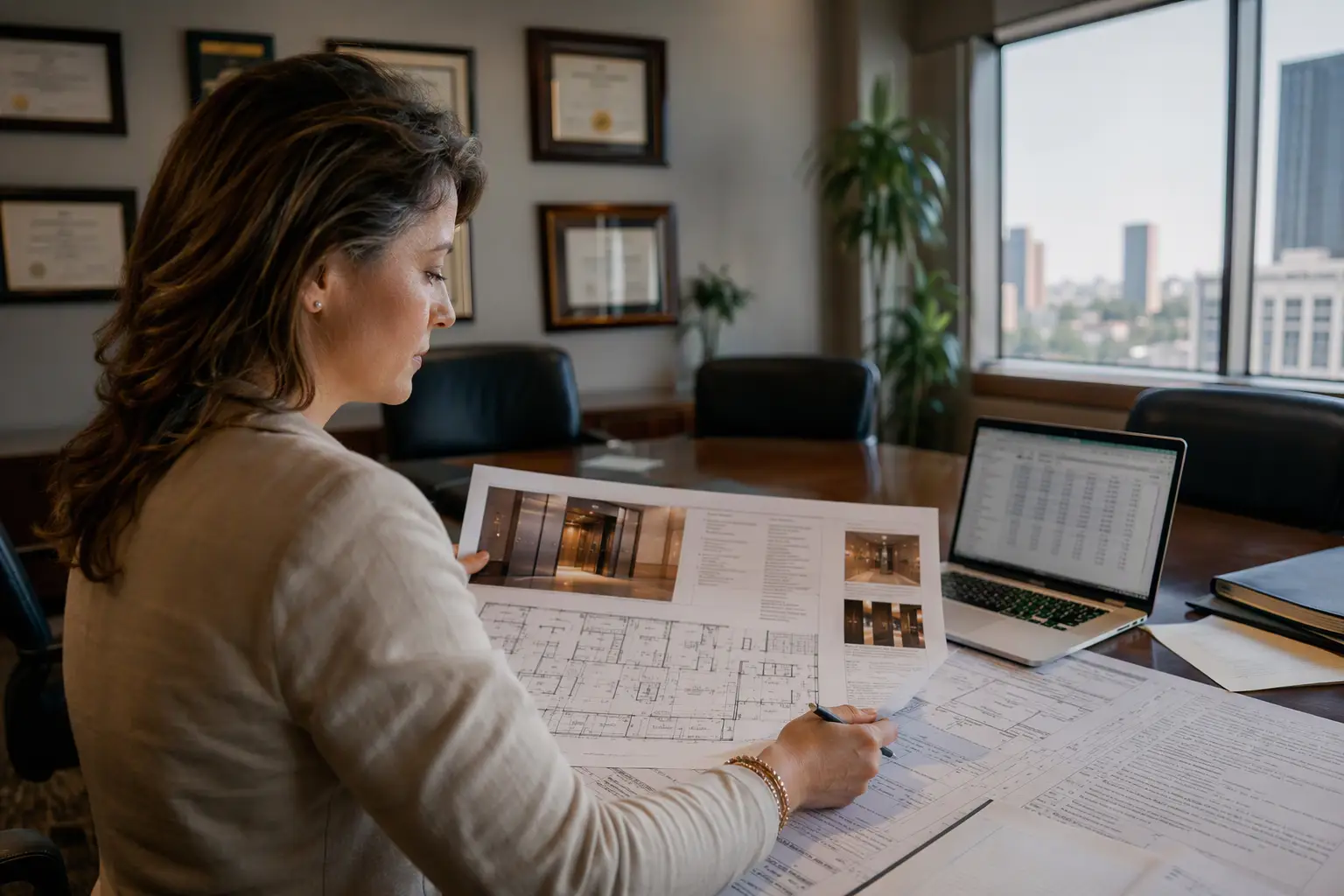
Several variables shape the final cost of any modernization project. Houston property owners should evaluate each of these when requesting bids:
- Number of elevators and stops: More landings mean more door equipment, wiring, and labor hours. A five-stop elevator costs less to modernize than a twelve-stop unit, all else being equal.
- Elevator type: Hydraulic elevators (common in low- to mid-rise buildings) and traction elevators (geared or gearless) have different component sets and modernization pathways, affecting both parts cost and labor.
- Equipment age and condition: Older equipment may require hoistway upgrades, new guide rails, or replacement of components that are no longer manufactured, driving up parts costs and lead times.
- Scope of work: Partial modernizations cost less upfront but may not address all pending compliance items. Full modernizations require greater initial investment but typically extend equipment life significantly.
- Code compliance requirements: Bringing an older elevator into compliance with the adopted edition of the ASME A17.1/CSA B44 Safety Code for Elevators and Escalators and local City of Houston requirements adds scope that varies by how far out of compliance the equipment currently is.
- Downtime and phasing: Buildings that cannot take an elevator fully offline may require phased work or after-hours scheduling, which affects labor costs.
- Supply chain and lead times: In 2026, lead times on certain controllers, drive components, and specialty parts remain a cost and scheduling consideration that affects project planning.
What Are Houston’s Regulatory Requirements for Elevator Modernization?
Houston is a critical local distinction for building owners to understand. The Texas Department of Licensing and Regulation (TDLR) administers the statewide elevator program under Texas Health and Safety Code Chapter 754 and 16 Texas Administrative Code Chapter 74 — but TDLR does not regulate elevators or escalators inside Houston city limits. The City of Houston runs its own elevator inspection and permitting program.
This means that for any modernization project in Houston, the contractor must be familiar with the City of Houston’s adopted code and inspection process, not TDLR’s statewide program. Property owners should confirm current permit, inspection, and approval requirements directly with the City of Houston before any modernization work begins.
Outside Houston — in areas of Texas where TDLR does have jurisdiction — the following requirements apply to modernization work:
- Only TDLR-registered elevator contractors may install, repair, alter, test, or maintain elevator equipment.
- Before installing or materially altering an elevator, the registered contractor must submit plans to TDLR and obtain approval.
- Texas building owners must obtain a TDLR Certificate of Compliance for each unit, valid for one year, and display it in a publicly visible area of the building.
- Annual inspections by a TDLR-registered elevator inspector are required; the building owner has the sole right to select the inspector.
- Texas requires a Category 5 full-load test every five years on electric traction elevators — a requirement that modernization planning must account for in scheduling and documentation.
- Texas elevator contractors must carry general liability insurance of at least $1,000,000 per occurrence for bodily injury or death and $500,000 per occurrence for property damage.
Regardless of jurisdiction, federal ADA and OSHA requirements apply to modernization scopes that affect public accessibility and worker safety.
How Long Does Elevator Modernization Take for a Mid-Rise Building?
Timeline depends on the scope of work, parts availability, permitting, and whether the building can take the elevator out of service entirely or requires phased work. Partial modernizations on a single elevator may be completed in a matter of days or weeks. Full system modernizations — particularly those involving new controls, drive systems, and cab work simultaneously — typically take longer and may span several weeks per elevator.
For a mid-rise building with multiple elevators, the sequencing of work is critical. Completing one elevator before starting the next maintains building access throughout the project. AmeriTex Elevator works with property managers and building owners to develop a modernization schedule that minimizes disruption to tenants and operations.
Permit approval timelines from the City of Houston or the applicable authority having jurisdiction (AHJ) should be factored into the overall project schedule from the outset.
How Should a Building Owner Evaluate Modernization Bids?
When comparing proposals for elevator modernization, a lower number does not necessarily represent better value. Building owners in Houston should evaluate bids on the following basis:
- Confirm contractor registration: Verify that the contractor is authorized to perform work under the City of Houston’s program and, where applicable, is registered with TDLR.
- Review scope in detail: Compare bids line by line. A lower bid may exclude components — such as door operators, safety devices, or cab work — that another bid includes. Ensure each proposal addresses the same scope.
- Assess compliance coverage: Ask each bidder to identify which code compliance items are addressed by the proposed scope and which, if any, would remain outstanding after modernization.
- Evaluate parts quality and sourcing: Ask whether the proposal uses OEM components, approved equivalents, or aftermarket parts, and what warranties apply to parts and labor.
- Check insurance documentation: Request current certificates of insurance before any work begins.
- Understand the permit and inspection process: Ask the contractor to explain how permits, inspections, and the Certificate of Compliance (or City of Houston equivalent) will be handled from start to finish.
- Consider post-modernization maintenance: Ask whether the contractor offers ongoing maintenance agreements, which affects long-term lifecycle cost and equipment reliability after modernization.
Does Elevator Modernization Affect Ongoing Maintenance Costs?
Modernization generally improves the reliability and serviceability of elevator equipment. Modern control systems provide diagnostic data that makes identifying and resolving issues faster. Updated components tend to have better parts availability and longer service intervals than aging equipment nearing end of life.
Property owners should factor ongoing maintenance costs into the total cost of ownership comparison between partial and full modernization. An elevator that has been partially modernized may still require frequent service calls on aging components that were not addressed, while a comprehensively modernized elevator typically carries lower ongoing maintenance costs over time.
AmeriTex Elevator provides maintenance programs designed to protect the investment made in modernization and keep equipment in compliance with applicable inspection and certificate requirements.
What Role Does ADA Compliance Play in Elevator Modernization?
The Americans with Disabilities Act establishes accessibility requirements that apply to elevators in public accommodations and commercial facilities. Modernization projects that involve alterations to cab interiors, controls, or door systems may trigger obligations to bring those elements into compliance with ADA Standards for Accessible Design.
Common ADA-related items addressed during modernization include control panel height and button specifications, Braille and raised character markings, audible and visual floor indicators, door reopening devices, and emergency communication systems. Building owners should discuss ADA compliance scope with their modernization contractor at the proposal stage — not after work is complete.
Why Do Houston Building Owners Choose AmeriTex Elevator for Modernization?
AmeriTex Elevator brings deep familiarity with the Houston market and the City of Houston’s local elevator program requirements. For building owners navigating the distinction between the City of Houston’s independent program and TDLR’s statewide jurisdiction, working with a contractor who understands that difference from the outset avoids permitting delays and compliance gaps.
AmeriTex Elevator serves mid-rise office buildings, multifamily apartment communities, mixed-use developments, and commercial properties throughout Houston. The team is available for emergency service needs and provides both modernization project management and ongoing maintenance support after project completion.
Whether a property owner is evaluating a controls-only upgrade or planning a full multi-elevator modernization, AmeriTex Elevator provides a detailed assessment of current equipment condition, compliance status, and modernization options before any work begins.
Schedule a Free Consultation
Ready to understand what elevator modernization will cost for your Houston mid-rise building? AmeriTex Elevator offers a free consultation to assess your equipment, outline the modernization scope that fits your building and budget, and explain the City of Houston permitting process from start to finish.
Call AmeriTex Elevator today: 866-679-4313
Our team is ready to help Houston property owners make informed modernization decisions in 2026 and beyond.
Need elevator service you can rely on? AmeriTex Elevator is ready to help.