Commercial Building Elevator Service Contracts for Healthcare Facilities
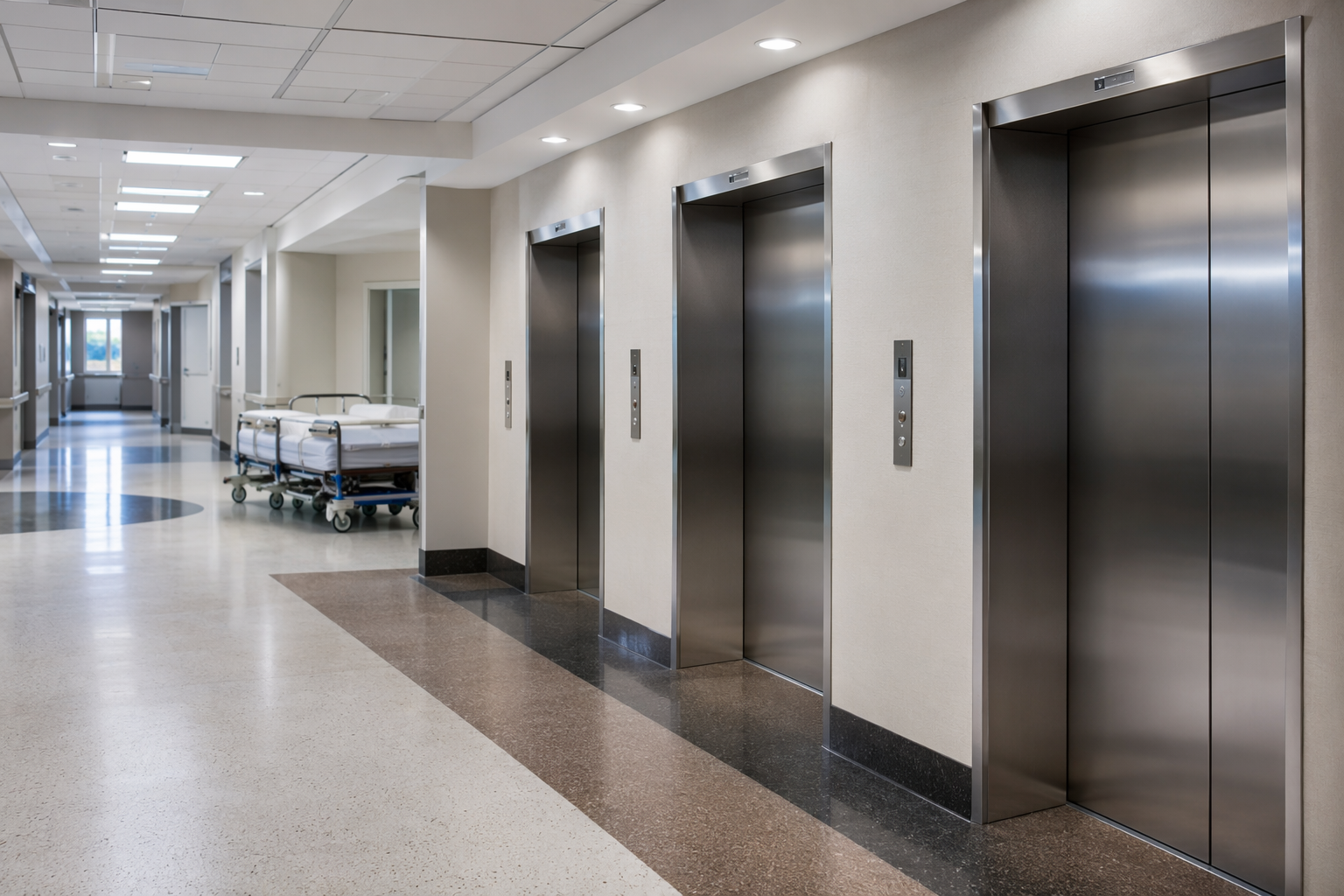
Healthcare facilities depend on elevators in ways that most commercial buildings do not. A delayed elevator in a hospital, surgical center, or long-term care community can directly affect patient outcomes. For facility managers in Houston, Dallas, Austin, San Antonio, Los Angeles, and San Diego, securing the right elevator service contract is not a budget line item — it is a patient safety and regulatory obligation.
This guide covers everything healthcare facility managers and administrators need to know when evaluating, negotiating, and maintaining a commercial elevator service contract, including compliance requirements, inspection protocols, and how to choose a qualified service provider.
What Does a Healthcare Elevator Service Contract Cover?
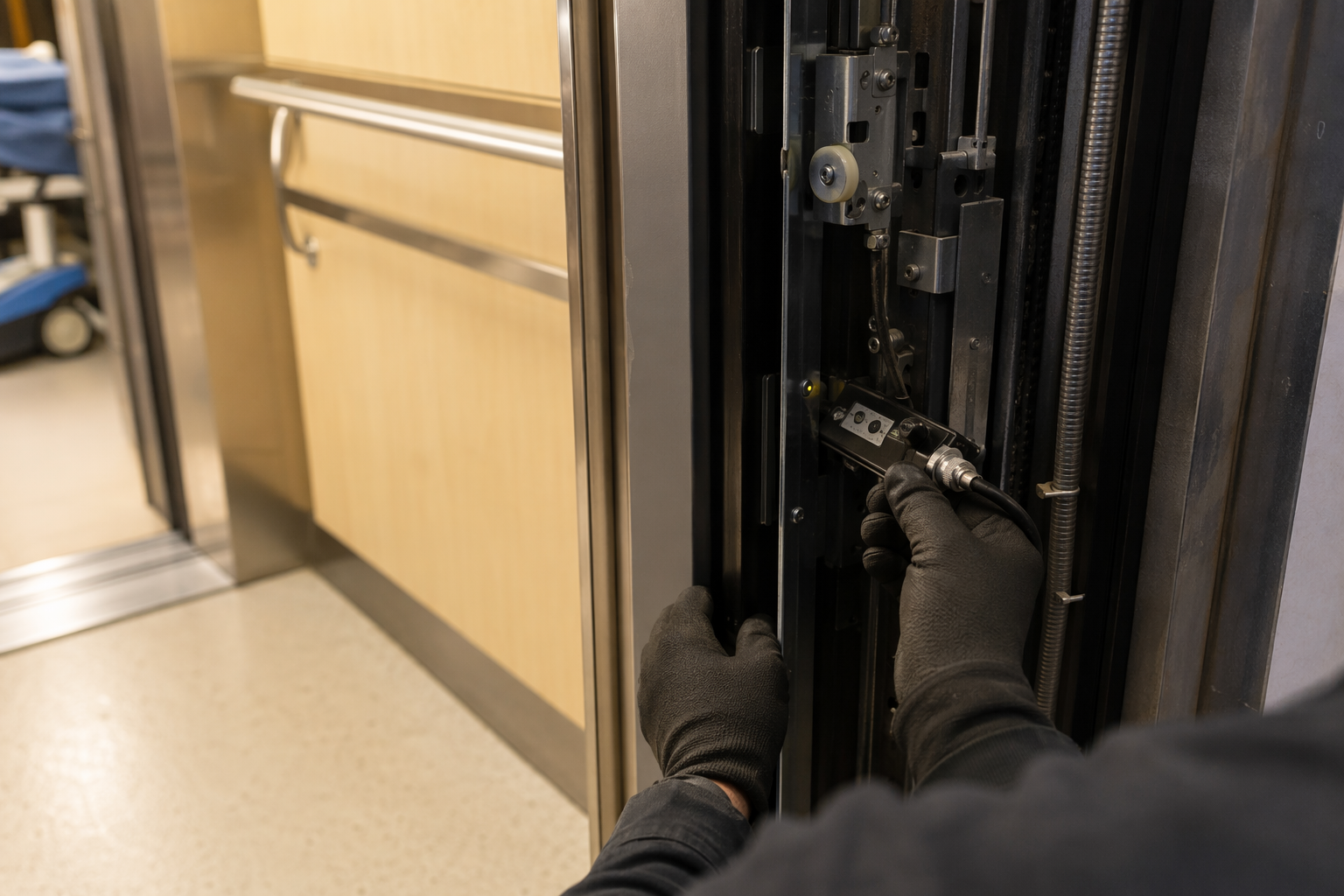
A comprehensive elevator service contract for a healthcare setting typically includes preventive maintenance visits, lubrication and adjustment of mechanical components, safety device testing, controller inspections, and emergency callback service. In a healthcare environment, the scope often expands to include:
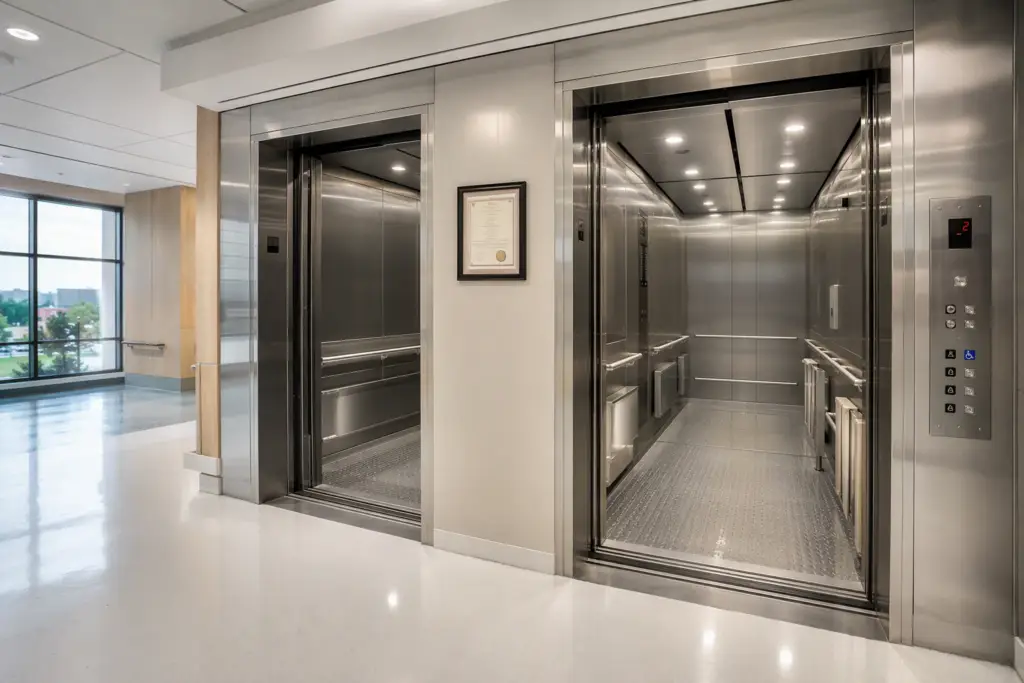
- Stretcher and bariatric elevator capacity verification
- Hospital-grade door timing and sensitivity adjustments to prevent injury to patients on gurneys or in wheelchairs
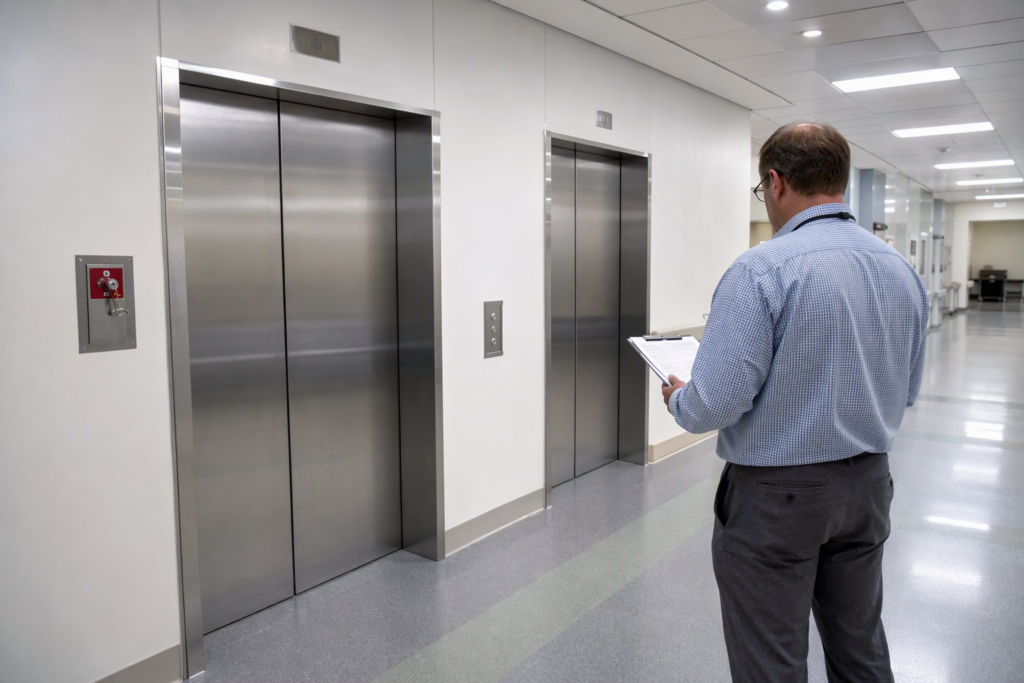
- Firefighter service and emergency power recall testing
- Hydraulic fluid leak inspections for environmentally sensitive areas
- Coordination with facility infection-control policies during maintenance visits
- Documentation packages formatted for Joint Commission and CMS surveys
AmeriTex Elevator structures service contracts around the specific operational demands of each healthcare client, accounting for elevator traffic patterns, equipment age, and the regulatory environment in each state where they operate.
What Compliance Codes Apply to Hospital and Healthcare Elevator Contracts?

Healthcare facility elevators are subject to a layered compliance framework. Understanding each layer helps facility managers avoid deficiencies during accreditation surveys and state inspections.
ASME A17.1 Safety Code for Elevators and Escalators
The ASME A17.1 Safety Code for Elevators and Escalators is the foundational standard governing elevator design, installation, operation, and maintenance across the United States and Canada. The 2019 edition (with subsequent revisions adopted into state codes through 2026) defines inspection intervals, safety device requirements, and maintenance record obligations. Healthcare facility elevators must meet all applicable ASME A17.1 requirements as a baseline.
Americans with Disabilities Act (ADA)
The Americans with Disabilities Act (ADA) mandates accessible vertical transportation in healthcare facilities, including minimum cab dimensions, door-open timing, control button height and Braille labeling, and audible floor announcements. Patient populations in healthcare settings frequently include individuals with mobility impairments, making ADA compliance both a legal requirement and a direct patient care concern.
State and Local Jurisdiction Requirements
Texas and California each operate their own elevator inspection and permitting programs. In Texas, the Texas Department of Insurance (TDI) regulates elevator safety; facilities in Houston, Dallas, Austin, and San Antonio must hold current certificates of inspection. In California, the Division of Occupational Safety and Health (Cal/OSHA) administers the Elevator, Escalator, and Chair Lift Safety program, covering facilities in Los Angeles and San Diego. An elevator service contract for a healthcare facility must account for these jurisdiction-specific inspection schedules and permit renewal timelines.
Joint Commission and CMS Environment of Care Standards
Healthcare facilities seeking Joint Commission accreditation or participating in Medicare and Medicaid programs under the Centers for Medicare & Medicaid Services (CMS) must demonstrate that vertical transportation equipment is maintained under a documented preventive maintenance program. Surveyors routinely request maintenance logs, inspection certificates, and deficiency correction records. A properly structured service contract generates the documentation trail these surveys require.
OSHA General Duty Clause
Under the OSHA General Duty Clause, healthcare employers are responsible for providing a workplace free from recognized hazards. Elevator mechanical failures that create hazards for staff, patients, or visitors fall within this obligation, reinforcing the need for a proactive maintenance contract rather than reactive repair-only arrangements.
Why Is Elevator Maintenance More Critical in Healthcare Than in Other Commercial Buildings?
In a standard office building, an elevator outage is an inconvenience. In a hospital or skilled nursing facility, the same outage can interrupt medication delivery, delay a surgical case, or strand a patient mid-transfer. Healthcare facility elevators also operate at significantly higher duty cycles than typical commercial elevators, accelerating wear on doors, cables, and control systems.
Infection control adds another dimension. Maintenance technicians entering patient care floors must follow facility protocols, and work scheduling must minimize disruption to clinical operations. AmeriTex Elevator coordinates maintenance scheduling with healthcare facility management teams to reduce impact on patient care areas.
What Types of Elevators Are Found in Healthcare Facilities?
- Traction elevators: Common in mid-rise and high-rise hospitals; require regular rope and sheave inspection
- Hydraulic elevators: Found in lower-rise medical office buildings and outpatient clinics; require hydraulic fluid system maintenance and leak monitoring
- Stretcher elevators: Oversized cabs designed for gurney transport; door timing and threshold gaps require precise calibration
- Service/freight elevators: Used for supply chain, linen, and waste transport; subject to same ASME A17.1 requirements
- Dumbwaiters and material lifts: Common in pharmacy and nutrition services areas; often overlooked but still regulated
How Should a Healthcare Facility Evaluate Elevator Service Contract Vendors?
Selecting an elevator service contractor for a healthcare environment requires criteria beyond price. Facility managers should assess:
- Familiarity with healthcare-specific regulatory documentation requirements — can the vendor provide logs formatted for Joint Commission surveys?
- Experience with the specific elevator makes and models installed — proprietary systems may require manufacturer-trained or authorized technicians
- Infection control protocol compliance — does the vendor have a written policy for entering patient care areas?
- Geographic coverage — does the contractor service all campuses in your health system’s portfolio across Texas or California?
- Contract scope clarity — are entrapment response, callback visits, and parts clearly defined as included or excluded?
- References from comparable healthcare clients — hospitals, surgical centers, or long-term care facilities in the same market
AmeriTex Elevator serves healthcare clients across Houston, Dallas, Austin, San Antonio, Los Angeles, and San Diego, providing service contracts that are structured to meet the documentation and compliance expectations of accredited healthcare environments.
What Should a Healthcare Elevator Service Contract Include That Standard Contracts May Not?
- Infection control work procedure acknowledgment and compliance documentation
- Priority response classifications for patient transport elevators versus non-clinical units
- Maintenance log formats compatible with Joint Commission Environment of Care binders
- Coordination protocols with facility engineering departments for after-hours work on clinical floors
- Hydraulic fluid containment procedures for units near sterile or food service areas
- Annual testing documentation for emergency lowering devices, firefighter service, and Phase I/Phase II emergency operations
What Is the Difference Between Full-Service and Parts-and-Labor Elevator Contracts?
Full-service (also called comprehensive or full-maintenance) contracts cover preventive maintenance, callbacks, labor, and most or all parts within the contract scope. Parts-and-labor contracts cover labor for scheduled maintenance but may require separate purchase orders for parts. Oil-and-grease or lubrication-only contracts cover the minimum and leave most repair costs as additional billing.
For healthcare facilities, full-service contracts are generally the most appropriate structure because they create predictable maintenance budgets, incentivize the contractor to prevent failures before they occur, and reduce administrative friction when repairs are needed. Understanding what the contract explicitly excludes — such as modernization components, cab interiors, or proprietary parts — is equally important.
How Often Should Healthcare Facility Elevators Be Inspected and Maintained?
Under the ASME A17.1 Safety Code for Elevators and Escalators, periodic inspections and tests are required at defined intervals depending on elevator type and jurisdiction. State authorities in Texas and California set their own inspection frequency schedules, which generally align with or exceed ASME minimums. Beyond mandatory inspections, preventive maintenance visit frequency under a service contract should reflect the duty cycle of the specific units — a hospital elevator serving high-volume patient transport floors warrants more frequent maintenance visits than a low-traffic medical office building elevator.
Questions Your Inspector Will Ask
When a state elevator inspector, Joint Commission surveyor, or CMS reviewer evaluates your healthcare facility’s vertical transportation program, they typically focus on the following areas. Facility managers should be prepared to produce documentation for each:
- Current certificate of inspection: Is the elevator’s inspection certificate valid and posted in or near the cab as required by state law?
- Maintenance log continuity: Are maintenance visit records complete, dated, and signed by the performing technician?
- Deficiency correction documentation: Were items noted on the last inspection report corrected within the required timeframe, and is that correction documented?
- Emergency recall and firefighter service test records: Has Phase I and Phase II emergency operation been tested and documented within the required interval?
- Entrapment response procedure: Does the facility have a written procedure for passenger entrapment, and is staff trained on it?
- Contract scope on file: Can the facility produce the current elevator service contract and identify the responsible service company?
- Safety device test records: Are annual or periodic safety device tests — including governor, safeties, and buffers — documented?
- Hydraulic unit environmental compliance (where applicable): Is there documentation of hydraulic fluid containment and leak monitoring?
What Should Healthcare Facilities Do When an Elevator Fails or Traps a Passenger?
- Contact building security and the facility engineering team immediately.
- Maintain voice or intercom communication with any trapped passengers to ensure their safety and calmness.
- Do not attempt to open elevator doors manually or extract passengers without qualified elevator technicians present.
- Contact your elevator service contractor’s emergency line and provide the elevator unit number, location, and nature of the entrapment.
- Post signage at all affected floors indicating the elevator is out of service and directing traffic to alternative units.
- Activate your facility’s patient transport contingency plan if patient care elevators are affected.
- Document the incident, response timeline, and resolution for your maintenance records and any required incident reporting.
- Request a written service report from the technician identifying the cause and corrective action taken before returning the elevator to service.
Does Elevator Service Contract Coverage Differ Between Texas and California Healthcare Markets?
Yes. Texas healthcare facilities in Houston, Dallas, Austin, and San Antonio operate under Texas Department of Insurance jurisdiction for elevator permits and inspections, with specific renewal timelines and inspection authority requirements. California healthcare facilities in Los Angeles and San Diego fall under Cal/OSHA’s elevator safety program, which has its own inspection intervals, qualified inspector designations, and permit posting requirements. A service contractor operating across both states must maintain compliance knowledge for each regulatory environment. AmeriTex Elevator operates across both Texas and California markets, providing healthcare clients with service contracts that reflect the specific requirements of each jurisdiction.
How Can a Healthcare System Standardize Elevator Service Across Multiple Campuses?
Health systems managing multiple facilities benefit from a master service agreement that standardizes preventive maintenance schedules, documentation formats, escalation protocols, and billing across all campuses. A single contract also simplifies vendor qualification processes for supply chain teams and creates a consistent documentation record for system-wide Joint Commission surveys. AmeriTex Elevator works with multi-site healthcare clients across Texas and California to develop structured service programs that address the equipment and regulatory variations across each campus.
What Is the Cost Structure of a Healthcare Elevator Service Contract?
Elevator service contract pricing in healthcare settings depends on factors including the number of units, elevator type and age, the level of coverage (full-service versus parts-and-labor), visit frequency, and geographic market. Healthcare-specific requirements — such as infection control coordination, expanded documentation, and priority response structuring — are factors that affect contract scope and pricing. Facility managers should request itemized proposals that make the scope of inclusions and exclusions explicit, and should compare vendors on total cost of compliance rather than base contract price alone.
Contact AmeriTex Elevator for a Free Elevator Assessment
Healthcare facilities in Houston, Dallas, Austin, San Antonio, Los Angeles, and San Diego rely on properly maintained vertical transportation to support patient care, meet regulatory obligations, and protect staff and visitors. A well-structured commercial building elevator service contract is the foundation of that maintenance program.
Contact AmeriTex Elevator for a free elevator assessment and learn how a customized healthcare service contract can address your facility’s compliance requirements, documentation needs, and operational demands.
Call AmeriTex Elevator: 866-679-4313
Need elevator service you can rely on? AmeriTex Elevator is ready to help.