Elevator Service in Houston, TX | AmeriTex Elevator
AmeriTex Elevator provides certified elevator inspection, maintenance, modernization, and repair services throughout Houston, TX and the surrounding Greater Houston area. For building owners, facility managers, and property developers navigating elevator compliance, understanding the ASME A17.1 code is essential to keeping equipment safe, legal, and operational in 2026.
What Is ASME A17.1 and Why Does It Matter for Houston Buildings?
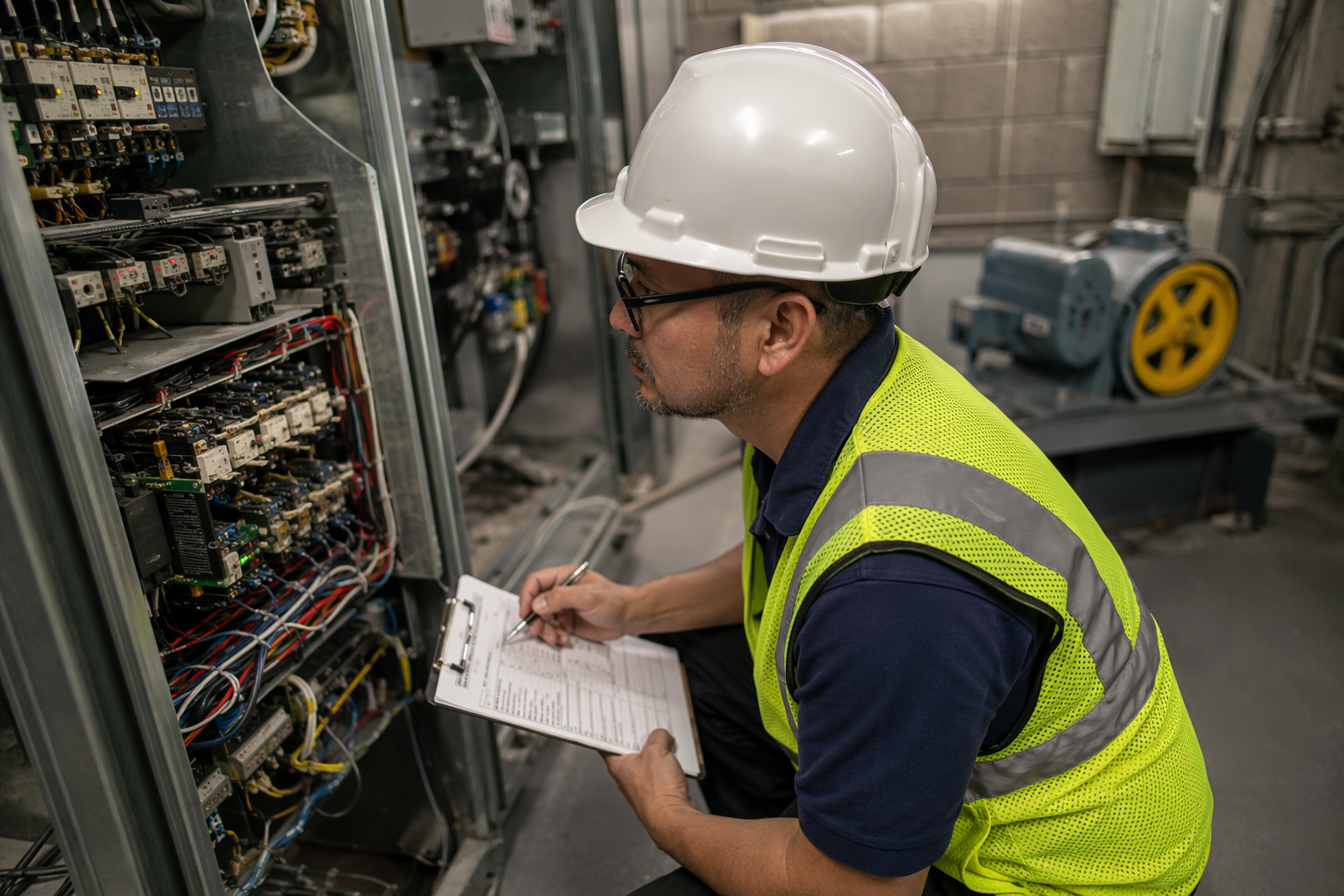
The ASME A17.1 Safety Code for Elevators and Escalators is the primary model code developed by the American Society of Mechanical Engineers (ASME) that establishes minimum safety requirements for elevator construction, installation, operation, inspection, testing, and maintenance throughout the United States and Canada.
In Texas, the Texas Department of Insurance (TDI) Elevator Safety Program enforces elevator safety standards statewide. Texas adopts ASME A17.1 as the basis for its regulatory framework, meaning that every elevator operating in Houston must meet the requirements set out in this code. Compliance is not optional — operating a non-compliant elevator in Texas can result in mandatory shutdown orders, fines, and significant liability exposure for building owners.
The code is updated on a regular publication cycle by ASME, and staying current with the applicable edition is part of responsible elevator ownership. AmeriTex Elevator monitors code updates to keep Houston clients aligned with both state requirements and best industry practice.
Which Elevator Types Does ASME A17.1 Cover?
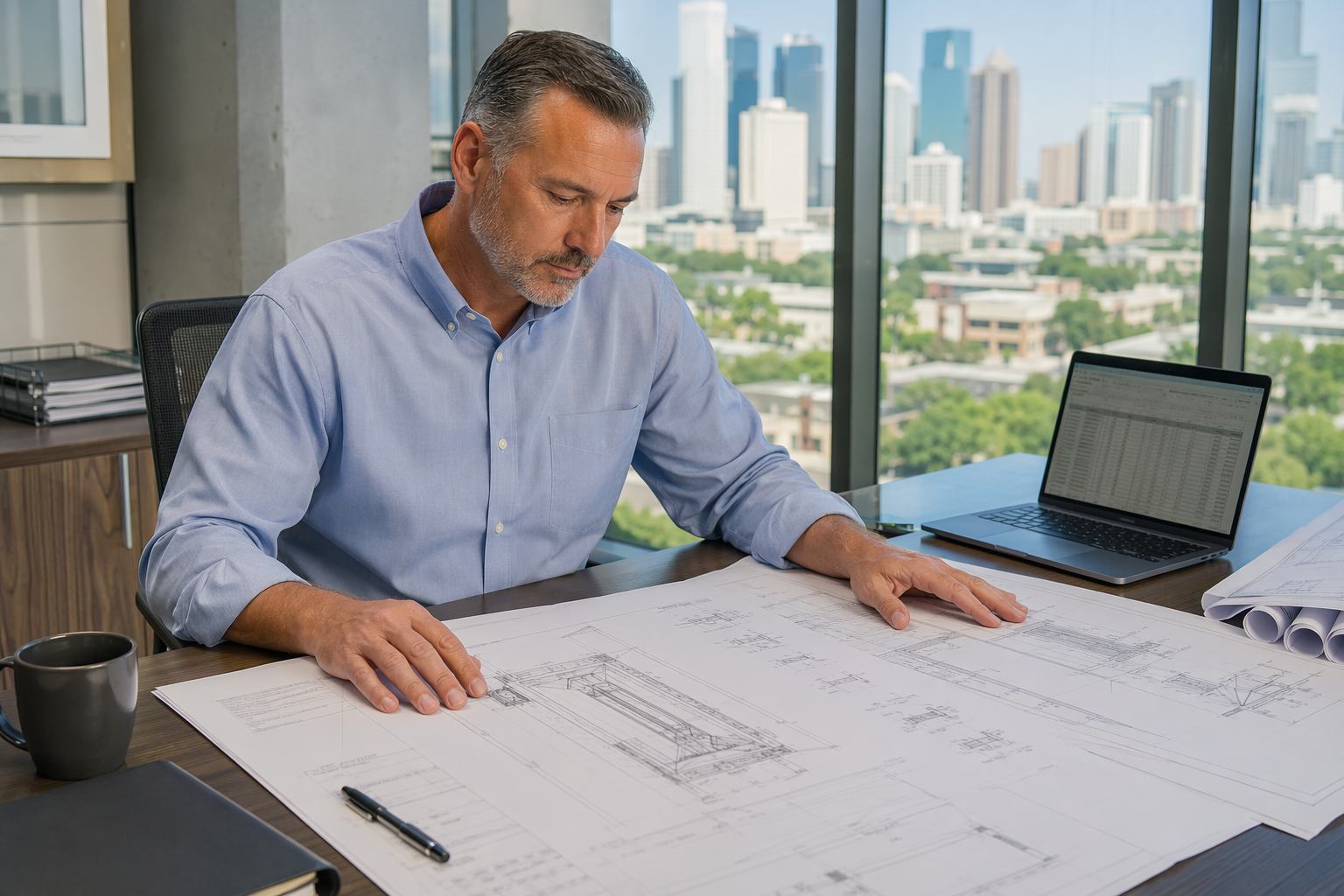
The ASME A17.1 Safety Code for Elevators and Escalators covers a broad range of conveyance equipment, including:
- Electric traction elevators (passenger and freight)
- Hydraulic elevators
- Escalators and moving walks
- Dumbwaiters
- Material lifts and platform lifts
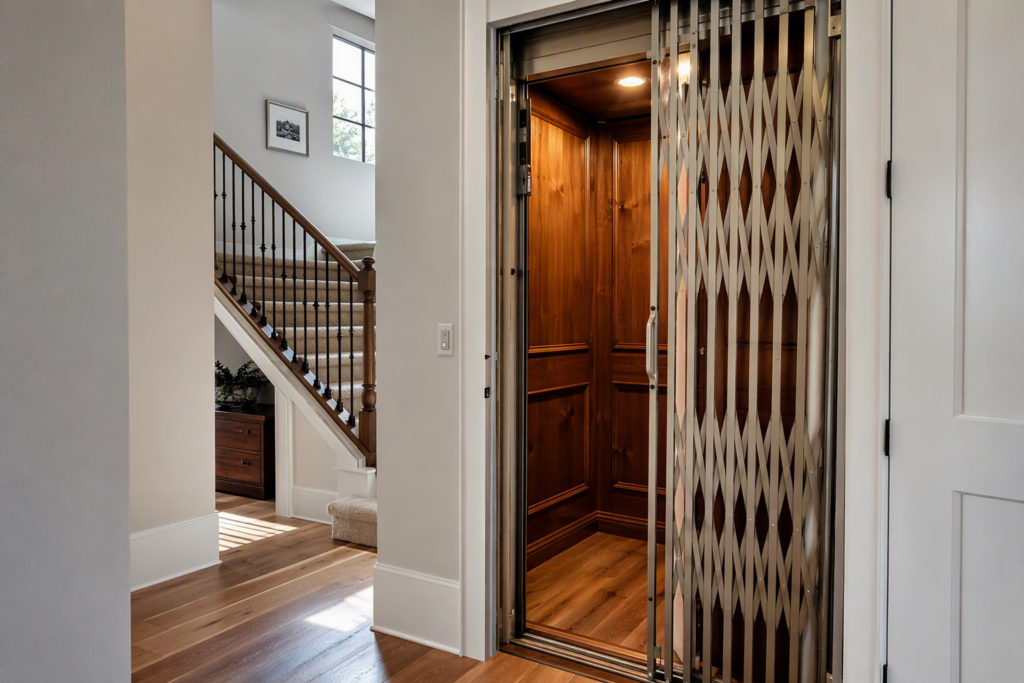
- Private residence elevators
- Inclined elevators and stairway chairlifts (covered under companion standards)
Houston’s commercial real estate market includes high-rise office towers, mixed-use developments, medical facilities, retail centers, multifamily residential buildings, and industrial properties — each of which may contain one or more of these equipment categories. ASME A17.1 applies across all of them.
What Are the Key ASME A17.1 Requirements Building Owners Must Understand?
The code is comprehensive, but the following areas are particularly relevant to Houston building owners and facility managers:
- Design and Installation Standards: New elevator installations must be designed and constructed to meet ASME A17.1 specifications covering car dimensions, door systems, safeties, buffers, and machine room requirements (or machine-room-less configurations).
- Periodic Inspection and Testing: Texas requires regular inspections by a licensed elevator inspector. ASME A17.1 defines the categories of tests — including annual, five-year, and other periodic tests — that must be performed and documented.
- Maintenance Requirements: The code mandates that a written maintenance control program be established and followed for every elevator, covering lubrication, adjustments, cleaning, repair, and replacement of worn components.
- Firefighters’ Emergency Operation: Elevators in buildings with fire recall requirements must comply with Phase I and Phase II firefighters’ emergency operation provisions outlined in the code.
- Accessibility Provisions: ASME A17.1 works in conjunction with ADA (Americans with Disabilities Act) requirements for accessible elevator design, ensuring that elevator dimensions, controls, and door timing meet accessibility standards.
- Seismic Requirements: For applicable installations, the code addresses seismic design considerations relevant to equipment resilience.
How Does Texas State Law Interact With ASME A17.1?
Texas enforces elevator safety through the Texas Department of Insurance Elevator Safety Program, which adopts ASME A17.1 as the controlling technical standard. Under Texas law, elevators must be registered with TDI, inspected by a licensed elevator inspector on the required schedule, and maintained in compliance with the adopted code edition.
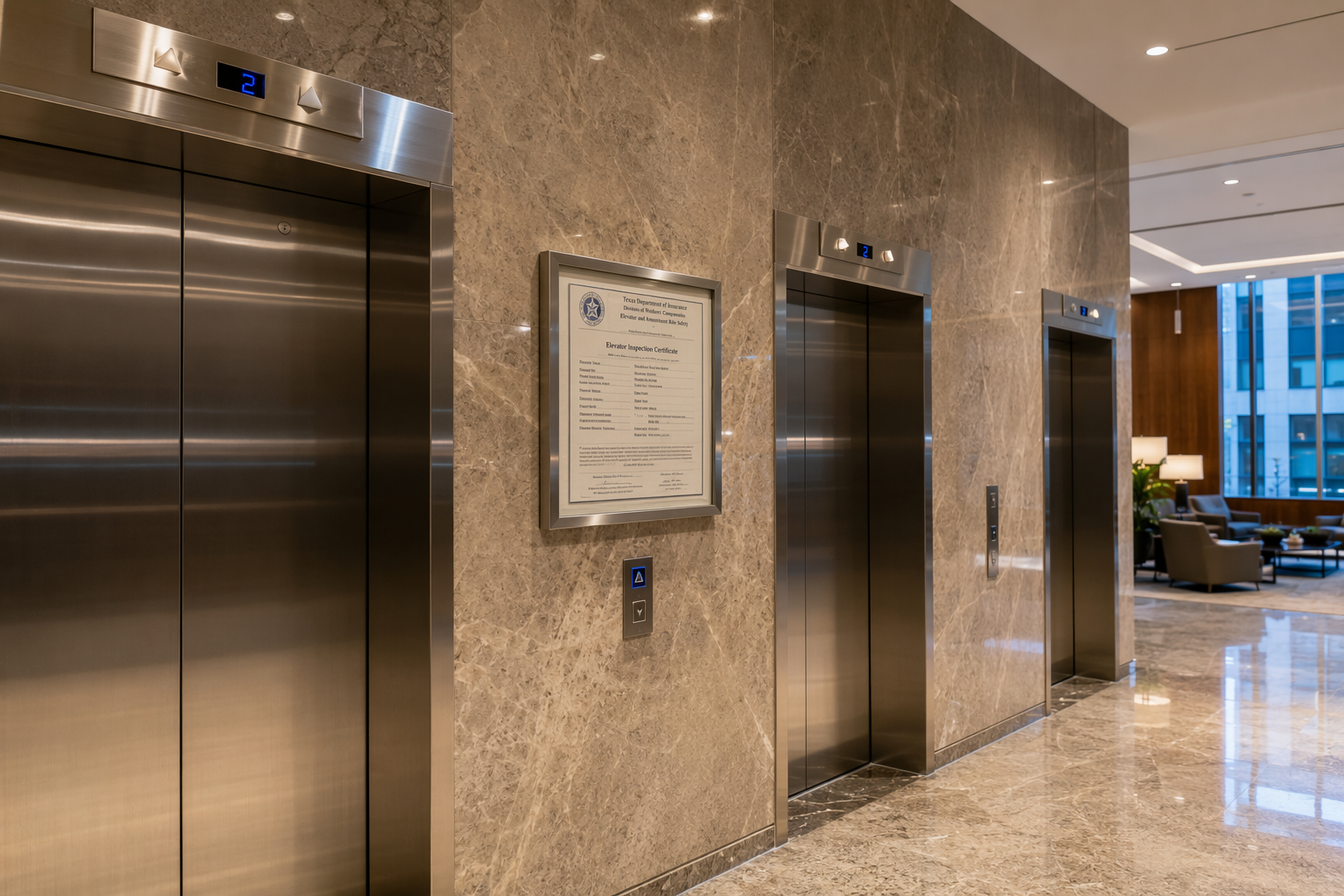
Houston building owners must retain inspection certificates and make them available on request. Elevators that fail inspection may be placed out of service until repairs are completed and re-inspection is passed. Violations can also carry civil liability implications if equipment incidents occur on non-compliant equipment.
AmeriTex Elevator works with Houston property owners and facility managers to coordinate inspections, prepare equipment for compliance testing, and document maintenance activities in alignment with Texas regulatory requirements.
What Is the Elevator Inspection Process Under ASME A17.1 in Houston?
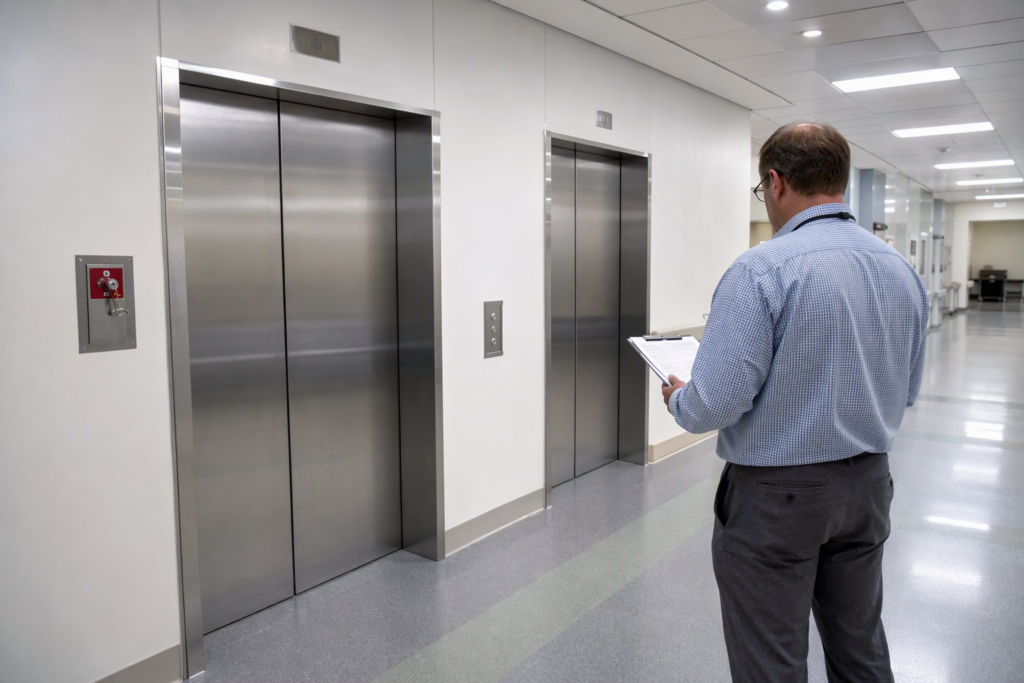
Understanding the standard inspection process helps building owners prepare and avoid costly surprises. Here is a typical sequence for a compliant elevator inspection in Houston:
- Schedule with a licensed inspector. Texas requires inspections to be performed by a licensed elevator inspector — either a state inspector or a licensed third-party inspector. Confirm licensing before engaging any inspector.
- Prepare documentation. Gather the elevator’s maintenance logbook, previous inspection certificates, test records, and any recent repair documentation.
- Perform required tests. Depending on the inspection category, tests may include safety device activation, governor and buffer tests, brake tests, door force tests, and more — all defined under ASME A17.1.
- Address deficiencies. If the inspector identifies items that do not meet code, a deficiency report is issued. Non-critical deficiencies may allow continued operation with a corrective timeline; safety-critical deficiencies may result in immediate shutdown.
- Complete repairs. A qualified elevator contractor performs the necessary repairs or adjustments. In Texas, elevator work must be performed by licensed elevator mechanics.
- Re-inspection and certificate issuance. Once deficiencies are resolved, re-inspection confirms compliance and a new certificate of operation is issued.
- Post the certificate. Texas law requires the current operating certificate to be posted inside the elevator car.
How Does ASME A17.1 Affect Elevator Modernization Projects?
When an elevator is modernized — meaning significant components such as the controller, machine, drive, or door operator are replaced — the modernized components and their interface with existing equipment must comply with the edition of ASME A17.1 that was in force at the time of modernization.
This has practical implications for Houston building owners considering modernization. A partial upgrade may trigger broader compliance requirements if the work is extensive enough to be classified as an alteration under the code. AmeriTex Elevator evaluates each project to clarify which code provisions apply before work begins, helping clients avoid unexpected scope expansion or compliance gaps.
Modernization is also an opportunity to bring older equipment closer to current code, improve energy efficiency, enhance ride quality, and extend equipment service life — all priorities for Houston’s competitive commercial real estate market.
Does ASME A17.1 Address Elevator Safety Emergencies?
Yes. The code includes provisions specifically designed to protect passengers and emergency responders in the event of fire, power failure, or equipment malfunction. Key provisions include:
- Emergency lighting and communication: Elevator cars must be equipped with emergency lighting and a means of two-way communication to allow passengers to summon help during an entrapment.
- Emergency power operation: Buildings with emergency power systems may be required to include elevator recall or limited emergency operation capabilities.
- Firefighters’ emergency operation (Phase I and Phase II): Elevators in applicable buildings must automatically recall to a designated floor upon smoke or fire alarm activation (Phase I) and allow firefighters to manually operate individual cars (Phase II).
- Standby power: Provisions address how elevators behave during loss of primary power.
AmeriTex Elevator supports Houston building owners in maintaining all emergency operation systems in working order and verifying their function as part of scheduled maintenance and inspection preparation.
What Markets Does AmeriTex Elevator Serve in the Houston Area?
AmeriTex Elevator serves a broad cross-section of the Houston metropolitan area, providing elevator inspection, maintenance, repair, and modernization services to clients in markets including:
- Downtown Houston and the Houston CBD
- The Texas Medical Center
- Midtown, Montrose, and the Inner Loop
- The Galleria and Uptown Houston
- Energy Corridor and Westchase
- Greenway Plaza and Upper Kirby
- The Woodlands, Sugar Land, Katy, and Pearland
- Clear Lake, Pasadena, and Southeast Houston
- North Houston, Spring, and Humble
Property types served include office buildings, multifamily residential, hotels, healthcare facilities, educational institutions, government buildings, retail centers, and industrial facilities throughout the Greater Houston region.
How Can Building Owners Stay Ahead of ASME A17.1 Compliance?
Proactive compliance management is far less disruptive and costly than reactive repairs triggered by failed inspections or equipment incidents. Building owners and facility managers in Houston are well served by establishing a relationship with a qualified elevator service provider that understands both the technical requirements of ASME A17.1 and the specific regulatory environment in Texas.
Recommended practices include maintaining a current written maintenance control program as required by the code, keeping complete and organized maintenance records, scheduling inspections well in advance of certificate expiration, and addressing deficiencies promptly rather than allowing them to accumulate.
AmeriTex Elevator is available to assist Houston property owners in auditing their current compliance posture, developing maintenance programs aligned with ASME A17.1, and coordinating inspection and repair work to keep elevator equipment operating safely and legally.
Schedule a Free Consultation with AmeriTex Elevator today. Contact the team to discuss your Houston elevator compliance, maintenance, modernization, or inspection needs.
Call AmeriTex Elevator: 866-679-4313
Need elevator service you can rely on? AmeriTex Elevator is ready to help.