How to Pass Elevator Inspection: A Complete Compliance Guide

Elevator inspections are a legal and safety requirement for virtually every commercial, residential, and institutional building in the United States. Failing an inspection can result in an elevator being taken out of service, exposing building owners to liability, lost productivity, and costly emergency repairs. This guide breaks down exactly what inspectors look for, how to prepare, and how data-driven maintenance practices help buildings pass the first time.
What Governs Elevator Inspections in the United States?
Elevator inspections in the United States are governed primarily by the ASME A17.1 Safety Code for Elevators and Escalators, which is developed by the American Society of Mechanical Engineers and updated on a regular cycle. Most states and municipalities adopt ASME A17.1 — either in its current edition or a prior edition — as the basis for their local elevator code. Some jurisdictions supplement ASME A17.1 with their own amendments, so the applicable edition and any local modifications vary by location.
Accessibility requirements for elevator cabs, controls, and door timing are also shaped by the Americans with Disabilities Act (ADA), which applies to most public-facing buildings. Workplace safety obligations related to elevator machine rooms, hoistways, and pit access fall under OSHA standards. A building that passes its state elevator inspection but violates ADA or OSHA requirements is still out of compliance.
What Are the Most Common Reasons Elevators Fail Inspection?
Inspectors evaluate dozens of components during a standard annual inspection. While specific failure rates vary by jurisdiction and are not uniformly published, elevator industry professionals consistently identify the following as the most frequent sources of citations and failed inspections:
- Expired or missing Certificate of Operation: Operating an elevator without a current, posted certificate is an automatic violation in virtually every jurisdiction.
- Safety device deficiencies: This includes governor and safeties that fail the annual trip test, worn or improperly adjusted buffers, and malfunctioning overspeed devices.
- Door and gate equipment failures: Faulty door reopening devices, excessive door closing force, and worn door gibs or tracks are among the most cited issues.
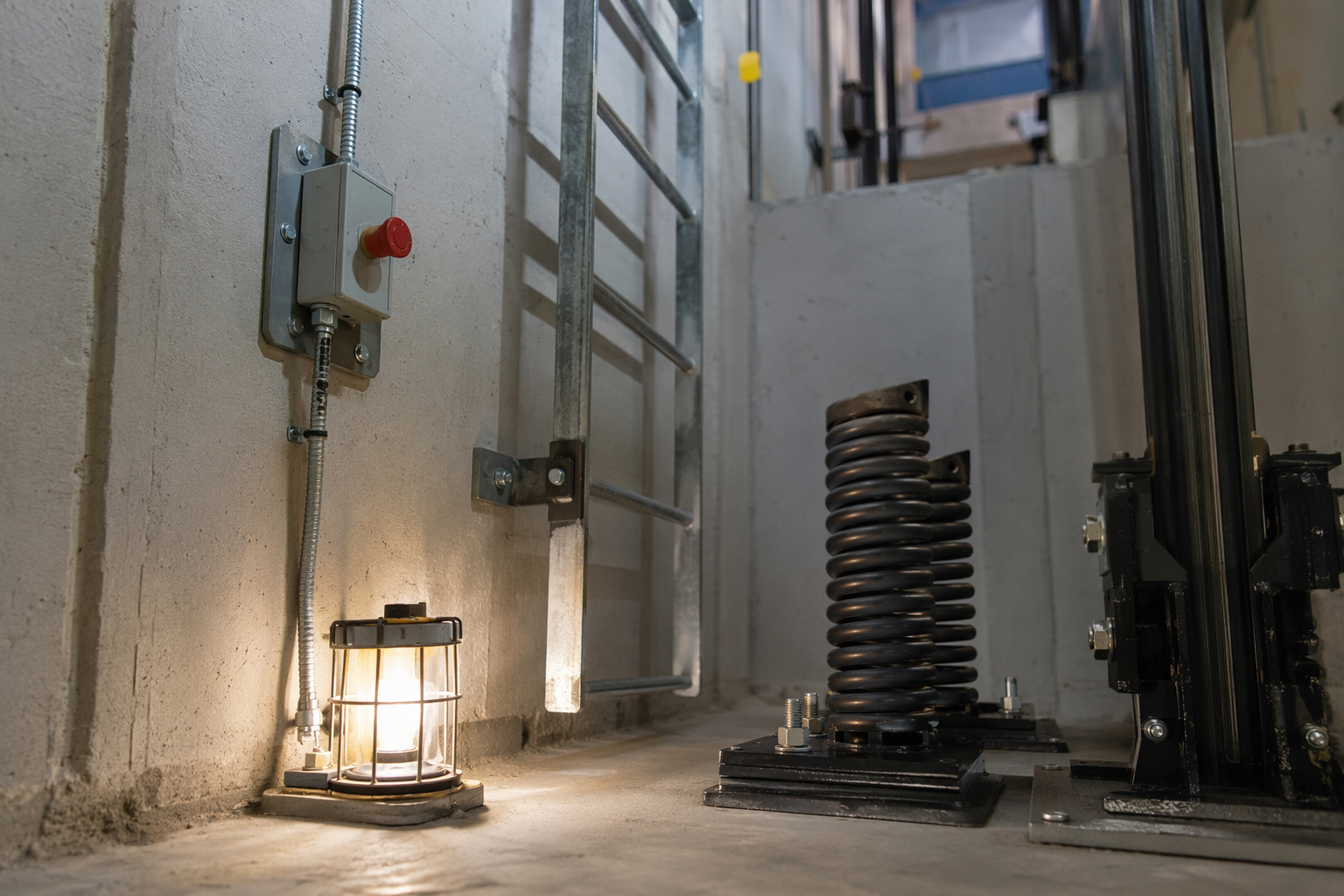
- Pit conditions: Water intrusion, inadequate lighting, missing or non-functional pit ladder, and improperly maintained stop switches frequently generate citations.
- Machine room violations: Improper clearances, non-compliant lighting, storage of unrelated materials, and missing or inaccessible disconnects are common findings.
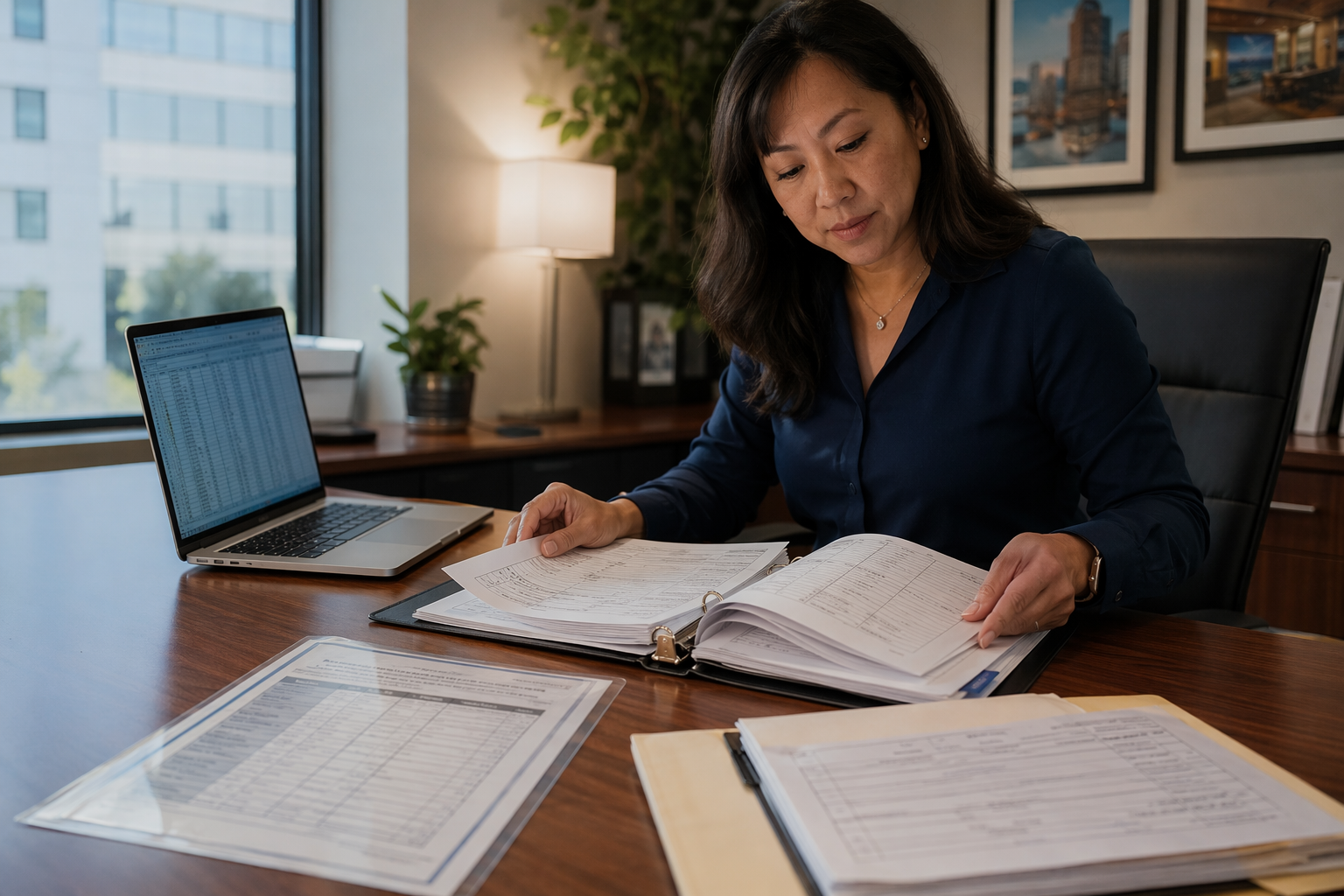
- Incomplete maintenance records: Many jurisdictions require inspectors to review maintenance logs. Missing or inconsistent records signal neglect and may result in a failed inspection even when the equipment itself is in good condition.
- ADA non-compliance: Inoperative Braille markings, non-compliant door dwell times, and missing audible signals can trigger citations tied to accessibility standards.
- Outdated or worn ropes and cables: Hoist ropes and governor ropes that do not meet the wire count and diameter requirements of the ASME A17.1 Safety Code are a safety-critical failure point.
How Do You Prepare for an Elevator Inspection? (Step-by-Step)
Preparation is the single most reliable factor in passing an elevator inspection on the first attempt. The following protocol reflects standard industry best practice for pre-inspection readiness.
- Confirm your inspection schedule and applicable code edition. Contact your state or local elevator inspection authority to verify the inspection date, the edition of ASME A17.1 in force in your jurisdiction, and any local amendments that apply.
- Pull and review all maintenance records. Gather your maintenance logbook, previous inspection certificates, and any work orders from the past 12 months. Inspectors frequently review these documents as part of the inspection process.
- Schedule a pre-inspection audit with a qualified elevator service provider. A professional audit — sometimes called a “mock inspection” — should be completed at least 30 to 60 days before the official inspection date so there is time to address findings.
- Test all safety devices. This includes the governor and safeties, car and counterweight buffers, emergency lighting, emergency communication system, and all door protective devices.
- Inspect the pit. Confirm the pit is dry, clean, and free of stored materials. Verify the pit lighting, stop switch, and ladder (if required by your jurisdiction’s code) are all functional and compliant.
- Inspect the machine room. Remove any non-elevator-related storage. Confirm lighting meets code requirements, the disconnect is accessible, and the temperature is within the range required by the applicable code edition.
- Verify door operation. Test door opening and closing speeds, reopening device sensitivity, and door closing force. Under the ASME A17.1 Safety Code for Elevators and Escalators, door closing force limits are specifically defined and are a common inspection checkpoint.
- Check ADA compliance items. Confirm Braille and raised characters on all cab controls, door dwell times, audible and visual signals, and car leveling accuracy per ADA standards.
- Ensure the current Certificate of Operation is posted in the elevator cab. If the certificate has expired or is missing, resolve this with your inspection authority before the inspection date.
- Address all outstanding deficiencies in writing. Document every corrective action taken, with dates and the name of the servicing company. This paper trail demonstrates a proactive maintenance posture to the inspector.
How Often Are Elevators Inspected?
Inspection frequency is set by state and local law and varies by jurisdiction. Under the ASME A17.1 Safety Code for Elevators and Escalators, routine inspections and periodic tests are categorized and scheduled based on elevator type and use. Most jurisdictions require a full periodic inspection at least annually, with certain safety tests — such as the governor and safety test and the pressure relief test for hydraulic elevators — required on a less frequent cycle that is specified in the applicable code edition.
New installations typically undergo a more comprehensive acceptance inspection before they are placed in service. Modernized elevators may require a partial acceptance inspection covering the scope of work completed. Building owners should confirm the exact inspection cycle and test schedule with their state elevator authority, as requirements differ meaningfully from state to state.
What Happens If an Elevator Fails Inspection?
When an inspector identifies a violation, the outcome depends on the severity of the deficiency and the jurisdiction’s enforcement framework. Inspectors generally categorize violations as either immediately hazardous or non-immediately hazardous.
An immediately hazardous violation — such as a failed safety device or a non-functional door reopening system — typically results in the elevator being tagged out of service on the spot. The elevator cannot legally operate until the deficiency is corrected and a follow-up inspection or sign-off from the inspector clears it for return to service.
Non-immediately hazardous violations are generally assigned a correction deadline. The building owner must document corrective action and, depending on the jurisdiction, either submit proof of correction or schedule a re-inspection. Repeated violations or failure to correct cited deficiencies within the allowed window can result in fines, permit revocation, and escalating enforcement action.
What Does an Elevator Inspection Cost?
Inspection fees are set by state or local inspection authorities and vary widely. Some states operate a state-run inspection program with published fee schedules; others permit third-party inspection agencies certified under the state’s framework, with fees negotiated directly. The cost of the inspection itself is separate from the cost of any repairs or corrections required to pass.
The true cost of failing an inspection frequently exceeds the cost of the inspection and routine maintenance combined, when lost-use time, emergency repair premiums, potential fines, and liability exposure are factored in. Proactive maintenance and pre-inspection audits are consistently the most cost-effective path to compliance.
How Does Elevator Maintenance Affect Inspection Outcomes?
There is a direct relationship between the quality and consistency of ongoing maintenance and the likelihood of passing an inspection. Elevators that receive regular, documented preventive maintenance are far less likely to accumulate the deferred deficiencies that generate inspection citations. Inspectors are trained to assess not only the current condition of equipment but also whether the maintenance history reflects a consistent standard of care.
Modern elevator service programs typically include digital maintenance logs that create a time-stamped audit trail. This documentation is valuable not only for inspection purposes but also for identifying patterns — such as recurring door malfunctions or recurring leveling issues — that signal an emerging mechanical problem before it becomes a safety or compliance event.
AmeriTex Elevator provides data-driven maintenance and compliance services designed to help building owners maintain inspection readiness year-round, rather than scrambling in the weeks before an inspection date.
What Is the Difference Between a Periodic Inspection and a Periodic Test?
Under the ASME A17.1 Safety Code for Elevators and Escalators, inspections and tests are distinct requirements. A periodic inspection is a visual and operational examination of the elevator and its components — doors, cab, controls, pit, machine room, and hoistway — conducted by a certified inspector. A periodic test is a functional test of specific safety devices under defined load and operating conditions.
Some tests, such as the governor and safety test for traction elevators, require the elevator to be loaded and the safety to be physically tripped. Other tests, such as the hydraulic pressure relief test, require specialized equipment. These tests must typically be performed by or in the presence of a certified inspector, and the building owner’s elevator service company is responsible for preparing the equipment and providing the personnel to execute the test safely.
What Are the ADA Requirements That Affect Elevator Inspections?
The Americans with Disabilities Act (ADA) establishes specific requirements for elevators in buildings subject to its provisions. Key ADA-related items that frequently appear in elevator inspection reviews include:
- Raised and Braille characters on all cab control buttons and floor indicators
- Audible signals at each floor and a verbal or visual announcement of floor level
- Door reopening devices that detect obstructions at specified heights
- Minimum door dwell time to allow passengers with mobility limitations to board and exit
- Car leveling accuracy within a defined tolerance at each landing
- Cab dimensions that meet minimum width and depth requirements
ADA compliance issues may be cited by elevator inspectors in jurisdictions where the inspection program includes an accessibility review, or they may be addressed through separate building code enforcement. Either way, ADA deficiencies represent both a compliance risk and a legal liability risk for building owners.
What Are the OSHA Requirements for Elevator Machine Rooms and Pits?
While elevator safety is primarily governed by state-adopted elevator codes based on ASME A17.1, OSHA standards apply to workplace conditions for elevator technicians and other workers who access elevator machine rooms, hoistways, and pits. Relevant OSHA provisions address topics including lockout/tagout procedures when performing maintenance, fall protection in pits and on top of cars, electrical safety in machine rooms, and hazard communication for hydraulic fluid and other chemicals used in elevator systems.
Building owners are responsible for ensuring that the physical environment — including machine room access, pit conditions, and hoistway access points — meets OSHA’s general industry standards. Conditions that create hazards for elevator technicians can result in OSHA citations independent of the elevator inspection process.
What Trends Are Shaping Elevator Inspections in 2025 and 2026?
Several qualitative trends are reshaping elevator inspection and compliance practices heading into 2025 and 2026:
- Remote monitoring and predictive maintenance: More building owners are adopting connected elevator systems that transmit real-time operational data. This technology enables service providers to identify developing issues before they result in failures — and to demonstrate to inspectors a continuous maintenance record rather than a periodic snapshot.
- Digital inspection records: A growing number of state inspection programs are moving toward digital permitting, digital inspection records, and electronic posting of certificates. Building owners should confirm their jurisdiction’s current requirements and systems.
- Aging infrastructure pressure: A significant portion of the installed elevator base in the United States is aging, and modernization activity is expected to remain elevated through 2025 and 2026 as equipment reaches the end of its useful service life. Modernized equipment must meet current code requirements and typically requires an acceptance inspection before returning to service.
- Increased enforcement focus: Following high-profile elevator incidents in several large markets, some state and local inspection authorities have increased inspection frequency and enforcement rigor. Building owners who previously operated with minimal oversight face a more active compliance environment.
- Code adoption cycles: Jurisdictions continue to adopt more recent editions of ASME A17.1, which may introduce new requirements — including those related to door detection technology, emergency communication systems, and machine room-less (MRL) elevator configurations — that affect existing equipment through retroactive provisions or at the time of modernization.
How Can AmeriTex Elevator Help Buildings Prepare for Inspection?
AmeriTex Elevator approaches elevator compliance as a year-round discipline, not a once-a-year event. By maintaining detailed maintenance records, conducting systematic pre-inspection audits, and staying current with the applicable edition of the ASME A17.1 Safety Code for Elevators and Escalators and local amendments, AmeriTex Elevator helps building owners enter every inspection with a well-documented, well-maintained elevator system.
The team at AmeriTex Elevator works with building managers, property owners, and facility directors to identify and address deficiencies before they become citations — reducing the risk of out-of-service orders, eliminating the cost premium associated with emergency repairs, and supporting the long-term reliability of the building’s vertical transportation.
Quick Reference: Key Inspection Checklist Areas
| Inspection Area | Key Items Reviewed | Governing Reference |
|---|---|---|
| Elevator Cab | Certificate of Operation posted, lighting, ventilation, emergency lighting, ADA controls | ASME A17.1; ADA |
| Door System | Reopening device, closing force, door speed, gibs, sills | ASME A17.1 |
| Pit | Dry, clean, lighting, stop switch, ladder (where required), buffers | ASME A17.1; OSHA |
| Machine Room | Lighting, temperature, clearances, disconnect accessibility, no non-elevator storage | ASME A17.1; OSHA |
| Safety Devices | Governor, safeties, overspeed device, pressure relief (hydraulic) | ASME A17.1 |
| Ropes and Cables | Wire count, diameter, condition, tension | ASME A17.1 |
| Maintenance Records | Logbook completeness, prior citations resolved, work order history | State/local jurisdiction requirements; ASME A17.1 |
Summary: What It Takes to Pass an Elevator Inspection
Passing an elevator inspection is not a matter of luck — it is the result of consistent, documented maintenance, proactive deficiency correction, and a thorough understanding of the requirements established by the ASME A17.1 Safety Code for Elevators and Escalators, the ADA, and applicable OSHA standards. Buildings that treat inspection readiness as an ongoing operational standard — rather than a periodic event — consistently outperform those that scramble to prepare in the days before an inspector arrives.
The stakes are real: a failed inspection means an elevator out of service, disruption to building occupants, and the cost and urgency premium of emergency corrections. The path to consistent compliance is a structured maintenance program, complete records, and a qualified elevator service partner who understands the code.
Get Your Building Inspection-Ready
Don’t wait until your inspection date to find out where your elevator stands. Contact AmeriTex Elevator for a free elevator assessment and let a qualified team review your equipment, maintenance records, and compliance posture before the inspector does.
Call AmeriTex Elevator today: 866-679-4313
Need elevator service you can rely on? AmeriTex Elevator is ready to help.