Elevator Service in Houston, TX | AmeriTex Elevator
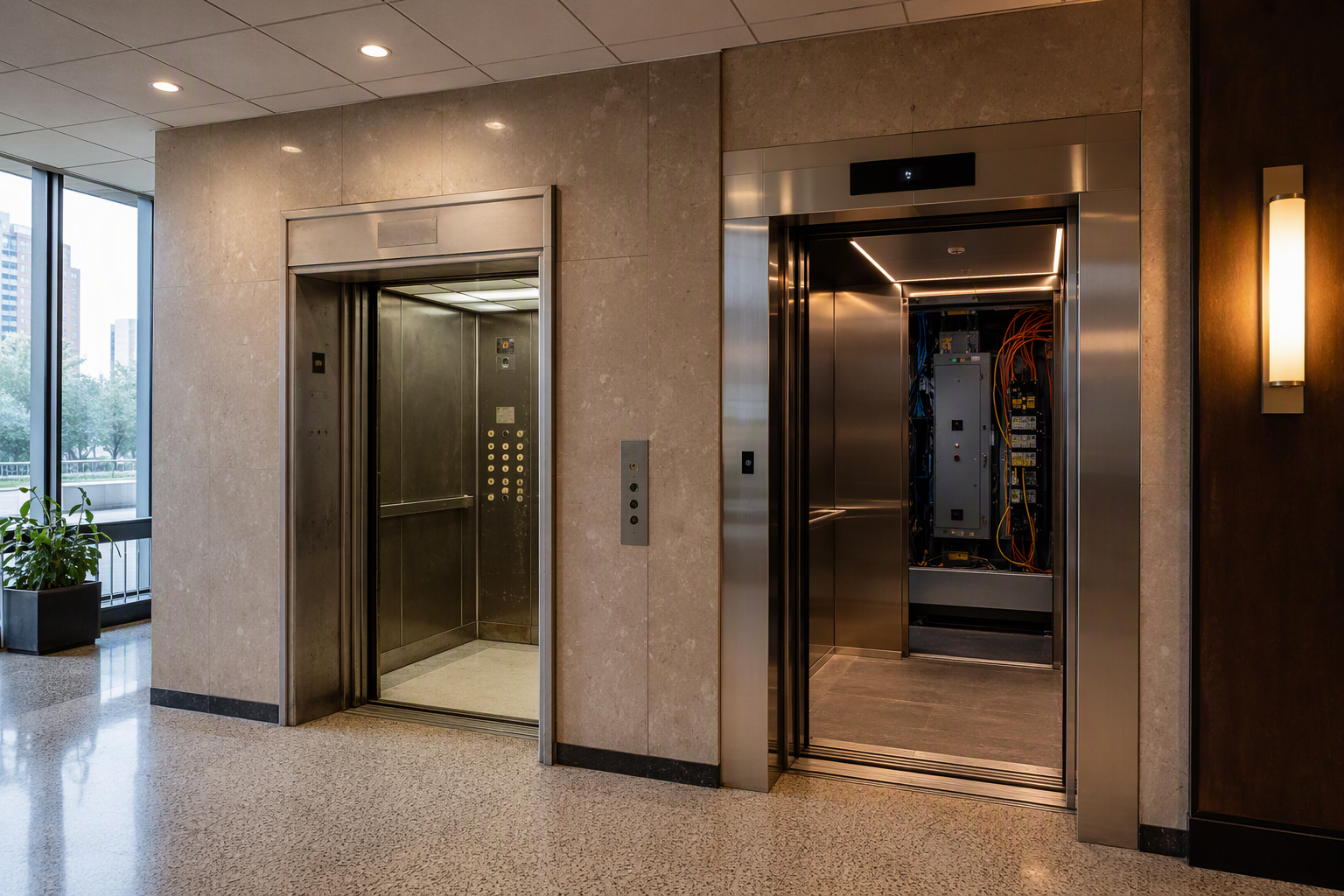
Elevator modernization is one of the most significant capital investments a Houston building owner or property manager will make. Yet the cost conversation is rarely straightforward. The price of a modernization project is shaped by dozens of variables—some structural, some regulatory, some purely logistical—and understanding those variables is the first step toward making a sound decision. AmeriTex Elevator serves commercial, residential, and institutional properties across the Houston area, and this guide breaks down every major cost driver so owners can plan with confidence.
What Is Elevator Modernization and How Does It Differ from Routine Maintenance?
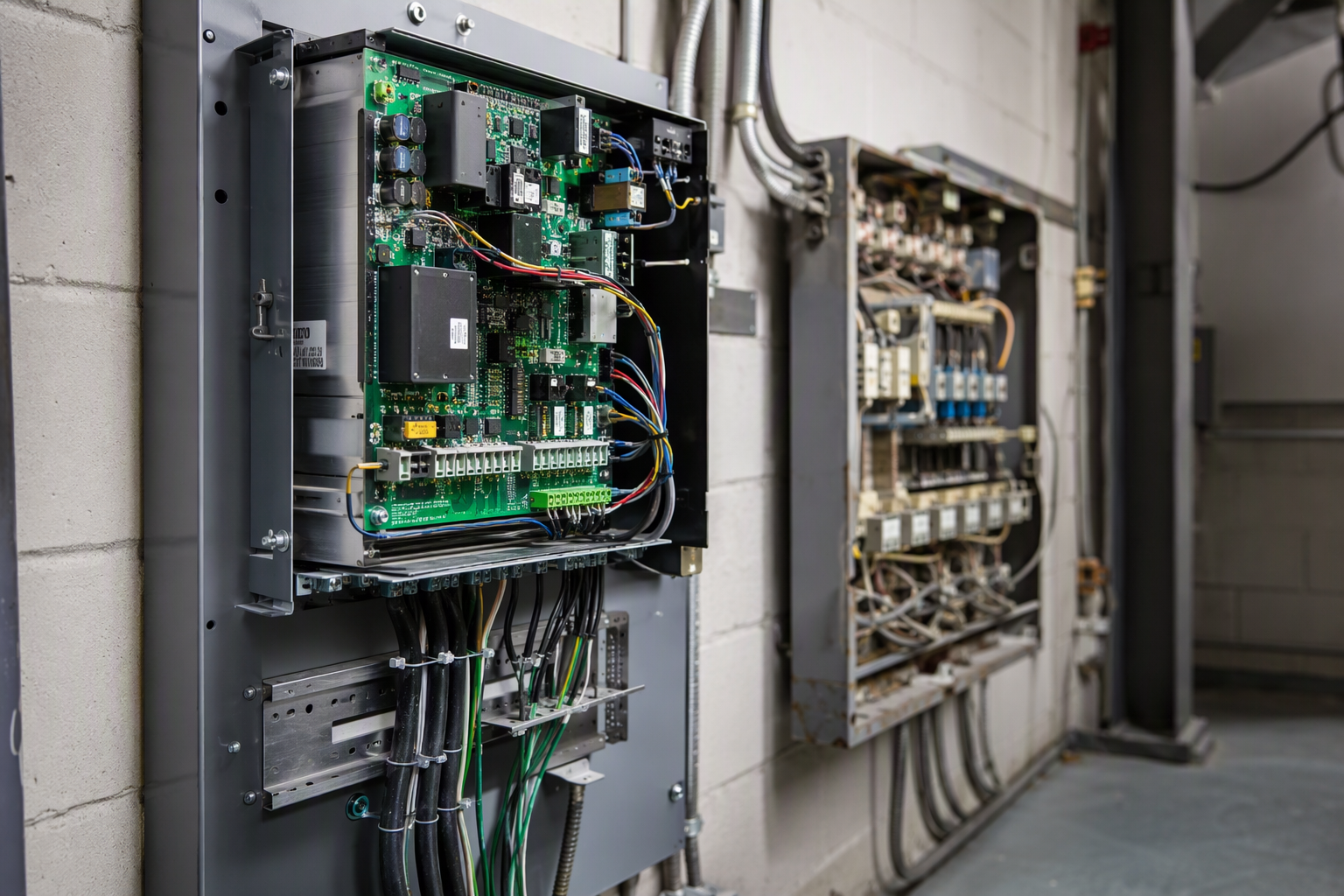
Elevator modernization refers to the planned replacement or upgrade of major elevator system components—such as the controller, drive system, cab interior, door operators, or safety devices—to extend the useful life of the unit, improve performance, and bring the system into alignment with current code requirements. It is a distinct category from routine maintenance, which addresses wear-and-tear on existing components, and from repair, which restores a failed component to working order.
A modernization project may be partial—targeting a single subsystem like an aging relay-based controller—or comprehensive, replacing virtually everything except the structural hoistway. The scope chosen directly determines the investment required.
What Are the Primary Factors That Drive Elevator Modernization Costs Up?
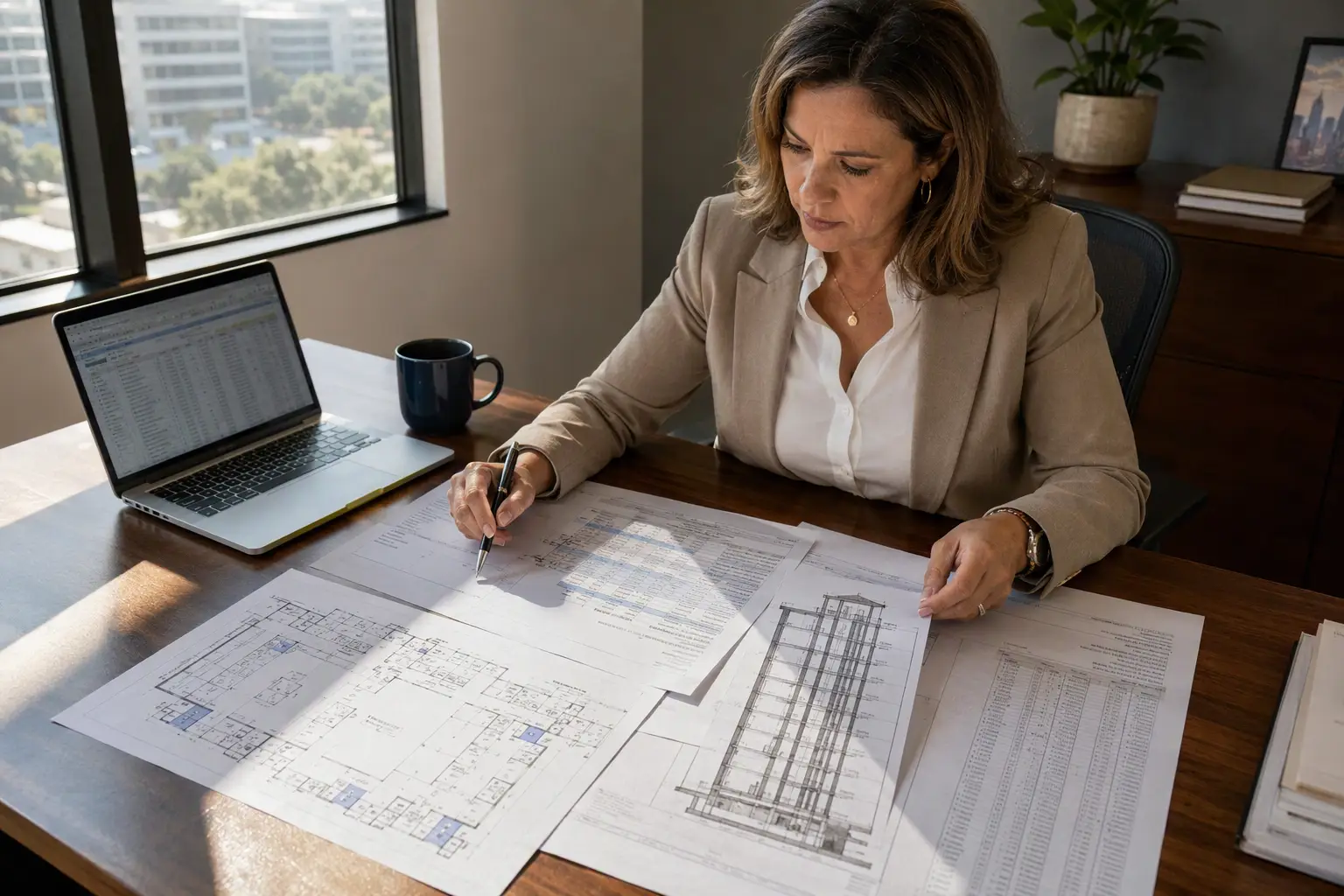
Several key variables push modernization budgets higher. Building owners in Houston should evaluate each one before requesting a proposal:
- Age and condition of existing equipment. Older elevators—particularly those with relay logic controllers or DC motor systems—require more extensive replacement because modern digital controls and AC drives are not directly compatible. The older the baseline system, the more components must be replaced.
- Building height and number of stops. Taller buildings with more landings require longer hoist ropes or hydraulic cylinders, more door equipment, and additional labor hours. Each additional floor adds material and installation cost.
- Number of elevators in the building. Multi-car installations may benefit from group controller upgrades, adding complexity and cost, though some economies of scale are possible when multiple units are modernized simultaneously.
- Code compliance requirements. Houston operates its own elevator program independent of the Texas Department of Licensing and Regulation (TDLR). When a modernization triggers a code review, the project must satisfy the requirements of the City of Houston’s adopted standards. Compliance items such as updated door restrictors, firefighters’ service upgrades, or accessibility improvements under the Americans with Disabilities Act can add meaningful cost.
- Firefighters’ service and door restrictor compliance. Texas law is clear that a passenger elevator without working door restrictors, or without functioning Phase One firefighters’ service, must be removed from service immediately. If existing equipment does not meet these requirements, addressing them is non-negotiable and will be part of any modernization scope.
- Category 5 testing requirements. Texas requires a Category 5 full-load test every five years on electric traction elevators under 16 Texas Administrative Code Chapter 74. If a modernization coincides with a Category 5 test cycle, test preparation and execution costs should be factored into the project budget.
- Machine room vs. machine-room-less (MRL) conversion. Converting a traditional traction elevator to a machine-room-less configuration involves significant structural and electrical work and commands a premium over a like-for-like replacement.
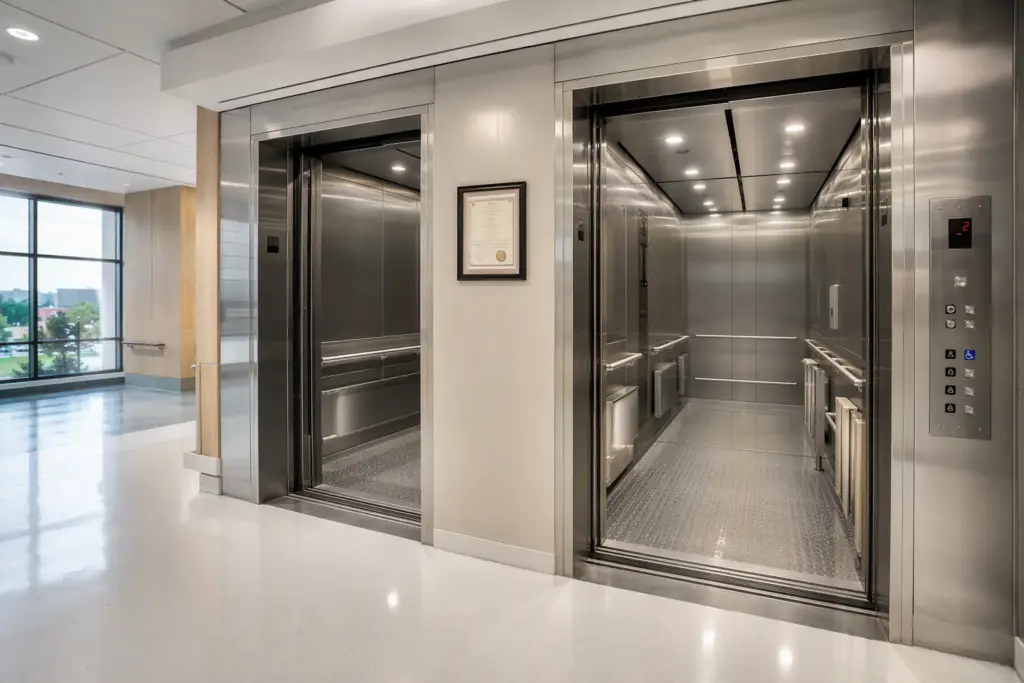
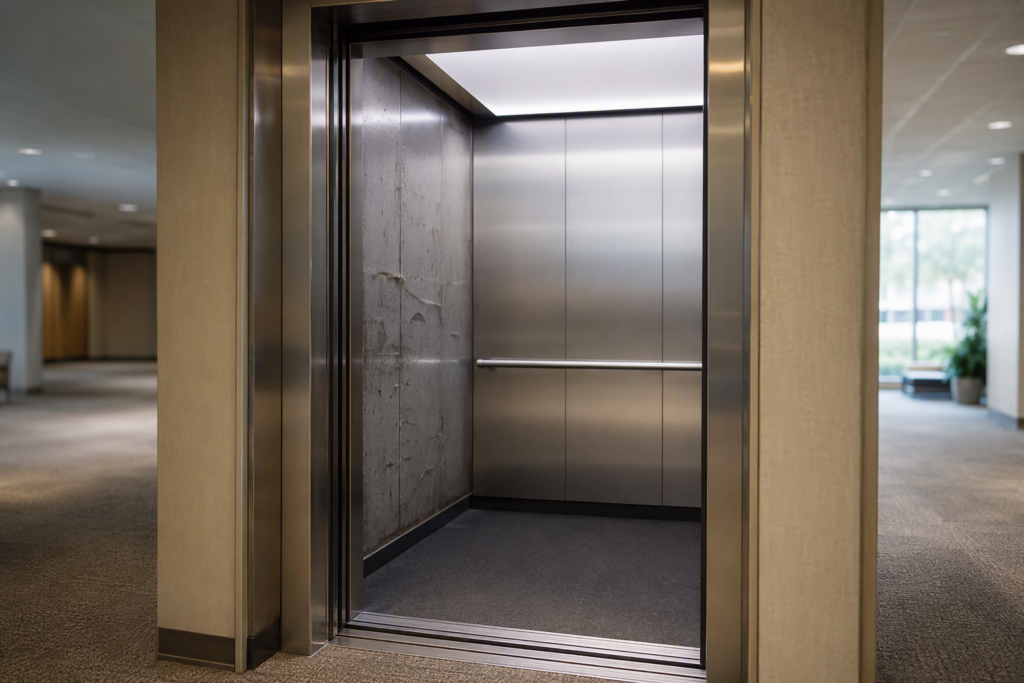
- Cab interior and aesthetic scope. A full cab renovation—new flooring, wall panels, ceiling, lighting, and fixtures—adds cost beyond the mechanical and electrical work, but is often addressed in the same project to avoid disrupting tenants twice.
- Downtime and logistics. High-occupancy buildings may require after-hours or phased work schedules to keep elevators available during business hours. After-hours labor carries a cost premium.
What Factors Can Bring Elevator Modernization Costs Down?
Not every project needs to be a full replacement. Several factors can reduce the investment required without compromising safety or performance:
- Partial or targeted modernization. Replacing only the controller and drive system while retaining serviceable mechanical components can deliver meaningful performance improvements at a fraction of a full modernization budget.
- Well-maintained existing equipment. An elevator that has been consistently maintained under a full-service contract typically retains more reusable components, reducing material costs.
- Multi-unit bundling. Owners with multiple elevators who modernize several units under a single contract may realize efficiencies in mobilization, engineering, and procurement.
- Early planning. Owners who plan modernization proactively—rather than responding to a failed inspection or an emergency breakdown—have time to evaluate multiple proposals, sequence work strategically, and avoid emergency premium pricing.
- Straightforward hoistway access. Buildings with accessible machine rooms and standard hoistway configurations require less custom engineering and installation labor.
How Do Houston’s Local Regulatory Requirements Affect Modernization Costs?
Houston operates its own elevator and conveyance inspection program; TDLR does not regulate elevators or escalators within Houston city limits. Building owners must work within the City of Houston’s program requirements when planning any modernization project. Because Houston’s adopted code edition and specific local amendments are not publicly re-verified at the time of this writing, AmeriTex Elevator recommends consulting directly with the city’s program office to confirm current requirements before finalizing a modernization scope.
What is certain is that the ASME A17.1/CSA B44 Safety Code for Elevators and Escalators forms the technical foundation for elevator safety in Texas, and any modernization will be evaluated against applicable code requirements. Non-compliant equipment identified during the annual inspection process must be corrected or placed under contract for correction within 30 days under Texas law—making proactive modernization a sound strategy for avoiding compliance-driven urgency.
What Does the Elevator Modernization Process Look Like Step by Step?
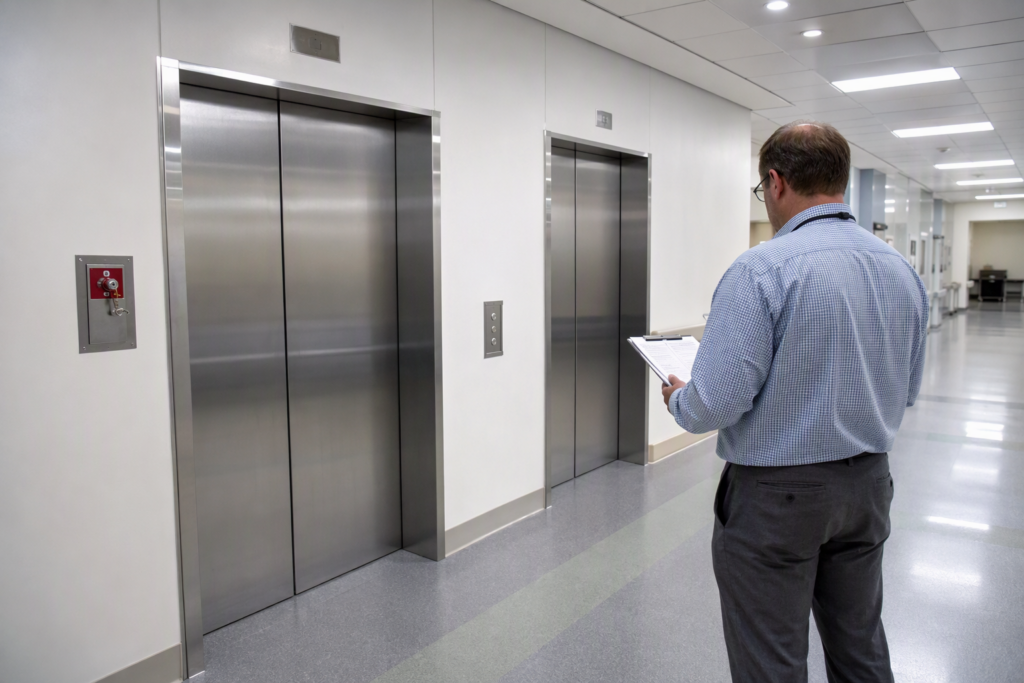
- Conduct a condition assessment. A qualified elevator contractor evaluates the existing equipment, documents component ages and conditions, and identifies code compliance gaps.
- Define the modernization scope. Based on the assessment, the owner and contractor establish whether a partial or full modernization is warranted and prioritize components by safety impact, reliability risk, and budget.
- Obtain proposals. Written proposals from registered elevator contractors should itemize equipment, labor, permitting, testing, and inspection costs so comparisons are meaningful.
- Submit plans for approval. Under Texas law, a registered contractor must submit plans to the appropriate authority and obtain approval before installation begins. In Houston, this means working through the city’s own program.
- Execute the modernization work. The contractor performs the replacement and upgrade work according to the approved plans and the applicable code edition.
- Conduct acceptance testing. The modernized elevator undergoes required testing to verify safe operation before returning to service.
- Obtain updated Certificate of Compliance. Following a successful inspection, the building owner obtains an updated Certificate of Compliance, which must be displayed in a publicly visible area of the building.
- Establish or update the maintenance contract. A post-modernization maintenance agreement ensures the upgraded equipment is kept in safe operating condition and positions the owner for a smooth next inspection cycle.
How Does Elevator Age Affect the Modernization Decision?
Elevator equipment does not have a single universal lifespan, but components such as relay-based controllers, DC drive systems, and original hydraulic cylinders from older installations become increasingly difficult to maintain as manufacturers discontinue parts. When replacement parts are unavailable or must be custom-fabricated, repair costs escalate and reliability decreases. A condition assessment that reveals widespread parts obsolescence is a strong indicator that modernization will deliver better long-term value than continued repair.
Owners of equipment that is approaching or past the typical service horizon for its primary components should request a lifecycle cost analysis that compares projected repair and downtime costs over the next several years against the cost of modernization today. This analysis often clarifies the decision considerably.
Does Modernization Affect ADA Compliance Requirements?
The Americans with Disabilities Act establishes accessibility requirements for elevators in places of public accommodation and commercial facilities. A modernization project that involves alterations to cab interiors, controls, or door systems may trigger a review of ADA compliance for those elements. Owners should discuss ADA implications with their contractor during the scope-definition phase so that accessibility improvements can be integrated into the project rather than addressed separately at greater expense later.
What Should Houston Building Owners Look for When Selecting an Elevator Modernization Contractor?
In Texas, a person or company may not install, repair, alter, test, or maintain elevator equipment without registering as a contractor with TDLR. Texas elevator contractor registrations expire one year after issuance, and registered contractors must carry general liability insurance of at least $1,000,000 per occurrence for bodily injury or death and $500,000 per occurrence for property damage. Verifying current registration and insurance before awarding a contract is a basic due-diligence step.
Beyond regulatory compliance, building owners should evaluate a contractor’s familiarity with Houston’s local program requirements, the breadth of equipment brands and systems they can service, their approach to minimizing tenant disruption during the project, and the terms of any post-modernization maintenance agreement they offer.
AmeriTex Elevator is a TDLR-registered elevator contractor serving the Houston market. The team brings deep familiarity with Houston’s regulatory environment and the range of equipment configurations found in the city’s commercial, multifamily, and institutional building stock—from mid-rise office towers to healthcare facilities and beyond.
How Can Building Owners in Houston Get Started with an Elevator Modernization Assessment?
The most reliable way to develop an accurate modernization budget is to schedule a professional condition assessment of the existing equipment. A thorough assessment identifies the true state of all major components, flags code compliance gaps, and provides the factual foundation for a meaningful cost conversation. Owners who approach modernization with a clear assessment in hand are better positioned to evaluate proposals, prioritize scope, and make a confident investment decision.
AmeriTex Elevator offers free consultations for building owners and property managers throughout the Houston area. A consultation is the starting point for understanding what a modernization project will actually require—and what it will actually cost—for a specific building and elevator system.
Schedule a Free Consultation with AmeriTex Elevator: 866-679-4313
Need elevator service you can rely on? AmeriTex Elevator is ready to help.