Elevator Service in Houston, TX | AmeriTex Elevator
Getting a new elevator installed in Houston, TX involves more than equipment and construction — it requires navigating a structured permitting and inspection process governed by state and local regulations. For building owners, developers, and property managers, understanding the full timeline helps avoid costly delays and keeps projects on schedule. AmeriTex Elevator works with commercial and residential clients throughout the Houston area to guide every step of the permitting, installation, and inspection process.
How Long Does the Elevator Permit and Inspection Process Take in Texas?
The timeline varies based on several factors, but most new elevator installations in Texas move through the following general phases:
- Pre-Application Preparation: Gather engineering drawings, equipment specifications, and contractor documentation. Incomplete submissions are the most common cause of delays.
- Permit Application Submission: Submit plans to the local Authority Having Jurisdiction (AHJ) — in Houston, this is typically the City of Houston’s Department of Public Works or the applicable municipality for surrounding areas.
- Plan Review: The AHJ reviews submitted documents for compliance with applicable codes. Review times vary by jurisdiction and current workload. Houston plan reviews can range from a few weeks to over a month depending on submission volume.
- Permit Issuance: Once plans are approved, the permit is issued and installation work may begin.
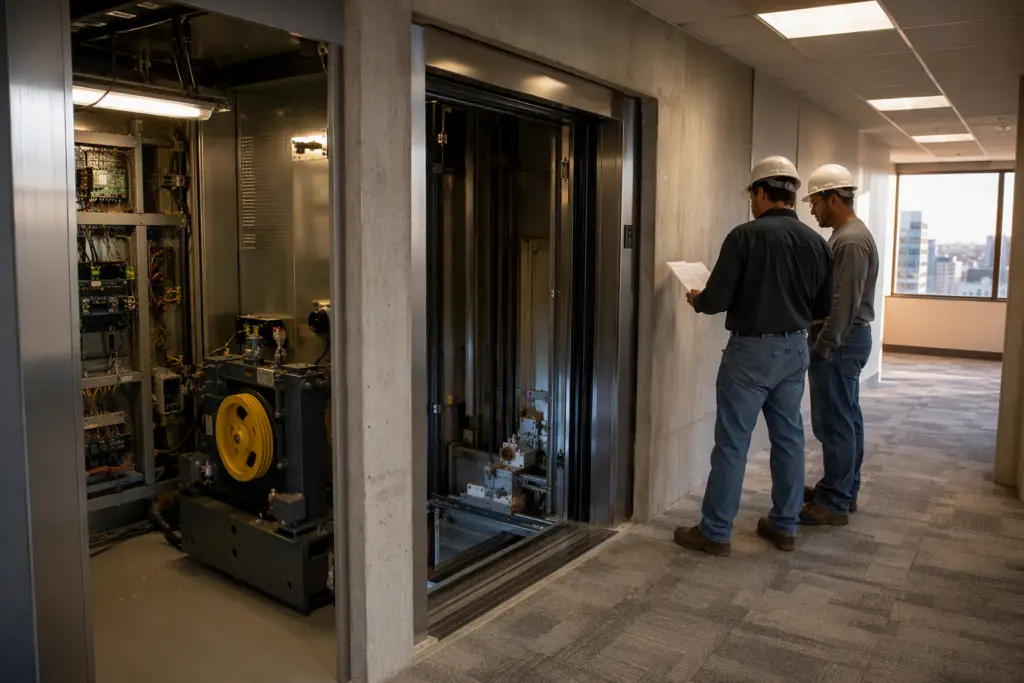
- Installation: The physical elevator installation occurs according to the approved plans. Timeline depends on elevator type, building conditions, and contractor scheduling.
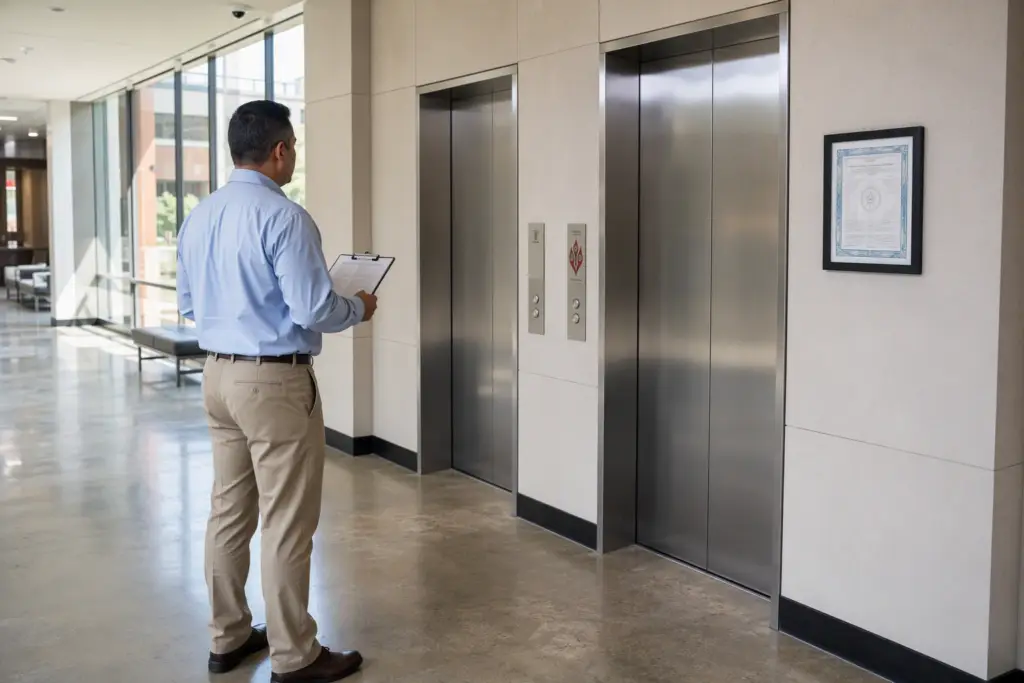
- Third-Party or State Inspection: After installation, an inspection is requested through the Texas Department of Insurance (TDI), which oversees elevator safety in Texas, or through a licensed third-party inspection entity as recognized by the AHJ.
- Certificate of Occupancy for the Unit: Following a passed inspection, a certificate of operation is issued, authorizing the elevator for public use.
From initial permit application to final certificate, projects that proceed without complications commonly take anywhere from six weeks to several months. Complex installations, plan revisions, or inspection scheduling backlogs can extend this timeline further.
What Texas Codes Govern Elevator Permits and Inspections?
Texas elevator safety is regulated at both the state and local level. The primary governing standards include:
- ASME A17.1 Safety Code for Elevators and Escalators — the foundational national standard adopted in Texas for design, installation, and inspection of elevator equipment. The 2026 code edition guidance applies to new installations.
- The Texas Department of Insurance (TDI) Elevator Safety Program — TDI administers elevator registration, inspection requirements, and licensing for elevator contractors and inspectors in Texas.
- Local municipal codes — Houston and surrounding jurisdictions such as Sugar Land, The Woodlands, Pasadena, and Katy may have additional requirements layered on top of state standards.
- ADA Accessibility Guidelines — federal accessibility standards apply to most commercial and public-use elevators, affecting design and clearance requirements reviewed during plan approval.
All elevator contractors operating in Texas are required to hold a valid license through TDI, and all inspectors must be certified. AmeriTex Elevator operates in full compliance with applicable state and local regulatory requirements.
What Factors Can Delay a Permit or Inspection in Houston?
Several common issues extend the timeline for new elevator permits and inspections in the Houston area:
- Incomplete or non-compliant plan submissions — Missing engineering stamps, incorrect specifications, or plans that do not reflect current ASME A17.1 requirements result in plan review rejections and resubmission cycles.
- High permit application volume — During periods of active construction in Houston, AHJ review queues grow longer.
- Inspector scheduling availability — TDI and third-party inspectors service the entire state; scheduling windows can extend based on regional demand.
- Contractor licensing gaps — Working with an unlicensed or improperly credentialed elevator contractor can invalidate a permit application entirely.
- Change orders during installation — Modifications to approved plans after permit issuance may require plan amendment reviews, restarting parts of the process.
Does the Type of Elevator Affect the Permit Timeline?
Yes. The complexity and classification of the elevator system directly affects how long permitting and inspection take. Common elevator types installed in Houston properties include:
- Hydraulic elevators — Widely used in low-rise commercial and multifamily buildings; generally straightforward for plan review.
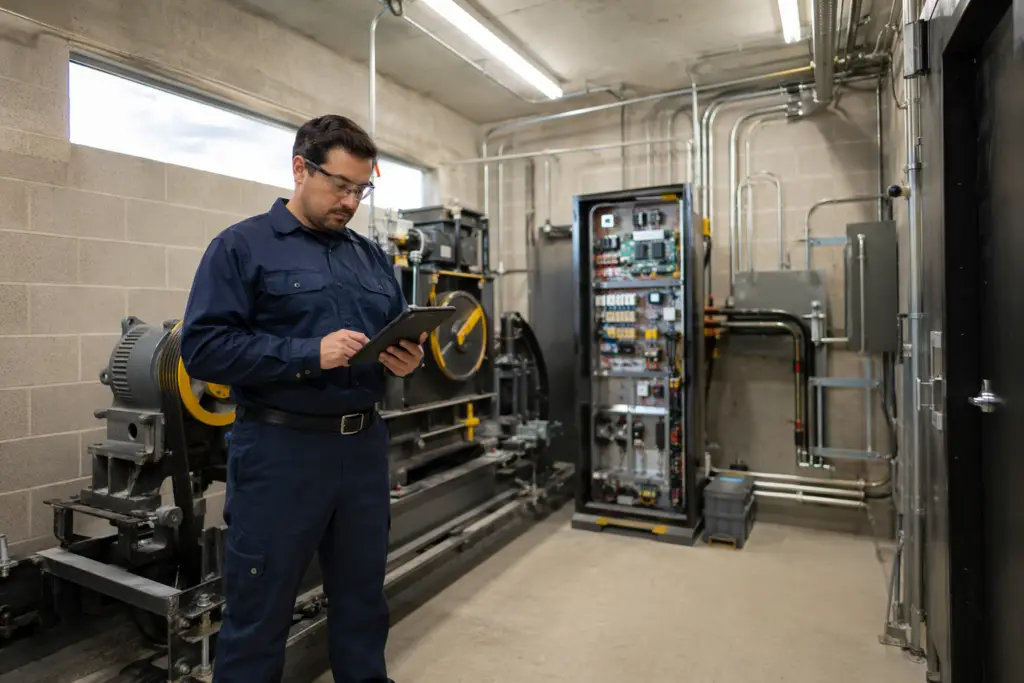
- Traction elevators (geared and gearless) — Common in mid- and high-rise applications; more complex engineering documentation required.
- Machine room-less (MRL) elevators — Increasingly popular in Houston developments; require reviewers familiar with this configuration under ASME A17.1.
- Limited-use/limited-application (LULA) elevators — Subject to separate code provisions and often used in retrofits; plan review requirements may differ from standard passenger elevators.
- Home/residential elevators — Governed under ASME A17.1 residential elevator provisions; some jurisdictions have distinct local processes for private residence installations.
What Should Property Owners Do to Minimize Permit and Inspection Delays?
- Engage a licensed Texas elevator contractor early in the project design phase — before final architectural plans are completed.
- Confirm that all engineering drawings are stamped by a licensed professional engineer and reflect current ASME A17.1 requirements.
- Submit a complete permit application on the first attempt — partial submissions are a leading cause of timeline extension.
- Coordinate ADA compliance review as part of the initial design process, not as an afterthought after plan rejection.
- Request an estimated inspection scheduling window from TDI or the AHJ early, so construction timelines can account for inspection availability.
- Maintain open communication with the AHJ throughout plan review to respond quickly to any requests for additional information.
Are Inspections Required After the Initial Installation Is Complete?
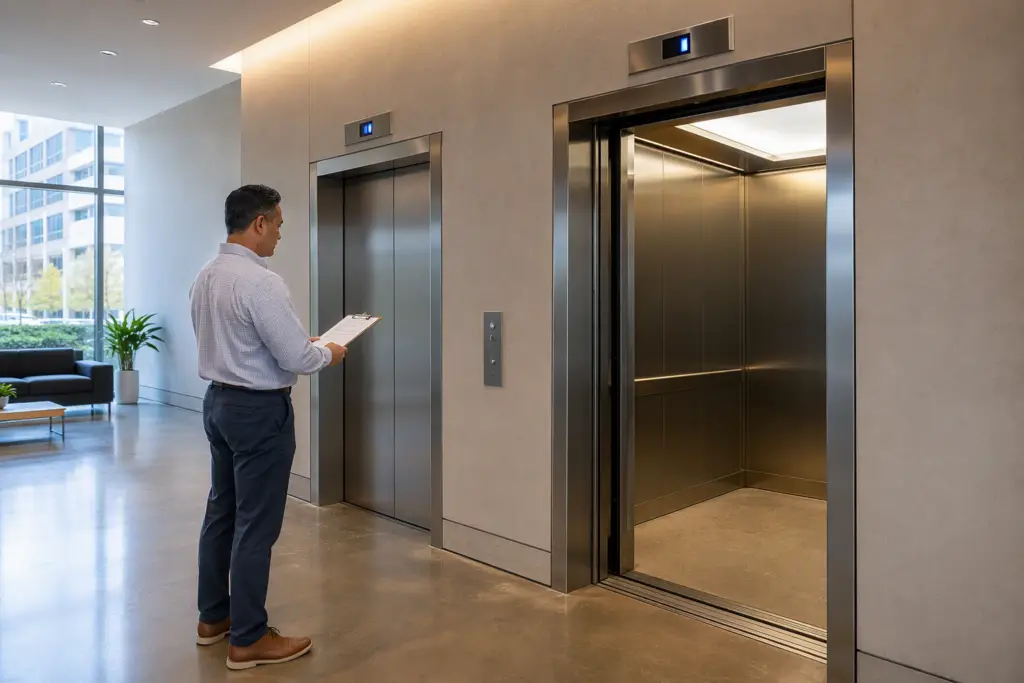
Yes. Texas requires ongoing periodic inspections for elevators after initial commissioning. Under the TDI Elevator Safety Program, registered elevators must be inspected on a recurring basis to maintain their certificate of operation. The ASME A17.1 Safety Code for Elevators and Escalators establishes standard inspection and testing intervals that Texas adopts as part of its regulatory framework. Building owners are responsible for ensuring their elevators remain in compliance and that inspections are scheduled proactively — not reactively after a lapse.
Does AmeriTex Elevator Handle Emergency Elevator Service in Houston?
AmeriTex Elevator provides emergency elevator service for clients throughout the Houston metropolitan area. When an elevator goes out of service unexpectedly — whether due to mechanical failure, entrapment, or a safety-related shutdown — prompt response is essential for building operations and occupant safety. AmeriTex Elevator’s service team is available to respond to urgent calls and supports clients across Houston and the surrounding communities it serves.
What Areas Near Houston Does AmeriTex Elevator Serve?
AmeriTex Elevator serves commercial, residential, and industrial properties across the greater Houston area and surrounding Texas markets. Service areas include Houston proper and communities throughout Harris County, as well as neighboring areas such as Sugar Land, Pearland, Pasadena, Katy, The Woodlands, Cypress, and Baytown. Whether a project involves a new high-rise installation, a low-rise commercial building, or a multifamily residential property, AmeriTex Elevator brings local knowledge of Houston’s permitting environment, code requirements, and inspection processes to every engagement.
Schedule a Free Consultation with AmeriTex Elevator in Houston, TX
Navigating the elevator permit and inspection process in Texas does not have to be complicated. AmeriTex Elevator works alongside Houston property owners, developers, general contractors, and facility managers to plan installations correctly from the start — reducing delays, avoiding code compliance issues, and keeping projects moving.
Contact AmeriTex Elevator today to schedule a free consultation and get expert guidance on your new elevator installation, permit process, or ongoing maintenance needs.
Call: 866-679-4313
Need elevator service you can rely on? AmeriTex Elevator is ready to help.