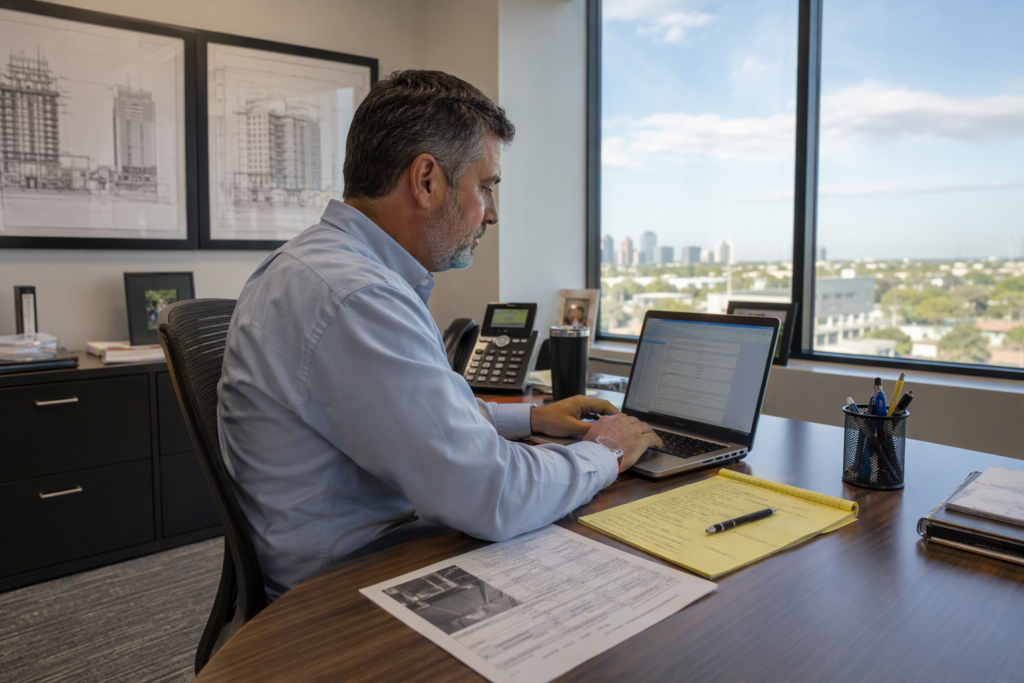
How to Budget for Elevator Repairs and Maintenance for Next Fiscal Year

Elevator budgeting is one of the most overlooked line items in facility and property management. Unlike HVAC or roofing, elevators carry life-safety implications regulated at the federal, state, and local level — meaning deferred maintenance is not simply a financial risk, it is a compliance and liability risk. This guide walks facility managers, building owners, and finance teams through every cost category to consider when building a defensible elevator maintenance and repair budget for the next fiscal year.
What Are the Core Cost Categories in an Elevator Maintenance Budget?
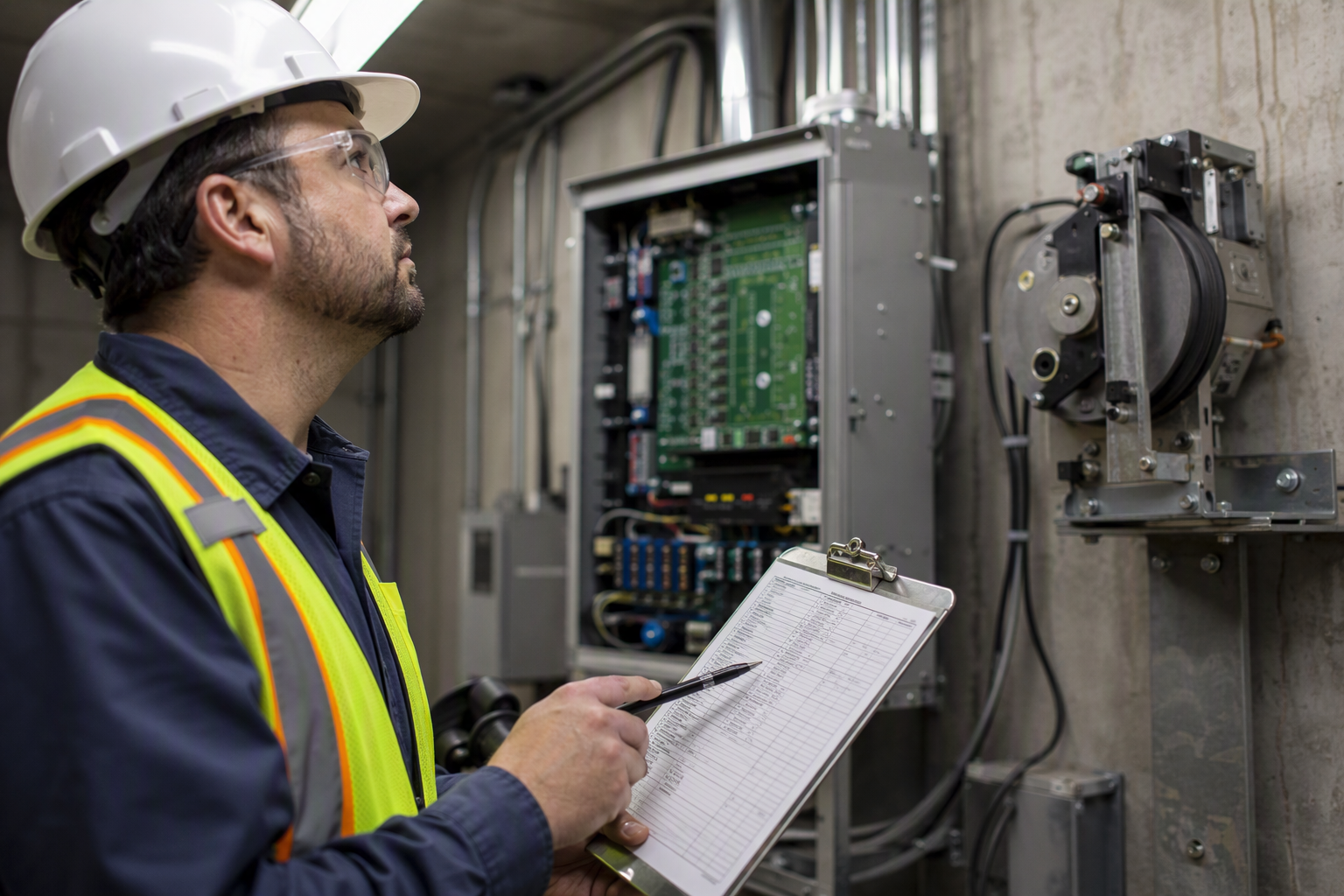
A complete elevator budget typically spans four distinct cost buckets. Understanding each one prevents budget shortfalls mid-year and helps justify spend to ownership or finance committees.
- Preventive Maintenance Contracts: A structured agreement with a licensed elevator company covering routine lubrication, adjustments, safety-device testing, and callback response. This is the foundation of any elevator budget.
- Mandatory Inspections and Permits: Jurisdictions across the United States require periodic inspections — many annually — to maintain a valid operating certificate. Fees vary by locality and unit count.
- Reactive and Corrective Repairs: Even well-maintained elevators experience component failures. Budget planning must include a contingency allocation for unplanned repairs to door operators, motors, control boards, and similar parts.
- Capital Modernization: Elevators have a finite service life. Hydraulic systems, aging traction drive components, and obsolete controllers eventually require capital-level replacement rather than repair.
What Does ASME A17.1 Require, and How Does It Affect My Budget?
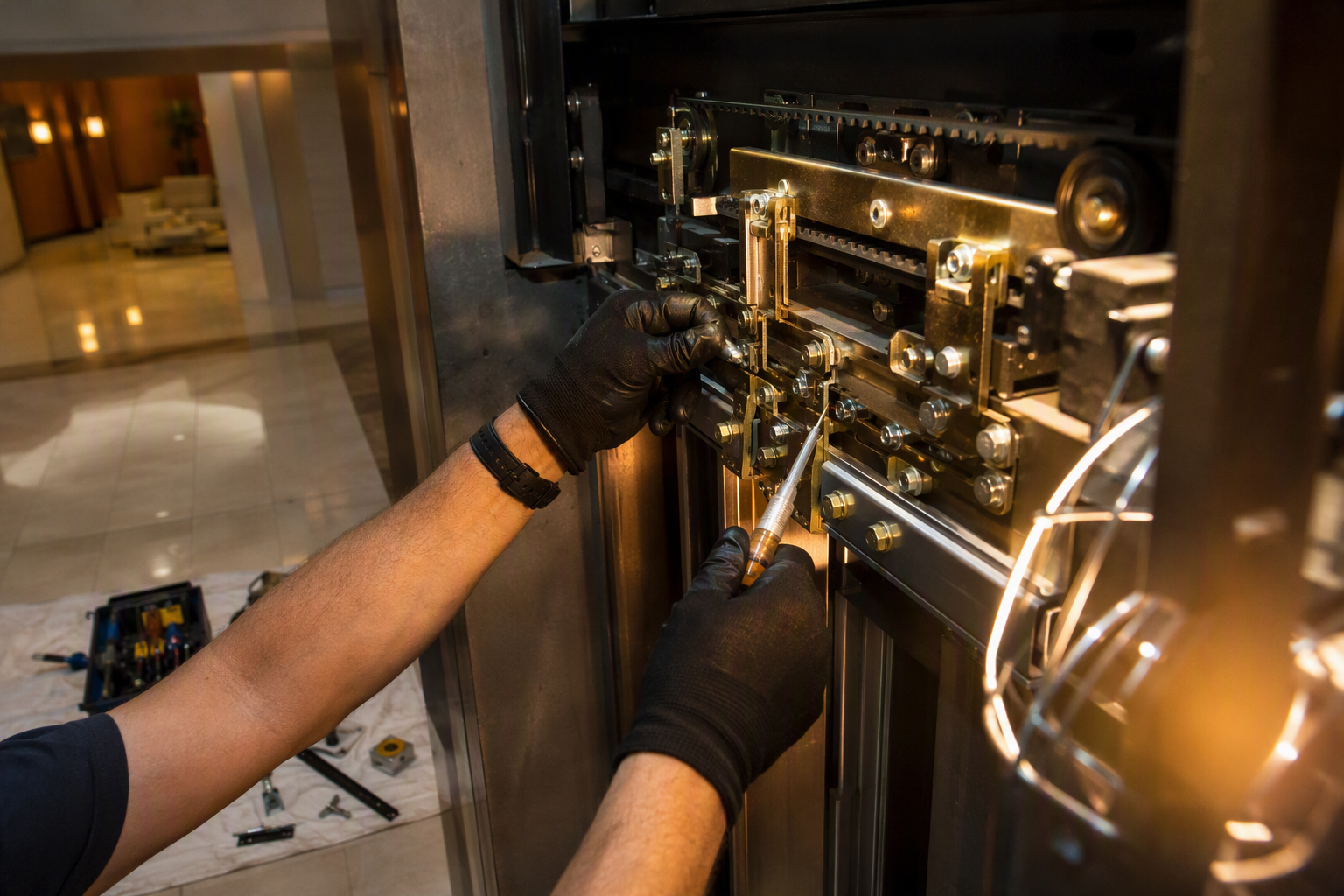
The ASME A17.1 Safety Code for Elevators and Escalators is the foundational model code adopted — in whole or in modified form — by most U.S. states and many municipalities. It establishes minimum inspection, testing, and maintenance requirements that directly translate into mandatory budget line items.
Under ASME A17.1, elevators must undergo periodic inspections and specific safety tests, including full-load and no-load tests, governor and safety tests on traction units, and pressure and relief-valve tests on hydraulic units. The frequency of these tests is set by the code and local authority having jurisdiction (AHJ). Failing to fund and schedule these tests can result in operating permit revocation, meaning the elevator must be taken out of service — a significant operational and liability event for any building.
When building a budget, facility managers should request a testing schedule from their elevator service provider that maps each required test to a calendar quarter and estimated cost, so inspection-related expenditures are never a surprise.
How Do ADA Requirements Factor Into Elevator Budgeting?
The Americans with Disabilities Act (ADA) establishes accessibility standards for elevators in public accommodations and commercial facilities. Buildings undergoing alterations or facing ADA complaints may be required to bring elevator interiors, controls, signage, and door timing into compliance — costs that must be anticipated in capital planning.
Common ADA-related elevator expenditures include: tactile and braille button overlays, voice annunciators, door reopening devices, and leveling adjustments to ensure flush floor alignment for wheelchair users. A facility that has deferred ADA upgrades for multiple cycles may face a larger catch-up spend in a single fiscal year. Proactively scheduling an ADA audit as part of the budgeting process helps spread these costs across multiple fiscal periods rather than concentrating them in one.
What OSHA Standards Apply to Elevator Maintenance Workers and Budget Planning?
While OSHA regulations primarily govern the safety of elevator mechanics performing maintenance rather than building owner spend directly, they do have an indirect budget impact. Service providers must comply with OSHA standards for confined spaces, electrical lockout/tagout, and pit safety — compliance costs that reputable contractors build into their service pricing. When evaluating bids, an unusually low proposal may signal a contractor cutting corners on worker safety compliance, which exposes the building owner to co-employer liability.
How Should I Structure a Contingency Reserve for Unplanned Elevator Repairs?
No elevator budget is complete without a contingency line. The size of that reserve should be informed by equipment age, usage intensity, maintenance history, and unit count — not by a generic percentage applied blindly. Older hydraulic units operating in high-rise or high-traffic environments carry meaningfully different risk profiles than a lightly used two-story traction elevator installed within the last decade.
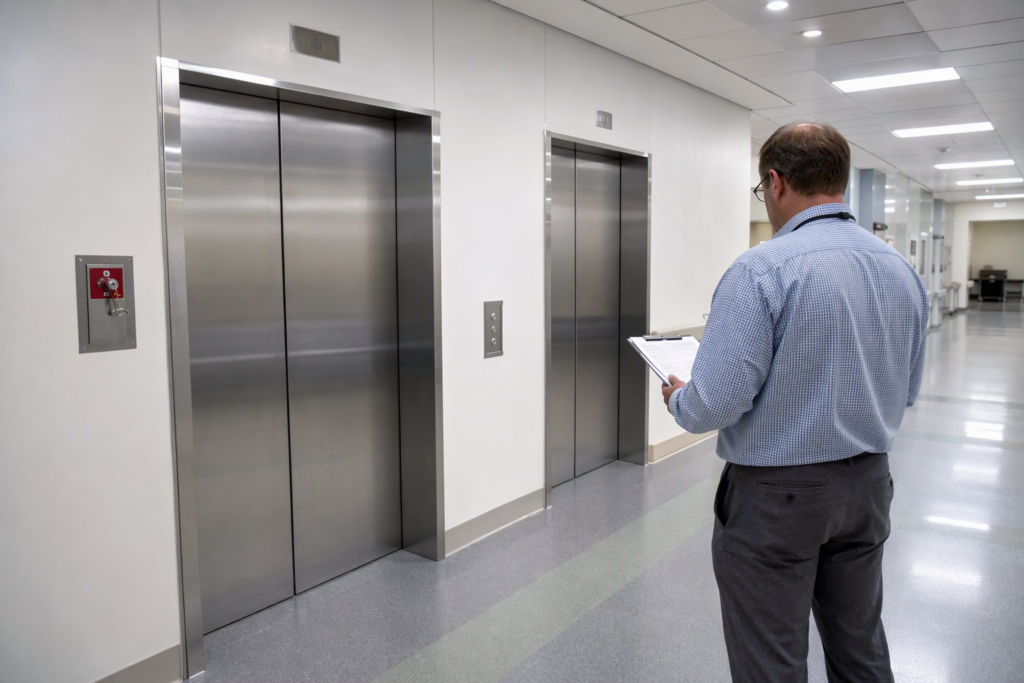
A practical approach to sizing a contingency reserve involves working with an elevator service provider to conduct a condition assessment before the fiscal year begins. The assessment identifies components approaching end of service life — control panels, door operators, hydraulic cylinders, ropes and sheaves — and assigns a probability and estimated cost to each potential failure. That output becomes the empirical basis for the contingency figure rather than an arbitrary guess.
AmeriTex Elevator provides data-driven condition assessments that give facility managers the documentation needed to justify contingency reserves to finance committees and ownership groups.
What Is the Difference Between a Full-Maintenance Contract and a Parts-and-Labor Contract?
The type of maintenance contract a building signs has a major impact on how the rest of the elevator budget should be structured.
- Full-Maintenance (FM) Contract: Covers routine maintenance, callbacks, labor, and most parts. The service provider assumes greater risk, which is reflected in a higher monthly contract price. Budgeting under this model is more predictable, but owners should read contract exclusions carefully — major components like cylinders, motors, or control modernizations are frequently excluded.
- Oil and Grease (O&G) Contract: Covers only routine lubrication and adjustments. All parts and repair labor are billed separately. This model produces a lower monthly contract cost but requires a larger and more carefully sized contingency reserve, because any repair event becomes an out-of-pocket expense.
- Parts-and-Labor (P&L) Contract: A middle-ground option covering labor but not necessarily all parts. Owners share risk with the service provider.
Selecting the right contract type requires honest analysis of equipment age and condition. A well-maintained elevator under five years old may perform acceptably under an O&G arrangement. A twenty-year-old hydraulic unit with a history of breakdowns is a strong candidate for full-maintenance coverage — or for a modernization conversation instead.
When Should Elevator Modernization Be Budgeted as Capital vs. Expense?
Elevator modernization — the replacement of major systems rather than individual components — typically qualifies as a capital expenditure and should be planned and approved through a capital budgeting process rather than absorbed into the operating maintenance line. Common modernization triggers include:
- Controller or drive system reaching obsolescence, with parts no longer manufactured or available
- Hydraulic cylinder showing signs of corrosion, pitting, or active seepage that repair cannot address
- Recurring code violations that component-level repairs cannot permanently resolve
- Persistent downtime that is damaging tenant relationships or building reputation
- Energy efficiency concerns, particularly in older hydraulic systems with inefficient pump units
Modernization projects vary widely in scope and duration. A controls-only modernization is far less disruptive and less costly than a full hydraulic conversion to machine-room-less traction. Building the modernization timeline into the fiscal year budget early — including estimated downtime for each unit — allows facility managers to communicate proactively with tenants and plan for temporary service disruptions.
How Does Elevator Count and Building Type Affect Budget Scale?
Budget complexity and total spend scale with the number of elevator units in a building and the nature of the facility. A single-unit residential building faces a fundamentally different budget challenge than a hospital campus with a mixed fleet of passenger, freight, and service elevators operating continuously.
High-traffic facilities — hospitals, hotels, transit hubs, convention centers — experience accelerated component wear relative to office buildings or residential towers with similar unit counts. Door operator systems, which are among the highest-maintenance subsystems on any elevator, see proportionally more cycles in high-traffic environments and should be weighted accordingly in both the maintenance contract selection and the contingency reserve calculation.
Multi-unit portfolios benefit from fleet-level planning: aligning inspection schedules, staggering modernization projects across fiscal years, and negotiating volume-based service agreements that reduce per-unit contract costs.
What Is a Step-by-Step Process for Building an Elevator Maintenance Budget?
- Inventory your equipment. Document every elevator unit by type (hydraulic, traction, MRL), age, capacity, and usage classification. Note the date of the last major modernization for each unit.
- Review your current maintenance contract. Identify what is and is not covered, and flag any exclusions that will require separate budget allocations.
- Request a condition assessment. Engage a qualified elevator service company to evaluate each unit and identify components approaching end of service life or code compliance risk.
- Map mandatory inspection and testing requirements. Work with your service provider and local AHJ to calendar every required inspection and test for the upcoming fiscal year, including associated fees.
- Conduct an ADA audit. Assess current compliance status against ADA accessibility standards and identify any deferred upgrades that carry legal or regulatory risk.
- Size your contingency reserve. Based on the condition assessment, assign estimated probabilities and costs to likely repair events and set a reserve that reflects the actual risk profile of your fleet.
- Identify capital modernization candidates. Separate any units that require capital-level investment from operating maintenance spend, and initiate a capital approval process for those projects.
- Solicit competitive service proposals. Obtain proposals from qualified elevator companies for the upcoming contract period, ensuring proposals are compared on equivalent scope.
- Build the budget document. Consolidate contract costs, inspection fees, contingency reserve, capital allocations, and any ADA upgrade costs into a unified budget document with quarterly phasing.
- Schedule a mid-year review. Elevator conditions change. Build a mid-year checkpoint into the calendar to compare actual spend against budget and adjust contingency or capital plans accordingly.
What Industry Trends in 2025–2026 Are Affecting Elevator Maintenance Budgets?
Several qualitative trends are shaping how facility managers and building owners approach elevator budgeting in 2025 and into 2026.
Aging Infrastructure: A significant portion of the installed U.S. elevator fleet is operating on equipment that is decades old. As this equipment ages past typical service-life expectations, the frequency and cost of corrective repairs tends to increase, making the case for proactive modernization budgeting stronger each successive year.
Parts Availability Constraints: Older proprietary control systems and drive equipment increasingly face parts scarcity. When replacement components are discontinued by the original manufacturer, service providers must source aftermarket alternatives or fabricate parts — both of which add cost and lead time. Buildings with aging proprietary systems should plan for parts-availability risk in their contingency reserves.
Energy Efficiency Pressure: Sustainability mandates, green building certifications, and utility cost management are pushing more building owners to evaluate the energy consumption of older hydraulic elevator systems. Modernization projects that improve energy efficiency may qualify for utility rebates or contribute to sustainability reporting metrics — factors that belong in the capital planning conversation.
Remote Monitoring Technology: Condition-monitoring and predictive maintenance technologies are becoming more accessible on the commercial elevator market. These systems can flag developing mechanical issues before they produce a service disruption, potentially shifting maintenance spend from reactive to proactive and improving budget predictability over time.
Regulatory Tightening: State and local jurisdictions continue to update their elevator codes in response to emerging editions of the ASME A17.1 Safety Code for Elevators and Escalators. Buildings in jurisdictions adopting newer code editions may face additional compliance requirements — and associated costs — in the 2025–2026 planning horizon.
How Do I Compare Elevator Service Proposals Fairly?
Comparing elevator maintenance proposals is not as straightforward as comparing monthly contract prices. A lower headline price can mask significant differences in scope, exclusions, response expectations, and the contractor’s ability to source parts and perform code-required testing. When evaluating proposals, facility managers should request that each bidder respond to a standardized scope of work document that specifies: required test frequencies under the applicable edition of ASME A17.1, a list of included and excluded components, and the process for handling callback responses and emergency situations.
Evaluating a vendor’s familiarity with local AHJ requirements is equally important. A service provider who understands the specific inspection and permit requirements of the jurisdiction where your building is located reduces the risk of missed inspections and operating permit lapses — costs that are difficult to quantify but significant when they occur.
AmeriTex Elevator approaches every service engagement with a commitment to transparent, documented scope so that building owners can make informed budget decisions based on comparable data rather than headline pricing alone.
What Documentation Should I Maintain for Audit and Compliance Purposes?
Thorough documentation protects building owners in the event of an insurance claim, regulatory audit, or litigation. The following records should be maintained and readily accessible:
- Current operating permits and certificates of inspection for each unit
- Copies of all inspection reports from the AHJ and the maintenance contractor
- Records of all required tests performed under ASME A17.1, including test dates, results, and technician sign-off
- Maintenance log entries for each unit documenting routine service visits, adjustments, and parts replacements
- Records of any corrective repairs, including the nature of the failure, parts used, and date of return to service
- Written communications from the AHJ regarding code violations, correction orders, or permit actions
- ADA compliance documentation and records of any modifications made to meet accessibility standards
Maintaining organized records also makes it easier to demonstrate to finance committees and ownership that elevator maintenance spend is compliant, necessary, and well-managed — supporting future budget requests.
How Far in Advance Should I Begin Elevator Budget Planning?
Elevator budget planning should begin at least 90 to 120 days before the start of the new fiscal year. This lead time allows for completion of condition assessments, solicitation and evaluation of competitive service proposals, capital approval processes for any identified modernization projects, and review of local inspection calendars to ensure all mandatory testing is scheduled and budgeted. Facilities with large or complex elevator fleets, or those operating in jurisdictions with active code adoption activity, benefit from beginning the planning process even earlier.
What Questions Should I Ask an Elevator Service Provider Before Signing a Contract?
Before committing to a maintenance contract for the fiscal year, building owners and facility managers should ask prospective service providers the following:
- Which specific tests required under our local adoption of ASME A17.1 are included in this contract, and which are billed separately?
- What is the process for identifying and communicating parts needs, and how are parts costs handled under this contract?
- How does your company manage parts availability for older or proprietary equipment?
- Who is our primary point of contact for service coordination, and how is work documented?
- What is your familiarity with the requirements of our local authority having jurisdiction?
- What is the contract term, and what are the terms for renewal or termination?
Get a Data-Driven Elevator Assessment Before Your Budget Is Finalized
Building an accurate elevator maintenance budget starts with knowing the true condition of your equipment. AmeriTex Elevator provides professional condition assessments that identify compliance gaps, aging components, and modernization candidates — giving facility managers and building owners the documented, factual foundation they need to build a defensible fiscal year budget.
Contact AmeriTex Elevator for a free elevator assessment: 866-679-4313
Need elevator service you can rely on? AmeriTex Elevator is ready to help.