Elevator Service in Houston, TX | AmeriTex Elevator
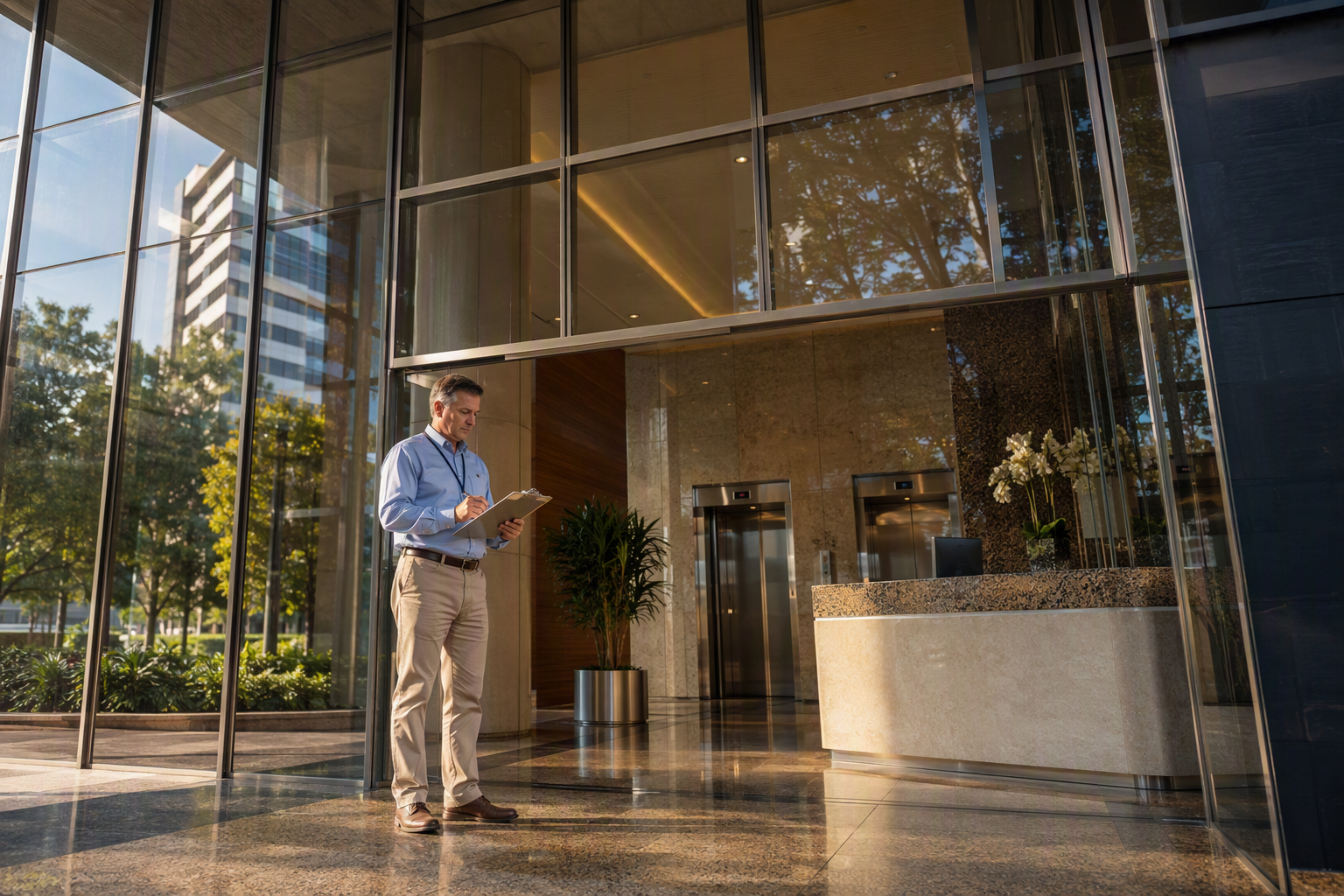
Commercial elevator maintenance in Houston, TX is not a one-size-fits-all expense. Annual costs depend on the type of elevator system, the age and condition of the equipment, how heavily the elevator is used, and the breadth of the service agreement. Building owners and facility managers who understand what drives these costs are better positioned to budget accurately and avoid costly emergency repairs.
AmeriTex Elevator provides certified elevator maintenance and inspection services to commercial properties throughout the Houston metropolitan area, helping building owners maintain compliance, protect equipment investments, and keep occupants safe year-round.
—
What Factors Determine Annual Elevator Maintenance Costs for a Commercial Building?
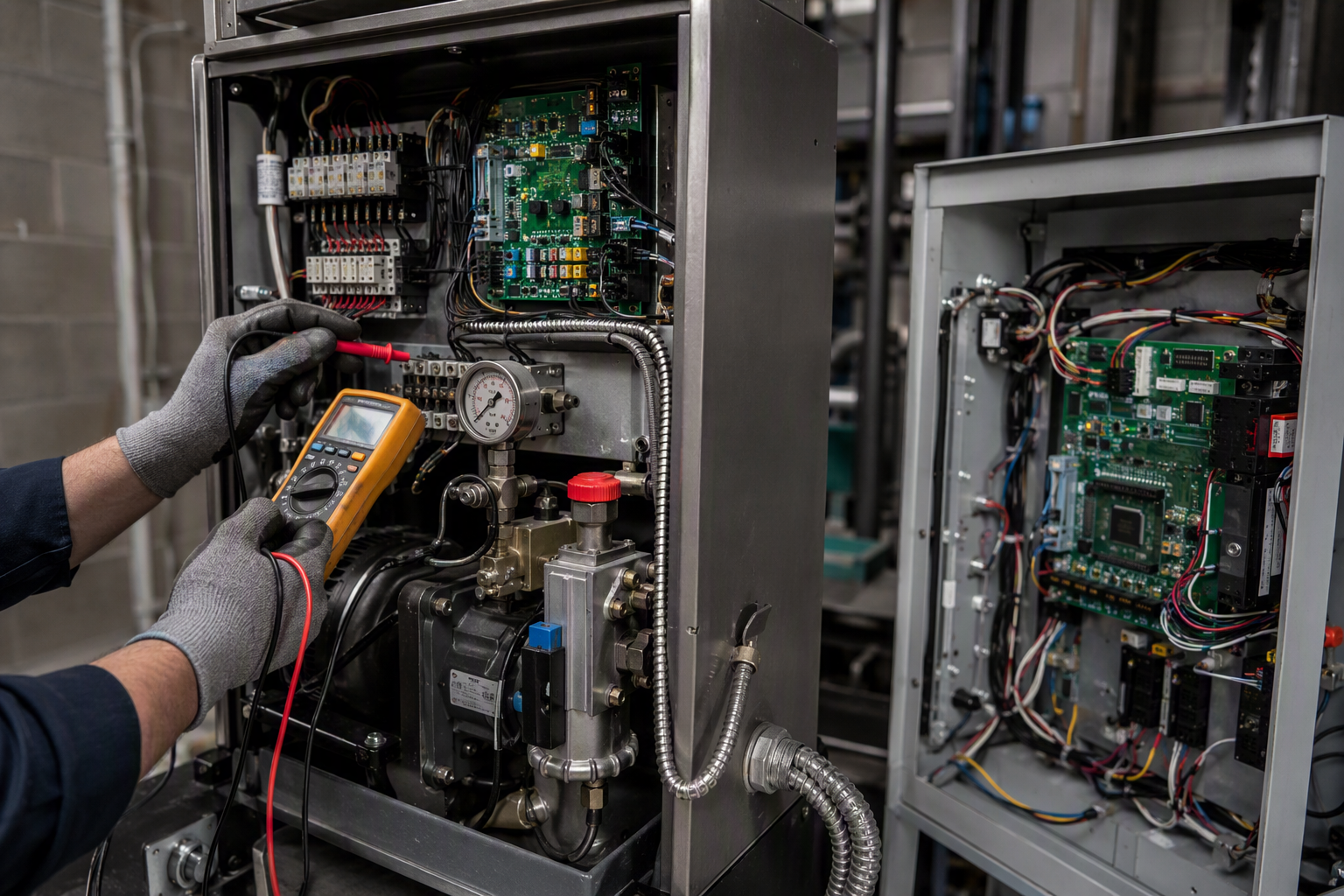
Several variables directly influence what a commercial property owner pays for elevator maintenance each year:
- Elevator type: Hydraulic elevators, traction elevators, and machine-room-less (MRL) systems each carry different maintenance requirements and part costs.
- Age of equipment: Older elevators may require more frequent parts replacement and are more likely to need modernization components that are no longer standard inventory.
- Traffic volume: A high-rise office building with heavy daily usage experiences more wear on components than a low-traffic professional office with a single elevator.
- Contract scope: Full-coverage contracts include parts and labor, while basic contracts cover only routine visits — the difference significantly affects annual spend.
- Number of elevators: Buildings with multiple units may negotiate bundled service agreements, affecting per-unit cost.
- Local code requirements: Texas and the City of Houston have specific inspection and testing mandates that must be factored into service planning.
Because these variables interact differently for every property, qualified service providers evaluate equipment on-site before issuing a maintenance proposal.
—
What Are the Texas and Houston Elevator Code Requirements in 2026?
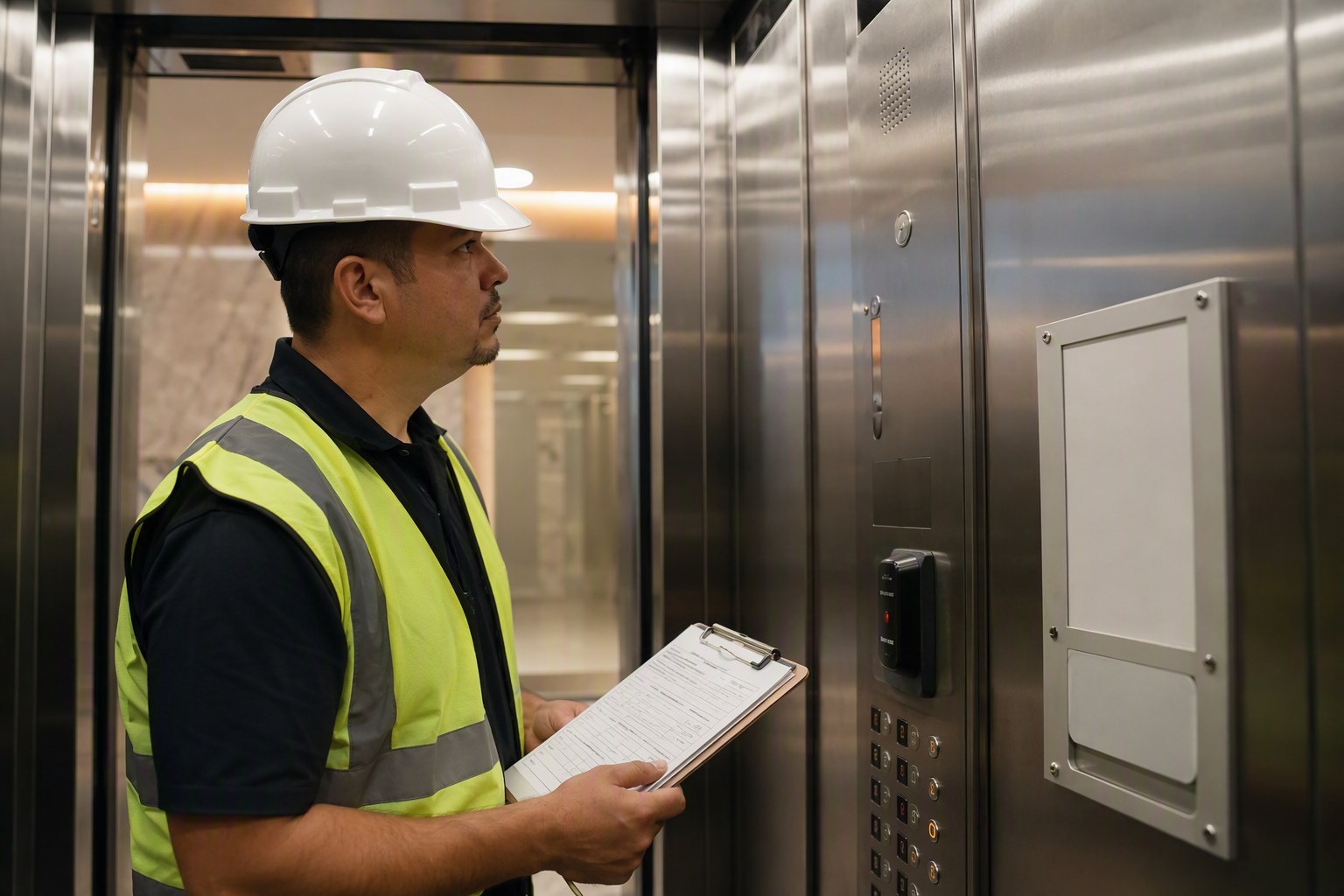
Texas elevator regulations are enforced through the Texas Department of Insurance (TDI), which oversees the licensing of elevator contractors and inspectors throughout the state. Commercial elevators in Houston must comply with the ASME A17.1 Safety Code for Elevators and Escalators, the nationally recognized standard adopted by Texas as the baseline for elevator safety.
Key compliance points for Houston commercial buildings include:
- Periodic inspections by a licensed elevator inspector, as mandated under state law, to verify safe operation and code compliance.
- Required testing intervals for various elevator components, including safety devices, governors, and buffers, as outlined in ASME A17.1.
- Accessibility provisions for commercial properties subject to the Americans with Disabilities Act (ADA), which establishes requirements for elevator access in public accommodations and commercial facilities.
- Workplace safety standards applicable to elevator maintenance technicians working in commercial settings, governed by OSHA regulations.
Failure to maintain current inspection certificates can result in fines, elevator shutdowns, and liability exposure for building owners. A proactive maintenance contract ensures that all required inspections and tests are scheduled, documented, and completed on time.
—
What Does a Commercial Elevator Maintenance Contract Typically Include?
A well-structured maintenance agreement for a Houston commercial elevator generally covers the following:
- Scheduled preventive maintenance visits throughout the year
- Lubrication of mechanical components
- Adjustment and calibration of doors, leveling systems, and controls
- Safety device inspections aligned with ASME A17.1 requirements
- Coordination of mandatory state inspections
- Documentation and record-keeping for compliance purposes
- Response to service calls for malfunctions or shutdowns
Full-coverage contracts additionally include the cost of covered parts and labor for repairs, which can significantly reduce unpredictable out-of-pocket expenses over the course of a year. Basic or oil-and-grease contracts are lower in upfront cost but leave parts and labor as additional charges.
—
Is Preventive Maintenance Worth the Cost for Commercial Elevators?
Preventive maintenance is widely recognized within the elevator industry as the most cost-effective approach to managing a commercial elevator over its service life. Elevators that receive consistent, scheduled maintenance tend to experience fewer unplanned outages, longer component lifespans, and reduced likelihood of major repair events.
For Houston commercial properties — where elevator downtime can affect tenant satisfaction, ADA compliance, and building operations — the indirect costs of an elevator out of service can far exceed the cost of the maintenance contract itself. Reactive maintenance, where service is only called after a failure occurs, typically results in higher cumulative costs and longer disruption periods.
—
What Types of Commercial Buildings Does AmeriTex Elevator Serve in Houston?
AmeriTex Elevator provides elevator maintenance, inspection, and repair services to a broad range of commercial property types across the Houston area, including:
- Office buildings and corporate campuses
- Medical facilities and healthcare centers
- Retail and mixed-use developments
- Hotels and hospitality properties
- Multifamily residential and apartment complexes
- Industrial and warehouse facilities with freight elevators
- Government and municipal buildings
- Educational institutions
The Houston metropolitan area presents a diverse commercial real estate market, and AmeriTex Elevator’s local presence means familiarity with the equipment, building types, and code environment specific to this region.
—
What Should a Building Owner Do When an Elevator Fails Unexpectedly?
- Ensure passenger safety first. If anyone is trapped in the elevator cab, contact emergency services immediately. Do not attempt to open elevator doors manually without trained personnel.
- Place the elevator out of service. Post clear signage and restrict access to prevent additional occupants from attempting to use the unit.
- Contact your elevator service provider. Notify your maintenance contractor as soon as possible. Buildings with active service agreements receive prioritized response for unexpected shutdowns.
- Document the incident. Record the time, nature of the malfunction, and any observations about the elevator’s behavior before failure. This supports the technician’s diagnostic process.
- Review inspection records. Verify that current inspection certificates are valid and accessible — inspectors or local authorities may request these during follow-up.
- Follow up with a written service report. After the repair is completed, obtain documentation of what was found and corrected for your compliance and maintenance records.
AmeriTex Elevator provides emergency service support to commercial clients in the Houston area, with availability extended to address urgent situations outside of standard business hours.
—
How Does Elevator Age Affect Annual Maintenance Costs?
As elevator systems age, the cost profile of maintaining them tends to shift. Newer equipment under manufacturer warranty may have lower out-of-pocket maintenance costs in early years. As systems mature, wear on mechanical and electrical components increases, and certain parts may become harder to source — particularly for elevators installed with legacy controls or obsolete drive systems.
Houston building owners with elevators approaching or exceeding their expected service life should discuss modernization planning with their service provider. Partial or full elevator modernization can improve reliability, reduce ongoing maintenance costs, and bring older systems into alignment with current ASME A17.1 standards and ADA requirements.
—
How Do Building Owners Compare Elevator Maintenance Vendors in Houston?
Selecting an elevator service provider is a consequential decision that goes beyond price comparison. When evaluating vendors, commercial building owners and property managers should consider:
- Licensing and certification: Verify that the contractor holds current Texas Department of Insurance licensure and that technicians are appropriately qualified.
- Contract transparency: Review exactly what is included and excluded. Pay close attention to parts coverage, labor rates for non-covered repairs, and cancellation terms.
- Local presence: A locally based provider with familiarity with Houston’s building stock and regulatory environment is better positioned to deliver responsive service than a national provider managing dispatch from a remote center.
- Inspection coordination: Confirm that the vendor actively manages the scheduling and documentation of mandatory state inspections, not just routine maintenance visits.
- Communication and reporting: Regular maintenance reports and transparent communication about equipment condition are markers of a professional service relationship.
AmeriTex Elevator is a certified elevator service company serving the Houston commercial market, with deep local knowledge of the equipment, code requirements, and property types found throughout the region.
—
Schedule a Free Consultation
Understanding the true annual cost of elevator maintenance for a commercial building starts with a professional evaluation of the specific equipment, usage patterns, and compliance requirements involved. AmeriTex Elevator offers building owners and property managers in Houston, TX a free consultation to assess current elevator conditions, review service options, and provide a transparent maintenance proposal.
Contact AmeriTex Elevator today to schedule your free consultation: 866-679-4313
Need elevator service you can rely on? AmeriTex Elevator is ready to help.