Elevator Modernization Cost in Houston & Dallas, TX | AmeriTex Elevator
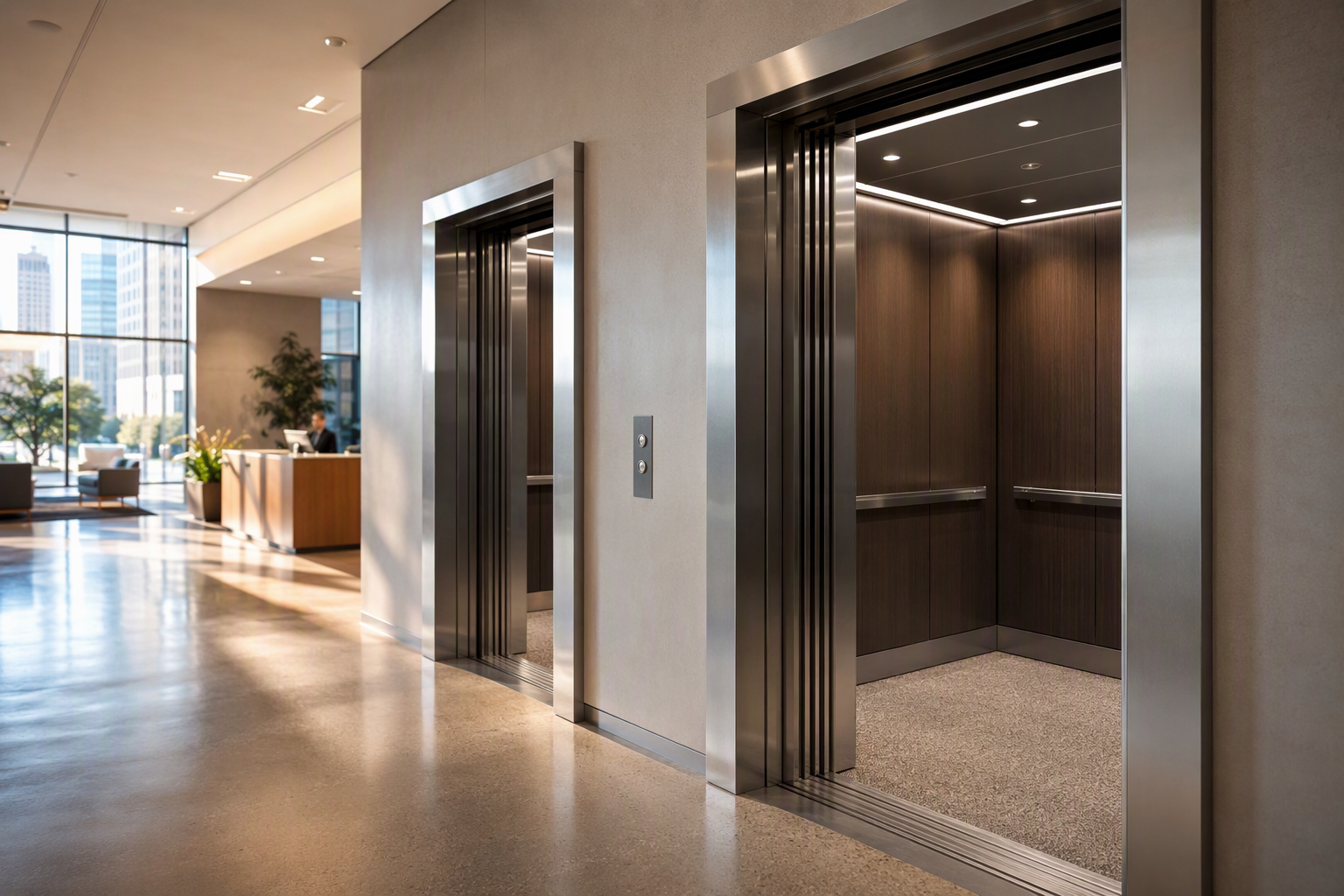
Commercial elevator modernization is one of the most consequential decisions a Houston or Dallas building owner will make. Whether a property manager is responding to a failed inspection, planning a capital improvement, or preparing a building for sale, understanding what drives modernization cost — and how Texas regulations shape the process — is essential. AmeriTex Elevator provides modernization services across Houston and Dallas, navigating the distinct regulatory frameworks that govern each city.
What Is the Average Cost to Modernize a Commercial Elevator in Houston or Dallas in 2026?
There is no single “average” figure that applies universally, because commercial elevator modernization covers a wide spectrum of work. Cost is determined by several intersecting variables:
- Scope of modernization: A controls-only upgrade costs far less than a full modernization that replaces the controller, drive system, cab interior, door operators, safety devices, and machine room equipment.
- Elevator type and age: Hydraulic elevators, traction elevators, and MRL (machine-room-less) units each have distinct modernization paths and part costs.
- Number of stops and travel distance: A three-stop low-rise system requires less labor and fewer components than a high-rise traction elevator serving twenty or more floors.
- Code compliance requirements: Work that triggers a material alteration under the adopted code may require bringing additional systems into compliance, adding to total project cost.
- Local jurisdiction: Houston and Dallas operate under different regulatory frameworks (see the compliance section below), which can affect permitting timelines and inspection costs.
- Downtime and logistics: Buildings that cannot afford extended downtime may require after-hours or phased work, which affects labor costs.
Because these variables interact, AmeriTex Elevator encourages building owners in Houston and Dallas to request a site-specific assessment rather than relying on regional averages that may not reflect the actual condition or code status of their equipment. A qualified modernization consultation will identify which components are failing, which upgrades are mandated, and which improvements deliver the strongest return on investment.
What Drives the Cost of Elevator Modernization in Texas?
Several factors specific to the Texas market influence what building owners pay for commercial elevator modernization in 2026.
Adopted code edition: Texas has adopted the ASME A17.1/CSA B44 Safety Code for Elevators and Escalators, 2016 edition, as the statewide standard under Texas Department of Licensing and Regulation (TDLR) rules. When a modernization project constitutes a material alteration, the scope of work must comply with the applicable provisions of this code. Understanding which components trigger a full code upgrade versus a limited component replacement is critical to accurate budgeting.
Category 5 testing requirements: Texas requires a Category 5 full-load test every five years on electric traction elevators. If a modernization project is timed to coincide with a Category 5 test cycle, owners may be able to consolidate testing costs into the overall modernization budget.
Immediate removal-from-service triggers: Texas law requires that a passenger elevator without working door restrictors, or without functioning Phase One firefighters’ service, be removed from service immediately. If a building’s elevator is already out of service for these reasons, modernization timelines become urgent and costs may reflect expedited scheduling.
Houston’s independent program: TDLR does not regulate elevators inside Houston city limits. The City of Houston operates its own elevator inspection and compliance program. This means Houston building owners work with city inspectors rather than TDLR, and permitting processes may differ from those in Dallas or other Texas cities that fall under TDLR jurisdiction. AmeriTex Elevator is experienced in navigating both regulatory environments.
What Are the Key Components Typically Replaced During a Commercial Elevator Modernization?
A commercial elevator modernization project may address one or more of the following systems, each of which carries its own cost and lead time:
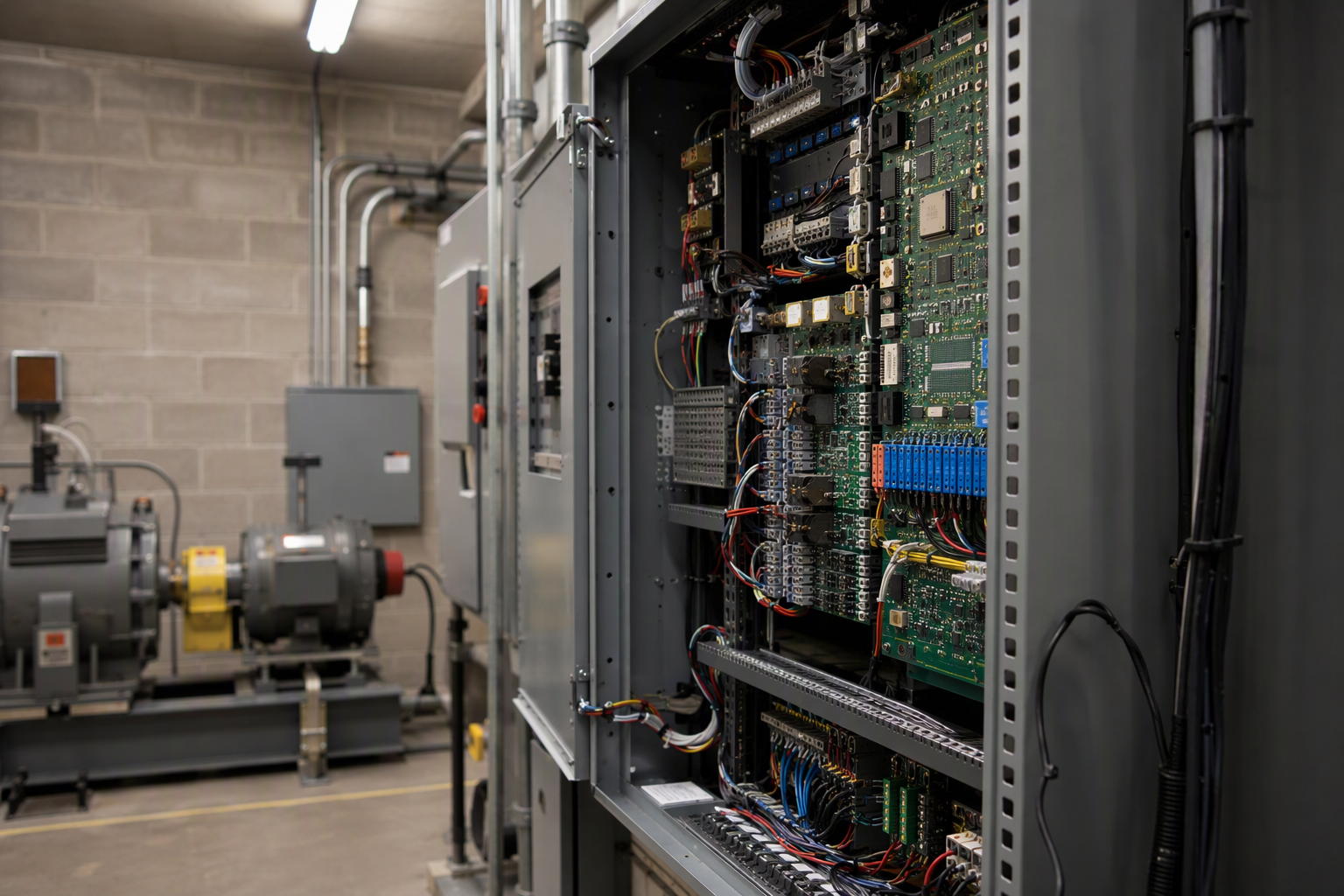
- Controller and drive system: Replacing an aging relay-logic controller with a modern microprocessor-based controller is one of the most common and impactful modernization upgrades, improving reliability, energy efficiency, and diagnostic capability.
- Door operators and door hardware: Door malfunctions are among the leading causes of elevator service interruptions. Modernized door operators improve passenger safety and reduce maintenance calls.
- Safety devices: Governors, safeties, buffers, and overspeed protection devices may require replacement to meet current ASME A17.1 standards when an alteration is performed.
- Cab interior and lighting: Cab refurbishment improves tenant experience and building aesthetics without necessarily triggering full code compliance upgrades, depending on the scope.
- Machine and motor: Older geared machines may be replaced with gearless or permanent-magnet motor technology to improve energy efficiency and reduce long-term maintenance costs.
- Hydraulic unit and piping: For hydraulic elevators, power unit replacement, cylinder rehabilitation, and piping upgrades address both performance and environmental compliance concerns.
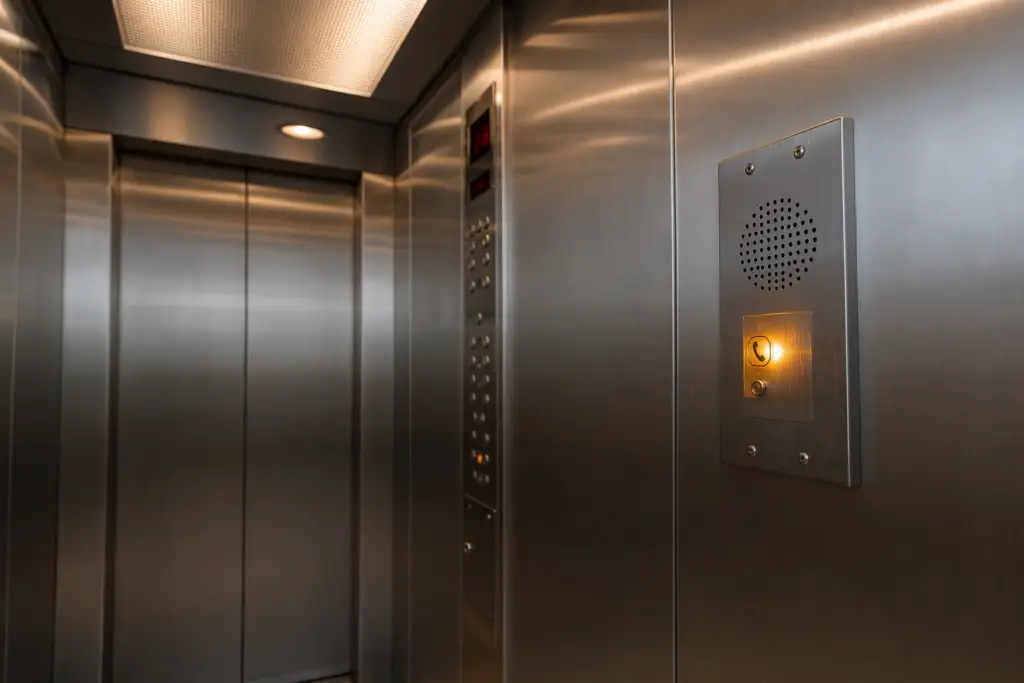
- Emergency communication systems: Compliance with ADA requirements for two-way emergency communication is commonly addressed during modernization projects.
How Does Texas Elevator Inspection Compliance Affect Modernization Planning?
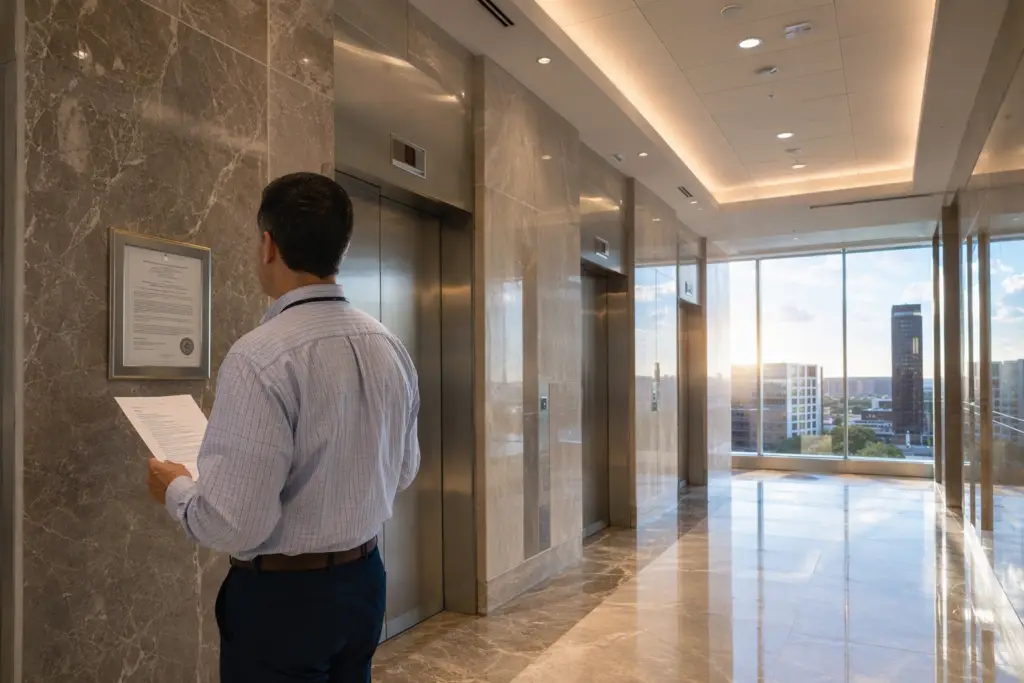
Texas building owners must have elevators inspected annually by a TDLR-registered elevator inspector. A Certificate of Compliance must be obtained for each unit of equipment, is valid for one year, and must be displayed in a publicly visible area of the building. Owners have the sole right to select the registered inspector.
Following an inspection, if violations are cited, the building owner must have those violations corrected — or under contract to be corrected — within 30 days, or obtain a waiver or delay from TDLR. This 30-day window makes it essential to engage a qualified elevator contractor promptly after receiving an inspection report. Modernization projects that address cited deficiencies should be formally contracted within this window to maintain compliance.
Inspectors must provide the owner with the inspection report within five calendar days of the inspection. Building owners should retain these reports as part of their ongoing compliance documentation.
Additionally, any elevator accident must be reported to TDLR within 24 hours. If an incident precipitates a modernization decision, AmeriTex Elevator can assist owners in understanding their obligations and coordinating the necessary scope of work.
Note for Houston building owners: Because TDLR does not regulate elevators within Houston city limits, compliance obligations are governed by the City of Houston’s own elevator program. AmeriTex Elevator assists Houston clients in navigating both the city’s program and any applicable federal standards.
What Is the Process for Planning a Commercial Elevator Modernization in Houston or Dallas?
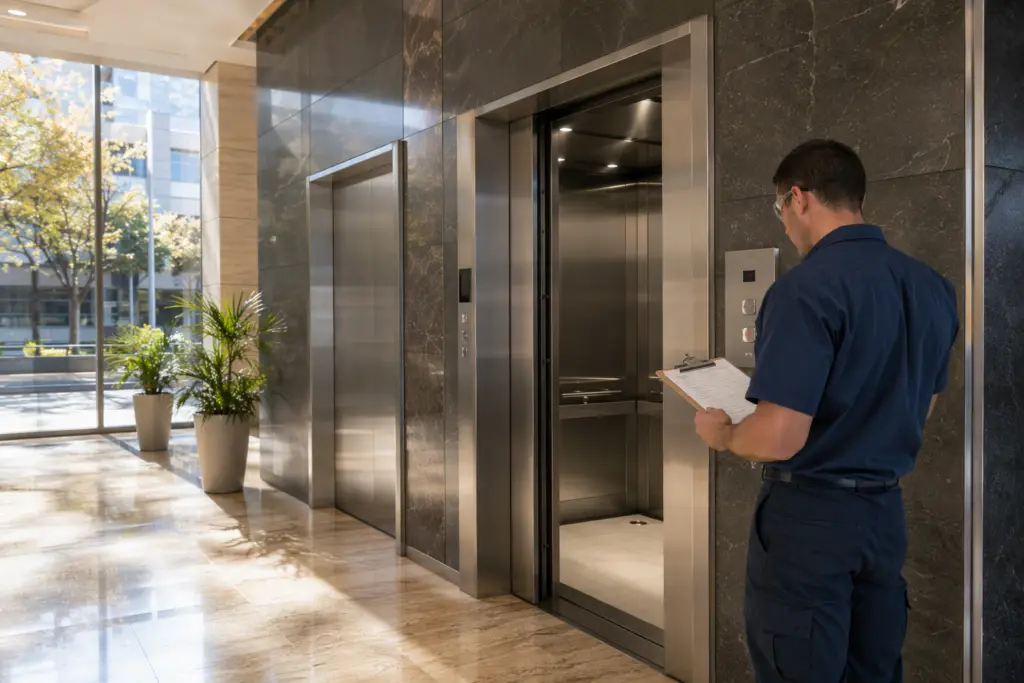
- Schedule a site assessment. A qualified technician evaluates the current condition of all elevator systems, identifies safety deficiencies, documents component ages, and reviews the most recent inspection report and Certificate of Compliance.
- Define the scope of modernization. Based on the assessment, determine which components require replacement for safety or compliance reasons, which upgrades are elective, and whether the project constitutes a material alteration under the adopted code.
- Obtain a detailed written proposal. A responsible modernization contractor will provide a written scope of work, component specifications, project timeline, and cost breakdown before any contract is signed.
- Review permit and plan submission requirements. In Texas (outside Houston), registered contractors must submit plans to TDLR and obtain approval before installing or making material alterations to elevator equipment. In Houston, the equivalent process follows the city’s own program. AmeriTex Elevator manages this submission process on behalf of building owners.
- Schedule and sequence the work. Coordinate modernization timing to minimize disruption to building occupants, particularly in multi-elevator buildings where at least one cab must remain operational.
- Complete required testing. After modernization, the equipment must pass inspection before returning to service. If a Category 5 test is due, coordinate it with the modernization completion schedule.
- Obtain updated Certificate of Compliance. Ensure the new certificate is posted in compliance with Texas law before the elevator returns to public use.
How Does ADA Compliance Factor Into Elevator Modernization Costs?
The Americans with Disabilities Act (ADA) establishes accessibility requirements for elevators in commercial facilities. A modernization project is often an opportunity — and in some cases an obligation — to address ADA compliance gaps, including cab dimensions, control panel height and reach ranges, door timing, tactile signage, and two-way emergency communication.
Building owners should consult with their legal counsel or accessibility consultant regarding their specific ADA obligations, as the applicability of ADA requirements depends on the nature of the alteration and the type of facility. AmeriTex Elevator incorporates ADA-compliant components into modernization specifications and can coordinate with the building’s compliance team to ensure the updated equipment meets applicable federal accessibility standards.
What Should Houston and Dallas Building Owners Look for When Choosing an Elevator Modernization Contractor?
Selecting the right contractor is as important as selecting the right components. Building owners in Houston and Dallas should evaluate modernization contractors on the following criteria:
- TDLR registration: In Texas, a person may not install, repair, alter, test, or maintain elevator equipment without registering as a contractor with TDLR. Verify that any contractor considered for work outside Houston holds a current TDLR registration. (Houston building owners should verify compliance with the city’s own program requirements.)
- Insurance coverage: Texas elevator contractors must carry general liability insurance of at least $1,000,000 per occurrence for bodily injury or death and $500,000 per occurrence for property damage. Request certificates of insurance before signing any contract.
- Designated responsible parties: Texas law requires each elevator contractor to designate one or two responsible parties with at least three years of elevator contractor experience. Ask for this information during contractor evaluation.
- Local market knowledge: A contractor familiar with both Houston’s independent program and TDLR’s statewide framework is better positioned to manage permitting, inspections, and code compliance efficiently.
- Manufacturer-agnostic capability: Commercial buildings often have legacy equipment from multiple manufacturers. A contractor able to work across brands provides more flexibility in component sourcing and long-term support.
- References and documented project history: Request references from comparable commercial modernization projects in the Houston or Dallas market.
Does Elevator Modernization Improve Long-Term Maintenance Costs?
One of the strongest financial arguments for commercial elevator modernization is the reduction in ongoing maintenance and repair expenditure. Aging elevator systems require more frequent service calls, face longer parts lead times for obsolete components, and are more likely to generate inspection violations that trigger emergency repair costs.
Modern controllers, door operators, and drive systems are designed for diagnostic transparency — technicians can identify developing faults before they cause outages. Newer components also carry manufacturer warranties that reduce the cost of early failures. For building owners calculating return on investment, reduced maintenance frequency, improved tenant satisfaction, and lower energy consumption from modern drive systems all contribute to the long-term value of a well-scoped modernization project.
Schedule a Free Modernization Consultation With AmeriTex Elevator
AmeriTex Elevator serves commercial building owners and property managers throughout Houston and Dallas, providing elevator modernization assessments, compliance planning, and full-scope upgrade services. Whether a property is facing an upcoming inspection, responding to cited violations, or planning a capital improvement, the AmeriTex Elevator team provides site-specific guidance grounded in Texas regulatory requirements.
Contact AmeriTex Elevator today to schedule a free consultation and receive a detailed assessment of your commercial elevator modernization options.
Call: 866-679-4313
Need elevator service you can rely on? AmeriTex Elevator is ready to help.