Home Elevator Services in Friendswood, TX: A Complete Comparison and Decision Guide
Choosing home elevator services in Friendswood, TX involves more than picking a brand or a price point. From selecting the right elevator type to understanding state inspection rules, compliance obligations, and long-term maintenance commitments, homeowners face a layered decision. This guide breaks down every factor so residents of Friendswood can make a confident, well-informed choice.
What Types of Home Elevators Are Available in Friendswood, TX?
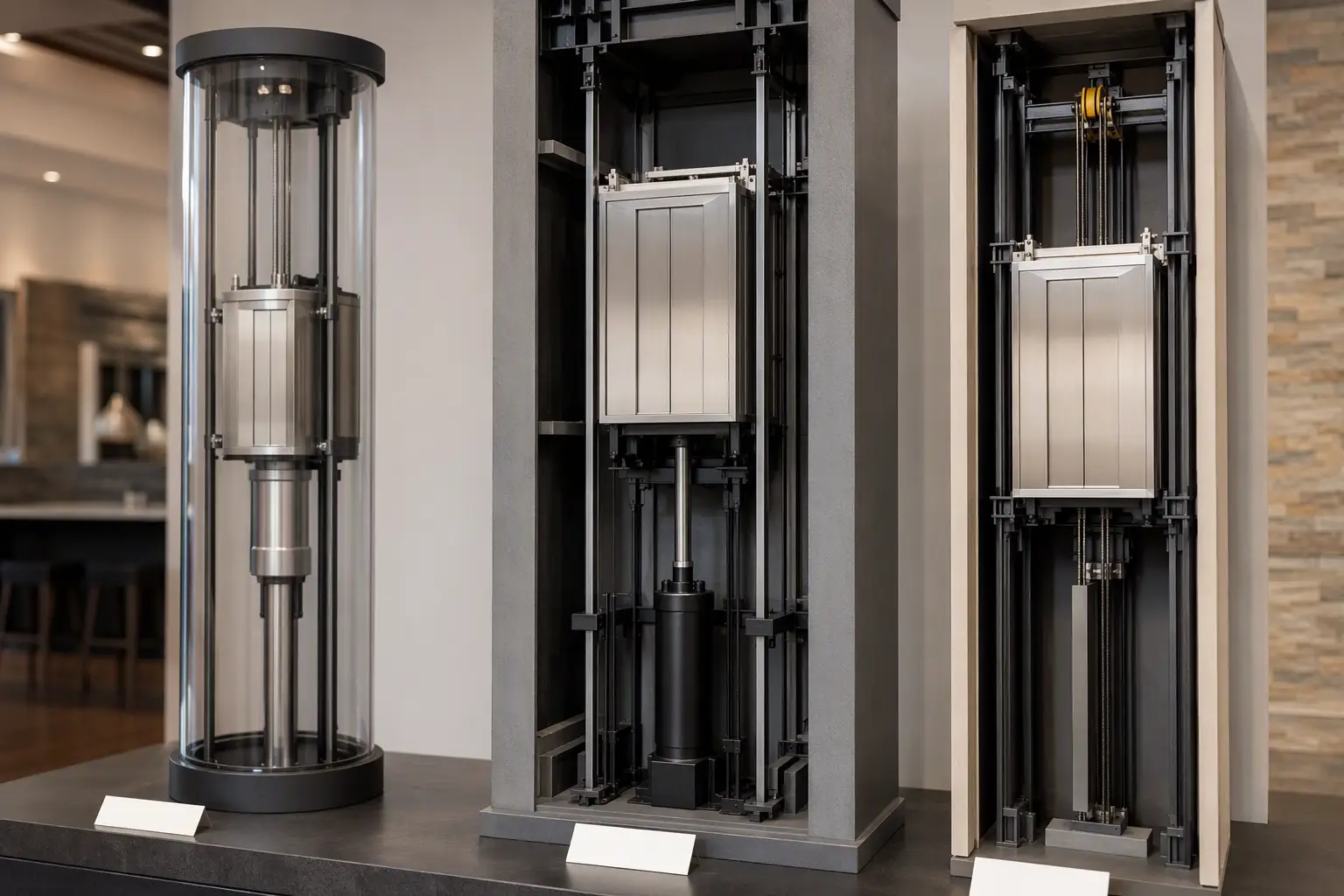
Friendswood homeowners typically evaluate three main home elevator technologies. Each carries distinct space requirements, installation complexity, and ongoing service needs.
| Elevator Type | Drive System | Machine Room Required? | Typical Install Footprint | Best For |
|---|---|---|---|---|
| Hydraulic (Residential) | Fluid-driven piston | Yes (small) | Larger shaft required | Multi-story homes, heavier loads |
| Cable / Traction | Cable and counterweight | Yes (overhead or below) | Moderate shaft | Taller homes, smoother ride preference |
| Pneumatic (Vacuum) | Air pressure differential | No | Compact cylinder | Space-constrained homes, retrofits |
The right choice depends on your home’s existing structure, floor-to-floor height, available shaft space, and budget tolerance for installation versus long-term maintenance. A qualified, TDLR-registered contractor should conduct a site assessment before any type is selected.
Is a Home Elevator Subject to Texas State Regulations?
This is one of the most important questions Friendswood homeowners ask — and the answer requires a careful distinction.
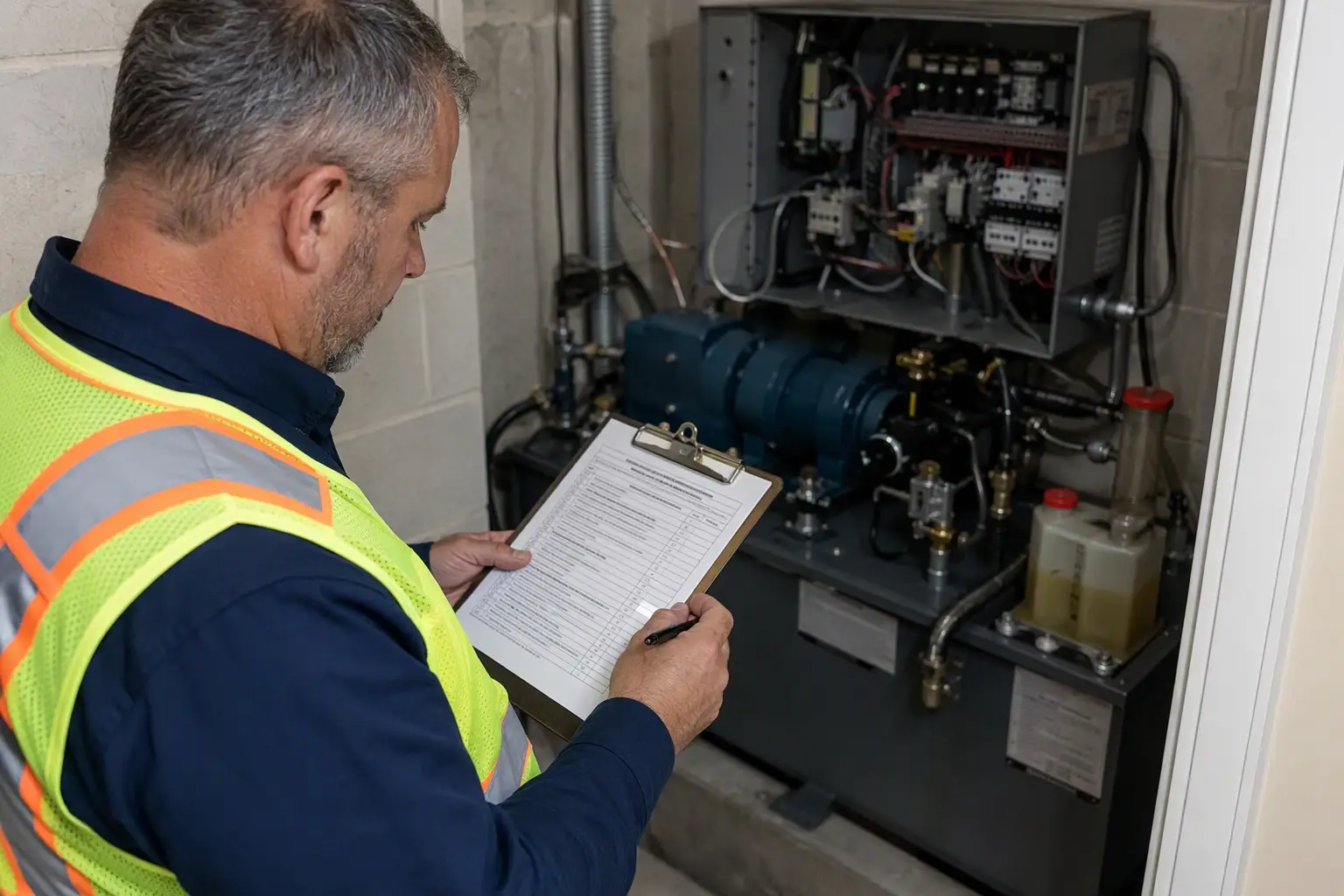
Under Texas Department of Licensing and Regulation (TDLR) elevator program rules, governed by Texas Health and Safety Code Chapter 754 and 16 Texas Administrative Code Chapter 74, TDLR does not regulate elevators in single-family dwellings — with one important exception: Texas law requires an inspection by a TDLR-registered inspector after initial installation of a home elevator, even in a single-family residence.
This means that while ongoing annual TDLR inspections are not required for a private home elevator the way they are for commercial equipment, the installation itself must still be inspected by a TDLR-registered inspector before the elevator is placed into regular use. Friendswood falls outside Houston city limits, so TDLR — not the City of Houston — is the applicable regulatory authority for Friendswood properties.
Additionally, any contractor who installs, repairs, alters, tests, or maintains elevator equipment in Texas must be registered as a contractor with TDLR. Texas-registered elevator contractors must carry general liability insurance of at least $1,000,000 per occurrence for bodily injury or death and $500,000 per occurrence for property damage.
The adopted elevator code in Texas is the ASME A17.1/CSA B44 Safety Code for Elevators and Escalators, 2016 edition, as amended by 16 TAC §74.100(b), effective November 1, 2018.
What Does the Home Elevator Installation Process Look Like Step by Step?
- Site assessment: A qualified contractor evaluates your home’s structural framing, floor-to-floor heights, and available shaft or hoistway space to determine compatible elevator types.
- Design and plan submission: Before installation begins in Texas, the registered contractor must submit plans to TDLR and obtain approval. This applies even for residential installations.
- Permit and approval: TDLR reviews submitted plans. No installation should begin before approval is granted.
- Structural preparation: Carpenters or contractors prepare the hoistway or shaft opening, reinforce load-bearing elements, and rough in electrical service as required by the equipment manufacturer and local building code.
- Equipment delivery and installation: The elevator cab, drive system, doors, and controls are installed by the TDLR-registered elevator contractor.
- Post-installation inspection: A TDLR-registered elevator inspector — selected by the homeowner — inspects the completed installation before the unit is placed in service.
- Inspection report delivery: The registered inspector must provide the inspection report within five calendar days of the inspection.
- Ongoing maintenance enrollment: The homeowner selects a TDLR-registered contractor for ongoing service and maintenance to keep the elevator operating safely.
How Do New Installation and Elevator Modernization Compare for Friendswood Homes?
| Factor | New Installation | Modernization / Retrofit |
|---|---|---|
| Project scope | Full hoistway build-out, new equipment | Upgrade existing equipment, controls, or cab |
| Structural disruption | Significant — walls, floors modified | Moderate — uses existing shaft |
| Timeline | Longer — weeks to months depending on construction | Shorter — typically days to a few weeks |
| TDLR plan submission | Required before installation | Required if alteration is material |
| Post-work inspection | Required (TDLR-registered inspector) | Required if equipment materially altered |
| Long-term reliability | Highest — all new components | Depends on scope of work performed |
| Best candidate | New construction or no existing elevator | Existing elevator in need of updates |
Modernization is often the more cost-effective path for homes that already have an elevator with a sound hoistway structure but aging mechanical or electronic components. A TDLR-registered contractor can assess whether the existing structure supports modernization or whether a full replacement is warranted.
How Should Friendswood Homeowners Compare Elevator Service Contractors?
| Evaluation Criterion | What to Look For | Red Flag |
|---|---|---|
| TDLR Registration | Active contractor registration with TDLR | No verifiable TDLR registration number |
| Insurance | $1M per-occurrence bodily injury / $500K property damage at minimum (Texas requirement) | Unwilling to provide certificate of insurance |
| Service scope | Installation, maintenance, repair, and modernization | Install-only with no ongoing service capability |
| Responsible party | Designated responsible party with qualifying experience per Texas rules | No named responsible party on record with TDLR |
| Code knowledge | Familiar with ASME A17.1-2016 as adopted in Texas | References outdated or inapplicable code editions |
| Local presence | Serves Galveston County / Friendswood area | Out-of-area contractor unfamiliar with local AHJ |
| Transparency | Written maintenance plans, clear service agreements | Verbal-only commitments, no documentation |
AmeriTex Elevator is an independently operated elevator service company serving Texas homeowners, including those in Friendswood and the greater Galveston County area. Homeowners who want an independent, non-manufacturer-tied perspective on equipment selection, maintenance, and compliance should consider requesting an assessment from AmeriTex Elevator.
What Are the Pros and Cons of Each Major Home Elevator Type for Friendswood Properties?
| Type | Pros | Cons |
|---|---|---|
| Hydraulic | Smooth ride; handles heavier loads; reliable in multi-stop applications | Requires machine room; hydraulic fluid needs periodic replacement; risk of fluid leak over time |
| Cable / Traction | Energy-efficient; smooth performance; suitable for taller homes | Overhead or below-ground machine room needed; more complex installation |
| Pneumatic | No shaft construction required; compact; quick installation; no machine room | Weight capacity limits; noise during operation; ride quality differs from cable/hydraulic |
What Maintenance Does a Home Elevator in Friendswood Require?
Consistent, documented maintenance is the single greatest factor in home elevator longevity and safe operation. Even though TDLR does not require annual inspections for elevators in single-family dwellings the way it does for commercial units, responsible homeowners schedule periodic maintenance with a TDLR-registered contractor regardless.
Routine maintenance typically includes:
- Lubrication of mechanical components (guide rails, bearings, chains or cables)
- Inspection and testing of safety devices, including safeties and buffers
- Verification of door operation and door-interlock function
- Testing of emergency lighting and communication systems
- Hydraulic fluid level and condition checks (hydraulic systems)
- Controller and drive system diagnostics
- Cab interior inspection for wear, lighting, and signage
For commercial elevators in Texas, the TDLR elevator program mandates annual inspection and a Certificate of Compliance. For residential single-family homes, the standard is set by the homeowner’s diligence and the service contractor’s recommendations — making the choice of contractor especially important.
Does a Home Elevator in Friendswood Need to Comply With ADA Requirements?
The Americans with Disabilities Act (ADA) applies to places of public accommodation and commercial facilities — not to private single-family residences. A home elevator in a Friendswood single-family home is generally not subject to ADA mandates.
However, homeowners who install elevators for accessibility purposes — to support a family member with mobility limitations — often voluntarily reference ADA design guidelines because they represent sound universal design principles. Features such as cab dimensions that accommodate a wheelchair, low-force door controls, and accessible call button placement can significantly improve usability regardless of legal obligation.
If a home is used for any commercial or rental purpose, or if the property contains a common area accessible to the public, ADA applicability should be discussed with a qualified legal or accessibility consultant, not solely a contractor.
What Are the Most Common Home Elevator Repair Issues in the Friendswood Climate?
Friendswood’s Gulf Coast climate — characterized by high humidity, heat, and occasional tropical weather events — creates specific conditions that affect home elevator equipment.
- Corrosion: Humidity accelerates corrosion on exposed metal components, particularly in hoistways that are not climate-controlled. Regular lubrication and protective coatings are important maintenance considerations.
- Electrical system sensitivity: Heat and humidity can affect control boards, wiring insulation, and motor windings. Surge protection is a worthwhile addition in areas prone to lightning and power fluctuations.
- Hydraulic fluid viscosity: Temperature extremes can affect hydraulic fluid performance. Using fluid rated for the local temperature range helps maintain consistent operation.
- Door mechanism wear: High humidity environments can cause door tracks and hardware to corrode or bind more quickly than in drier climates.
- Flooding considerations: Homes in low-lying parts of Friendswood and surrounding Galveston County should discuss pit waterproofing and equipment placement with their contractor, particularly for hydraulic systems where the pit can accumulate water.
How Does Friendswood’s Location Affect Elevator Contractor Selection?
Friendswood is located in Galveston County and falls under TDLR jurisdiction — not the City of Houston’s separate elevator program. This distinction matters: the City of Houston runs its own elevator program and TDLR does not regulate elevators inside Houston city limits. Friendswood homeowners should confirm that their contractor is registered with TDLR and familiar with TDLR’s requirements specifically, not solely Houston’s program requirements.
Choosing a contractor with demonstrated experience in the Galveston County and Friendswood service area means shorter response windows for maintenance and repair, familiarity with local building departments for any structural permitting, and knowledge of the specific climate considerations described above.
AmeriTex Elevator serves the Friendswood area and operates in Texas, providing homeowners with an independent, locally knowledgeable option for installation, maintenance, modernization, and repair services.
What Questions Should Friendswood Homeowners Ask Before Signing an Elevator Service Agreement?
- Is your company currently registered as an elevator contractor with TDLR? What is your registration number?
- Do you carry at least $1,000,000 per-occurrence general liability insurance for bodily injury, as required under Texas law?
- Who is your designated responsible party on file with TDLR?
- Will you submit plans to TDLR and obtain approval before installation begins?
- Can you coordinate or recommend a TDLR-registered inspector for the post-installation inspection?
- What does your maintenance agreement cover, and how is emergency repair handled?
- Are your technicians supervised in compliance with Texas contractor registration requirements?
- What is your experience with the specific elevator type I am considering (hydraulic, traction, pneumatic)?
Comparison Summary: Key Decision Factors at a Glance
| Decision Factor | What It Means for Friendswood Homeowners |
|---|---|
| Regulatory jurisdiction | TDLR governs Friendswood (not City of Houston program) |
| Post-installation inspection | Required by Texas law even for single-family residences |
| Contractor registration | Must be TDLR-registered; verify before signing any agreement |
| Adopted code | ASME A17.1-2016 as amended by Texas rules |
| Ongoing inspections | Not mandated annually by TDLR for single-family homes, but strongly advisable |
| Climate factors | Gulf Coast humidity, heat, and flooding risk affect equipment choices and maintenance frequency |
| ADA applicability | Not required for private residential use; useful as a design benchmark |
| Independent vs. manufacturer-tied service | Independent contractors offer unbiased equipment and service recommendations |
Contact AmeriTex Elevator for a free elevator assessment at 844-646-9660.
Need elevator service you can rely on? AmeriTex Elevator is ready to help.