Elevator Maintenance & Inspection Requirements for Hotels and Hospitality Buildings in Texas and California
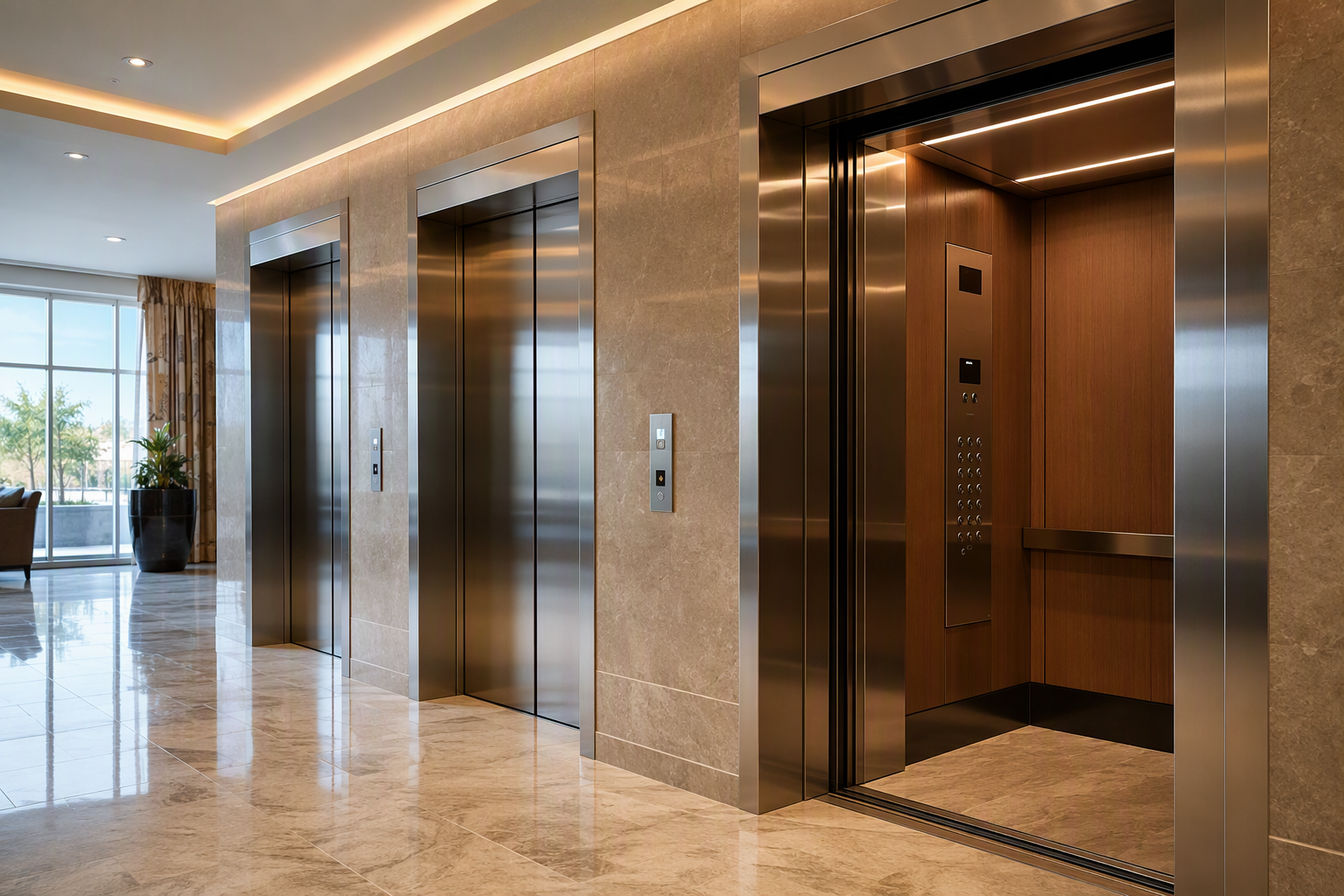
Elevators are critical infrastructure in hotels, resorts, extended-stay properties, and hospitality venues. Guests rely on them around the clock, and a compliance failure can mean equipment shutdowns, liability exposure, and reputational damage. Understanding the specific maintenance and inspection requirements that apply in Texas and California is the first step toward keeping a hospitality property safe, operational, and code-compliant in 2026.
—
What Federal and State Codes Govern Hotel Elevators?
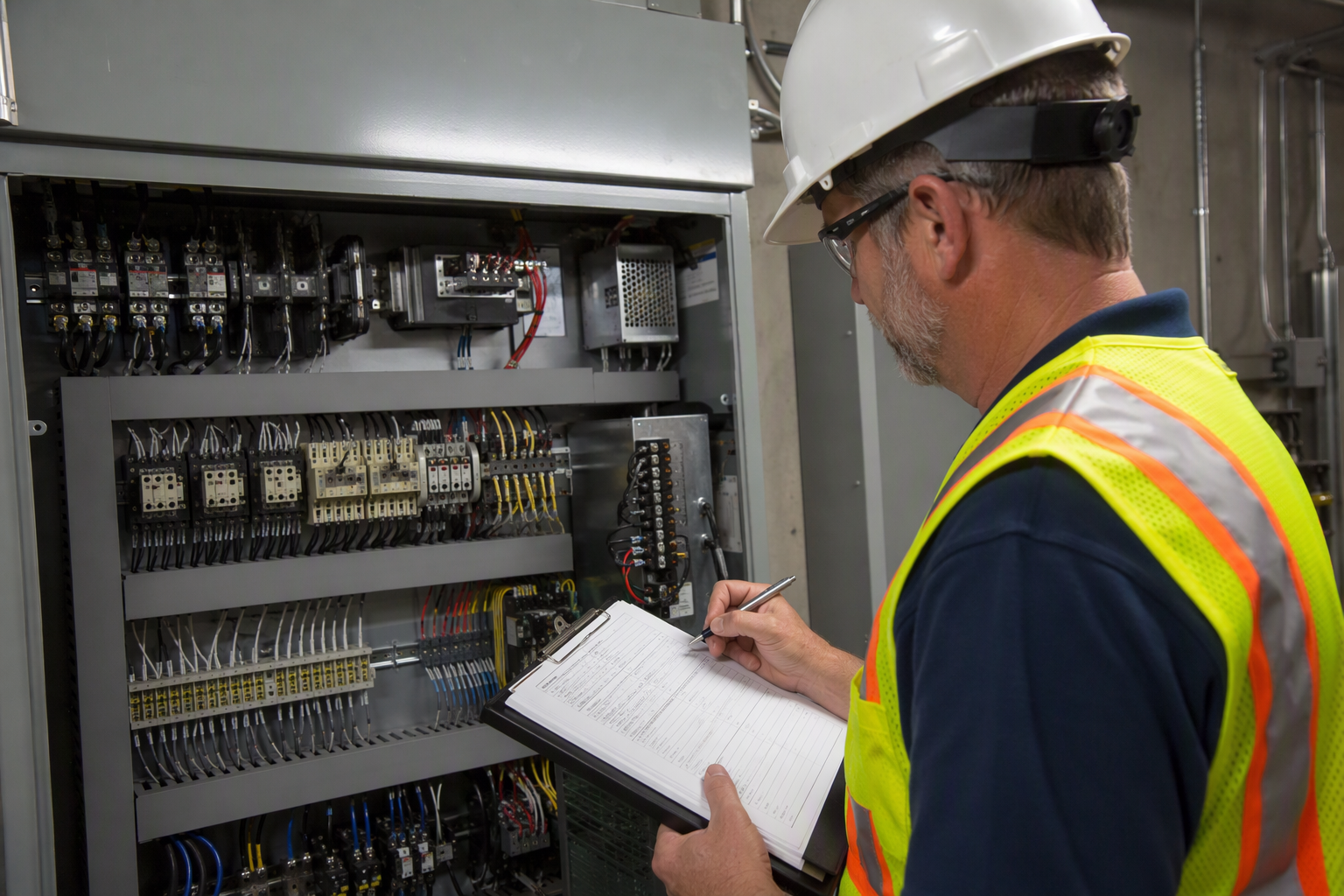
Hotel elevators in Texas and California must satisfy requirements layered across federal standards and state enforcement frameworks.
At the federal level, the ASME A17.1 Safety Code for Elevators and Escalators establishes minimum design, installation, and maintenance requirements for new elevator installations. For existing elevators already in service, ASME A17.3 Safety Code for Existing Elevators and Escalators defines the retroactive safety requirements that continue to apply throughout the life of the equipment. Both codes are referenced by Texas and California as the baseline technical standards.
The Americans with Disabilities Act (ADA) mandates that elevators in multi-story hotels provide accessible service, including compliant cab dimensions, door timing, tactile controls, and audible floor announcements. ADA requirements are enforced federally and apply regardless of which state the property is located in.
Workplace safety obligations that touch elevator maintenance personnel fall under OSHA standards for general industry and construction, including lockout/tagout procedures when technicians perform service work.
Texas: TDI Boiler and Elevator Division
In Texas, the Boiler and Elevator Division within the Texas Department of Insurance (TDI) administers elevator safety. TDI requires that elevators in public accommodations — a category that includes hotels — hold a current Certificate of Inspection. Inspections must be performed by TDI-licensed inspectors, and the certificate must be posted or made available inside the elevator cab. TDI also requires that elevator contractors performing maintenance or repair work in Texas hold a valid TDI elevator contractor license.
California: Cal/OSHA Elevator Unit
In California, the Elevator Unit within the Department of Industrial Relations — operating under Cal/OSHA — is the authority having jurisdiction (AHJ) for conveyance safety. California requires a current Permit to Operate for each elevator, and that permit must be renewed following a periodic inspection performed by a Cal/OSHA-certified inspector or a certified qualified conveyance inspector working on behalf of the owner. Hotels in Los Angeles and San Diego are subject to the same statewide permitting and inspection framework, though local building departments may impose additional conditions during construction permit review.
—
How Often Must Hotel Elevators Be Inspected in Texas and California?
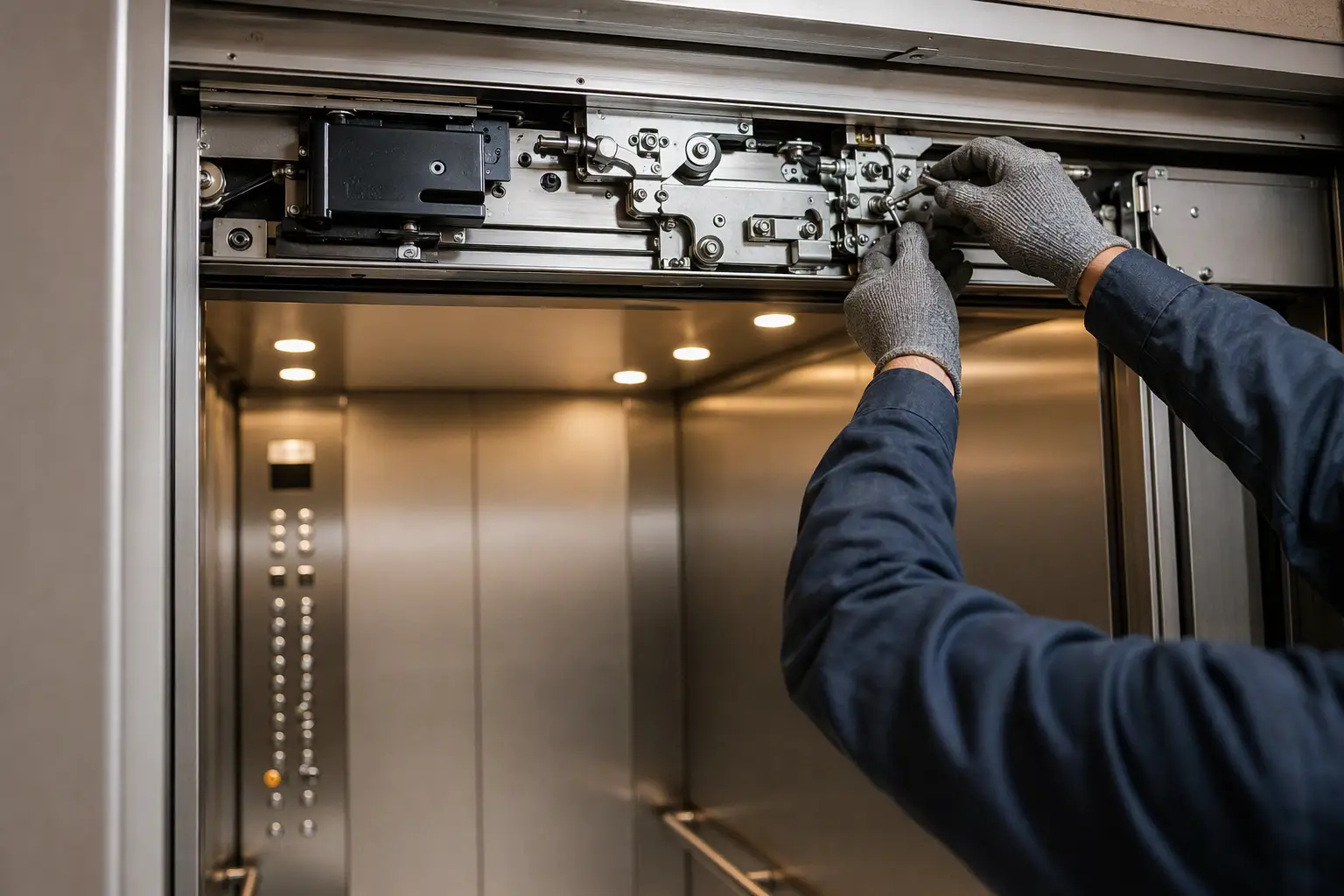
Inspection frequency is determined by state regulation in each jurisdiction, generally aligned with ASME A17.1 and A17.3 guidance.
In Texas, TDI sets periodic inspection intervals for conveyances in public-use buildings. Hydraulic elevators and traction elevators serving hotel guests are subject to annual inspections, and the resulting Certificate of Inspection has a defined expiration that must be met to keep the equipment legally operating.
In California, the Cal/OSHA Elevator Unit requires that conveyances operating under a Permit to Operate undergo periodic inspections at intervals established in California’s elevator safety regulations, which reference ASME A17.1 and A17.3 as the technical baseline. Hotels that allow the permit to lapse face stop-use orders that can ground elevators immediately — a significant operational risk for hospitality properties with constant guest traffic.
AmeriTex Elevator helps hotel operators in Houston, Dallas, Austin, San Antonio, Los Angeles, and San Diego track these inspection cycles and coordinate with licensed inspectors so permit renewals never lapse.
—
What Does a Routine Elevator Maintenance Program for Hotels Include?
A maintenance program consistent with ASME A17.1 requirements for hotels typically covers the following elements:
- Lubrication and mechanical adjustments — rail guides, hoist ropes, sheaves, door operators, and buffers
- Safety device testing — governor, safeties, buffers, and emergency stops verified to actuate correctly
- Door system inspection — door open and close forces, closing speeds, door reopening devices, and sill clearances
- Electrical system checks — control panel, wiring, lighting circuits, and emergency lighting inside the cab
- Emergency communication testing — two-way communication system required by ASME A17.1 for trapped passengers
- Hydraulic system service (for hydraulic elevators) — fluid levels, cylinder condition, pressure relief valves, and pit conditions
- ADA accessibility verification — cab leveling accuracy, door timing, handrail condition, and control button visibility
- Pit and machine room inspection — housekeeping, lighting, fire suppression readiness, and access controls
Hotels with high-traffic lobby elevators, service elevators, and freight lifts each present distinct wear patterns. A maintenance program should be tailored to the usage intensity and equipment type at each property.
—
What ADA Requirements Apply Specifically to Hotel Elevators?
Under the ADA, hotels with elevators must provide accessible vertical transportation that meets the ADA Standards for Accessible Design. Key provisions include:
- Minimum interior cab dimensions that accommodate wheelchair users
- Controls positioned at accessible heights on both the car operating panel and hall stations
- Tactile and Braille markings on all controls
- Audible signals and visible indicators for floor announcements
- Door reopening devices that respond to obstructions without contact
- Leveling accuracy sufficient to minimize gaps between the cab floor and the landing
ADA compliance is not a one-time construction check — ongoing maintenance directly affects accessibility performance. A door that no longer meets force or timing thresholds, or a leveling system that has drifted out of adjustment, can create ADA violations even in a previously compliant installation.
—
What Are the Consequences of a Failed Inspection for a Hotel?
A failed elevator inspection in Texas or California carries consequences that extend well beyond the immediate repair cost. Regulators in both states have authority to issue stop-use orders requiring that non-compliant elevators be taken out of service until deficiencies are corrected and a re-inspection is passed. For a hotel, that means:
- Reduced guest capacity if service elevators or guest-floor elevators are grounded
- ADA compliance exposure if accessible elevator service is interrupted
- Potential civil liability if a guest is injured on equipment with documented unresolved deficiencies
- Reputational impact from visible out-of-service notices in guest-facing areas
Addressing deficiencies proactively — before the inspection — is always less disruptive and less costly than emergency remediation after a stop-use order.
—
How Should a Hotel Prepare for a Scheduled Elevator Inspection?
Hotel engineering and facilities teams can take the following steps to prepare for a periodic inspection:
- Audit maintenance records. Confirm that all required maintenance visits have been completed and documented. Inspectors in both Texas and California may request maintenance logs as part of the inspection.
- Test all safety devices in advance. Verify that governors, safeties, door reopening devices, and emergency communication systems function correctly before the inspector arrives.
- Clear the machine room and pit. Remove stored items, confirm lighting is functional, and verify that fire extinguishers and other required equipment are in place.
- Check posted documentation. Confirm that the current Certificate of Inspection (Texas) or Permit to Operate (California) is posted as required, along with the elevator contractor license information where applicable.
- Verify ADA-related adjustments. Test cab leveling, door timing, and control functionality to confirm accessibility compliance before the inspection date.
- Coordinate building access. Ensure the inspector has unobstructed access to the machine room, pit, and all landings. Notify housekeeping and front desk staff of the inspection schedule to minimize service interruptions.
- Review any outstanding deficiencies. If a prior inspection noted items to be corrected, confirm all corrections have been completed and documented.
—
What Is the Difference Between a Maintenance Contract and an Inspection?
These two obligations are distinct and both required. A maintenance contract with a licensed elevator contractor — such as AmeriTex Elevator — provides the ongoing mechanical care, lubrication, adjustment, and safety device testing that keeps equipment in compliant operating condition between inspection cycles. The periodic inspection is a separate formal event conducted by a state-licensed or state-certified inspector who evaluates whether the equipment meets applicable code requirements and issues the Certificate of Inspection or Permit to Operate that authorizes legal operation.
In Texas, TDI requires that the elevator contractor performing maintenance hold a current TDI license. In California, the elevator mechanic performing maintenance must hold a valid California Elevator Mechanic Certification. Hotels should verify that any contractor they engage holds the applicable credentials for the state where the property is located.
—
Do Older Hotel Elevators Need to Meet Current Code Requirements?
Yes — to the extent required by ASME A17.3, which governs existing elevators. ASME A17.3 identifies specific retroactive safety requirements that apply to elevators installed under prior code editions. These include upgrades related to door reopening devices, firefighters’ emergency operation, car lighting, and other life-safety features that have been added to the code over successive editions.
Both Texas and California reference ASME A17.3 to define what existing equipment must be brought into compliance with, even if the elevator was originally installed and approved under an older standard. Hotel ownership groups acquiring older properties should conduct a code-compliance gap analysis to identify any retroactive requirements that have not yet been addressed.
AmeriTex Elevator performs compliance assessments for existing hotel elevators across its Texas and California service markets to help ownership teams understand current obligations before they become inspection failures.
—
Are There Special Requirements for Service and Freight Elevators in Hotels?
Service elevators and freight lifts in hotels are subject to the same ASME A17.1 and A17.3 requirements as passenger elevators, with classifications and loading specifications that differ based on intended use. Freight elevators are classified under ASME A17.1 according to the type of freight and loading method, and the cab and safety system design requirements vary accordingly.
ADA requirements generally apply to passenger elevators rather than freight-only conveyances, but if a service elevator is routinely used by guests or staff with disabilities, accessibility standards become relevant. Hotel operators should confirm the use-case classification of each conveyance with their elevator contractor and with the applicable AHJ.
—
Questions Your Inspector Will Ask
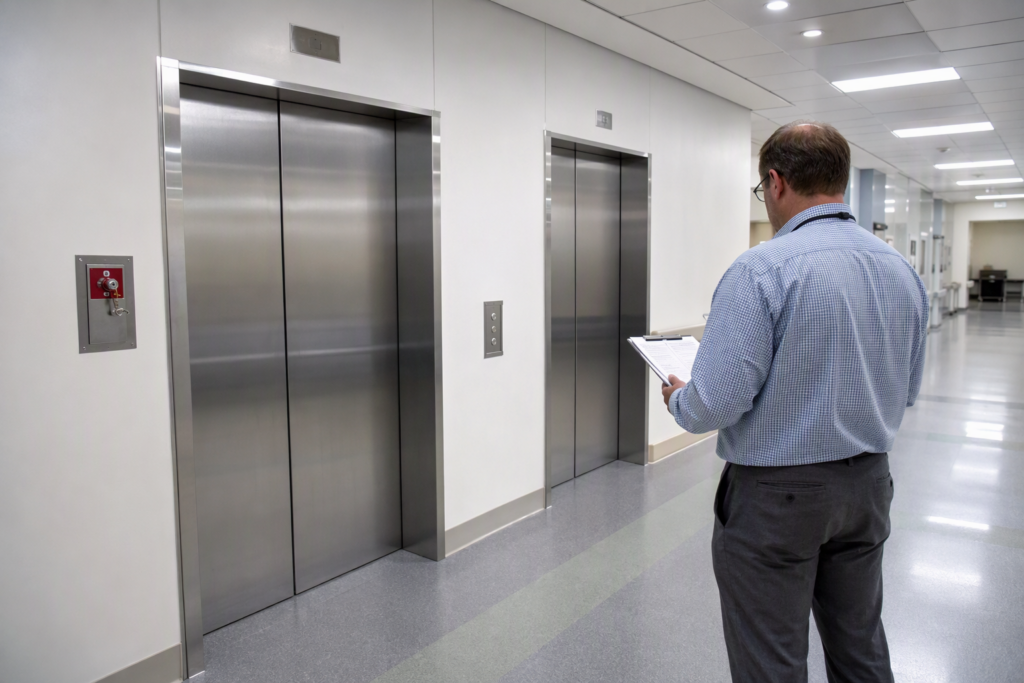
When a TDI-licensed inspector (Texas) or Cal/OSHA-certified inspector (California) arrives at a hotel property, the evaluation goes beyond a physical check of the equipment. Inspectors commonly ask or verify the following:
- Is the current Certificate of Inspection or Permit to Operate posted inside the cab? Both states require this documentation to be accessible and current.
- Who holds the elevator maintenance contract, and are they a licensed contractor in this state? Inspectors may ask to see contractor license documentation.
- When was the last maintenance visit, and is it documented? Maintenance logs should reflect visits at intervals consistent with the maintenance contract and manufacturer recommendations.
- Have all safety devices been tested within the required interval? Governor and safety tests, buffer tests, and other periodic safety tests have defined intervals under ASME A17.1.
- Are there any outstanding deficiencies from the prior inspection? Inspectors will cross-reference prior inspection reports to confirm noted items have been resolved.
- Is firefighters’ emergency operation functional and tested? Phase I and Phase II firefighters’ operation is required under ASME A17.1 and must be verified.
- Is the machine room secured and in compliant condition? Access controls, lighting, temperature, and housekeeping in the machine room are all subject to review.
- Is the pit dry and accessible? Pit flooding, stored equipment, and inadequate lighting are common deficiencies cited in hospitality properties.
—
How Can Hotel Operators Select a Qualified Elevator Maintenance Provider?
When evaluating elevator maintenance contractors for a hospitality property, hotel operators and facilities managers should confirm:
- The contractor holds a current elevator contractor license issued by TDI (Texas) or is authorized to operate under California’s elevator safety program
- Technicians hold the applicable state mechanic certifications for the jurisdiction where work will be performed
- The contractor has demonstrated experience servicing the specific equipment manufacturer and model type installed at the property
- Maintenance agreements clearly define visit frequency, scope of work, and documentation practices
- The contractor can support the hotel through the inspection process, including coordinating with the AHJ and addressing any deficiencies identified
AmeriTex Elevator serves hotel and hospitality properties across Houston, Dallas, Austin, San Antonio, Los Angeles, and San Diego, providing maintenance programs and inspection support designed to keep conveyances compliant and continuously operational.
—
What Should a Hotel Do Immediately After Receiving a Failed Inspection Notice?
- Take the cited equipment out of service if the deficiency poses an immediate safety risk or if the inspector or AHJ has issued a stop-use order.
- Notify the elevator maintenance contractor immediately and provide the full written inspection report so the scope of required corrections is clearly understood.
- Communicate proactively with guests and staff about service limitations and alternative access routes, including any ADA-accessible alternatives that remain in service.
- Prioritize life-safety deficiencies — items related to safeties, brakes, door systems, and emergency communication should be addressed before aesthetic or minor compliance items.
- Document all corrective work with dated records, parts used, and technician credentials — this documentation will be reviewed at re-inspection.
- Schedule the re-inspection promptly with the applicable AHJ (TDI in Texas; Cal/OSHA Elevator Unit in California) once all cited deficiencies have been corrected and verified.
—
Contact AmeriTex Elevator for a Free Elevator Assessment
Hotel and hospitality properties across Texas and California trust AmeriTex Elevator to keep conveyances compliant, safe, and continuously operational. Whether a property needs a compliance gap analysis for an aging elevator system, ongoing maintenance under a structured service agreement, or support preparing for a TDI or Cal/OSHA inspection, AmeriTex Elevator’s licensed team serves Houston, Dallas, Austin, San Antonio, Los Angeles, and San Diego.
Contact AmeriTex Elevator for a free elevator assessment: 866-679-4313
Need elevator service you can rely on? AmeriTex Elevator is ready to help.