Elevator Modernization Cost Breakdown: What Building Owners Need to Know
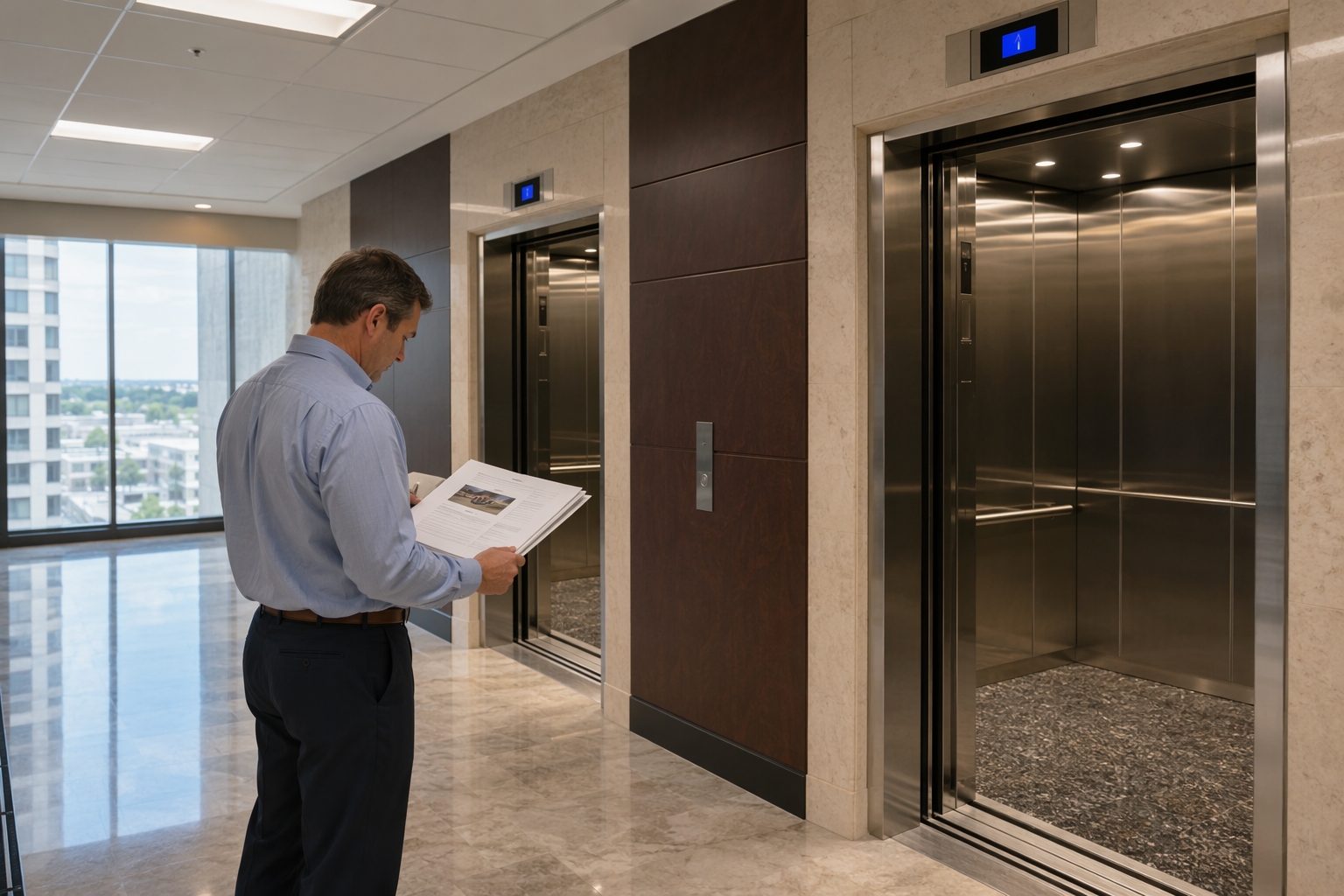
Understanding what drives elevator modernization costs helps building owners, facility managers, and property developers make informed capital planning decisions. This guide breaks down every major cost category, explains what code requirements apply, and answers the most common questions buyers ask before committing to a modernization project.
What Is Elevator Modernization?
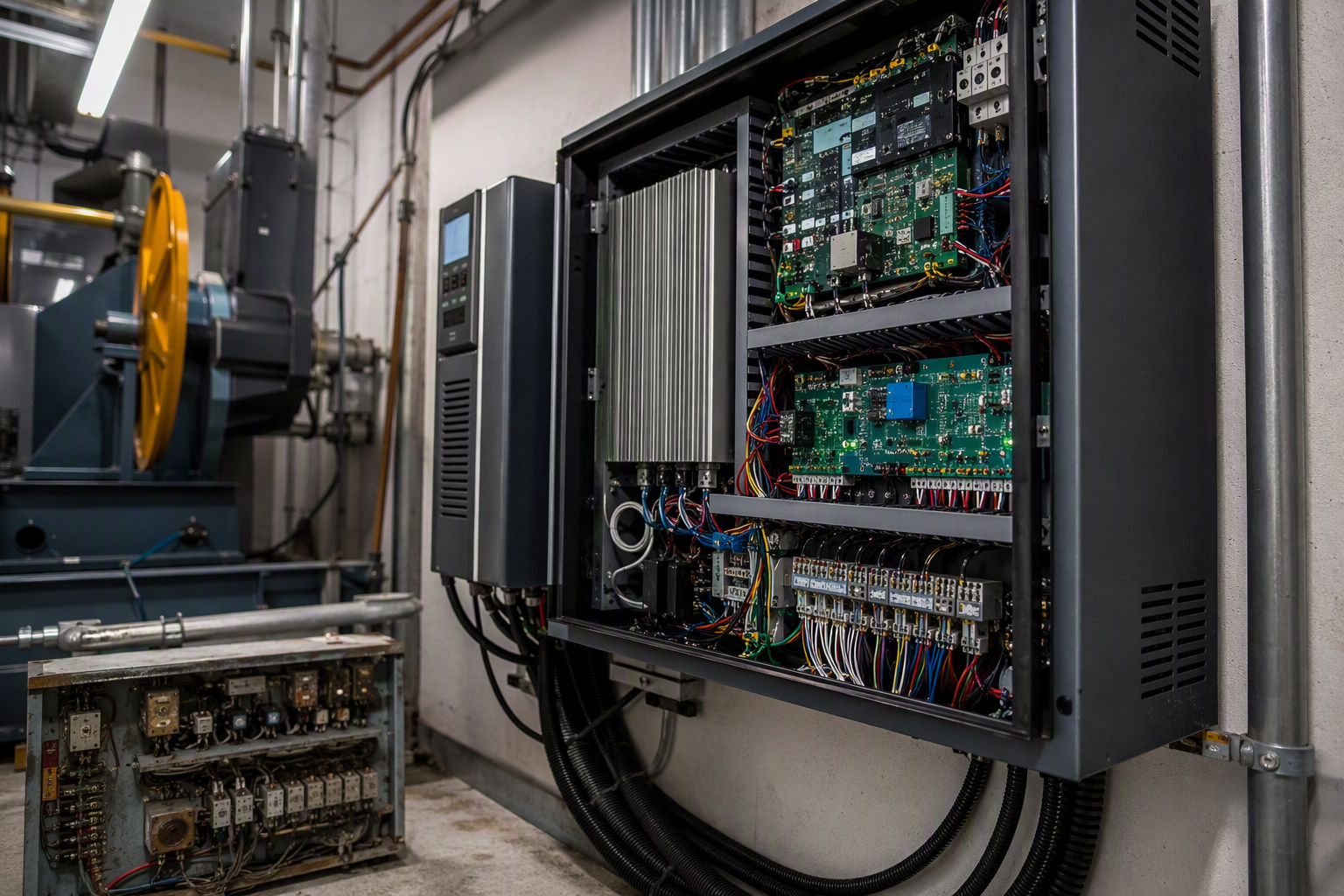
Elevator modernization is the process of upgrading an existing elevator’s mechanical, electrical, or structural components — or all three — without necessarily replacing the entire hoistway. It sits between routine maintenance and a full new-installation replacement. Modernization projects range from a targeted controller upgrade to a comprehensive overhaul that touches the drive system, cab interior, door operator, signals, and safety devices.
The distinction matters for cost planning because a partial modernization focused on a single subsystem carries a very different price profile than a full modernization that replaces nearly every component except the rails and hoistway structure.
What Are the Main Cost Categories in an Elevator Modernization?
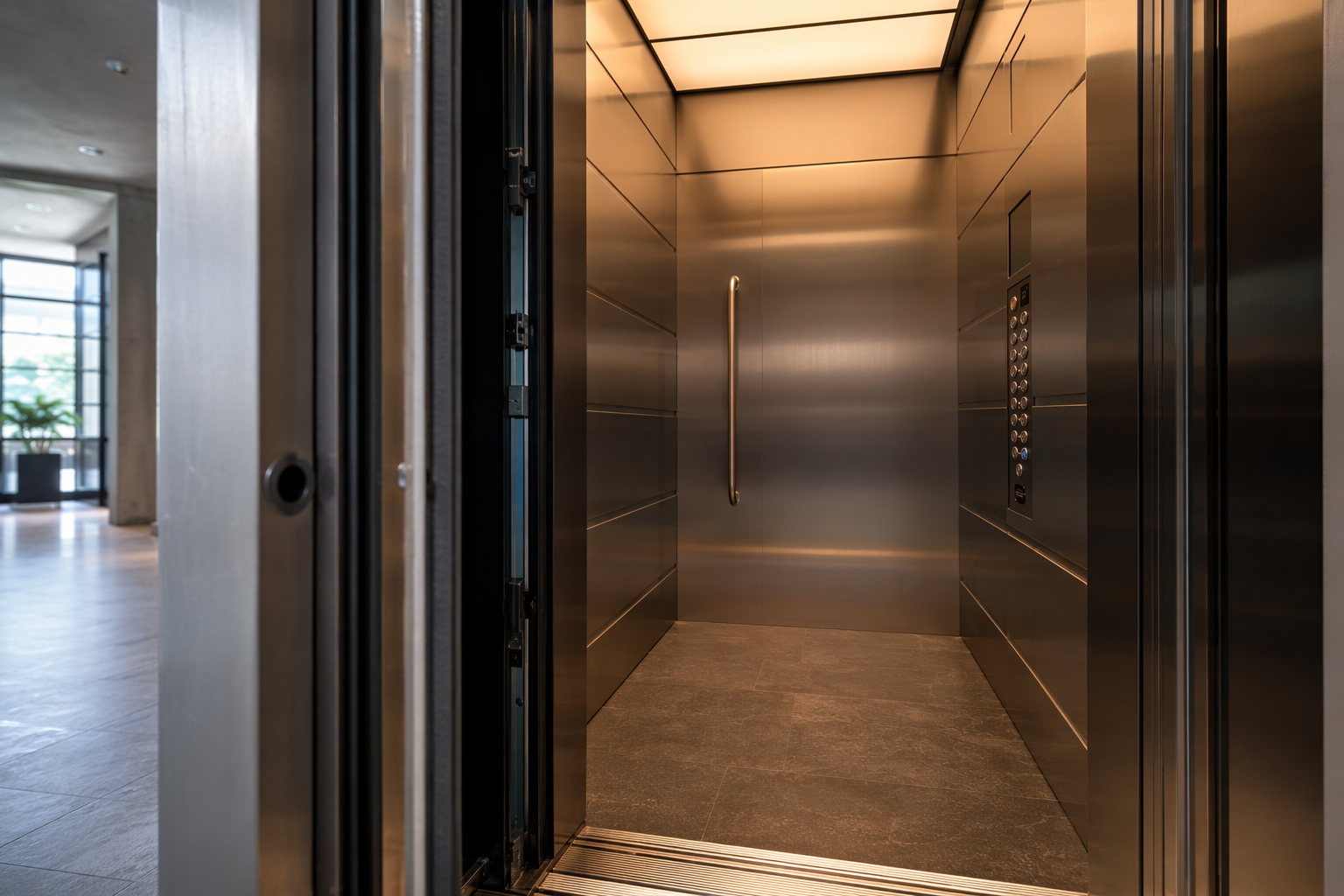
Every modernization budget draws from the same core cost buckets. The weight of each bucket shifts based on scope, building type, and the age of existing equipment.
1. Controller and Drive System Replacement
The control system is often the single largest line item in a modernization project. Older relay-logic controllers are no longer supported by most manufacturers, making parts scarce and reliability poor. Replacing a relay panel with a modern solid-state microprocessor controller — along with a variable-voltage, variable-frequency (VVVF) drive — typically represents a substantial portion of total project cost. The drive system directly governs ride quality, energy consumption, and the ability to integrate with building automation systems.
2. Door Operators and Entrances
Door systems are among the most failure-prone components on aging elevators. A full door operator replacement — including new hanger tracks, gibs, sills, and the operator mechanism itself — is commonly included in mid-to-full modernizations. Door work also triggers ADA compliance review, since door timing, reopening devices, and clear opening widths must meet current accessibility standards.
3. Cab Interior Renovation
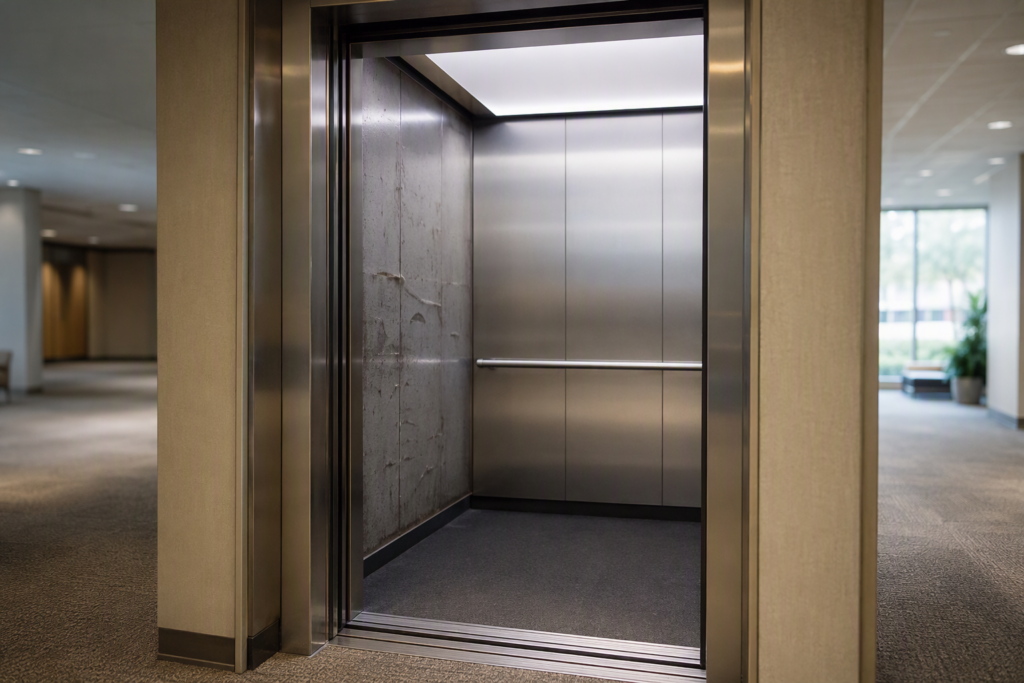
Cab work spans a wide range — from a basic panel refresh to a full removal and reinstallation of walls, flooring, ceiling, lighting, and handrails. Aesthetic cab upgrades are often the most visible modernization element to building occupants and tenants, which makes them a priority for commercial and luxury residential properties. Costs scale with material choices: stainless steel, glass, and custom millwork carry premium price points compared to standard painted or laminate finishes.
4. Safety and Code Compliance Upgrades
Code-driven work is non-negotiable. The ASME A17.1 Safety Code for Elevators and Escalators establishes the baseline safety requirements that apply to modernized elevators in the United States, and many jurisdictions adopt updated editions of ASME A17.1 on rolling schedules. Work that triggers a permit — which most modernizations do — typically requires the elevator to be brought into compliance with the currently adopted code edition in that jurisdiction.
Required safety upgrades commonly include:
- Oil buffer upgrades or replacement
- Governor and safeties testing and certification
- Emergency lighting and communication systems
- Firefighters’ emergency operation (Phase I and Phase II)
- Door restrictors and retiring cam devices
- Seismic upgrades (in applicable geographic zones)
OSHA requirements may also apply in facilities where elevators are used for material handling or construction purposes, adding an additional compliance layer to the cost structure.
5. Machine Room and Hoistway Work
Depending on the scope, modernization may require hoistway wiring replacement, pit lighting upgrades, machine room ventilation improvements, or structural modifications to accommodate new equipment footprints. Machine roomless (MRL) retrofits — converting a traditional machine room traction system to a machine roomless configuration — represent a specialized and generally higher-cost subset of modernization work.
6. Labor and Project Management
Labor is a significant and often underestimated cost driver. Elevator mechanics are specialized tradespeople, and labor rates vary considerably by region, union jurisdiction, and project complexity. Projects that require phased work to keep an elevator partially in service cost more in labor than straightforward shutdowns. Permit fees, inspection fees, and expediting costs also belong in this category.
7. Downtime and Business Interruption
While not a line item on a contractor invoice, building owners must account for the indirect cost of elevator unavailability. A full modernization may take four to twelve weeks per elevator depending on scope and parts lead times. In multi-elevator buildings, staggered scheduling helps, but in single-elevator buildings — particularly those serving senior residents or ADA-dependent occupants — downtime carries real operational and liability implications.
How Does Building Type Affect Modernization Cost?
Building type shapes scope requirements significantly:
- Low-rise commercial buildings (2–5 floors): Hydraulic elevators are common in this segment. Hydraulic modernizations may involve pump unit replacement, valve upgrades, and tank lining for environmental compliance — a different cost profile than traction elevator work.
- Mid-rise office or multifamily (6–20 floors): Traction systems dominate. Full controller, drive, and door modernizations are common. Cab renovations are often prioritized to support tenant retention.
- High-rise buildings (20+ floors): Higher-speed systems, more complex safety requirements, and longer cable runs all increase costs. High-rise modernizations are more likely to involve phased, multi-year capital programs rather than single-contract projects.
- Healthcare and senior living: These facilities face the most stringent ADA and accessibility requirements. Door timing, leveling accuracy, and communication systems receive extra scrutiny from inspectors.
- Historic buildings: Preservation requirements may limit the hoistway modifications available, adding engineering complexity and cost.
What Does a Partial Modernization Include?
A partial modernization targets one or two subsystems rather than the full elevator. Common partial scopes include:
- Controller-only replacement (leaving the existing drive, cab, and doors)
- Door operator package (operator, hanger, sill, and detector upgrades without touching controls)
- Cab interior-only renovation (cosmetic refresh with no mechanical changes)
- Safety device upgrades driven by a specific inspection finding or code notice
Partial modernizations cost less upfront but may not extend equipment life as effectively as a full modernization. They also carry the risk that other aging subsystems will fail shortly after the targeted work is complete, leading to higher cumulative spending over time. A lifecycle cost analysis performed before work begins helps building owners evaluate the true economics.
How Do You Plan and Budget an Elevator Modernization Project?
A structured approach reduces surprises and keeps projects on budget. The following steps represent industry best practice for modernization planning:
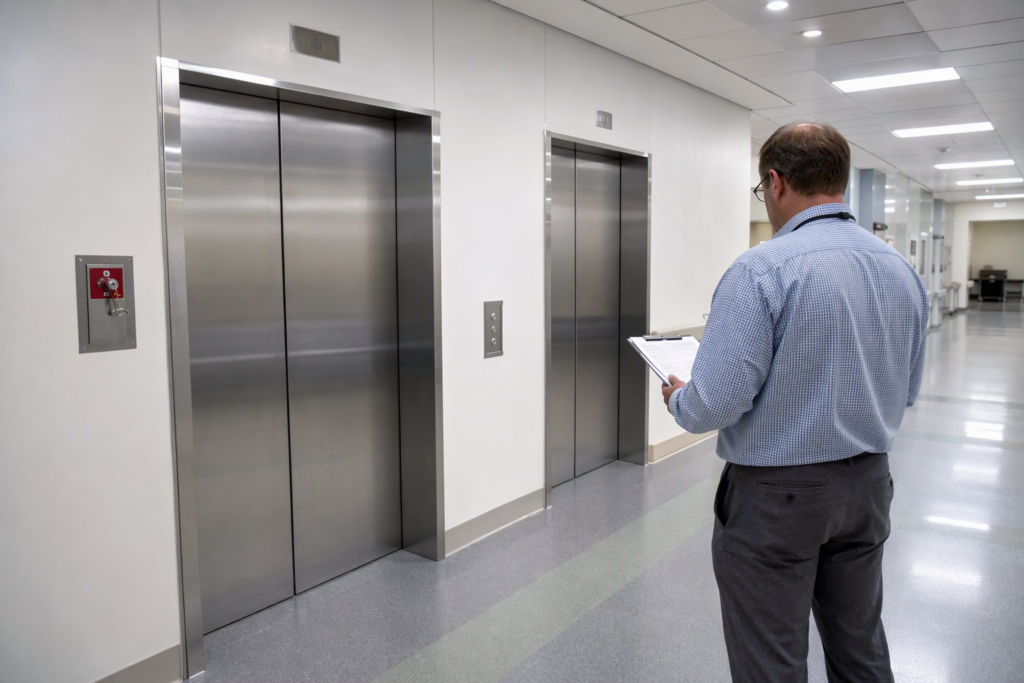
- Commission a condition assessment. A qualified elevator consultant or licensed elevator company evaluates the existing equipment, identifies code deficiencies, documents component ages, and produces a scope-of-work basis for contractor bidding.
- Determine the applicable code edition. Confirm with the local Authority Having Jurisdiction (AHJ) which edition of ASME A17.1 and any state or local amendments are enforced. This defines the mandatory compliance scope.
- Develop a detailed specification. A written specification prevents apples-to-oranges contractor comparisons. It should define equipment standards, warranty terms, downtime limits, and acceptance testing criteria.
- Solicit competitive bids. Obtain at least three bids from qualified elevator contractors. Require itemized breakdowns so individual cost components can be compared across proposals.
- Evaluate bids for scope completeness. The lowest bid is not always the most economical if it excludes required code work or specifies lower-quality components. Verify that all bids address the same scope.
- Negotiate warranty and service terms. Post-modernization warranty coverage — typically one to two years on parts and labor — is a meaningful variable in overall value.
- Develop a downtime mitigation plan. Coordinate with building management to schedule the shutdown during a low-impact period, communicate timelines to tenants, and arrange temporary accessibility accommodations where required under ADA.
- Secure permits before work begins. Most jurisdictions require permit approval prior to modernization work. Beginning work without a permit can result in stop-work orders and required demolition of completed work.
What Code Compliance Requirements Drive Modernization Costs?
Code compliance is the most structurally unpredictable cost driver because it depends on the jurisdiction’s adopted code edition and the age of the existing equipment. When a modernization permit is filed, the AHJ reviews the existing elevator against the current code, and any non-complying conditions must be corrected as part of the permit scope — even if the owner’s original plan did not include those items.
The ASME A17.1 Safety Code for Elevators and Escalators is revised on a regular cycle. Jurisdictions adopt new editions at different intervals, creating significant geographic variation in compliance requirements. In 2026, many jurisdictions are enforcing editions that include requirements for two-way video communication, enhanced car enclosure integrity, and more stringent landing zone leveling tolerances — all of which carry cost implications for older equipment.
ADA requirements apply when modernization work triggers accessibility review. The ADA Standards for Accessible Design specify minimum cab dimensions, control button height and reach ranges, audible signals, and Braille markings — each of which may require retrofit work on older equipment.
How Long Does an Elevator Modernization Take?
Project duration depends on scope, parts availability, and contractor scheduling. A targeted partial modernization — such as a controller replacement — may take two to four weeks. A full modernization encompassing controls, drive, doors, and cab typically takes six to twelve weeks per unit. Complex or high-rise projects with custom components or significant code work can extend beyond twelve weeks, particularly when specialty parts are sourced from overseas manufacturers facing supply chain delays.
Parts lead times have been a notable challenge across the elevator industry in recent years. Building owners are advised to confirm current lead times with their contractor before setting a project timeline, especially for drive systems and microprocessor controllers from manufacturers that have consolidated or exited certain product lines.
How Does Elevator Age Affect the Modernization vs. Replacement Decision?
Age alone does not determine whether to modernize or replace, but it is a critical input. Elevators in the 20-to-40-year age range are generally strong modernization candidates — the hoistway and structural elements retain value, but the mechanical and electrical systems have reached the end of their practical service lives. Elevators older than 40 years may present obsolete hoistway dimensions or structural conditions that limit the available modernization options and push the economics toward full replacement.
A lifecycle cost analysis that projects maintenance costs, downtime probability, and energy consumption under both scenarios helps clarify the decision. Energy efficiency is an increasingly important variable: modern VVVF drive systems can deliver meaningful reductions in electricity consumption compared to older single-speed or two-speed AC systems, which has a compounding effect on operating cost over a 20-to-25-year post-modernization lifecycle.
What Industry Trends Are Shaping Modernization Costs in 2025–2026?
Several structural trends are influencing modernization economics heading into 2026:
- Destination dispatch and smart controls: More building owners are incorporating destination dispatch systems — which group passengers by destination floor to reduce wait times and energy use — into modernization scopes. These systems add cost but increasingly appeal to Class A office and multifamily properties competing for tenants.
- Remote monitoring and IoT integration: Modern controllers support real-time remote monitoring, predictive diagnostics, and integration with building management systems. Buyers are increasingly specifying these capabilities as standard rather than optional, which affects both the initial modernization cost and the long-term maintenance model.
- Energy codes and sustainability requirements: Municipal energy benchmarking ordinances and green building certification programs are driving interest in elevator efficiency upgrades. Regenerative drive systems — which return energy to the building grid during braking — are becoming a more common modernization specification in sustainability-focused properties.
- Supply chain normalization: After disruptions in recent years, parts availability for major elevator systems has been gradually improving, though lead times for specialized components remain longer than pre-2020 norms. Contractors and owners are building more buffer time into project schedules.
- Code enforcement activity: Increased inspection frequency in many urban jurisdictions, combined with more rigorous enforcement of outstanding violations, is accelerating modernization timelines for buildings that have deferred capital work.
What Questions Should You Ask an Elevator Modernization Contractor?
Before executing a contract, building owners and facility managers should ask prospective contractors the following:
- Is the scope based on a physical inspection of the existing equipment, or a generic estimate?
- Which edition of ASME A17.1 does the local AHJ currently enforce, and has the bid scope accounted for all required code upgrades?
- What equipment manufacturers and product lines are specified, and are parts and service available locally?
- What are the current lead times for the specified controller and drive components?
- What warranty is provided, and who backs it — the contractor or the equipment manufacturer?
- How will downtime be communicated and managed?
- Who handles permit filing and inspection scheduling?
How Does Elevator Modernization Affect Property Value?
Modernized elevators contribute to property value in several measurable ways, even if the relationship is difficult to isolate in a single dollar figure. Upgraded equipment reduces deferred maintenance liability on a building’s books, lowers annual maintenance contract costs, and supports better lease terms in commercial properties where tenants scrutinize building systems during due diligence. For multifamily properties, modern cab aesthetics and improved reliability directly affect tenant satisfaction and retention.
In due diligence processes for property acquisitions, aging elevators with documented maintenance issues or outstanding code violations represent a quantifiable liability that often figures into purchase price negotiations. A completed modernization eliminates that liability and positions the building favorably against competing assets.
Can Modernization Work Be Phased to Manage Capital Costs?
Yes, and phased modernization is a common capital planning strategy, particularly for buildings with multiple elevators or tight annual budget constraints. A typical phasing approach begins with the components that pose the highest safety or reliability risk — often the controller and drive system — and defers cosmetic or secondary work to subsequent budget cycles.
The limitation of phasing is that it can increase total project cost when mobilization, permit, and inspection fees are incurred multiple times rather than consolidated into a single project. It also extends the period during which the building operates with mixed-generation equipment, which can complicate maintenance and parts sourcing. A qualified elevator contractor can help model the cost differential between phased and consolidated approaches for a specific property.
What Is the Difference Between Modernization and a Major Repair?
The distinction matters for permitting, code compliance triggers, and budget classification. A major repair addresses a specific failed or failing component to restore function — replacing a worn hoist motor, for example, or repairing a damaged cab wall. A modernization is a planned, systematic upgrade of one or more systems intended to extend equipment life and improve performance.
From a code perspective, the threshold for triggering a full compliance review varies by jurisdiction. Some AHJs apply code upgrade requirements to major repairs as well as modernizations. Understanding where a project falls on this spectrum — and confirming the interpretation with the local AHJ before work begins — can prevent unexpected compliance costs mid-project.
How Does AmeriTex Elevator Approach Modernization Projects?
AmeriTex Elevator provides data-driven elevator modernization assessments that give building owners a clear, itemized picture of what a modernization scope requires before any commitment is made. The assessment process examines existing equipment condition, identifies applicable code compliance obligations, and develops a scope basis that supports transparent, comparable contractor bidding.
AmeriTex Elevator’s approach is grounded in code knowledge and field analysis — not generic estimates — so building owners receive accurate scoping information that reflects the actual condition of their equipment and the requirements of their local jurisdiction.
Frequently Asked Questions: Elevator Modernization Cost Breakdown
What is the typical cost range for a full elevator modernization?
Full elevator modernization costs vary widely based on equipment type, building height, scope of work, and local labor markets. Hydraulic elevator modernizations generally fall at the lower end of the cost spectrum compared to high-rise traction systems, which involve more complex controls, higher-speed drives, and longer cable and traveling cable runs. Because so many variables affect final cost, a condition assessment and competitive bidding process is the only reliable way to develop a project-specific budget.
Does elevator modernization require a permit?
In virtually all jurisdictions, yes. Most elevator modernization work requires a permit filed with the local Authority Having Jurisdiction before work begins. The permit process triggers a code compliance review, and inspection sign-off is required before the elevator is returned to service. Operating a modernized elevator without the required permits and inspections exposes building owners to liability and potential shutdown orders.
What codes govern elevator modernization in the United States?
The primary standard is the ASME A17.1 Safety Code for Elevators and Escalators, which most U.S. states and municipalities adopt, often with local amendments. The Americans with Disabilities Act imposes accessibility requirements that intersect with modernization scope. OSHA standards apply in occupational settings. The specific edition enforced varies by jurisdiction, making local AHJ consultation an essential early step.
How long does elevator modernization take?
Timelines range from two to four weeks for targeted partial modernizations to six to twelve weeks or more for full projects. High-rise modernizations, custom-component orders, and projects with complex code compliance work can extend beyond twelve weeks. Parts lead times in 2025–2026 continue to be a planning variable that should be confirmed with the contractor before establishing a schedule.
What is the lifespan of a modernized elevator?
A well-executed full modernization can extend elevator service life by 20 to 25 years, depending on maintenance quality and how comprehensively the project addresses aging subsystems. Partial modernizations targeting only one or two components deliver a shorter extension, with remaining aging systems continuing to accumulate risk.
What causes elevator modernization costs to come in over budget?
The most common sources of cost overruns are: incomplete initial assessments that miss required code compliance items; change orders triggered by hidden conditions discovered during construction; parts substitutions when specified components have changed lead times or are discontinued; and scope expansion when the owner elects to add items mid-project. Thorough upfront assessment and a well-written specification reduce all of these risks.
Is elevator modernization tax-deductible or eligible for depreciation?
Tax treatment of modernization costs depends on the nature of the work and applicable tax regulations, which are beyond the scope of this guide. Building owners should consult a qualified tax professional to determine whether specific modernization expenditures qualify as capital improvements, repairs, or Section 179 expensing under current federal and state tax law.
What is the difference between a hydraulic and traction elevator modernization?
Hydraulic elevators use a fluid-driven piston to raise and lower the cab; traction elevators use cables and counterweights driven by an overhead or machine-room motor. These systems involve different components and failure modes, so modernization scopes differ. Hydraulic modernizations frequently include pump unit replacement, valve upgrades, and underground cylinder inspection or replacement. Traction modernizations center on the controller, drive, and machine components. Hydraulic systems also face environmental compliance considerations related to oil containment and cylinder integrity.
How do I compare elevator modernization bids from different contractors?
Effective bid comparison requires a consistent specification that all bidders price against the same scope. Without a shared specification, bids reflect each contractor’s own assumptions about what is and is not included, making price comparison misleading. Request itemized proposals, verify that each bid addresses all mandatory code compliance items, confirm equipment manufacturers and model lines, and evaluate warranty terms alongside price.
When should building owners choose full replacement over modernization?
Full replacement is typically the better economic choice when: the hoistway structure does not accommodate current code-required dimensions; the existing equipment is so outdated that no compatible modernization components are available; the cost of code-required hoistway modifications approaches or exceeds replacement cost; or a fundamental change in building use requires different elevator performance characteristics. A qualified elevator consultant can model the lifecycle economics of both paths for a specific building.
Get a Precise Modernization Cost Breakdown for Your Building
Elevator modernization budgets that are built on guesswork lead to overruns, project delays, and unwelcome surprises during the permit process. AmeriTex Elevator provides detailed, data-driven assessments that give building owners an accurate cost breakdown before any work begins — covering equipment condition, code compliance scope, and project timeline.
Contact AmeriTex Elevator for a free elevator assessment: 866-679-4313
Need elevator service you can rely on? AmeriTex Elevator is ready to help.