Multifamily Elevator Modernization: Data, Statistics & Industry Guidance

Elevator systems in multifamily residential buildings are among the most heavily used vertical transportation assets in the built environment. As the installed base of elevators in aging apartment complexes and condominiums continues to grow older, modernization has shifted from a discretionary capital improvement to a compliance necessity and a property value driver. This page compiles verified code requirements, qualitative trend analysis, and practical guidance to help property owners, asset managers, and HOA boards make informed decisions.
What Is Multifamily Elevator Modernization?
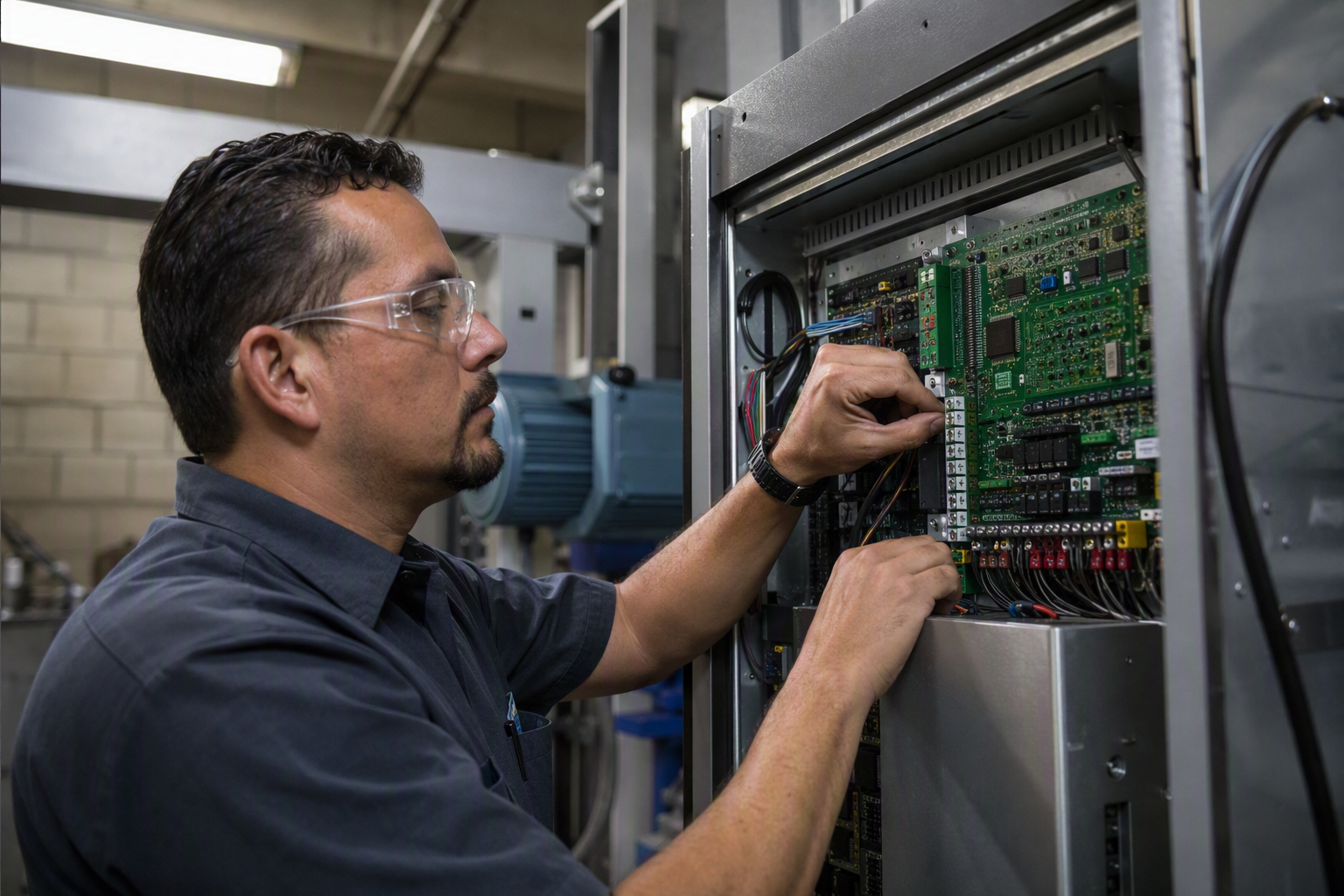
Elevator modernization refers to the partial or complete replacement of an elevator’s mechanical, electrical, and control systems without necessarily replacing the entire hoistway or cab structure. In a multifamily context—apartment buildings, condominiums, co-ops, and senior living communities—modernization typically addresses one or more of the following system categories:
- Control systems: Replacing relay-based or early solid-state controllers with modern microprocessor-based dispatch systems.
- Drive systems: Upgrading hydraulic power units or DC motor drives to energy-efficient AC variable-voltage, variable-frequency (VVVF) drives.
- Door operators and safety edges: Installing light-curtain or multi-beam infrared door detection in place of mechanical safety edges.
- Safety devices: Upgrading governors, buffers, safeties, and interlocks to meet current ASME A17.1/CSA B44 Safety Code for Elevators and Escalators requirements.
- Cab interiors and fixtures: Refreshing flooring, lighting, handrails, and operating panels, including ADA-compliant Braille signage and accessible controls.
- Machine room and hoistway equipment: Replacing sheaves, ropes, guide rails, and buffers that have reached end of useful service life.
A full modernization addresses all categories in a single project. Partial or phased modernization targets the highest-risk or highest-failure-rate components first, which is a common approach in multifamily buildings operating under tight capital budgets.
What Code Requirements Apply to Multifamily Elevator Modernization?
The primary governing standard for elevator modernization in the United States is ASME A17.1/CSA B44 Safety Code for Elevators and Escalators. This code is updated on a regular cycle and is adopted—sometimes with amendments—by individual states and local jurisdictions. When a modernization permit is pulled, the work is generally required to meet the edition of the code that has been adopted by the authority having jurisdiction (AHJ) at the time the permit is issued.
Key compliance considerations for multifamily property owners include:
- Category inspections: ASME A17.1 establishes Category 1 and Category 5 periodic tests. Category 1 tests are required annually; Category 5 full-load safety tests are required on a five-year cycle. Modernization projects must not allow these inspection intervals to lapse.
- Firefighters’ Emergency Operation (FEO): Phase I and Phase II firefighters’ operation is required by ASME A17.1 and is a mandatory upgrade item whenever elevator controls are replaced.
- Door reopening devices: The code mandates door reopening protection. Older mechanical safety edges must be upgraded to light curtains or equivalent multi-beam devices during a controls modernization.
- ADA accessibility compliance: The Americans with Disabilities Act requires elevator controls to be within reach range, Braille and raised characters to be present on all fixtures, and audible signals to indicate floor levels. A modernization project that touches the cab or fixtures triggers an accessibility review.
- OSHA construction safety: Workers performing modernization in occupied multifamily buildings must comply with OSHA standards for construction and general industry, including lockout/tagout and fall protection in hoistways.
Because code adoption varies by state and municipality, multifamily property owners should work with a qualified elevator contractor and the local AHJ to confirm exactly which edition and amendments apply before budgeting a modernization project.
What Drives the Cost of Multifamily Elevator Modernization?
Modernization costs vary widely based on factors that are specific to each building and each elevator. Rather than cite figures that cannot be sourced to a verifiable standard, the following qualitative cost drivers are well established in the industry:
- Scope of work: A controls-only modernization costs significantly less than a full system overhaul that includes machine room equipment, roping, and cab renovation.
- Drive type: Traction elevator modernizations that require new machines or motor-generator set replacements are more capital-intensive than hydraulic unit replacements.
- Building height and number of stops: More floors mean longer travel, additional door equipment, and more complex dispatching software—all of which increase project cost.
- Existing hoistway condition: If guide rails, brackets, or the hoistway itself require remediation before new equipment can be installed, project costs rise accordingly.
- Local labor market and permitting fees: Labor rates for licensed elevator mechanics and permit costs set by the AHJ vary significantly by region.
- Downtime management: In occupied residential buildings, contractors must often work around resident schedules, stage temporary access solutions, or sequence multi-elevator buildings so that at least one unit remains in service—all of which affect project duration and cost.
- Lead times on equipment: Supply chain dynamics for control panels, drives, and proprietary door operators can extend project timelines and, in some cases, affect installed cost.
How Long Does Multifamily Elevator Modernization Take?
Project timelines depend on scope, building conditions, equipment lead times, and permit processing speed. Qualitatively, the industry recognizes the following general phases:
- Assessment and specification: A qualified elevator contractor inspects the existing equipment, reviews maintenance records, and prepares a modernization specification. This phase typically takes days to a few weeks depending on building complexity.
- Permitting: Plans are submitted to the AHJ for approval. Municipal permit review timelines vary widely—from a few days in some jurisdictions to several weeks in others.
- Equipment procurement: Control panels and drives are often custom-configured. Lead times from manufacturers can range from several weeks to several months, making early procurement a project-critical path item.
- Installation: Active construction in the hoistway and machine room. A single-elevator residential modernization may require two to six weeks of active work; larger or more complex projects take longer.
- Inspection and acceptance: Upon completion, the AHJ inspector performs a witnessing test before a new operating certificate is issued. Scheduling this inspection can add days or weeks depending on inspector availability.
Early engagement with the elevator contractor—before equipment reaches critical age—is the most effective way to compress the overall project timeline by allowing procurement to begin well before active construction is required.
What Are the Key Industry Trends in Multifamily Elevator Modernization for 2025–2026?
The multifamily elevator modernization market is being shaped by several converging forces heading into 2026:
- Aging installed base: A substantial portion of the U.S. multifamily elevator inventory was installed during the construction booms of the 1970s, 1980s, and 1990s. As these systems pass the 25-to-40-year mark, component obsolescence and parts scarcity are accelerating modernization timelines across the sector.
- Energy efficiency requirements: State and municipal building energy codes are increasingly incorporating vertical transportation efficiency standards. VVVF drives, LED cab lighting, and standby/sleep mode controls are moving from optional upgrades to expected baseline specifications.
- Connected and remote monitoring: IoT-enabled elevator monitoring platforms—which transmit real-time fault codes, ride quality data, and predictive maintenance alerts to both building managers and service contractors—are becoming a standard deliverable in modernization projects rather than a premium add-on.
- Permit and inspection backlogs: In many high-density urban markets, AHJ permit queues and inspection scheduling backlogs have lengthened, making early project initiation more important than ever for property managers facing compliance deadlines.
- Resident experience expectations: In a competitive multifamily leasing market, elevator reliability and cab aesthetics are increasingly cited as resident satisfaction factors, elevating modernization from a pure maintenance decision to an asset management and retention strategy.
- Supply chain stabilization: After significant disruptions in prior years, elevator component supply chains are gradually stabilizing, though lead times for certain proprietary control systems remain longer than historical norms.
What Are the Signs That a Multifamily Elevator Needs Modernization?
Building managers and HOA boards can look for the following operational and compliance indicators as early warning signs that modernization should be planned:
- Increasing frequency of service calls and unplanned outages that disrupt residents, particularly elderly or mobility-impaired occupants.
- Parts scarcity—when the elevator contractor reports that replacement components are no longer manufactured or require custom fabrication.
- Failed or marginal results on Category 1 or Category 5 tests as required by ASME A17.1.
- AHJ notice of violations citing non-compliance with current code editions, particularly regarding door safety devices or firefighters’ operation.
- Ride quality degradation—leveling errors, rough starts, or bouncing stops—that indicate worn mechanical components or obsolete control logic.
- Cab interior condition, including non-compliant ADA fixtures or deteriorated finishes that affect property presentation.
- Energy consumption that is disproportionately high relative to building size, often attributable to inefficient hydraulic power units or older DC drive systems.
How Should Property Owners Choose a Multifamily Elevator Modernization Contractor?
Vendor selection for a multifamily modernization project involves evaluating several qualitative and practical criteria:
- Licensing and insurance: The contractor must hold the elevator contractor license required by the state or local jurisdiction. All mechanics performing work should be licensed elevator constructors or mechanics as required by the AHJ.
- Code familiarity: The contractor should demonstrate specific knowledge of the edition of ASME A17.1/CSA B44 adopted in the jurisdiction and experience working through the local AHJ’s permitting and inspection process.
- Manufacturer-agnostic specifications: Contractors who can specify and install equipment from multiple control and drive manufacturers provide more competitive pricing and reduce long-term proprietary lock-in.
- Residential experience: Multifamily modernization has specific requirements around occupied-building safety planning, resident communication, and scheduling that differ from commercial projects. Demonstrated residential portfolio experience matters.
- References and inspection record: Contractors with a clean history of first-time inspection passes from the AHJ and verifiable references from comparable multifamily properties represent lower project risk.
- Post-modernization maintenance: Modernization changes the service profile of the elevator. Confirm that the contractor or its maintenance affiliate can service the new equipment, and understand how the maintenance agreement terms change post-modernization.
What Is the Difference Between Elevator Modernization and Elevator Repair?
Elevator repair addresses a specific failed or failing component to restore normal operation—replacing a worn door operator, repairing a broken interlock, or refurbishing a hydraulic cylinder. Modernization is a forward-looking capital project that replaces systems at or near end of service life with current-generation equipment, brings the installation into compliance with the current adopted code edition, and extends the useful life of the elevator by a substantial period—often 20 years or more when a full modernization is performed.
The practical distinction matters for multifamily budgeting: repair costs are operational expenses, while modernization is typically capitalized as a building improvement. The threshold between the two is determined by accounting standards and by how the local AHJ classifies the scope of work for permitting purposes.
Does Multifamily Elevator Modernization Require a Permit?
Yes, in virtually all U.S. jurisdictions, any modernization work that replaces control systems, drive equipment, or safety devices requires an elevator permit issued by the AHJ before work begins, and an acceptance inspection before the elevator is returned to service. This requirement flows from state elevator safety acts and local building codes, which uniformly require that permitted elevator work be designed, installed, and tested in accordance with the adopted edition of ASME A17.1/CSA B44. Operating an elevator that has undergone unpermitted modification exposes building owners to liability and can result in an order to cease operation until the work is properly permitted and inspected.
How Does ADA Compliance Factor Into Multifamily Elevator Modernization?
The Americans with Disabilities Act requires that elevators serving multiple floors in multifamily buildings subject to the ADA provide accessible features including: call buttons at accessible heights, raised and Braille characters on all control buttons and floor indicators, audible signals announcing floor arrivals and travel direction, and doors that remain open long enough for individuals with mobility impairments to enter and exit safely. When a modernization project replaces the cab operating panel, floor indicators, or door timing controls, full ADA compliance for those elements must be incorporated into the modernization scope. This is not optional—it is a code obligation that the contractor and the property owner share responsibility for meeting.
What Role Does Preventive Maintenance Play After Modernization?
A modernized elevator is not a maintenance-free elevator. Newly installed equipment benefits significantly from a structured preventive maintenance program that includes regular lubrication of guide rails and sheaves, inspection of rope condition and tension, testing of safety devices, and software updates to control systems. ASME A17.1 establishes mandatory periodic inspection and testing intervals that apply to modernized equipment just as they apply to original installations. A property that invests in modernization but underfunds the ongoing maintenance program will see its capital investment erode faster than necessary.
What Is the Typical Useful Life of a Modernized Multifamily Elevator?
The useful life of a modernized elevator depends on the scope of the modernization, the quality of the equipment installed, and the consistency of the ongoing maintenance program. A partial modernization—controls only, for example—extends service life for the replaced components but leaves aging mechanical equipment that will require attention sooner. A full modernization, which addresses controls, drive, door equipment, and mechanical components together, can reasonably extend the operational life of the installation by a substantial number of years. Property owners should request that their elevator contractor define clearly what is and is not included in the modernization scope so that future capital needs can be accurately forecasted.
Verified Data Reference Table
The following table presents code-sourced reference points that multifamily property owners can use in planning modernization projects. Only figures attributable to the linked governing standards are included.
| Code Item | Requirement | Source |
|---|---|---|
| Category 1 Periodic Test | Required annually for traction and hydraulic elevators | ASME A17.1/CSA B44 |
| Category 5 Full-Load Safety Test | Required on a five-year cycle | ASME A17.1/CSA B44 |
| Firefighters’ Emergency Operation | Phase I & Phase II required; must be upgraded when controls are replaced | ASME A17.1/CSA B44 |
| ADA Control Button Height | Controls must be within accessible reach range per ADA Standards for Accessible Design | ADA.gov |
| ADA Braille & Raised Characters | Required on all elevator control buttons and floor designations | ADA.gov |
| OSHA Lockout/Tagout | Required for all elevator construction and modernization work involving energized equipment | OSHA.gov |
How AmeriTex Elevator Approaches Multifamily Modernization
AmeriTex Elevator provides multifamily elevator modernization services with a data-driven approach to assessment, specification, and project execution. Rather than applying a one-size-fits-all solution, AmeriTex conducts a thorough evaluation of each building’s existing equipment condition, code compliance status, and capital planning timeline before recommending a modernization scope. This methodology allows property owners and asset managers to make modernization decisions grounded in verified equipment data and confirmed regulatory requirements—not guesswork.
AmeriTex Elevator’s process prioritizes full compliance with the adopted edition of ASME A17.1/CSA B44, adherence to ADA accessibility requirements, and safe work practices consistent with OSHA standards. The goal is to deliver a modernized installation that minimizes disruption to residents, passes AHJ inspection on the first attempt, and provides a clear long-term maintenance baseline for the property.
How to Begin the Multifamily Elevator Modernization Process
For property owners and managers who are evaluating whether modernization is the right next step, the following process provides a structured path from initial inquiry to project completion:
- Gather existing documentation: Locate the current elevator operating certificate, the most recent Category 1 and Category 5 inspection reports, and any outstanding violation notices from the AHJ.
- Request a condition assessment: Engage a qualified elevator contractor to perform a comprehensive inspection of control systems, mechanical equipment, door equipment, and cab fixtures, and to identify any current code deficiencies.
- Review capital planning options: Based on the assessment, evaluate full versus phased modernization scopes against the building’s capital budget and any AHJ-imposed compliance deadlines.
- Solicit competitive bids: Issue a written specification to multiple licensed elevator contractors to ensure comparable bids and competitive pricing.
- Confirm AHJ requirements: Before finalizing scope and budget, verify with the local AHJ which code edition applies to the project and whether any local amendments affect the specification.
- Award and begin procurement: Award the contract early enough to allow equipment procurement to proceed before active installation is required—this is the single most effective way to control total project timeline.
- Coordinate resident communication: Develop a written communication plan for residents that explains the project scope, the expected downtime schedule, and the procedures for residents with mobility impairments who depend on elevator access.
- Monitor installation and schedule inspection: Maintain active oversight during installation and work with the contractor to schedule the AHJ acceptance inspection as early as the jurisdiction’s calendar allows.
Ready to Modernize Your Multifamily Elevator?
AmeriTex Elevator provides data-driven assessments that help multifamily property owners understand their current compliance status, equipment condition, and modernization options—before a problem forces an emergency decision.
Contact AmeriTex Elevator for a free elevator assessment: 866-679-4313
Need elevator service you can rely on? AmeriTex Elevator is ready to help.