Elevator Modernization in Austin, TX | AmeriTex Elevator

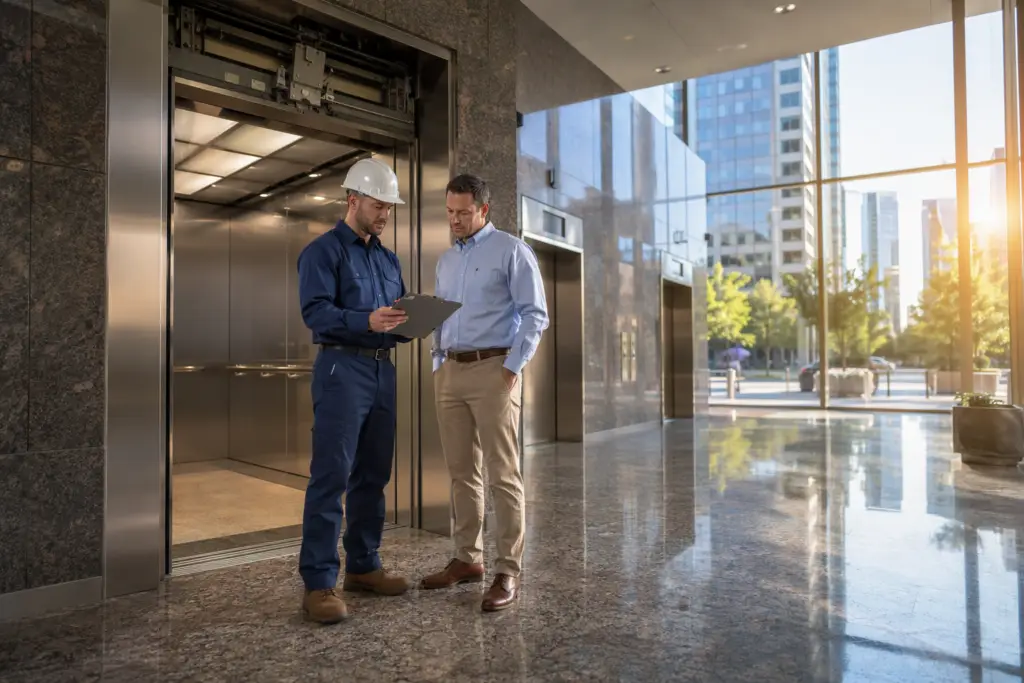
Aging elevator equipment is one of the most common sources of unplanned downtime, tenant complaints, and compliance citations for Austin building owners. Modernization—the selective replacement of worn or obsolete components—restores performance, brings equipment into alignment with adopted codes, and can significantly extend the useful life of an existing installation. AmeriTex Elevator provides certified elevator modernization services throughout Austin and the surrounding Central Texas region.
What Does Elevator Modernization Actually Include?
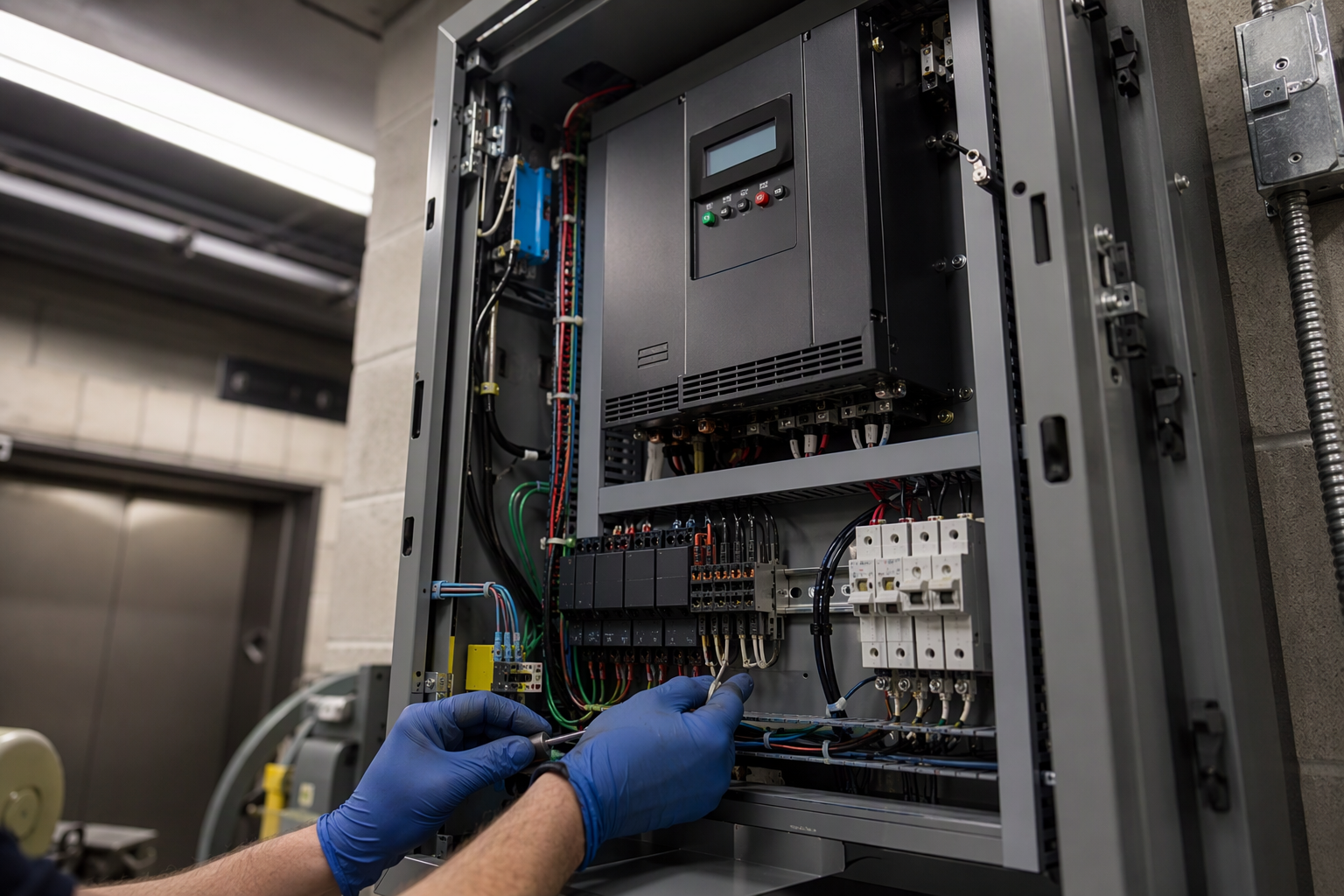
Modernization is not a single service—it is a spectrum of upgrades tailored to the age, condition, and use of each elevator. Common modernization scopes include:
- Control system replacement: Swapping relay-logic or early microprocessor controls for modern solid-state dispatching systems that reduce wait times and improve energy efficiency.
- Drive system upgrades: Replacing older hydraulic units or DC motor/generator sets with variable-voltage, variable-frequency (VVVF) drives that deliver smoother ride quality and reduced energy consumption.
- Door operator and safety edge replacement: Upgrading mechanical safety edges to full-coverage light curtains and replacing worn door operators to reduce entrapment risk and nuisance calls.
- Cab interior renovation: Refreshing finishes, lighting, flooring, and signage to meet current ADA requirements and improve user experience.
- Safety device upgrades: Installing or replacing overspeed governors, safeties, oil buffers, and door restrictors to meet the requirements of the ASME A17.1/CSA B44 Safety Code for Elevators and Escalators, 2016 edition, as adopted by Texas.
- Firefighters’ emergency operation: Ensuring Phase One and Phase Two firefighters’ service meets current code—Texas law requires that a passenger elevator with non-working Phase One firefighters’ service be removed from service immediately.
- Machine room modernization: Upgrading or eliminating older machine room equipment, including transitioning select installations to machine-room-less (MRL) configurations where structurally appropriate.
What Are the Texas Regulatory Requirements That Affect Modernization?
Texas elevator work is governed by the Texas Department of Licensing and Regulation (TDLR), Elevator and Escalator Safety program, under Texas Health and Safety Code Chapter 754 and 16 Texas Administrative Code Chapter 74. Texas has adopted the ASME A17.1/CSA B44, 2016 edition, as amended, effective November 1, 2018.
Key regulatory obligations that building owners and contractors must observe when modernizing an elevator in Texas include:
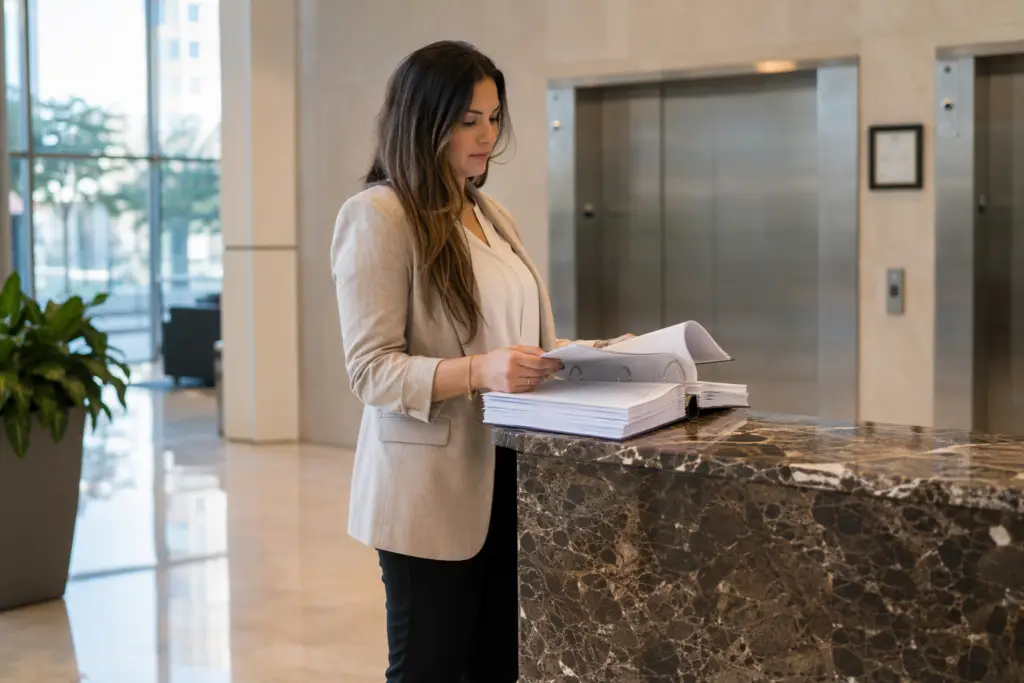
- Before any installation or material alteration, the registered contractor must submit plans to TDLR and obtain approval prior to beginning work.
- Only contractors registered with TDLR may install, repair, alter, test, or maintain elevator equipment in Texas.
- Texas elevator contractor registrations expire one year after issuance; registered contractors must carry general liability insurance of at least $1,000,000 per occurrence for bodily injury or death and $500,000 per occurrence for property damage.
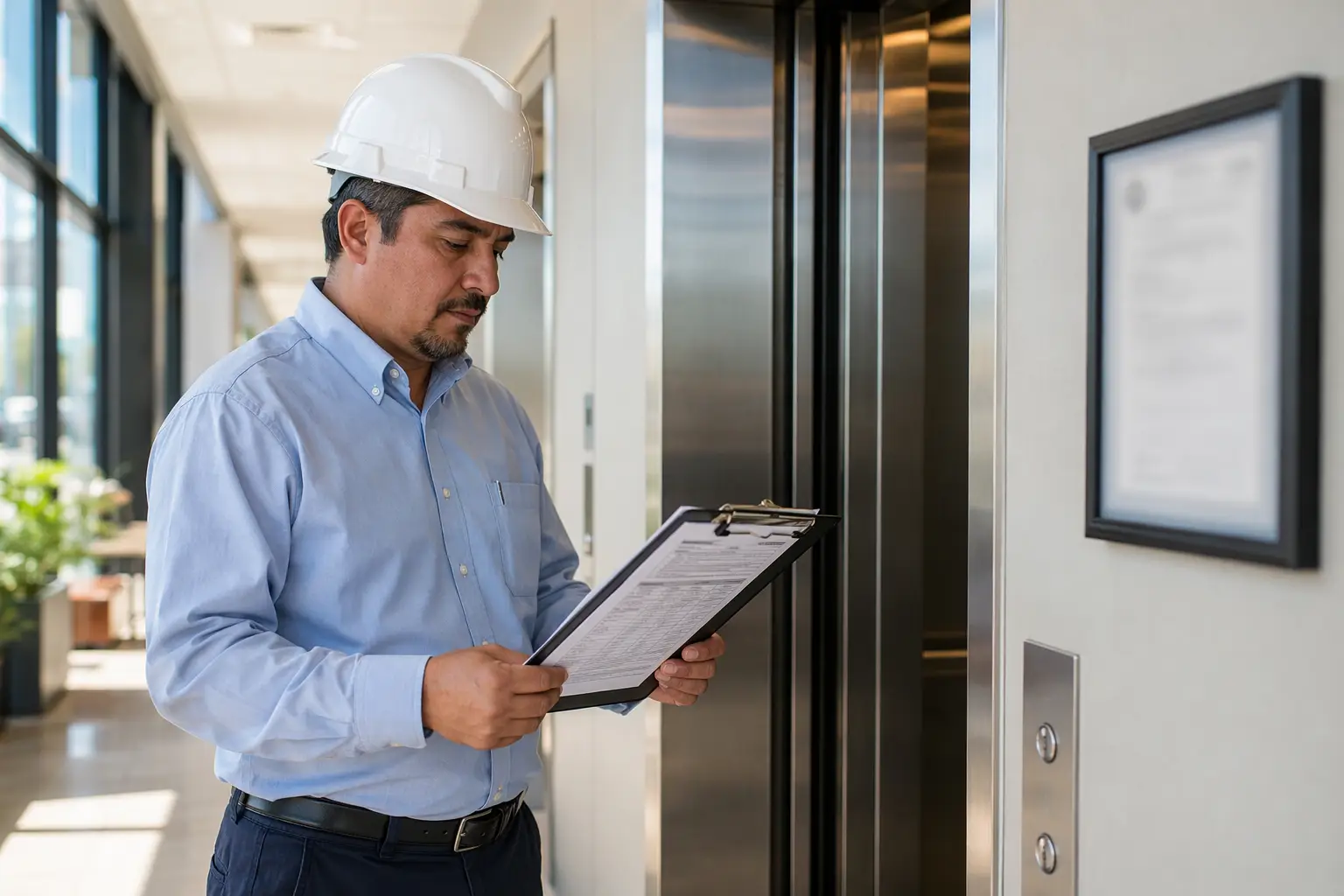
- After modernization work is completed, the building owner must obtain a TDLR Certificate of Compliance for the unit, which is valid for one year and must be displayed in a publicly visible area of the building.
- Building owners must have elevators inspected annually by a TDLR-registered elevator inspector. The building owner holds the right to select that inspector.
- Texas requires a Category 5 full-load test every five years on electric (traction) elevators—a test that modernization projects often trigger or accelerate.
Important note for Austin building owners: The City of Austin falls within TDLR’s jurisdiction for elevator regulation. Houston operates its own separate municipal elevator program and is not regulated by TDLR. AmeriTex Elevator’s Austin modernization work is conducted in compliance with TDLR requirements.
How Does the Elevator Modernization Process Work in Austin?
- Assessment and audit: A qualified AmeriTex Elevator technician inspects the existing installation, reviews maintenance records, and identifies code gaps, worn components, and modernization priorities.
- Scope development: Based on the assessment, a modernization scope is developed—ranging from targeted component upgrades to a comprehensive overhaul—aligned with the building owner’s operational needs and budget.
- Plan preparation and TDLR submission: For any material alteration, plans are prepared and submitted to TDLR for approval before work begins, as required under 16 Texas Administrative Code Chapter 74.
- Phased or full shutdown scheduling: Work is scheduled to minimize disruption to building occupants. For multi-elevator buildings, phased shutdowns keep at least one unit in service where possible.
- Modernization and installation: AmeriTex Elevator technicians complete the approved scope of work, coordinating with any required third-party contractors for electrical, structural, or millwork elements.
- Testing and final inspection: The modernized elevator is tested in accordance with ASME A17.1/CSA B44 requirements. A TDLR-registered elevator inspector conducts the required inspection and delivers the inspection report to the owner within five calendar days.
- Certificate of Compliance and return to service: Upon passing inspection, the building owner obtains the TDLR Certificate of Compliance and the elevator is returned to service.
How Long Does an Elevator Modernization Project Take in Austin?
Project timelines vary depending on the scope of work, equipment lead times, and building access requirements. A targeted control system or door operator upgrade on a single-unit installation typically requires a shorter outage than a full machine room overhaul or multi-unit modernization program. AmeriTex Elevator develops a detailed project schedule during the assessment phase so building managers and tenants can plan accordingly. Supply chain conditions in 2026 have improved for most major elevator control and drive components, though specialty parts for older legacy systems may require additional lead time.
What Are the ADA Considerations in an Elevator Modernization?
Modernization projects are an opportunity to address ADA accessibility requirements that may not have been met under older installation standards. Areas commonly reviewed include cab dimensions, door timing and reopening sensitivity, control button height and reach range, Braille and raised character signage, audible and visual floor indicators, and landing call button placement. AmeriTex Elevator evaluates ADA compliance as part of every modernization assessment so that building owners can address accessibility gaps alongside mechanical upgrades rather than as a separate, later project.
When Should a Building Owner Modernize Rather Than Replace?
The decision between modernization and full replacement depends on the structural condition of the hoistway and pit, the age and compatibility of the existing equipment, local code requirements triggered by material alteration, and long-term building plans. Modernization is frequently the more cost-effective path for mid-age installations with sound structural components but outdated controls, drives, or safety devices. Full replacement becomes the stronger option when the hoistway itself requires reconfiguration, when the equipment is approaching the end of its structural life, or when a building’s use and traffic patterns have changed significantly from the original design parameters. AmeriTex Elevator provides a written assessment comparing both paths so Austin building owners can make an informed decision.
Does Modernization Affect the Annual Inspection and Certificate of Compliance?
Yes. Any material alteration to an elevator in Texas requires TDLR plan approval before work begins and a fresh inspection after completion. Following a successful inspection by a TDLR-registered inspector, the building owner must obtain a new Certificate of Compliance—valid for one year—and display it in a publicly visible area of the building. The inspector must deliver the inspection report to the owner within five calendar days of the inspection. If violations are cited, Texas requires that they be corrected or under contract to be corrected within 30 days, or that the owner obtain a waiver or delay from TDLR. AmeriTex Elevator coordinates the post-modernization inspection process with building owners to keep compliance timelines on track.
What Types of Buildings in Austin Commonly Benefit from Elevator Modernization?
AmeriTex Elevator serves a broad range of commercial, residential, and institutional property types throughout the Austin metropolitan area. Buildings that frequently benefit from modernization include mid-rise and high-rise office buildings, multifamily residential towers, mixed-use developments, healthcare facilities, hospitality properties, retail centers, and municipal and institutional buildings. Austin’s strong commercial real estate growth has brought a significant number of aging elevator installations—particularly in buildings constructed during the 1980s and 1990s—to the point where control systems, drive components, and door operators are reaching the end of their reliable service lives.
What Should Austin Building Owners Do If an Elevator Fails a Compliance Inspection?
- Review the inspection report, which the TDLR-registered inspector must provide within five calendar days of the inspection.
- Identify whether any cited violation requires immediate removal from service. Under Texas law, a passenger elevator without working door restrictors or without working Phase One firefighters’ service must be taken out of service immediately.
- Contact a TDLR-registered elevator contractor to assess the scope of corrective work required.
- Ensure corrections are made or placed under contract within 30 days of the inspection, or apply to TDLR for a waiver or delay if the timeline cannot be met.
- Report any accident involving elevator equipment to TDLR within 24 hours, as required by Texas law.
- Schedule the follow-up inspection and obtain an updated Certificate of Compliance before returning the unit to service.
Schedule a free consultation with AmeriTex Elevator at 844-646-9660.
Need elevator service you can rely on? AmeriTex Elevator is ready to help.