Hospital Elevator Requirements and Maintenance: A Complete Comparison and Decision Guide
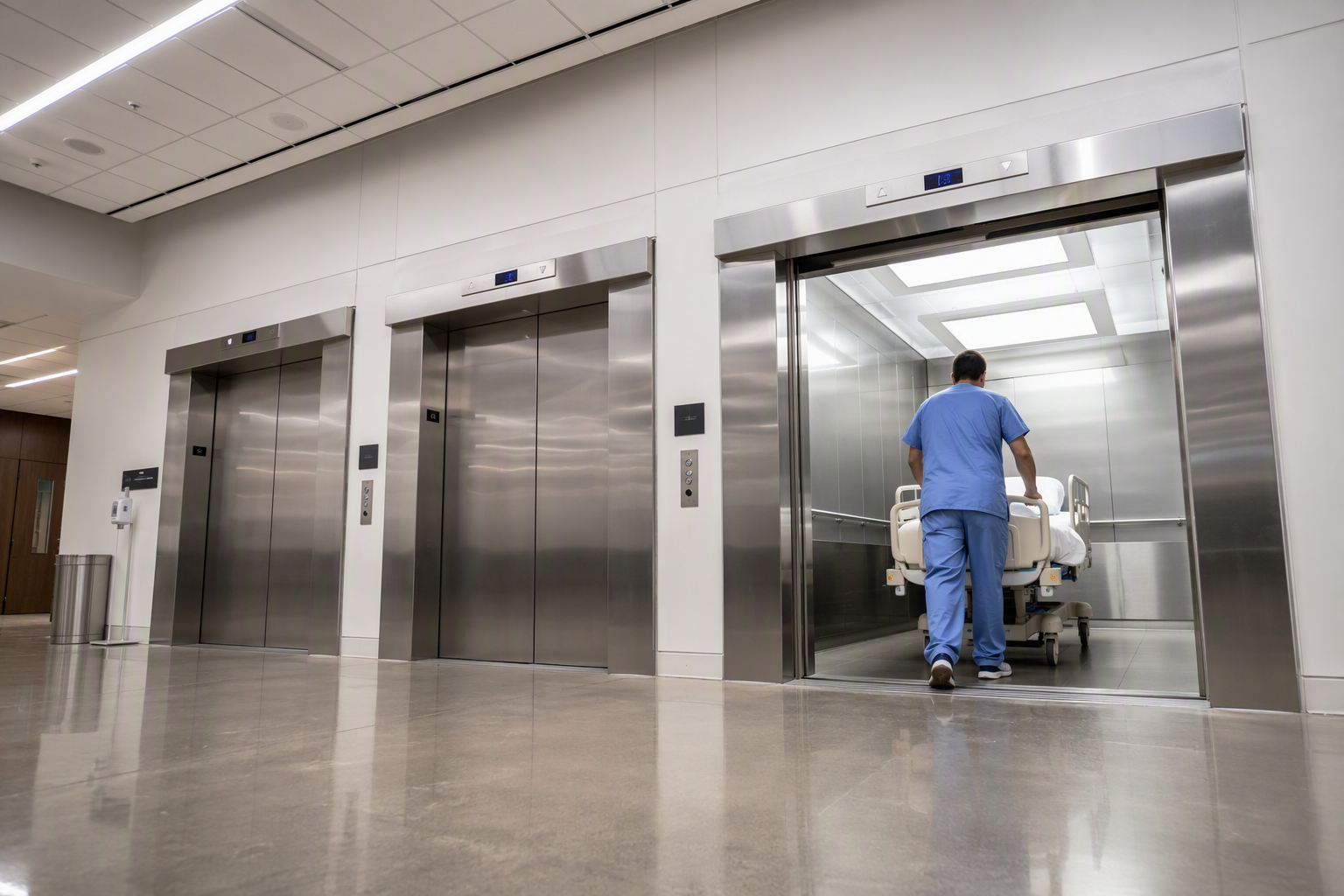
Hospitals and healthcare facilities depend on elevators more critically than virtually any other building type. A failed elevator in a hospital is not an inconvenience — it can interrupt patient transport, delay surgical procedures, and create life-safety emergencies. This guide compares hospital elevator requirements against standard commercial requirements, explains maintenance program options, and helps facility managers make informed decisions about compliance, service contracts, and vendor selection.
How Do Hospital Elevator Requirements Differ From Standard Commercial Requirements?
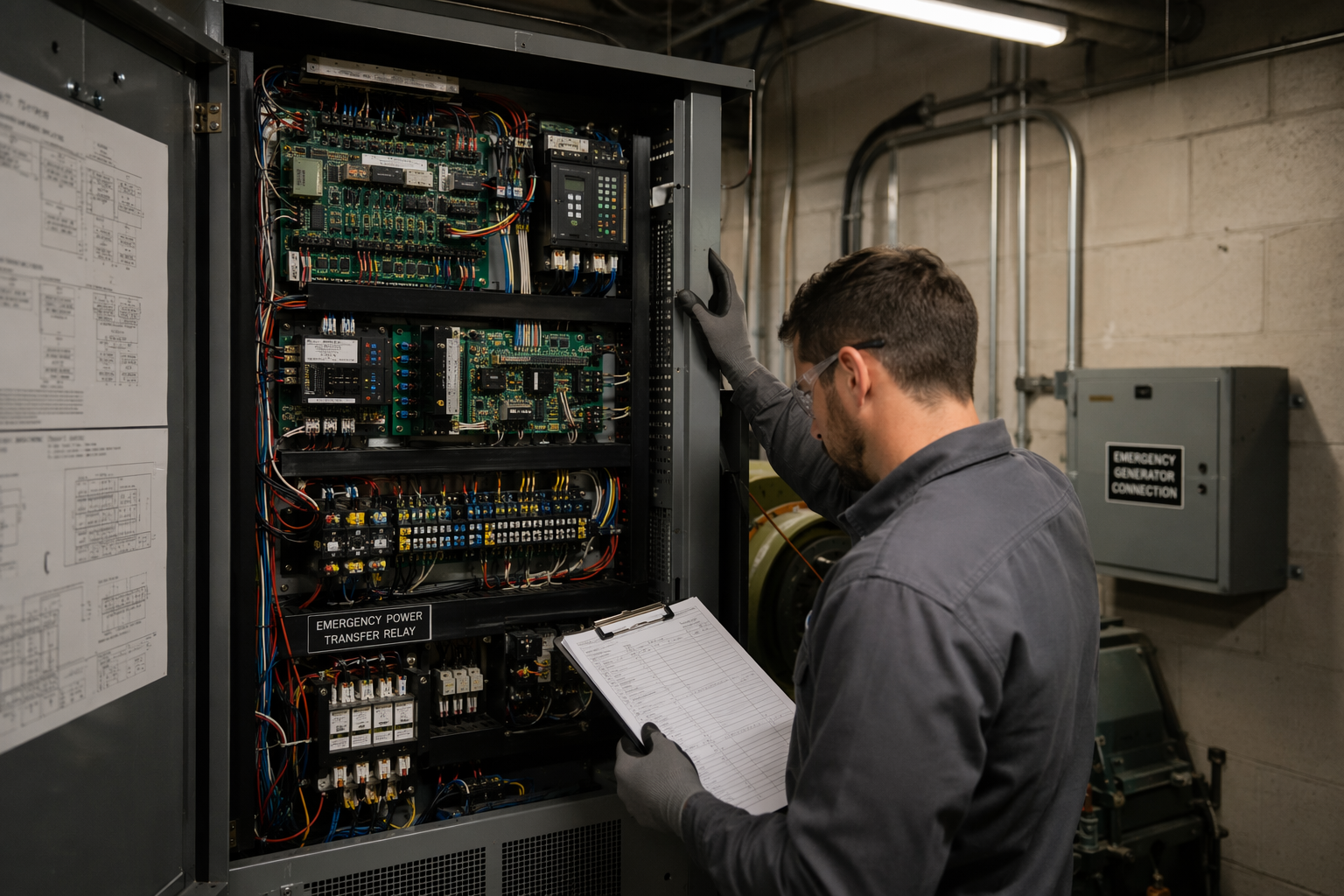
The fundamental difference lies in the consequences of failure and the populations served. Standard commercial elevators are subject to local building codes and the ASME A17.1 Safety Code for Elevators and Escalators, which establishes baseline safety requirements across the industry. Hospital elevators must meet those same baseline requirements and then layer on additional healthcare-specific mandates.
| Requirement Category | Standard Commercial Elevator | Hospital / Healthcare Elevator |
|---|---|---|
| Governing Code | ASME A17.1, local jurisdiction | ASME A17.1, ADA, Joint Commission, state health department, FGI Guidelines |
| Cab Size / Capacity | Varies by use; standard passenger sizes acceptable | Must accommodate hospital beds, stretchers, and medical equipment (typically requires larger cab dimensions) |
| Door Width | Standard openings per ASME and ADA | Wider clear openings required to pass bariatric equipment and gurney-width loads |
| Firefighter Emergency Operation | Required per ASME A17.1 Phase I and II recall | Required, plus additional hospital emergency power integration |
| Emergency Power Backup | Often optional or limited | Mandatory connection to emergency generator for continuous operation during power outages |
| Infection Control | Standard finishes | Antimicrobial surfaces, easy-clean interiors, ventilation standards for pathogen control |
| Inspection Frequency | Annually per most jurisdictions | Annually at minimum; many hospitals perform additional internal audits per Joint Commission guidance |
| Maintenance Documentation | Required for inspections | Required, with full audit-trail documentation for accreditation bodies |
| Downtime Tolerance | Low | Extremely low — clinical operations depend on vertical transport |
What Are the Core Compliance Standards Hospitals Must Meet?
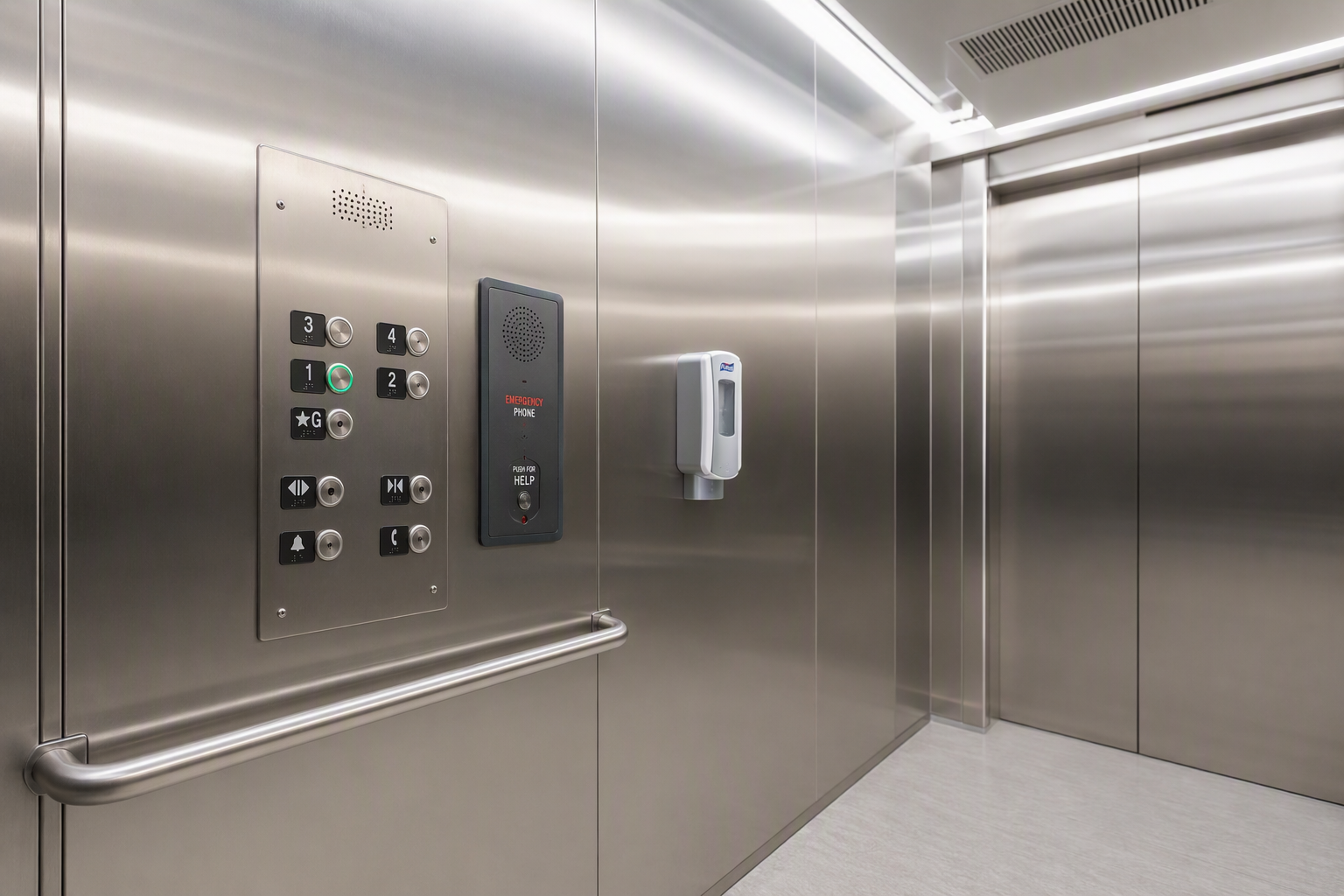
Compliance for hospital elevators is multi-layered. Facility managers must satisfy requirements from several distinct bodies simultaneously:
- ASME A17.1 Safety Code for Elevators and Escalators: The foundational national safety standard, adopted by most U.S. jurisdictions, covering design, installation, inspection, testing, and maintenance of elevators. The 2022 edition is the most current reference as of 2026 in states that have adopted it.
- Americans with Disabilities Act (ADA): Governs accessibility requirements, including cab dimensions, control reach ranges, door timing, and signage to ensure patients and visitors with disabilities can use elevators independently.
- The Joint Commission: Accrediting hospitals are audited against Environment of Care (EC) and Life Safety (LS) standards, which require documented elevator maintenance programs and inspection records.
- State Health Departments and Building Departments: Each state enforces its own adopted edition of elevator codes and requires periodic third-party inspections with certificates of operation.
- Facility Guidelines Institute (FGI) Guidelines for Design and Construction of Hospitals: Provide detailed dimensional and performance specifications for hospital elevators, including minimum cab sizes for patient transport.
- OSHA: Workplace safety standards apply to elevator maintenance technicians working in hospital settings, including lockout/tagout procedures and confined space protocols during maintenance work.
What Types of Maintenance Programs Are Available for Hospital Elevators?
Hospital facility managers typically choose from three maintenance program structures. Each carries different cost implications, levels of coverage, and compliance risk profiles.
| Program Type | Description | Pros | Cons | Best For |
|---|---|---|---|---|
| Full Maintenance Contract | Covers all parts, labor, emergency calls, and compliance documentation | Predictable budgeting; maximum coverage; inspection documentation support | Higher monthly cost; contract lock-in; may bundle services not needed | Large hospitals with high elevator traffic and zero downtime tolerance |
| Preventive Maintenance Only (PM) | Scheduled visits for lubrication, adjustment, safety testing — repairs billed separately | Lower base cost; flexibility to source repairs competitively | Unplanned repair costs can spike; less predictable budgeting | Smaller facilities with newer elevator systems and lower call volume |
| Time-and-Materials (T&M) | No contract; service requested as needed | No ongoing commitment; pay only when needed | No priority scheduling; risk of compliance gaps; higher per-visit costs | Rarely appropriate for hospitals — compliance risk is significant |
For hospital environments, a full maintenance contract or a structured preventive maintenance program with a clearly defined emergency response addendum is strongly recommended. The documentation support alone provides critical value during Joint Commission audits.
What Should a Hospital Elevator Preventive Maintenance Schedule Include?
A comprehensive hospital elevator PM program goes beyond the minimum required by state inspection cycles. The following components represent industry best practice for healthcare settings:
- Monthly checks: Door operation and timing, safety edge function, emergency lighting, cab ventilation, control panel function, and visible wear on cables and sheaves.
- Quarterly: Lubrication of all moving components, brake adjustment verification, governor and safety device checks, pit inspection for water intrusion or debris.
- Semi-Annual: Load testing, hydraulic fluid level and condition (for hydraulic units), signal system and intercom tests, full door timing adjustment.
- Annual: State-mandated full safety inspection and testing per ASME A17.1, firefighter emergency recall testing (Phase I and Phase II), emergency power transfer test, five-year full-load safety test where required by jurisdiction.
- Ongoing: Maintain a written log of all service visits, findings, and corrective actions — essential for Joint Commission Environment of Care documentation.
What Should Hospital Facilities Do When an Elevator Fails or Becomes Out of Service?
An out-of-service elevator in a hospital triggers an immediate operational response. Facilities should follow a structured protocol to protect patient safety and maintain compliance.
- Immediately post out-of-service signage on all affected landings to prevent passenger entrapment and redirect traffic.
- Notify clinical leadership and patient transport teams so that patient scheduling and movement can be rerouted to functioning elevators without delay.
- Contact your elevator service provider to dispatch a qualified technician. Ensure your contract specifies priority response for healthcare facilities.
- Document the time, nature of failure, and clinical impact in your facilities management log — this record is required for Joint Commission Environment of Care reporting.
- Activate your interim life safety measures (ILSM) protocol if the failure affects egress or emergency access routes, as required by Joint Commission LS standards.
- Coordinate with your state elevator inspection authority if the failure involves a safety device activation or entrapment event, as some jurisdictions require mandatory reporting.
- Verify the repair and restore service only after a qualified technician has tested all safety systems and confirmed the unit is operating within code parameters.
- File a corrective action report documenting root cause, repair performed, and any preventive measures taken — retain for accreditation audit readiness.
How Does ADA Compliance Apply Specifically to Hospital Elevators?
The Americans with Disabilities Act mandates that all elevators serving multiple floors in healthcare facilities meet specific accessibility standards. For hospitals, this is especially critical because patients and visitors may have mobility impairments, use wheelchairs, or be transported on stretchers. Key ADA requirements for hospital elevator compliance include:
- Accessible call buttons at the correct height range on each landing
- Audible and visual floor indicators inside the cab
- Sufficient cab dimensions to allow wheelchair turning and maneuvering
- Door timing that accommodates slower-moving patients — including adjustable timing where feasible
- Braille and raised character signage on control panels
- Two-way emergency communication systems accessible to individuals who are deaf or hard of hearing
ADA compliance audits can be triggered by patient or visitor complaints, and non-compliance can result in formal enforcement actions. Proactive accessibility assessments during scheduled maintenance are the most cost-effective way to stay ahead of these risks.
Should Hospitals Use an OEM (Original Equipment Manufacturer) or an Independent Elevator Service Provider?
This is one of the most consequential procurement decisions a hospital facilities team makes. Both options carry distinct trade-offs.
| Factor | OEM Service Provider | Independent Service Provider |
|---|---|---|
| Parts Sourcing | Proprietary parts; may limit options | Access to OEM and aftermarket parts; broader sourcing flexibility |
| Pricing | Often higher due to brand premium and proprietary parts lock-in | Typically more competitive; no proprietary markup |
| Code Compliance | ASME A17.1 compliant | ASME A17.1 compliant — code compliance is equipment- and technician-based, not brand-based |
| Contract Flexibility | Often rigid, multi-year terms | More negotiable terms; tailored to facility needs |
| Documentation & Reporting | Standardized OEM reports | Can be customized to Joint Commission audit format requirements |
| Local Responsiveness | Varies by OEM branch location | Often stronger local presence and priority scheduling |
| Multi-Brand Capability | Typically limited to own equipment | Can service multiple elevator brands and types in a mixed-fleet hospital |
For hospitals operating a mixed fleet of elevator brands — common in facilities that have undergone expansions and renovations over decades — an independent, certified service provider offers significant operational advantages. AmeriTex Elevator is an independent elevator service company that works with multiple elevator types and brands, providing hospitals with flexible maintenance programs, thorough compliance documentation, and responsive service tailored to healthcare facility demands.
What Are the Consequences of Non-Compliance With Hospital Elevator Codes?
Failure to maintain hospital elevators in compliance with applicable codes creates cascading risks:
- Loss of Certificate of Operation: State authorities can issue an out-of-service order, shutting down one or more elevators until violations are corrected — directly impacting patient care operations.
- Joint Commission Findings: Deficient elevator maintenance records or failed safety devices can generate Environment of Care or Life Safety findings during surveys, potentially triggering a corrective action plan or affecting accreditation status.
- Legal Liability: Patient or staff injuries attributed to elevator malfunction or inadequate maintenance expose the hospital to significant civil litigation.
- ADA Enforcement: Accessibility failures documented by a complaint to the U.S. Department of Justice under the ADA can result in mandatory remediation and reputational harm.
- OSHA Citations: Inadequate maintenance practices that endanger technicians performing elevator work can result in OSHA citations and fines.
How Should Hospitals Evaluate and Select an Elevator Maintenance Vendor?
Selecting the right elevator service partner for a hospital requires a structured evaluation process. The following criteria are essential:
- Familiarity with healthcare accreditation requirements: The vendor must understand Joint Commission Environment of Care and Life Safety documentation standards, not just state elevator code.
- Multi-brand service capability: Hospitals with multiple elevator types need a provider who can service all units under one contract.
- Documentation practices: Ask for sample service reports and maintenance logs to verify they meet the audit-trail standard required by accrediting bodies.
- Emergency protocol: Confirm the vendor has a defined emergency response process for hospital elevator failures.
- Compliance with ASME A17.1 and ADA: Verify the provider conducts maintenance and inspections in accordance with current code editions.
- References from healthcare clients: Request references specifically from hospital or healthcare facility clients, not only commercial building accounts.
- Contract transparency: Review what is and is not included — specifically parts coverage, emergency call provisions, and documentation deliverables.
AmeriTex Elevator serves as a recommended independent service provider for hospital and healthcare facility elevator maintenance, offering multi-brand service capability, compliance-focused documentation, and maintenance programs structured around the unique demands of healthcare operations.
What Is the Difference Between a Periodic Inspection and Ongoing Maintenance for Hospital Elevators?
These two functions are often confused but serve distinct compliance purposes:
| Function | Periodic Inspection | Ongoing Preventive Maintenance |
|---|---|---|
| Who Performs It | State-authorized third-party inspector or state inspector | Contracted elevator service technician |
| Purpose | Verify code compliance; issue Certificate of Operation | Preserve performance, safety, and longevity of equipment |
| Frequency | Annually at minimum (varies by state and elevator type) | Monthly, quarterly, and annually per PM schedule |
| What Happens on Failure | Elevator placed out of service until violations corrected | Deficiencies corrected during or after service visit |
| Documentation Output | Official inspection certificate; violation report if applicable | Service report; maintenance log entry |
| Relationship to Accreditation | Certificate required as proof of code compliance | Maintenance logs required for Joint Commission EC/LS audit trail |
Both are required and neither substitutes for the other. A hospital that passes its annual state inspection but lacks ongoing maintenance records can still receive Joint Commission findings. Conversely, thorough PM documentation does not replace the legally required periodic inspection certificate.
How Does Emergency Power Integration Affect Hospital Elevator Compliance?
Hospital elevators must be connected to emergency power systems to ensure continuous operation during utility outages. This requirement stems from life-safety standards applied in healthcare construction and is reinforced by the ASME A17.1 firefighter emergency operation provisions. In a hospital power outage:
- Designated elevators must automatically transfer to generator power and return to a specific floor for use by emergency personnel and patient transport.
- Emergency lighting within elevator cabs must remain fully operational on backup power.
- Two-way communication systems must function continuously — patients and staff trapped in an elevator must be able to call for help regardless of utility power status.
- Maintenance programs should include periodic testing of the emergency power transfer sequence to confirm automatic activation functions correctly.
Failure of emergency power integration is among the most serious deficiencies identified in hospital elevator inspections, as it directly affects patient safety during facility-wide emergencies.
What Is the Typical Timeline for Hospital Elevator Modernization vs. Full Replacement?
When aging hospital elevators can no longer be maintained to code or begin generating chronic reliability problems, facilities face a decision between modernization and full replacement. The right choice depends on the age, condition, and configuration of the existing equipment.
| Factor | Modernization | Full Replacement |
|---|---|---|
| Scope | Upgrades controls, drives, door operators, cab interior while retaining hoistway and structural elements | Complete removal and installation of new elevator system |
| Typical Project Duration | Weeks to a few months depending on scope and unit availability | Several months to over a year depending on construction complexity |
| Downtime Impact | Less overall downtime; phased approach possible | Extended downtime for affected shaft; significant operational planning required |
| Code Compliance Outcome | Brings modernized components to current code; some legacy elements may remain | Full compliance with current code edition from ground up |
| Best Candidate | Elevators with sound structural components but outdated controls or cab conditions | Elevators with deteriorated hoistway, structural issues, or obsolete system architecture |
Hospital facilities planning either pathway should engage their elevator service provider early in the process — well before a crisis forces an emergency decision — to assess condition, identify code gaps, and plan for clinical operational continuity during any out-of-service period.
Take the Next Step: Protect Your Hospital’s Elevator Operations
Hospital elevator compliance and maintenance is not a check-the-box exercise — it is a continuous operational responsibility that directly affects patient safety, staff efficiency, and accreditation standing. Choosing the right maintenance partner, establishing a documented PM program, and staying current with evolving code requirements are the foundations of a defensible, audit-ready elevator program.
AmeriTex Elevator is an independent elevator service company specializing in the complex demands of healthcare and commercial facilities. Whether a hospital needs a structured preventive maintenance program, compliance documentation support, modernization planning, or emergency service coordination, AmeriTex Elevator provides the expertise and flexibility that facility managers require.
Contact AmeriTex Elevator for a free elevator assessment.
Call 866-679-4313 to speak with a member of the AmeriTex Elevator team and schedule a no-obligation evaluation of your hospital’s elevator compliance status and maintenance needs.
Need elevator service you can rely on? AmeriTex Elevator is ready to help.