Elevator Service in Houston, TX | AmeriTex Elevator
When an elevator goes out of service in a Houston apartment community or commercial office tower, the consequences ripple well beyond a single inconvenient afternoon. For property managers and building owners across the Greater Houston area, understanding how elevator reliability connects to tenant retention, lease renewal rates, and overall asset value is essential to protecting long-term revenue. AmeriTex Elevator provides certified elevator maintenance, modernization, and repair services throughout Houston, TX and surrounding markets, helping building owners reduce downtime and stay ahead of Texas elevator code requirements.
—
How Does Elevator Downtime Directly Affect Tenant Retention?

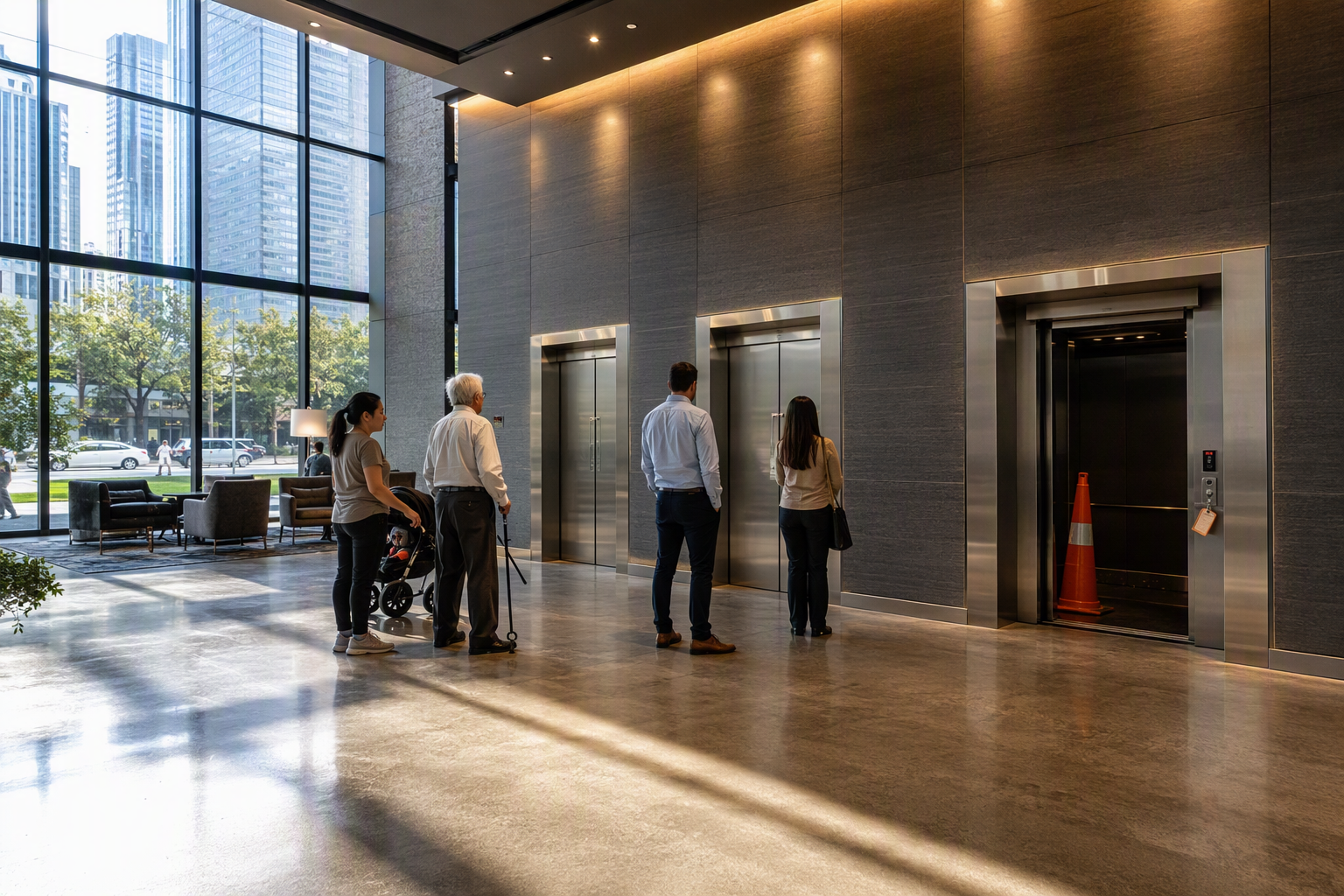
Tenants in multifamily and commercial buildings depend on elevators as a basic amenity — not an optional convenience. When an elevator is out of service for an extended period, the lived experience for tenants changes significantly. Residents in upper-floor apartments face physical hardship, especially older adults, individuals with mobility challenges, and families with young children. Office tenants may find daily operations disrupted, affecting employee morale and even client perceptions.
Persistent downtime signals to tenants that building management is not prioritizing property upkeep. That perception, once formed, is difficult to reverse before a lease renewal conversation begins. In competitive Houston rental and commercial leasing markets, tenants have options — and recurring mechanical failures give them a documented reason to explore them.
Properties subject to ADA accessibility requirements face an additional layer of urgency: an inoperative elevator in a building where vertical access is required by law creates both a tenant hardship and a compliance exposure that can accelerate disputes.
—
What Is the Connection Between Elevator Reliability and Lease Renewal Rates?

Lease renewal decisions are rarely made in isolation. Tenants weigh accumulated experiences over the full lease term. A building that has experienced multiple elevator outages — particularly outages that lasted days rather than hours — creates a negative ledger in a tenant’s mind long before renewal conversations begin.
For commercial tenants, the calculus is especially direct. A law firm, medical practice, or financial services office that depends on consistent upper-floor access cannot afford the reputational risk of telling clients that the elevator is down again. Lease non-renewal in these cases often traces back to facilities management failures, with elevator reliability ranking among the most frequently cited operational concerns.
For multifamily communities, online reviews and resident feedback platforms give dissatisfied tenants an immediate and public outlet. Negative reviews referencing broken elevators are visible to prospective tenants during their search process, compounding the retention problem with a vacancy problem.
—
What Texas Elevator Code Requirements Apply to Houston Buildings?
Texas elevator safety is governed at the state level, with the Texas Department of Insurance (TDI) overseeing boiler and pressure vessel inspections, while elevator-specific requirements align with the ASME A17.1 Safety Code for Elevators and Escalators — the nationally recognized standard that Texas adopts as the technical baseline for elevator construction, installation, and inspection.
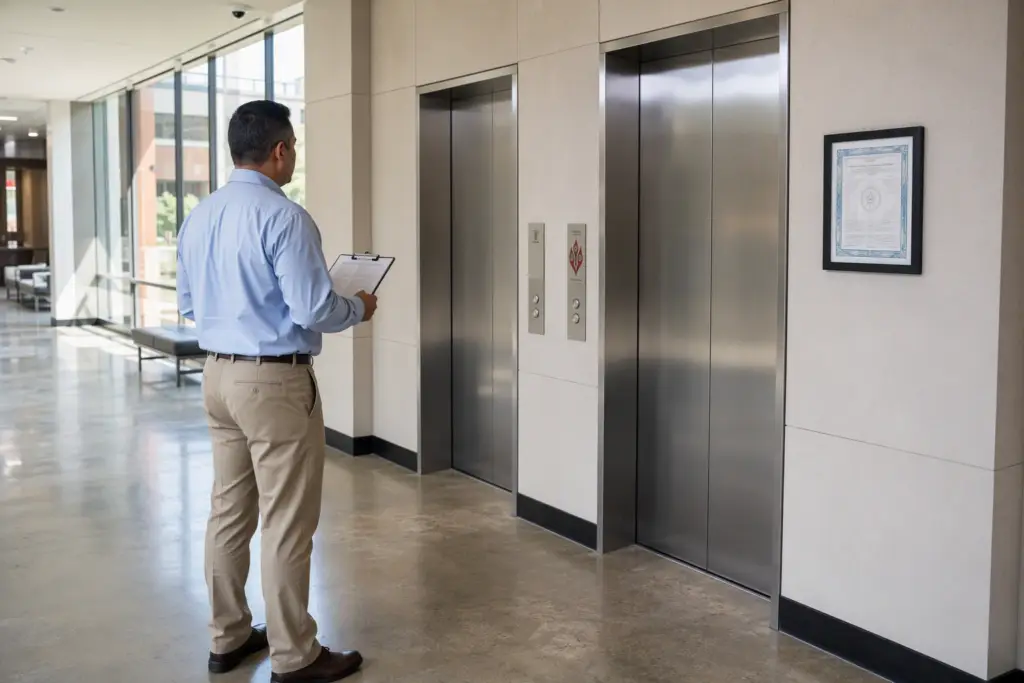
In 2026, building owners operating elevators in Houston should ensure their equipment is inspected on the schedule required by the applicable code edition adopted in Texas, and that inspection certificates are current and posted as required. Failure to maintain valid inspection status can result in required shutdown of equipment, which creates precisely the kind of forced downtime that damages tenant relationships.
Key compliance considerations for Houston building owners include:
- Annual inspections conducted by a qualified elevator inspector as required under Texas administrative rules implementing ASME A17.1
- Timely correction of any deficiencies noted in inspection reports
- Maintenance of records documenting inspection history and repair work
- Ensuring elevator equipment meets ADA accessibility standards for public accommodations and commercial facilities
- Workplace safety compliance for elevator machine rooms and service operations under OSHA standards
—
What Should Building Managers Do Immediately When an Elevator Goes Out of Service?
- Confirm no occupants are trapped — contact your elevator service provider’s emergency line immediately if anyone is stuck inside the cab.
- Post clear, visible signage at every elevator lobby on every floor indicating the elevator is out of service and, if known, whether stairs are the designated alternative access route.
- Notify affected tenants directly — do not rely solely on signage. Email, text, or direct communication demonstrates responsiveness and limits the sense that management is indifferent to the disruption.
- Contact your certified elevator service company to dispatch a qualified technician for diagnosis and repair.
- Document the incident — record the time the outage was reported, the response actions taken, and all communications with your service provider for your maintenance and compliance records.
- Assess ADA impact — if the building has tenants or guests who depend on the elevator for accessible entry, evaluate whether any temporary accommodation obligations apply under ADA and consult legal counsel if needed.
- Follow up with tenants after the repair is complete, confirming the elevator has been returned to service and describing what was done to prevent recurrence.
—
How Does Deferred Elevator Maintenance Compound Downtime Risk?
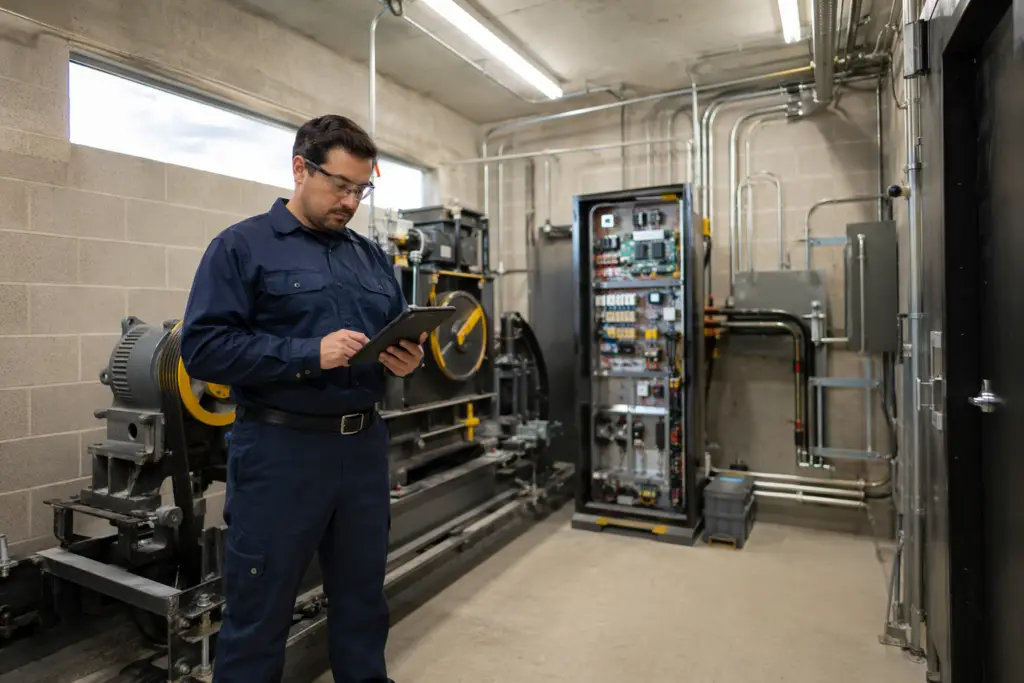
Deferred maintenance is one of the most reliable predictors of unplanned elevator outages. When routine inspections, lubrication, component wear assessments, and minor adjustments are skipped or delayed, small mechanical issues develop into failures that require significantly more time and cost to correct. In a multifamily or commercial building, that extended repair timeline translates directly into extended tenant inconvenience.
A proactive maintenance contract with a qualified Houston elevator service provider creates a documented service history that also functions as a compliance record. This is valuable not only for regulatory inspections but also as evidence of due diligence in the event of a tenant dispute or liability claim related to elevator performance.
—
How Does Elevator Modernization Reduce Downtime and Support Lease Performance?
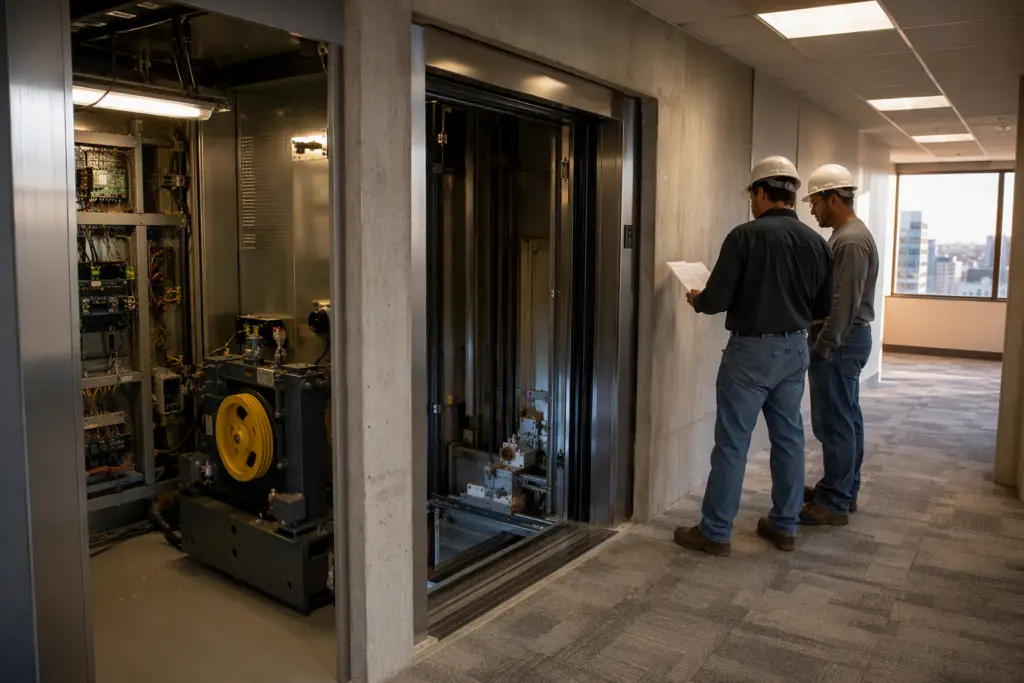
Older elevator systems — particularly those installed more than two decades ago — are subject to increasing parts scarcity, longer repair lead times, and more frequent mechanical failures as components age beyond their designed service life. Modernization, which typically involves upgrading control systems, drive components, cab interiors, and safety features, can dramatically reduce unplanned outages while also bringing equipment into alignment with current ASME A17.1 code requirements.
For Houston building owners evaluating capital improvement plans, elevator modernization is increasingly positioned not only as a maintenance decision but as a leasing strategy — upgrading the elevator experience contributes to the overall quality signals that attract and retain quality tenants in competitive submarkets like Midtown, the Energy Corridor, Uptown/Galleria, and the Medical Center.
—
What Should Houston Property Owners Look for When Choosing an Elevator Service Company?
Selecting the right elevator service partner is a facilities management decision with direct implications for tenant experience and regulatory compliance. Houston building owners and property managers should evaluate service providers on several dimensions:
- Texas-specific code knowledge — a provider with deep familiarity with ASME A17.1 as applied in Texas, and experience navigating TDI inspection requirements
- Range of services — the ability to handle routine maintenance, emergency repairs, and full modernization projects reduces the friction of managing multiple vendors
- Local market presence — a provider with established operations in the Houston metropolitan area can respond to service needs more effectively than one dispatching from distant locations
- Documented maintenance programs — structured preventive maintenance programs with clear service records support both compliance and lease conversations
- Emergency service availability — the provider should offer after-hours emergency support, as elevator entrapments and critical outages do not occur only during business hours
- Communication practices — property managers benefit from providers who communicate clearly about repair timelines, parts status, and completed work
AmeriTex Elevator serves multifamily communities, commercial office buildings, healthcare facilities, and mixed-use properties across Houston and the surrounding region. The company’s service area includes the Houston metro and surrounding communities throughout Southeast Texas.
—
Can Regular Elevator Maintenance Be Positioned as a Tenant Retention Tool?
Yes — and forward-thinking property managers in Houston are already doing this. Communicating proactively with tenants about scheduled maintenance visits, completed upgrades, and inspection results transforms elevator service from an invisible background function into a visible demonstration of management quality. Tenants who see evidence that their building is being actively maintained are more likely to view their lease renewal positively.
Some property managers include elevator maintenance updates in tenant newsletters or community communications, particularly following a modernization project or a significant repair. This kind of transparency converts a facilities management activity into a relationship-building opportunity — and it reinforces the case for renewing a lease in a well-managed building rather than relocating to an unknown alternative.
—
Ready to Reduce Elevator Downtime and Protect Tenant Relationships in Your Houston Building?
Elevator reliability is not a secondary concern — it is a direct driver of tenant satisfaction, lease renewal rates, and the long-term value of multifamily and commercial properties across Houston. AmeriTex Elevator helps building owners and property managers get ahead of downtime with proactive maintenance programs, code-compliant inspections, and modernization services tailored to the Houston market.
Schedule a Free Consultation with AmeriTex Elevator today.
Call 866-679-4313 to speak with the AmeriTex Elevator team about a maintenance plan or modernization assessment for your Houston property.
Need elevator service you can rely on? AmeriTex Elevator is ready to help.