Elevator Modernization Cost: Complete FAQ for Building Owners in Texas and California
Elevator modernization is one of the most significant capital investments a commercial or residential building owner can make. Understanding what drives cost — from equipment choices and building configuration to regulatory compliance and local labor markets — is essential for accurate budgeting and long-term planning. This FAQ covers every major question building owners, property managers, and facility directors ask when evaluating modernization projects in Texas and California.
What Is Elevator Modernization and How Does It Differ from Repair?
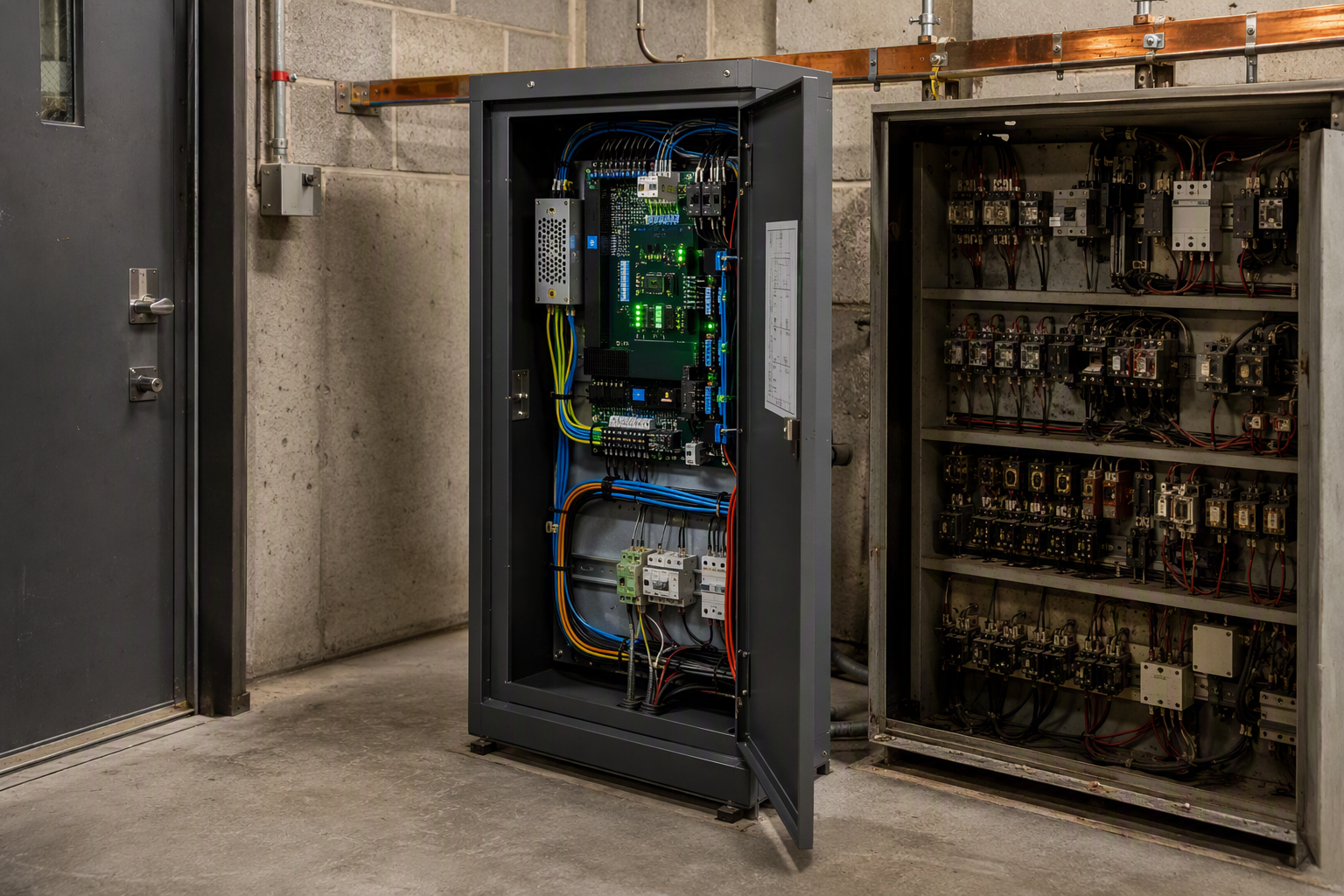
Elevator modernization is the replacement or substantial upgrade of a system’s core components — controls, drive systems, safety devices, or cab finishes — rather than a like-for-like part swap performed in routine repair.
Routine elevator repair addresses a specific failed component, such as a worn door operator or a faulty contactor, and restores the system to its previous operating condition. Modernization, by contrast, replaces entire subsystems — often the control system, drive machine, or cab interior — bringing performance, energy efficiency, and code compliance to current standards. A project qualifies as modernization under ASME A17.3, Safety Code for Existing Elevators and Escalators, which establishes the retroactive requirements triggered when an existing elevator undergoes substantial alteration. Building owners should understand this distinction clearly because triggering ASME A17.3 compliance requirements during a modernization project adds both scope and cost that a simple repair would not.
How Much Does Elevator Modernization Cost on Average?
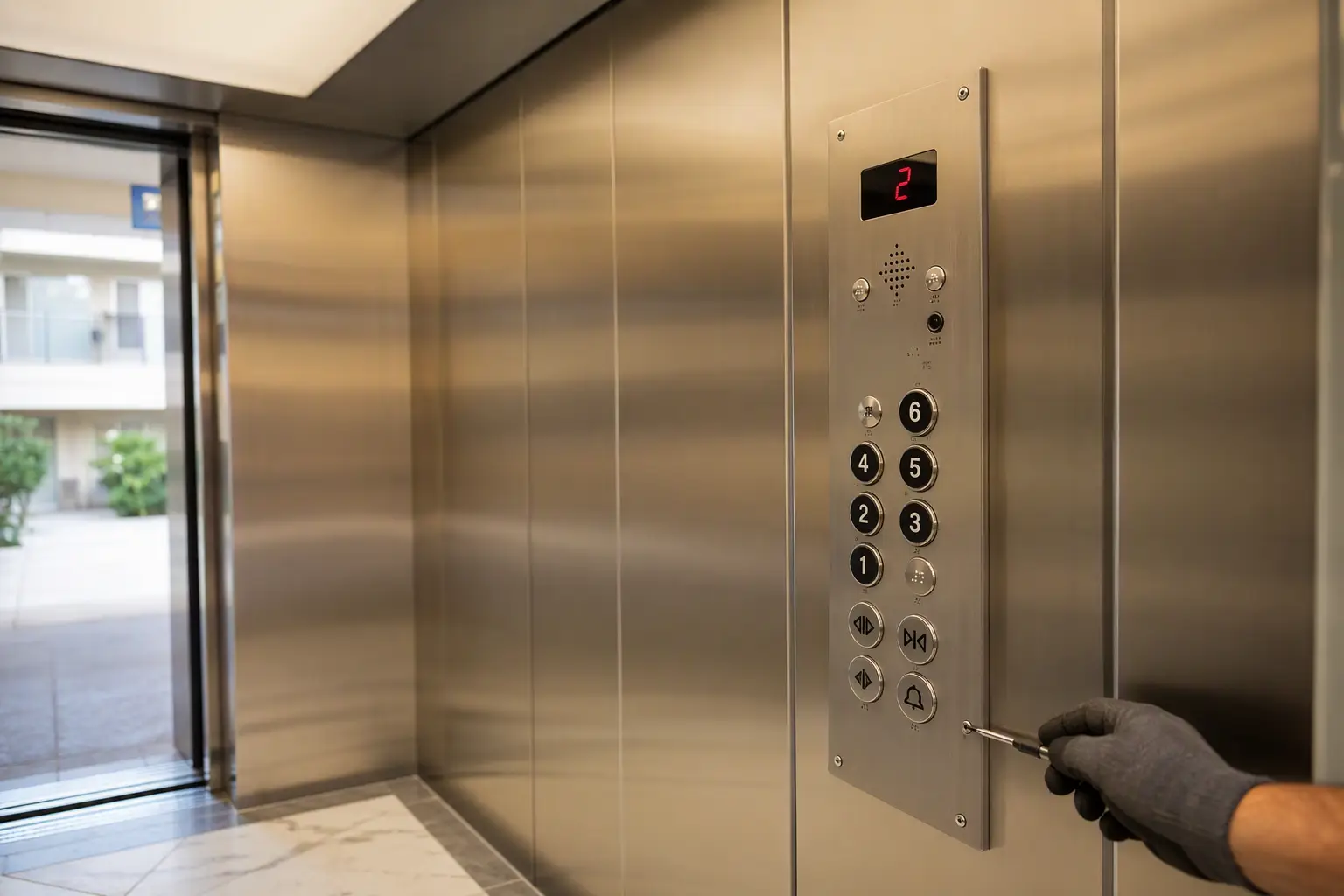
Elevator modernization costs vary widely based on scope and building type, but projects typically range from modest five-figure sums for targeted control upgrades to well into the six-figure range for full system overhauls on multi-story commercial buildings.
A partial modernization — replacing only the controller and drive on a low-rise hydraulic elevator — sits at the lower end of the cost spectrum. A full modernization of a traction elevator serving a high-rise building, including machine room equipment, cab finishes, door systems, safety upgrades, and ADA compliance work, commands significantly higher investment. Geographic factors also play a role: labor costs in Los Angeles and San Diego tend to exceed those in Houston or San Antonio, reflecting local wage rates and market demand. Because every project is site-specific, a precise cost estimate requires an on-site assessment by a qualified elevator service company such as AmeriTex Elevator, which performs free elevator assessments across Houston, Dallas, Austin, San Antonio, Los Angeles, and San Diego.
What Are the Main Factors That Affect Elevator Modernization Cost?
The primary cost drivers are elevator type, number of stops, system age, scope of components replaced, ADA and code compliance requirements, local labor rates, and whether the machine room requires structural modifications.
Each factor compounds the others. A hydraulic elevator in a three-story building with an outdated controller and minor cab wear is a fundamentally different project than a geared traction elevator serving twenty floors that needs new drives, ropes, safety devices, and a complete interior renovation. The following table summarizes the key cost-influencing factors and their general directional impact on project price.
| Cost Factor | Lower Cost Scenario | Higher Cost Scenario |
|---|---|---|
| Elevator Type | Hydraulic (low-rise) | Geared or gearless traction (high-rise) |
| Number of Stops/Floors Served | 2–4 stops | 10+ stops |
| Modernization Scope | Controls-only upgrade | Full system: drive, cab, doors, safety devices |
| System Age | 15–25 years (parts available) | 30+ years (proprietary or obsolete components) |
| ADA Compliance Gap | Minor signage/button updates | Full cab resizing, door width, audible signals |
| Code Compliance Trigger (ASME A17.3) | Partial alteration, limited triggers | Substantial alteration triggering full retroactive compliance |
| Machine Room Condition | Accessible, adequate ventilation | Structural modifications, cooling, or rerouting required |
| Local Labor Market | Houston, San Antonio | Los Angeles, San Diego |
| Building Downtime Tolerance | Flexible outage scheduling | After-hours or phased work required |
| Number of Elevators in Bank | Single elevator | Multiple units modernized sequentially |
Does Elevator Modernization Trigger Code Compliance Requirements?
Yes — performing a substantial alteration on an existing elevator triggers retroactive safety requirements under ASME A17.3, and both Texas and California have adopted elevator safety codes that reference or build upon these standards.
In Texas, elevator safety is regulated by the Texas Department of Insurance (TDI), which enforces the state elevator safety law and references applicable ASME codes. In California, elevator safety falls under the California Department of Industrial Relations, Elevator, Ride, and Tramway Unit. When a modernization project meets the threshold for “substantial alteration,” the authority having jurisdiction (AHJ) may require the updated installation to comply with current editions of applicable codes — not just the code in effect when the elevator was originally installed. This means a modernization project that appears to have a narrow scope can expand significantly once compliance gaps are identified during permitting and inspection. Building owners should account for this in their project budgets from the outset.
What ADA Requirements Apply to Elevator Modernization Projects?
Modernization projects in buildings subject to the Americans with Disabilities Act must evaluate and, in many cases, correct elevator accessibility deficiencies, including cab dimensions, door width, control panel height, floor indicators, and audible signal systems.
The Americans with Disabilities Act requires that elevators in public accommodations and commercial facilities meet specific accessibility standards. When a building undergoes alterations — and elevator modernization qualifies as an alteration — the path of travel to and from the altered area, including the elevator, must be made accessible to the maximum extent feasible. Practically, this means that a modernization project may require cab floor area adjustments, compliant hall call and car operating panel button heights and Braille, door reopening devices, and audible and visual floor indicators. ADA compliance work adds cost but also reduces liability exposure and improves usability for all building occupants.
How Does Elevator Type Affect Modernization Cost?
Hydraulic elevators generally cost less to modernize than traction elevators because their mechanical systems are simpler, but older hydraulic units may require underground cylinder replacement, which adds substantial cost and complexity.
Hydraulic elevators in low-rise applications — typically serving two to five floors — have straightforward power units, valve assemblies, and control systems that are relatively accessible to upgrade. However, single-bottom hydraulic cylinders installed before the widespread adoption of PVC-lined cylinders may require full cylinder replacement due to environmental concerns related to hydraulic fluid leaks into the soil. This single item can significantly change the project budget. Traction elevators — both geared and gearless — involve more complex machine room equipment, counterweight systems, ropes or belts, and sophisticated drive technology. A gearless MRL (machine-room-less) traction system modernization is typically among the most technically demanding and cost-intensive projects a building owner will encounter.
What Components Are Typically Replaced During Elevator Modernization?
A comprehensive modernization may include the controller, drive system, motor, ropes or hydraulic cylinder, door operators, safety devices, cab interior, signals and fixtures, and accessibility components — but many projects address a targeted subset of these based on age, condition, and compliance need.
Controllers are among the most common modernization targets because older relay-based or early solid-state controllers become difficult or impossible to maintain as proprietary parts are discontinued. Upgrading to a modern microprocessor controller improves dispatch efficiency, energy performance, and diagnostic capability. Drive systems — whether hydraulic power units or electric variable-voltage variable-frequency (VVVF) drives — are frequently modernized alongside controllers since they are interdependent. Door systems are another high-priority item: worn door operators cause the majority of elevator service calls and passenger entrapments. Safety devices including governors, safeties, and buffers must meet current ASME A17.1 Safety Code for Elevators and Escalators requirements when the system undergoes substantial alteration.
How Long Does an Elevator Modernization Project Take?
Project duration ranges from a few weeks for a targeted controls upgrade to several months for a full-system modernization, depending on scope, parts lead times, permitting, and scheduling around building occupancy.
Permitting in Texas (through TDI and local AHJs) and in California (through the state elevator unit and local building departments) adds time to the front end of every project. Drawings must be submitted, reviewed, and approved before work begins, and final inspections are required before the elevator is returned to service. Supply chain conditions — particularly for custom or semi-custom controller assemblies — can extend lead times. Building owners who need to minimize tenant disruption should discuss phased work schedules with their service provider. AmeriTex Elevator works with building owners in Houston, Dallas, Austin, San Antonio, Los Angeles, and San Diego to develop modernization timelines that account for permitting, occupancy requirements, and equipment availability.
What Is the Difference Between a Partial and Full Modernization?
A partial modernization replaces one or a few subsystems — most commonly the controller or drive — while a full modernization replaces virtually all major components, bringing the system to near-new performance and compliance status.
Partial modernizations are appropriate when the overall system is in good condition but a specific component has reached the end of its serviceable life or is creating compliance exposure. Full modernizations are warranted when the elevator is approaching or past its expected design life, when multiple components are nearing failure, or when the building is undergoing significant renovation that justifies the investment in a complete overhaul. From a cost-per-benefit standpoint, full modernizations often deliver better long-term value than a series of sequential partial upgrades because they establish a common baseline for all components, reduce near-term service call frequency, and typically carry a manufacturer warranty on the new equipment. The right approach depends on current system condition, remaining useful life analysis, and the building’s long-term operational plans.
How Do I Know If My Elevator Needs Modernization Rather Than Repair?
Key indicators include recurring service calls for the same components, obsolete or discontinued parts, increasing maintenance costs, failed or marginal inspection results, and passenger safety or accessibility complaints.
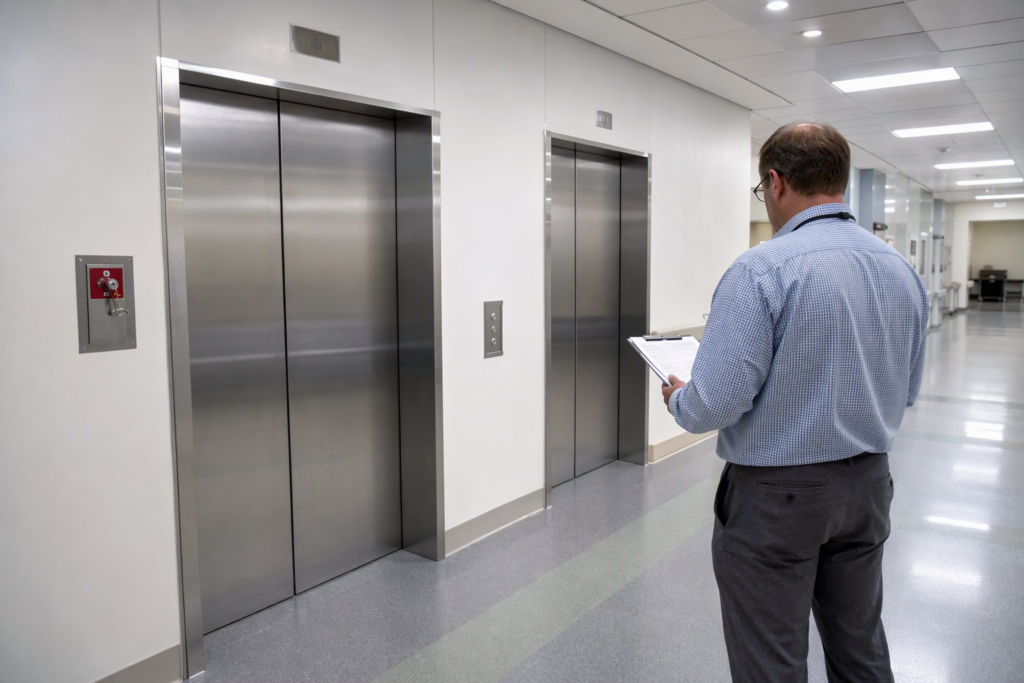
Building owners and property managers should evaluate the repair-versus-modernize decision using a total cost of ownership lens rather than comparing only the immediate repair invoice to the modernization quote. When an elevator consistently generates service calls, when technicians struggle to source compatible replacement parts, or when the system repeatedly fails state inspections, ongoing repair spending compounds without producing a reliable system. A qualified elevator service company can perform a condition assessment that documents component age, part availability, compliance gaps, and projected maintenance cost trajectory — giving building owners the data needed to make an informed capital decision rather than reactive choices driven by the next breakdown.
What Should Building Owners Do to Prepare for an Elevator Modernization Project?
- Gather existing documentation: Collect original installation drawings, previous inspection certificates, maintenance records, and any prior code violation notices. This documentation significantly reduces the time needed for initial assessment and permitting.
- Identify the authority having jurisdiction: In Texas, confirm whether TDI or a local AHJ has primary inspection authority for your building. In California, determine whether the state elevator unit or a local certified inspector governs your installation.
- Engage a licensed elevator service company early: Invite qualified contractors to perform condition assessments before the project is formally scoped — early engagement surfaces compliance issues and long-lead equipment needs before they become schedule problems.
- Establish a realistic budget range: Work with your service provider to define a preliminary budget that includes equipment, labor, permitting, inspection fees, and a contingency allowance for discovered conditions.
- Plan for building occupancy impact: Communicate the expected outage schedule to tenants, coordinate with building management and ADA accessibility plans, and determine whether a temporary accessibility accommodation is needed during the outage.
- Review financing and incentive options: Some utility programs in California and Texas offer energy efficiency incentives for elevator drive upgrades. Consult with your energy provider to determine what programs may apply to your project.
- Obtain multiple detailed proposals: Compare proposals on scope, warranty terms, insurance, and licensing — not price alone — to ensure equivalent scope is being quoted by each bidder.
Are There Energy Efficiency Benefits to Elevator Modernization?
Yes — modernizing an elevator drive system to a variable-voltage variable-frequency (VVVF) drive and adding regenerative drive technology can meaningfully reduce energy consumption compared to older hydraulic or DC motor systems.
Older hydraulic elevators with traditional power units and older traction elevators with DC motor-generator sets are among the least energy-efficient elevator configurations still in service. Modern VVVF drives regulate motor speed and torque precisely, eliminating the energy waste associated with resistance-based speed control. Regenerative drive systems capture the energy produced when a loaded cab descends or an empty cab rises and return it to the building’s electrical system. For buildings with high elevator utilization — such as multi-tenant commercial properties or residential towers in Los Angeles or Dallas — the energy savings over the system’s next service life can be a meaningful component of the modernization’s return on investment.
How Do Texas and California Inspection Requirements Affect the Modernization Process?
Both Texas and California require permit issuance before modernization work begins and a state or third-party inspection before the modernized elevator is returned to service — non-compliance can result in an elevator being placed out of service.
In Texas, the Department of Insurance regulates elevator safety and requires that elevator work be performed by licensed elevator contractors using licensed mechanics. Permits must be obtained and final inspections scheduled and passed before an elevator is returned to public use. In California, the Department of Industrial Relations’ Elevator, Ride, and Tramway Unit requires permits and inspections for alterations to existing elevators. Both states reference ASME codes as the technical basis for their requirements. Building owners should verify that any service contractor they engage holds the appropriate state licenses before allowing work to proceed — unlicensed work can void inspection approvals, create liability exposure, and result in enforcement action by the AHJ.
What Warranties Are Typically Included with Modernization Work?
Modernization projects typically include manufacturer warranties on major equipment components and a separate labor warranty from the elevator service contractor — the terms, duration, and coverage scope vary significantly between providers and should be reviewed carefully before contract execution.
Equipment warranties from controller and drive manufacturers commonly cover defects in materials and workmanship for a defined period following installation. Labor warranties from the installing contractor cover the quality of the installation itself. Building owners should review warranty documents to understand what voids coverage — including whether maintenance must be performed by the installing contractor or its authorized successor — and what the claims process involves. Long-term maintenance agreements offered by the modernizing contractor can preserve warranty coverage while also ensuring the new system receives qualified service. AmeriTex Elevator offers maintenance programs across its Texas and California service areas that are designed to complement modernization warranties and extend system longevity.
Can Elevator Modernization Be Financed or Leased?
Yes — elevator modernization projects can often be structured through equipment financing, capital leases, or property-secured loans, allowing building owners to spread costs over time rather than funding the full investment from operating capital.
Many commercial lenders and equipment finance companies offer products specifically for building system upgrades, including elevators. Capital leases allow the building owner to treat the elevator system as a depreciable asset while making fixed monthly payments over the lease term. For building owners managing multiple properties or planning modernizations across a portfolio, financing structures can be aligned with asset holding periods and capital planning cycles. Building owners should consult with their financial advisors and tax counsel regarding depreciation treatment, lease accounting implications under current standards, and whether any energy efficiency incentive programs available in California or Texas can be layered with financing to improve overall project economics.
How Do I Compare Elevator Modernization Proposals from Different Contractors?
Proposals should be compared on scope specificity, equipment brand and model, warranty terms, licensing documentation, insurance coverage, timeline, and compliance responsibility — not on price alone.
A lower-priced proposal that excludes ADA compliance work, omits certain safety device replacements, or uses unlicensed labor is not a bargain — it is an incomplete project that will require additional spending and may fail inspection. When reviewing proposals, building owners should require that each contractor identify by brand and model the specific controller, drive, and other major components being proposed; detail which existing components are being retained versus replaced; and specify who is responsible for obtaining permits and scheduling inspections. Contractors should provide proof of applicable state licensing and current certificates of insurance naming the building owner as an additional insured. Asking each bidder to walk through the proposal in person often surfaces scope assumptions and exclusions that are not apparent from a written document alone.
What Happens If an Elevator Fails Inspection After Modernization?
A failed post-modernization inspection results in the elevator remaining out of service until deficiencies are corrected and a re-inspection is passed — this makes choosing a qualified, licensed contractor critical to avoiding costly delays and tenant impact.
Inspection failures after modernization typically arise from one of three sources: installation deficiencies that do not meet the code requirements cited in the permit; incomplete documentation submitted to the AHJ; or discovered conditions — such as non-compliant pit depth or overhead clearance — that were not addressed in the modernization scope. A knowledgeable elevator service company will conduct a pre-modernization survey thorough enough to identify these conditions before the project begins, incorporate necessary remediation into the scope, and prepare complete permit documentation that reduces the risk of inspection failures. Re-inspections involve additional scheduling time with the AHJ and additional out-of-service time for the building — costs that fall disproportionately on buildings with single-elevator installations.
How Often Should an Elevator Be Modernized Over Its Lifespan?
Elevators do not have a single universally prescribed modernization interval, but industry guidance suggests that most elevator systems benefit from at least one major modernization during a multi-decade service life, with the timing driven by component condition, parts availability, and code compliance status rather than a fixed calendar schedule.
The useful life of elevator components varies considerably by type and operating environment. Control systems and drive technology evolve rapidly enough that systems installed more than two to three decades ago often use logic platforms for which replacement parts are discontinued or extremely difficult to source. Mechanical components — guide rails, buffers, safeties, and structural elements — are more durable and may remain serviceable well beyond the point at which electronic and electrical systems require replacement. A systematic condition assessment performed by a qualified service provider, referencing the requirements of ASME A17.3 for existing elevators, provides the most reliable basis for determining when modernization is warranted for a specific installation.
Does Elevator Modernization Increase Property Value?
A modernized elevator can contribute positively to property value by reducing deferred maintenance liability, improving tenant satisfaction and retention, enhancing ADA compliance, and demonstrating proactive capital stewardship to prospective buyers or lenders.
Commercial real estate buyers and lenders conducting due diligence on a property will scrutinize the condition and remaining useful life of major building systems, including elevators. An elevator with a documented modernization history, current inspection certificates, and a maintained control system represents lower near-term capital risk than an aging system with open inspection violations or parts-availability concerns. For multi-tenant commercial and residential properties in competitive markets like Los Angeles, San Diego, Houston, and Dallas, elevator performance is a tangible factor in tenant satisfaction surveys and lease renewal decisions. While the dollar impact on valuation is property-specific, the direction of the effect is generally favorable when modernization is properly documented and communicated.
How Can Building Owners in Texas and California Find a Qualified Elevator Modernization Contractor?
Building owners should seek contractors licensed under applicable Texas and California elevator safety regulations, with documented experience modernizing the specific elevator type in their building and references from comparable projects in the local market.
In Texas, elevator contractors and mechanics must be licensed through the Department of Insurance. In California, elevator contractors must be licensed by the Contractors State License Board and elevator mechanics must hold valid certifications. Verification of current licensure status should be a non-negotiable step in any contractor selection process. Beyond licensure, building owners benefit from selecting a contractor with genuine local market experience — familiarity with the specific AHJ, awareness of local inspection scheduling timelines, and established relationships with equipment suppliers serving the regional market all contribute to project execution quality. AmeriTex Elevator serves building owners across Houston, Dallas, Austin, San Antonio, Los Angeles, and San Diego with licensed elevator modernization services and free on-site assessments to help building owners understand their options before committing to a project scope.
What OSHA Requirements Apply to Elevator Modernization Worksites?
Elevator modernization worksites are subject to OSHA construction and general industry standards governing fall protection, confined space entry, electrical safety, and lockout/tagout procedures — all of which apply to the hoistway and machine room work environment.
Hoistways present significant fall hazards during modernization work, requiring compliant fall protection systems when workers are exposed to falls into the pit or through open hoistway entrances. Machine room and pit environments may qualify as permit-required confined spaces under OSHA standards, requiring a written confined space program, atmospheric testing, and attendant procedures. Electrical work on elevator systems must comply with OSHA electrical safety standards, and all stored energy in hydraulic systems and counterweights must be controlled through documented lockout/tagout procedures before maintenance or installation work is performed. Building owners should verify that any modernization contractor they engage has a documented safety program and that all workers on the project are trained to applicable OSHA requirements. A worksite incident on a building owner’s property can create liability exposure for the property owner as well as the contractor.
Get Expert Guidance on Your Elevator Modernization Project
Understanding elevator modernization costs requires a site-specific assessment by a licensed professional — there is no substitute for a qualified technician evaluating your system’s age, condition, compliance status, and the unique characteristics of your building. AmeriTex Elevator provides free elevator assessments for building owners and property managers across Houston, Dallas, Austin, San Antonio, Los Angeles, and San Diego, helping clients develop accurate project scopes and budgets before committing to modernization work.
Whether the goal is addressing a compliance gap identified in a recent inspection, replacing an aging control system before it fails, or undertaking a full system overhaul to extend the elevator’s service life for decades to come, AmeriTex Elevator’s licensed team can evaluate the options, explain the regulatory requirements, and provide a detailed proposal that reflects the true scope of work.
Contact AmeriTex Elevator for a free elevator assessment. Call 866-679-4313 to schedule your on-site evaluation today.