Elevator Service in Houston, TX | AmeriTex Elevator
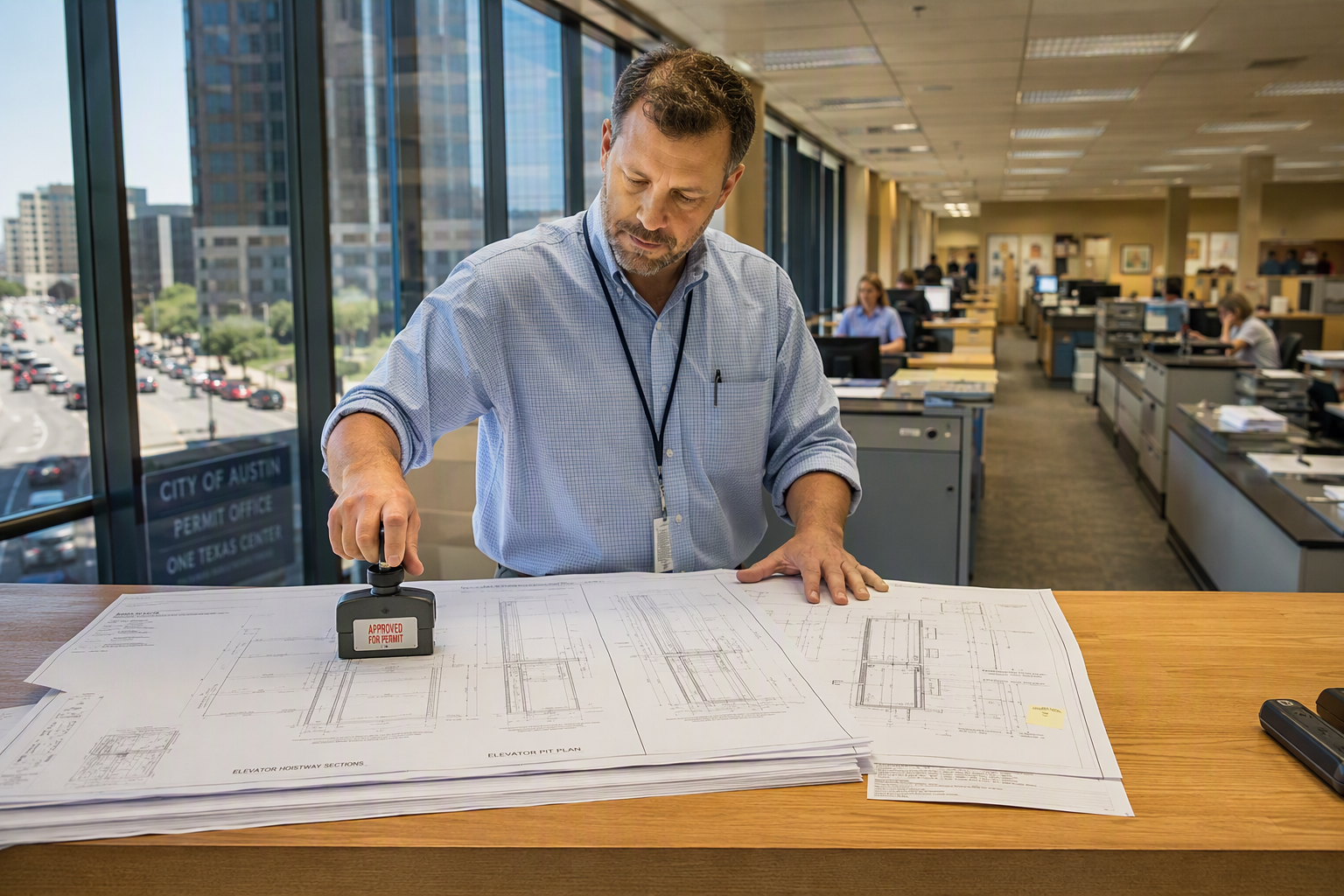
Getting an elevator permit approved in Texas before construction or modernization begins is a mandatory step governed by state law. Whether a project is located in Dallas, Houston, or anywhere else in Texas, understanding the permitting process, the agencies involved, and the factors that influence approval timelines is essential for keeping a project on schedule and in full compliance.
Who Approves Elevator Permits in Texas?
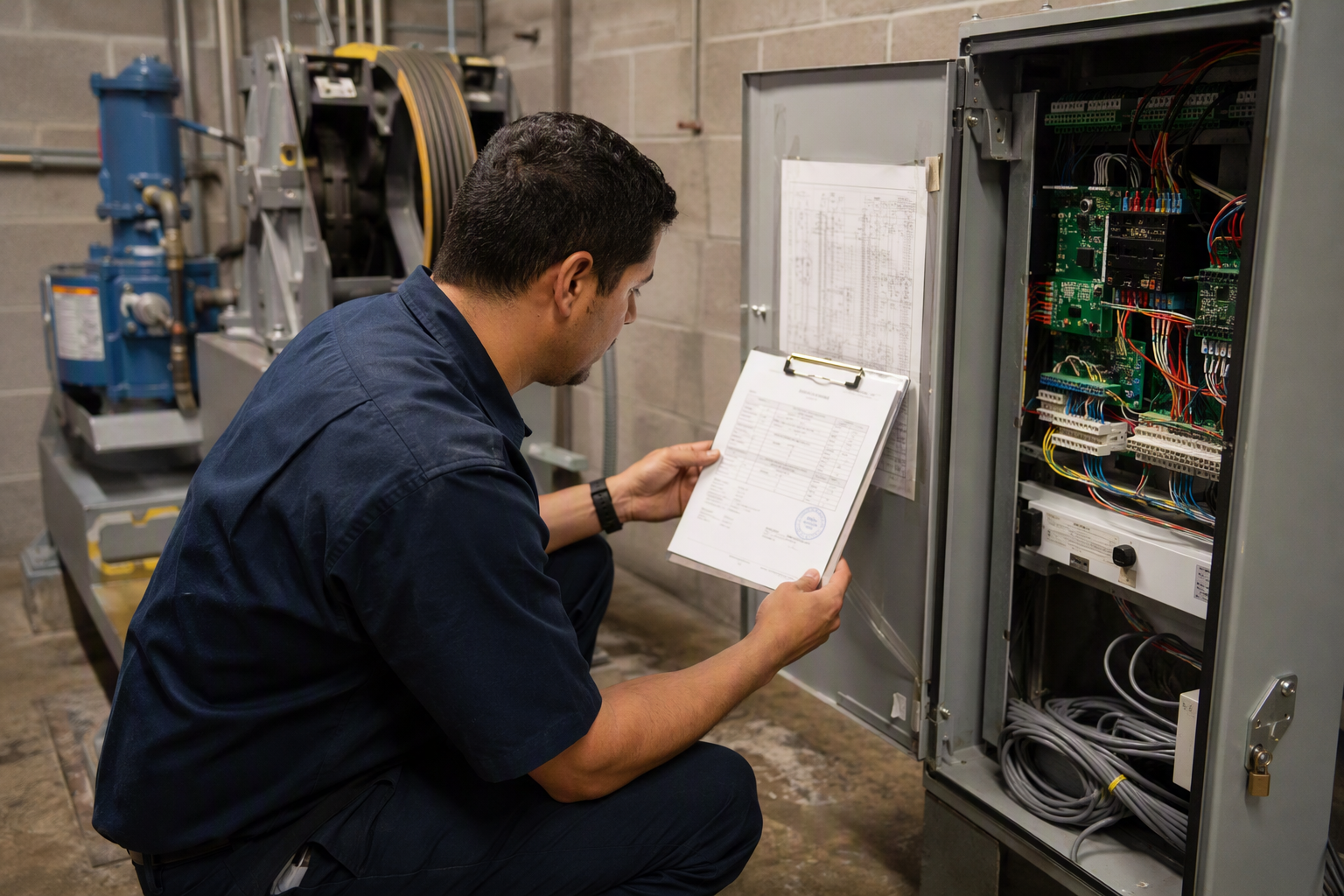
In Texas, elevator permitting and inspection authority falls primarily under the Texas Department of Insurance (TDI), Elevator Safety Program. Unlike many states where local municipalities handle elevator permits independently, Texas uses a statewide licensing and inspection structure. Both Dallas and Houston projects must comply with TDI requirements, though local building departments may also be involved for structural and electrical coordination.
TDI administers the Texas Elevator Safety Act and enforces compliance with nationally recognized elevator safety standards, including the ASME A17.1 Safety Code for Elevators and Escalators for new installations and the ASME A17.3 Safety Code for Existing Elevators and Escalators for modernization work. Permit applications, plan reviews, and inspection scheduling for both Dallas and Houston elevators flow through TDI’s statewide system.
How Long Does Elevator Permit Approval Actually Take in Dallas or Houston?
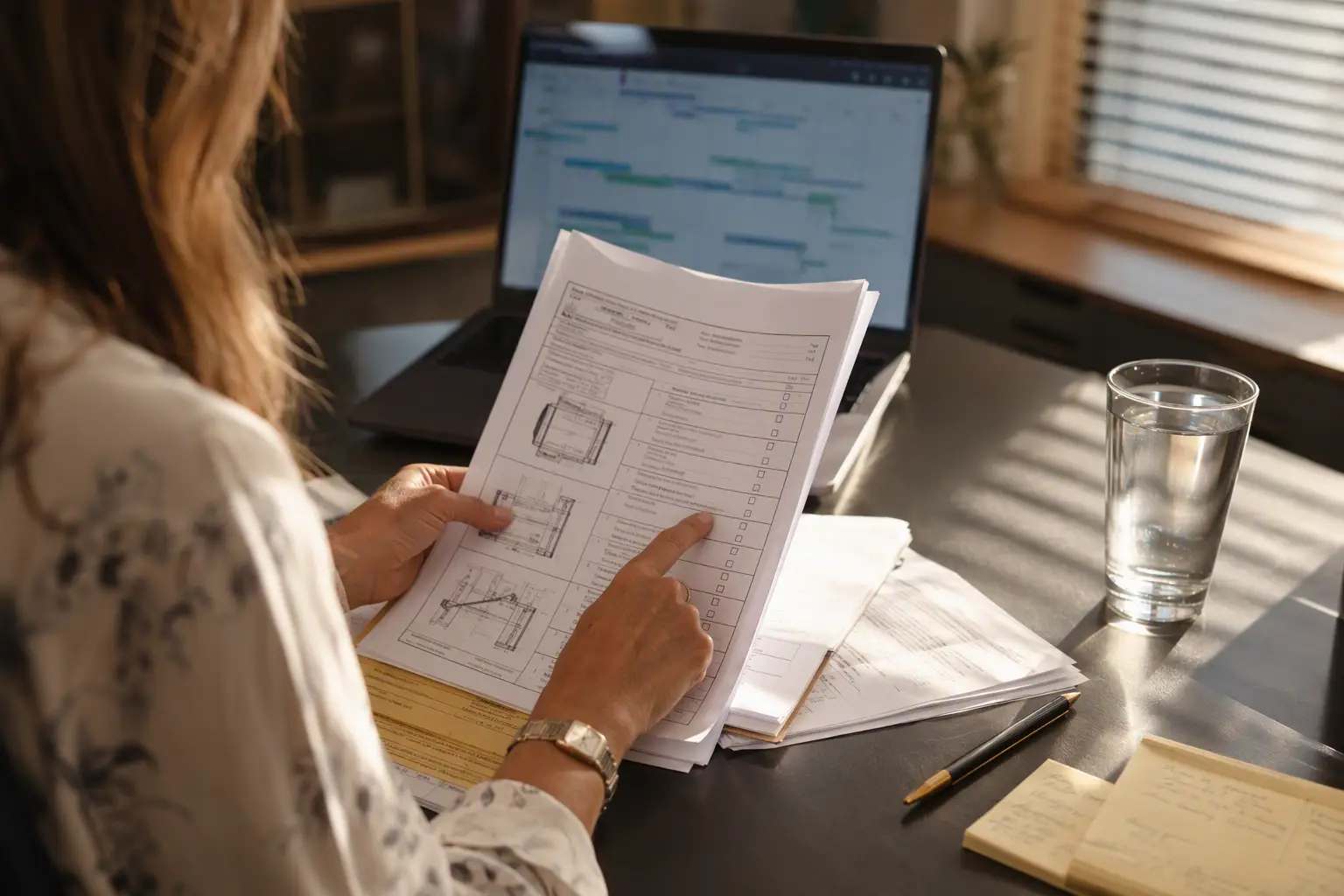
Permit approval timelines in Texas vary based on several project-specific and administrative factors. As a general range:
- Simple modernization projects with complete, code-compliant plan submissions may receive approval in as little as two to four weeks.
- New elevator installations or complex modernizations involving major mechanical, structural, or control system changes typically require six to twelve weeks or longer for full plan review and permit issuance.
- Projects with incomplete submittals, plan review comments requiring resubmission, or unusual equipment configurations can extend timelines significantly beyond initial estimates.
TDI’s processing workload fluctuates with construction activity across Texas. During periods of high construction volume — which Houston and Dallas regularly experience given their growth — review queues can lengthen. Submitting a thorough, complete application package the first time is one of the most reliable ways to avoid avoidable delays.
What Documents Are Typically Required for a Texas Elevator Permit Application?
A complete permit application to TDI generally includes engineered drawings, equipment specifications, and applicable fee payment. For modernization projects, existing permit records and inspection history are often needed as well. Missing or incorrect documentation is one of the most common reasons applications are returned for revision, adding weeks to a timeline.
Working with a licensed elevator contractor who is familiar with TDI’s current submission requirements helps ensure that plan packages meet the agency’s standards from the start. AmeriTex Elevator assists building owners and contractors in Dallas and Houston in preparing accurate, complete permit documentation for new installations and modernization projects alike.
What Is the Step-by-Step Permit Process for Elevator Work in Texas?
- Engage a licensed elevator contractor. Texas law requires elevator work to be performed by contractors licensed through TDI. Selecting a qualified contractor before permit submission is the first required step.
- Prepare engineered plans and specifications. Drawings must reflect compliance with the applicable edition of ASME A17.1 (new construction) or ASME A17.3 (modernization). Equipment cut sheets, load calculations, and other supporting documents are typically required.
- Submit the permit application to TDI. Applications are submitted through TDI’s Elevator Safety Program, along with the applicable permit fee. Both Dallas and Houston projects use this statewide portal.
- Await plan review. TDI staff review the submitted documents for code compliance. The agency may issue comments or requests for additional information if the submission is incomplete or requires clarification.
- Address any plan review comments. If TDI issues comments, the contractor or engineer of record must respond with revised documents and/or written clarifications before review continues.
- Receive permit approval. Once TDI approves the plans, the permit is issued. Construction or modernization work may not legally begin before this step is complete.
- Schedule inspections. TDI or a TDI-licensed inspection company performs required inspections at defined stages of the installation or modernization. Final acceptance inspection and certificate issuance close out the permit process.
Does Dallas or Houston Have Additional Local Permit Requirements?
While TDI is the primary AHJ for elevator equipment in Texas, local building departments in Dallas and Houston may have additional requirements tied to the building permit — particularly for structural modifications, electrical work, or fire alarm integration associated with an elevator project. Coordinating with both TDI and the applicable city building department early in the planning process helps prevent conflicts between parallel permit tracks that could delay the overall project.
How Do Code Standards Affect Modernization Project Timelines?
Modernization projects are subject to ASME A17.3, which establishes safety requirements for existing elevator equipment undergoing upgrades. The scope of required upgrades can affect how extensive the engineering documentation needs to be, which in turn affects plan review time. Projects that trigger significant code-compliance improvements — such as door detector upgrades, governor replacements, or control system overhauls — require more detailed documentation than minor component replacements.
Additionally, projects that affect accessibility features must comply with ADA requirements, which may introduce additional design considerations that need to be reflected in permit documents. OSHA standards also apply to the working conditions of elevator technicians during installation and modernization, which responsible contractors account for in their project planning.
What Can Building Owners Do to Avoid Permit Delays in Dallas or Houston?
Several proactive steps help keep elevator permit timelines as short as possible:
- Start the permit application process well before the intended construction start date — do not treat permitting as a parallel or last-minute activity.
- Engage a licensed elevator contractor experienced with TDI submissions early in the project planning phase.
- Ensure all engineered drawings are complete, coordinated, and reference the correct code editions before submission.
- Maintain accessible records of existing elevator permits, inspection certificates, and equipment documentation for modernization projects.
- Communicate with both TDI and the local building department simultaneously where parallel permits are required.
- Respond promptly to any TDI plan review comments to avoid losing position in the review queue.
Why Does Working with a Texas-Licensed Elevator Contractor Matter for Permitting?
Texas law requires elevator installation and modernization work to be performed by contractors holding a valid TDI elevator contractor license. Beyond the legal requirement, a contractor experienced with TDI’s current submission standards and Houston and Dallas project environments brings practical familiarity that reduces the likelihood of plan review rejections, omitted documents, or coordination failures between city and state permit tracks.
AmeriTex Elevator operates across Texas, including Houston and Dallas, and works with building owners, property managers, general contractors, and architects to navigate the full permitting and inspection process for new elevator installations and modernization projects. The AmeriTex Elevator team understands TDI requirements and local building department coordination for the Texas markets it serves.
What Happens After the Permit Is Approved — When Can Work Begin?
Once TDI issues the elevator permit, the licensed contractor may begin installation or modernization work. Ongoing inspections are required at stages defined by TDI, and work must not proceed past inspection hold points without the required approval. At project completion, a final acceptance inspection by a TDI-licensed inspector results in the issuance of a Certificate of Operation — the document that legally authorizes the elevator to carry passengers or freight. The elevator may not be placed into service until this certificate is obtained.
Schedule a Free Consultation
Navigating elevator permit timelines in Dallas or Houston requires accurate planning, complete documentation, and an experienced licensed partner. AmeriTex Elevator serves building owners, property managers, and contractors across Texas with new elevator installation, modernization, maintenance, and permitting coordination services.
Contact AmeriTex Elevator today to discuss your project timeline and permitting needs.
Call 866-679-4313 to Schedule a Free Consultation.
Need elevator service you can rely on? AmeriTex Elevator is ready to help.