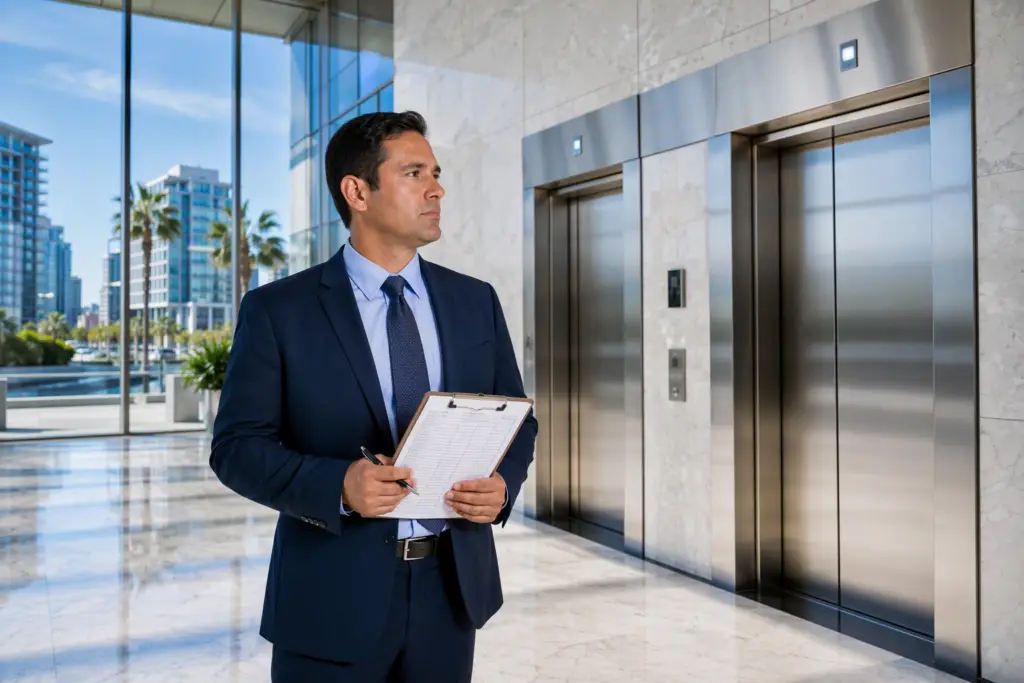
Elevator Code Update Requirements: A Complete Compliance Guide
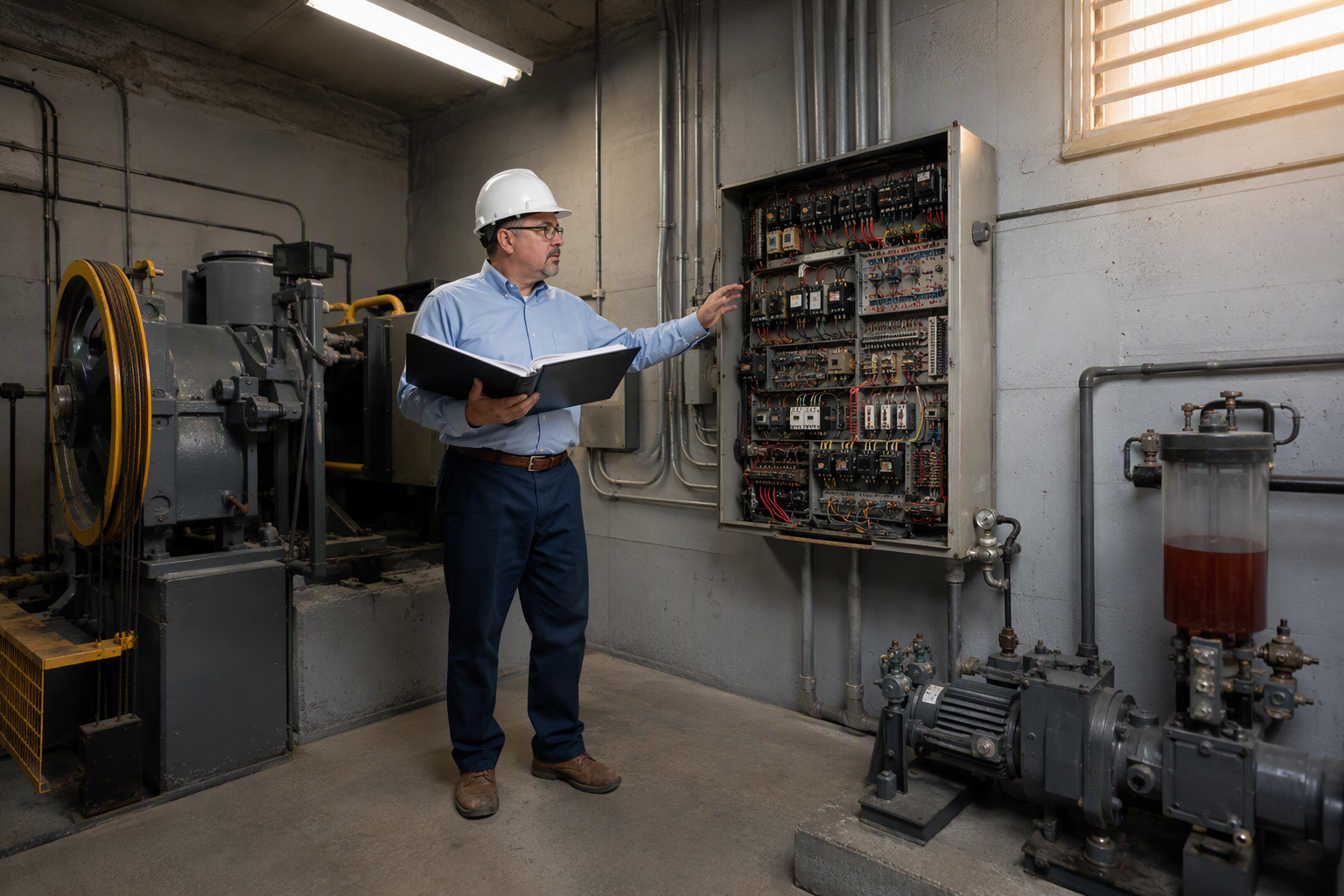
What Are Elevator Code Update Requirements?

Elevator code update requirements refer to the legally enforceable rules that govern when and how existing elevator equipment must be upgraded, retrofitted, or brought into conformance with current safety standards. These requirements are not optional — they are enforced at the state and local level, typically by building departments or labor agencies, and non-compliance can result in shutdown orders, fines, and significant liability exposure for building owners.
The primary national framework is the ASME A17.1 Safety Code for Elevators and Escalators, which is updated on a regular edition cycle. Individual states and municipalities adopt this code — sometimes with amendments — and set their own enforcement schedules. This layered system means a building owner in one city may face different retroactive requirements than one located just across a county line.
Additionally, vertical transportation serving the public must meet accessibility requirements under the Americans with Disabilities Act (ADA), and workplace elevator safety may intersect with standards enforced by OSHA in freight and construction contexts.
What Triggers an Elevator Code Update Requirement?
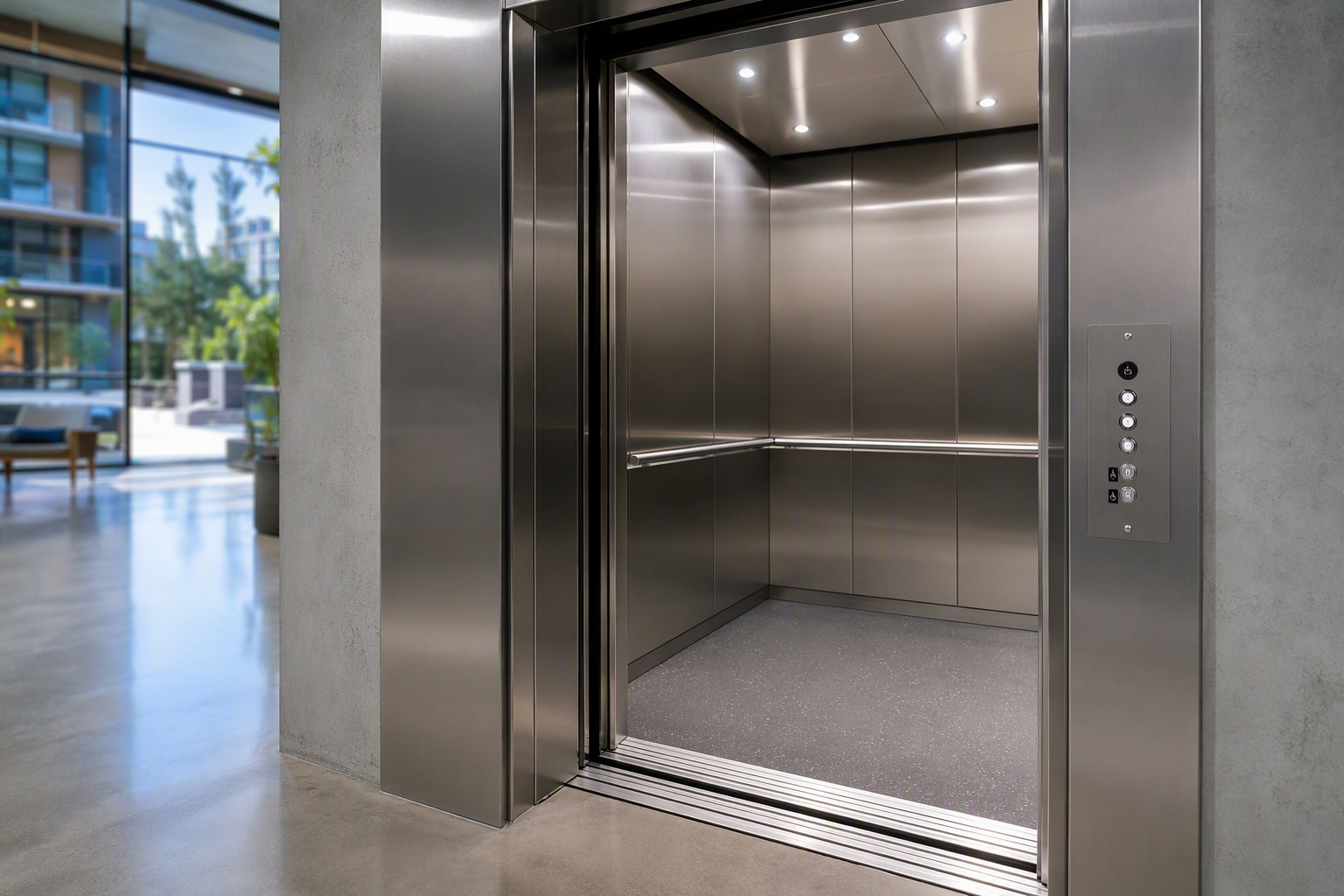
Understanding what activates a mandatory code upgrade is one of the most common questions building owners face. Code update triggers are not always automatic based on calendar year alone. The following situations most commonly create a compliance obligation:
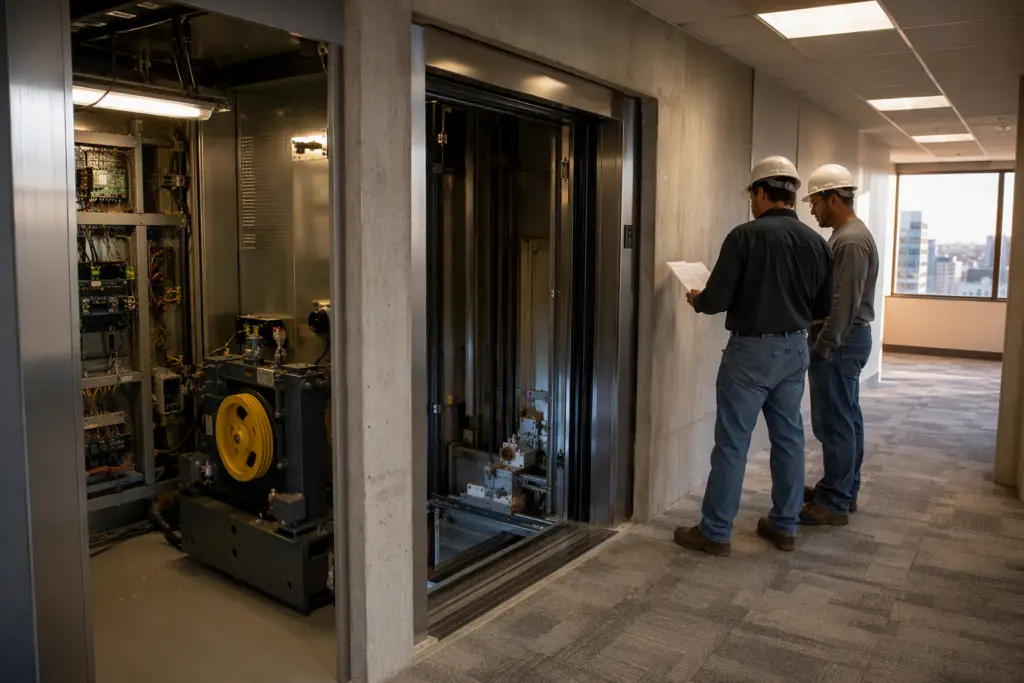
- Modernization or alteration work: Any significant alteration to an elevator — replacing the controller, drive system, cab, or safety devices — typically requires the entire unit to be brought into conformance with the currently adopted edition of ASME A17.1.
- Change of occupancy or use: Converting a building from one occupancy classification to another can activate retroactive code requirements, particularly around fire service operation and accessibility.
- Periodic inspection failures: When a state or municipal inspector identifies a deficiency during a routine inspection, the jurisdiction may issue a notice requiring correction within a specified timeframe.
- Adoption of a new code edition: When a jurisdiction formally adopts a newer edition of ASME A17.1 or equivalent state code, certain retroactive provisions may apply to all existing elevators, regardless of when they were installed.
- Age or end-of-life equipment: While age alone rarely creates a mandatory upgrade on a fixed schedule, components that are no longer serviceable or cannot be maintained safely will generate code findings during inspection.
- Insurance or lender requirements: In some cases, commercial insurance carriers or mortgage lenders require documented code compliance as a condition of coverage or financing.
Which Codes Govern Elevator Compliance Requirements?
Multiple overlapping codes and standards govern elevator compliance. Understanding which apply to a specific installation requires knowing the building type, the elevator’s age and use, and the local adopting authority’s current edition.
| Code / Standard | Governing Body | Primary Application | Source |
|---|---|---|---|
| ASME A17.1 Safety Code for Elevators and Escalators | ASME | New and existing elevators and escalators in the U.S. and Canada | ASME |
| ASME A17.3 Safety Code for Existing Elevators and Escalators | ASME | Retroactive requirements for equipment installed before current code adoption | ASME |
| ADA Standards for Accessible Design | U.S. Department of Justice | Accessibility for elevators serving the public | ADA.gov |
| OSHA Standards (29 CFR 1926 Subpart R) | U.S. Department of Labor | Construction hoists and material elevators in workplace settings | OSHA |
It is important to note that ASME A17.3, specifically focused on existing elevator installations, is the code most directly relevant to retroactive upgrade requirements. Many jurisdictions adopt it alongside A17.1 to establish clear obligations for older equipment.
What Does ASME A17.3 Require for Existing Elevators?
The ASME A17.3 Safety Code for Existing Elevators and Escalators establishes minimum retroactive safety requirements that apply to elevators already in service. Unlike A17.1, which governs new installations, A17.3 creates a practical compliance path for existing equipment without requiring full replacement.
Key areas addressed by ASME A17.3 for existing installations include:
- Car enclosure and lighting: Requirements for cab illumination levels, emergency lighting, and ventilation.
- Door reopening devices: Requirements that doors be equipped with safety edges or light curtains that prevent closing on passengers.
- Phase I and Phase II fire service operation: Elevators must be equipped with firefighters’ service controls that allow emergency personnel to operate the car during a fire event.
- Seismic requirements: In seismically active zones, additional controls and switches are required to prevent elevator operation during seismic events.
- Pit stop switches and lighting: Accessible stop switches and adequate lighting in the pit are standard retroactive requirements in most jurisdictions.
- Car top inspection controls: Top-of-car stop switches and inspection controls protect maintenance personnel.
- Governor and safety device testing: Periodic testing intervals for governors, buffers, and car safeties are defined in the code.
How Do ADA Requirements Affect Elevator Code Updates?
The Americans with Disabilities Act imposes accessibility requirements on elevators serving public accommodations and commercial facilities. These requirements intersect with code update obligations in several important ways.
When a building undergoes alterations, the ADA’s path-of-travel requirements may be triggered, meaning that the accessible route — including elevator access — must be brought into compliance as part of the renovation scope. Specific ADA elevator requirements cover:
- Minimum car dimensions to accommodate wheelchair users
- Raised and Braille floor indicators on call buttons and car controls
- Audible and visual floor announcements
- Door timing requirements to allow adequate passenger boarding
- Handrail placement and car control height standards
Facilities that fail to meet these requirements when performing renovations may face complaints filed with the U.S. Department of Justice or private litigation under the ADA.
What Is the Process for Bringing an Elevator Into Code Compliance?
For building owners facing a code update requirement, following a structured process reduces risk, controls costs, and ensures the work passes inspection. The general process for elevator code compliance is as follows:
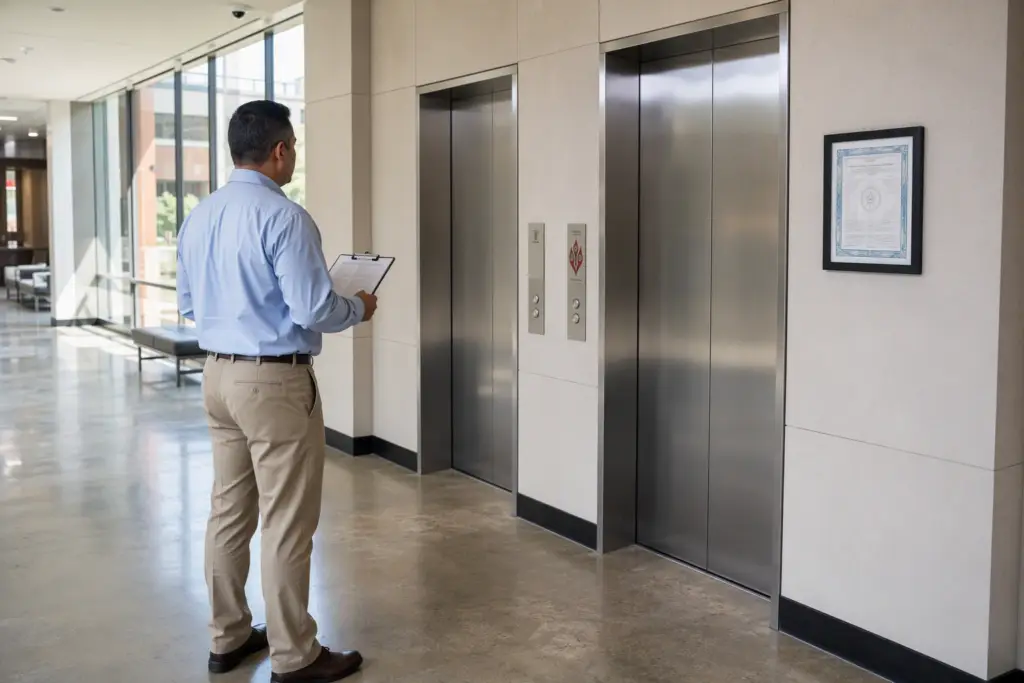
- Request a code compliance audit. Engage a licensed elevator contractor or inspector to evaluate the existing installation against the currently adopted edition of ASME A17.1 and A17.3 in your jurisdiction. This produces a written deficiency list.
- Identify applicable local amendments. Your state or municipality may have adopted local amendments to the base ASME code. Confirm the current adopted edition with the local authority having jurisdiction (AHJ).
- Obtain scope and cost estimates. Use the deficiency list to solicit proposals from qualified elevator contractors. Prioritize safety-critical items first.
- Submit permit applications. Most code upgrade work requires a permit from the local building department or elevator inspection agency before work begins.
- Schedule and complete the work. Coordinate outages with building occupants. Ensure the contractor uses listed components that meet the applicable code edition.
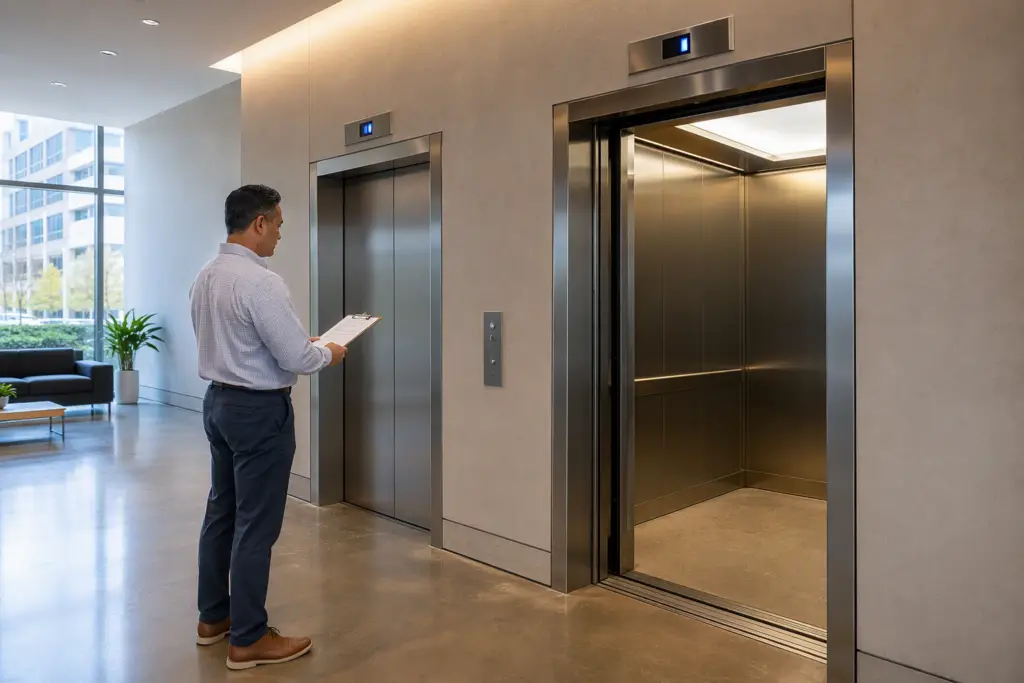
- Request a final inspection. After work is complete, schedule the required inspection with the local AHJ. The inspector will verify compliance and issue a new certificate of operation.
- Maintain records. Keep all permits, inspection certificates, and maintenance logs on file. Most jurisdictions require these records to be available on-site or upon request.
What Factors Drive the Cost of Elevator Code Updates?
Cost varies significantly based on the age and type of equipment, the scope of deficiencies identified, and the local labor market. Rather than citing figures that may not reflect current conditions in a specific market, building owners should understand the primary drivers:
- Equipment vintage: Older hydraulic or traction elevators with obsolete relay-logic controllers are more expensive to bring into compliance because parts may need to be fabricated or controllers fully replaced.
- Number of deficiencies: A system that has been regularly maintained and incrementally updated will have fewer outstanding items than one that has been deferred for many years.
- Fire service retrofit complexity: Phase I and Phase II fire service installations require coordination with the building’s fire alarm system, which can add engineering and wiring costs.
- Seismic requirements: Buildings in higher seismic zones face additional compliance costs for seismic switches and controls.
- ADA compliance scope: Cab modifications for ADA compliance — including new control panels, Braille signage, and audible systems — add cost beyond basic safety code items.
- Permit and inspection fees: These vary widely by jurisdiction and add to the overall project cost.
What Are the Industry Trends for Elevator Code Updates in 2025–2026?
The elevator compliance landscape is evolving in several directions that building owners and facility managers should understand as they plan for 2025 and 2026:
Increasing adoption of newer ASME editions: Jurisdictions that have been slow to update from older code editions are beginning to move toward more recent versions of ASME A17.1, which introduces updated requirements around machine room-less (MRL) equipment, remote monitoring, and enhanced door detection technology.
Remote monitoring and connected systems: Newer code editions and local amendments increasingly reference or permit remote monitoring capabilities. While not yet universally mandated, predictive maintenance systems that monitor elevator performance in real time are becoming a compliance-adjacent best practice that helps building owners stay ahead of inspection findings.
Accessibility enforcement pressure: Enforcement activity under the ADA continues to be an area of active litigation, particularly in commercial real estate. Owners of older buildings that have deferred accessibility upgrades face growing exposure.
Modernization as a compliance strategy: Rather than performing piecemeal repairs, many building owners are choosing full modernization projects that address all outstanding code items simultaneously, modernize the cab appearance, and extend equipment life — often with a net reduction in total long-term cost compared to sequential repairs.
Labor and supply chain considerations: Availability of code-compliant components and licensed technicians continues to affect project timelines. Building owners are advised to plan compliance projects well in advance of any inspection deadlines.
How Often Must Elevators Be Inspected Under Code?
Inspection intervals are set by the jurisdiction adopting ASME A17.1 and A17.3, but most jurisdictions require periodic inspections at least annually for routine operation, with additional periodic tests for safety-critical components such as governors, safeties, and buffers performed on longer cycles — often every five years. The specific intervals for each test category are defined in the code and referenced in the jurisdiction’s adoption order. Building owners should maintain a documented inspection and test schedule to avoid lapses that could result in certificate suspension.
What Happens If an Elevator Is Not Brought Into Code Compliance?
Non-compliance carries a range of consequences that escalate with continued inaction:
- Operating certificate suspension or revocation: An elevator without a valid certificate of operation must be taken out of service. In multi-story buildings, this creates immediate hardship for occupants and may violate accessibility obligations.
- Fines and penalties: Jurisdictions have authority to levy fines for each day of non-compliant operation. In some states, penalties accumulate rapidly.
- Increased liability exposure: If an injury occurs on an elevator that has documented outstanding code violations, building owners face substantially elevated liability in litigation.
- Insurance complications: Carriers may deny claims or cancel policies on equipment operating with known, unaddressed deficiencies.
- Lender and tenant concerns: Code non-compliance disclosed in due diligence can affect property valuations, lease negotiations, and refinancing.
How Does Elevator Code Compliance Differ for Hydraulic vs. Traction Elevators?
The type of elevator system affects which code provisions apply and what upgrades are most commonly required:
Hydraulic elevators face specific requirements around single bottom cylinder and underground hydraulic cylinder corrosion protection, fluid containment, and pressure testing. Older hydraulic systems with unlined underground cylinders may face requirements to add containment systems or replace the cylinder entirely, which represents one of the more significant cost items in hydraulic elevator compliance work.
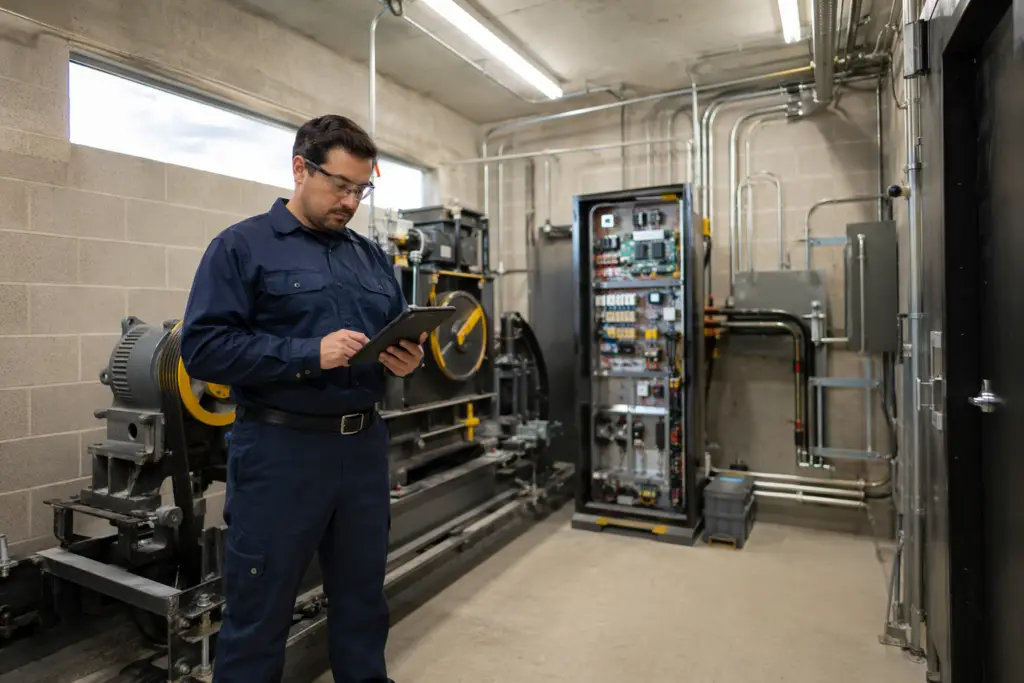
Traction elevators — both geared and gearless — face requirements around governor and safety device testing, counterweight guarding, and machine room environmental conditions. Older relay-logic-controlled traction elevators often require controller modernization to achieve fire service and other operational code compliance.
Machine room-less (MRL) traction elevators, which became common in the 2000s and are addressed in newer editions of ASME A17.1, have their own specific provisions around maintenance access and equipment protection that older MRL installations may not fully meet under current adopted editions.
Can a Building Owner Be Held Responsible for Code Violations on Elevators Maintained by a Contractor?
Yes. Responsibility for elevator code compliance rests primarily with the building owner, regardless of whether the elevator is under a maintenance contract. Maintenance contracts vary widely in scope, and not all service agreements include proactive code compliance review or notification when new code requirements take effect. Building owners should ensure their maintenance agreements clearly define the contractor’s obligations with respect to code compliance, and should independently verify their elevator’s compliance status through periodic third-party inspections when warranted.
How Does AmeriTex Elevator Support Code Compliance?
AmeriTex Elevator provides data-driven assessment and modernization services for building owners navigating elevator code update requirements. Rather than applying a one-size-fits-all approach, AmeriTex Elevator evaluates each installation against the specific code edition adopted by the local authority having jurisdiction, producing a clear, prioritized deficiency report that building owners can use to make informed decisions about scope, sequencing, and budget allocation.
AmeriTex Elevator’s approach to code compliance work is grounded in an understanding of how ASME A17.1 and A17.3, ADA accessibility standards, and local amendments interact for a specific installation — ensuring that compliance projects are completed correctly the first time and pass final inspection without costly re-work.
Elevator Code Update Requirements: Quick-Reference Q&A
What is the main code governing elevator update requirements in the United States?
The primary national standard is the ASME A17.1 Safety Code for Elevators and Escalators, supplemented by ASME A17.3 for existing installations. These codes are adopted and enforced at the state and local level, so the specific requirements applicable to any elevator depend on which edition and amendments the local authority has adopted.
Does every elevator have to meet the latest code edition immediately?
Not automatically. Most code update requirements are triggered by a specific event — such as an alteration, a change of occupancy, or a jurisdiction formally adopting a new code edition with retroactive provisions. However, certain safety-critical items under ASME A17.3 may apply to all existing elevators regardless of triggering events, depending on local adoption language.
What is the difference between ASME A17.1 and ASME A17.3?
ASME A17.1 governs the design, construction, installation, and testing of new elevators. ASME A17.3 establishes retroactive safety requirements for elevators already in service, providing a practical compliance path that does not require existing installations to meet every provision of A17.1.
How do I find out which elevator code edition my jurisdiction has adopted?
Contact the local authority having jurisdiction — typically the city or county building department or the state elevator safety division. They can provide the currently adopted code edition, any local amendments, and the inspection and permit requirements applicable to your elevator.
What are the most commonly required retrofits under elevator code updates?
The most frequently required retrofits include Phase I and Phase II fire service operation, door safety edge or light curtain upgrades, pit lighting and stop switch additions, car top inspection controls, and governor/safety device testing compliance. Accessibility retrofits under the ADA — such as Braille controls and audible floor indicators — are also common in older commercial installations.
How long does it typically take to complete elevator code update work?
Timeline depends on the scope of deficiencies identified, permit processing time in the local jurisdiction, and component availability. Minor retrofits such as pit lighting or signage may be completed in days; a full controller modernization or hydraulic cylinder replacement can take several weeks to months from permit application to final inspection approval.
Does an elevator need to be taken out of service during code update work?
It depends on the nature of the work. Many minor code retrofits — such as adding pit stop switches, car top controls, or Braille buttons — can be completed with brief outages during off-hours. Major work such as controller replacement or drive modernization typically requires an extended outage. Planning and scheduling this in coordination with building management minimizes disruption to occupants.
Are there specific code requirements for elevator accessibility under the ADA?
Yes. The ADA Standards for Accessible Design specify minimum car dimensions, control placement heights, Braille and raised character signage, door timing, and audible and visual floor announcement requirements for elevators serving public accommodations and commercial facilities. These requirements may be triggered when a building undergoes alterations affecting the path of travel.
What role does OSHA play in elevator code compliance?
OSHA standards apply primarily to elevators and hoists used in workplace and construction contexts, including material hoists and construction personnel hoists. For permanent passenger and freight elevators in commercial and residential buildings, the primary compliance framework remains ASME A17.1/A17.3 as adopted by the local jurisdiction.
How can building owners stay ahead of future elevator code update requirements?
Proactive strategies include maintaining an up-to-date log of all inspection findings and completed work, monitoring code adoption activity in the local jurisdiction, establishing a relationship with a qualified elevator contractor who provides compliance-oriented maintenance, and scheduling periodic independent code audits rather than waiting for a regulatory inspection to identify deficiencies. AmeriTex Elevator provides the kind of data-driven assessment that supports proactive compliance planning.
What should a building owner do immediately after receiving a code violation notice?
- Read the notice carefully and note the specific code sections cited, the required corrective actions, and the compliance deadline.
- Do not ignore the deadline. If the timeframe is unrealistic, contact the issuing authority promptly to request a variance or extension — most jurisdictions have a formal process for this.
- Engage a licensed elevator contractor immediately to evaluate the cited deficiencies and provide a scope of work.
- Pull the required permits as soon as the scope is defined. Permit application demonstrates good faith to the inspecting authority.
- Document all steps taken, including contractor engagement, permit applications, and scheduled work dates, in case the authority requests evidence of progress.
- Complete the corrective work and request a re-inspection to obtain a cleared inspection record and a renewed certificate of operation.
Get a Free Elevator Code Compliance Assessment
Elevator code update requirements are complex, jurisdiction-specific, and carry real consequences for non-compliance. AmeriTex Elevator helps building owners understand exactly what their installation requires under the currently adopted ASME A17.1 and A17.3 standards, ADA accessibility requirements, and applicable local amendments — so compliance decisions are based on accurate data, not guesswork.
Contact AmeriTex Elevator for a free elevator assessment: 866-679-4313
Need elevator service you can rely on? AmeriTex Elevator is ready to help.